{
"schema_version": "1.1",
"id": 660481,
"slug": "brazil-court-system-appeals-2026",
"title": "Brazil Court System: Appeals and Costs Explained 2026",
"excerpt": "How does the brazil court system work? Learn the appeals ladder, TJ and STJ courts, costs, and how long a lawsuit really takes in 2026.",
"content_primary": "markdown",
"available_formats": [
"markdown"
],
"content_markdown": "You signed a contract in Brazil, a dispute exploded, and now someone mentions “appeals to the TJ” or “we may need to go to the STJ in Brasília.” If you come from a common law country, the [Brazilian court system](https://www.ribeirocavalcante.com.br/brazil-expat-guide/court-hierarchy/) can feel like an alphabet soup of acronyms and endless stages. You are not wrong to be worried: a case can move through multiple instances and take years.\n\nHere is the short answer. Brazil uses a Civil Law system built on written codes, not judicial precedent, and cases move upward through “instances” (instâncias). A typical private contract dispute runs from the first instance trial judge to the state Court of Appeals (Tribunal de Justiça, or TJ), and possibly to the Superior Court of Justice (STJ) in Brasília. Federal matters follow a parallel track through the Federal Regional Courts (TRF).\n\nLeia também:\n[Contracts in Brazil for Foreigners: Legal Guide 2026](https://www.ribeirocavalcante.com.br/contracts-litigation-brazil/)\n\nThis guide explains, in plain English, how that structure works, how appeals actually unfold, what each stage costs, and how long you should realistically expect to wait in 2026. It is a satellite guide within our broader [Contracts in Brazil for Foreigners: Legal Guide 2026](https://www.ribeirocavalcante.com.br/contracts-litigation-brazil/), so we focus specifically on the courts and the appeals ladder.\n\n\n## How Is Brazil’s Court System Structured?\n\nBrazil has a multi-instance court system with three main levels: the first instance (trial judge), the second instance (appellate courts, TJ or TRF), and the superior courts in Brasília (STJ and STF). Your case moves upward as decisions are appealed. Brazil follows Civil Law, meaning written statutes govern, not binding precedent.\n\nUnderstanding this ladder matters because it determines how long your dispute can last, how much you will pay in court fees, and where your lawyer must file each document. Let us break down each rung.\n\nLeia também:\n[Enforce Foreign Judgment in Brazil: STJ Process 2026](https://www.ribeirocavalcante.com.br/contracts-litigation-brazil/enforce-foreign-contract/)\n\n\n### First Instance (Primeira Instância): Brazil court system\n\nThis is where your lawsuit (ação) begins. A single trial judge, called a juiz de direito in state courts or a juiz federal in federal courts, handles the case. The court issues a citação (service of process) to the defendant, both sides exchange evidence during the fase de saneamento (pre-trial phase), and the judge issues a sentença (first judgment).\n\n\n### Second Instance (Segunda Instância): TJ and TRF\n\nThis is where two parallel branches appear:\n\n- **TJ (Tribunal de Justiça)**, the State Court of Appeals. It handles matters under state jurisdiction: most private contract disputes, consumer law, family, and property disputes between private parties. Each of the 26 states plus the Federal District has its own TJ, such as TJSP in São Paulo or TJRJ in Rio de Janeiro.\n- **TRF (Tribunal Regional Federal)**, the Federal Court of Appeals. It handles cases involving the Federal Government, federal agencies (like the INSS social security agency or Receita Federal, the Brazilian IRS), federal public companies, or international treaties. Brazil currently has 6 TRFs, organized by region, with TRF6 in Minas Gerais being the most recent, created in 2022.\n\nAt this level, appeals are decided by a panel of judges called desembargadores, not a single judge.\n\n\n### Superior Courts in Brasília: STJ and STF\n\n- **STJ (Superior Tribunal de Justiça)**, the Superior Court of Justice. It is the highest court for federal non-constitutional matters and standardizes how federal law is interpreted nationwide. The appeal filed here is the Recurso Especial (REsp). Learn more at the [official STJ website\r\n\r\n](https://www.stj.jus.br/).\n- **STF (Supremo Tribunal Federal)**, the Supreme Federal Court. It is the highest court and handles constitutional matters exclusively. The appeal filed here is the Recurso Extraordinário (RE). See the official STF website.\n\n**Important:** For a typical international commercial contract dispute between private parties, your case will run first instance to TJ to STJ. The STF only enters if a genuine constitutional question is at stake, which is rare in ordinary contract fights.\n\n\n## Brazil court system: What Is the Appeals Process (Apelação) in Brazil?\n\nThe apelação is the main ordinary appeal in Brazilian civil procedure. It is filed against a first instance judgment (sentença) and sends the case to the second instance court (TJ or TRF) for full review of both facts and law. It exists to guarantee the constitutional right to a double degree of jurisdiction, regulated primarily by the Civil Procedure Code of 2015.\n\nIn practice, the apelação is your first and broadest chance to overturn a losing decision. Because it allows a fresh review of the entire case (recurso de fundamentação livre), the appellate panel can re-examine the evidence, not just the legal reasoning. This is different from the higher appeals to the STJ and STF, which are far more restricted.\n\nHere is the appeals flow you should memorize:\n\n- **Sentença (first judgment)** → you file an **Apelação** to the TJ or TRF.\n- **TJ or TRF decision** → you may file a **Recurso Especial (REsp)** to the STJ if federal law was misapplied, or a **Recurso Extraordinário (RE)** to the STF if the Constitution was violated.\n- The STJ and STF do NOT re-examine facts. They only review legal or constitutional questions.\n\n**Keep in mind:** The deadline to file most appeals under the Brazilian Civil Procedure Code is 15 business days from the notification of the decision. Missing this window means the decision becomes final (transita em julgado), and you lose your right to appeal permanently.\n\nOne reason foreigners underestimate Brazilian litigation is the sheer number of appeal stages. Even after the STJ or STF rules, a party can sometimes file clarification motions (embargos de declaração), stretching timelines further. This is why choosing the right court and the right contract clauses upfront matters so much. See our guide on [governing law for Brazilian contracts](https://www.ribeirocavalcante.com.br/contracts-litigation-brazil/governing-law-contracts/) to reduce this risk before a dispute even starts.\n\n\n## Which Court Handles Your Case? Small Claims, State, or Federal\n\nThe court depends on the amount at stake and who the parties are. Disputes up to R$ 40,000 can go to the Small Claims Court (Juizado Especial Cível), most private contract disputes go to State Court (Vara Cível), and cases involving the Federal Government or federal agencies go to Federal Court (Justiça Federal).\n\n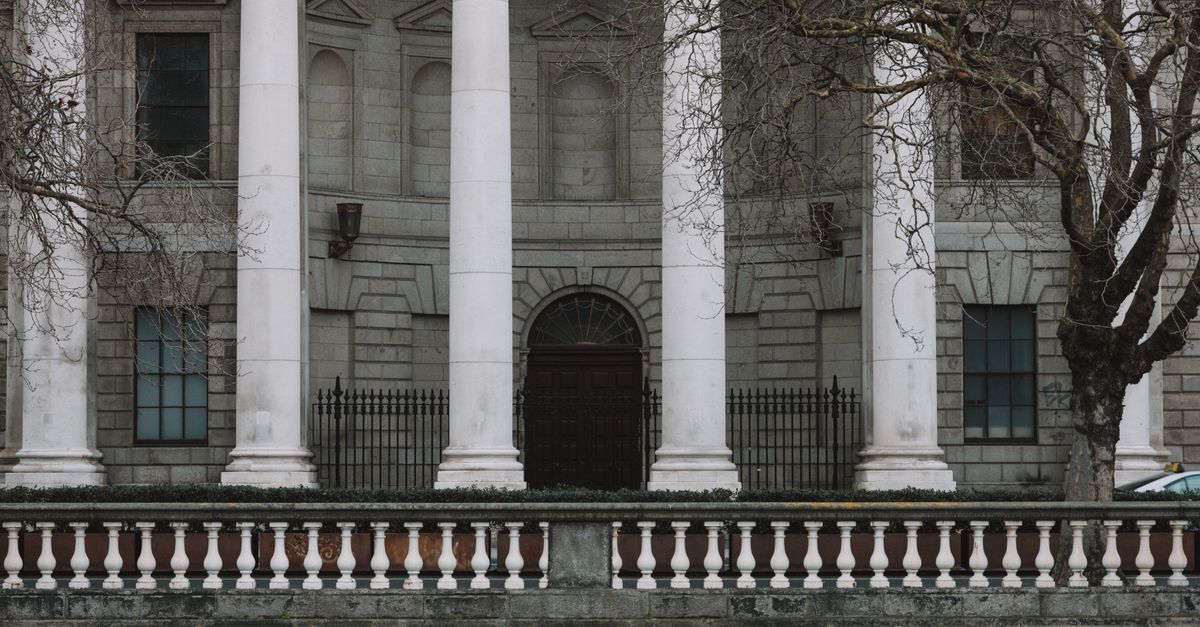\n*How is brazil's court system structured? — foto: joaquin carfagna*\n\n\n### Option A: Juizado Especial Cível (Small Claims Court)\n\nThis is the fastest path, but strictly limited. The claim must not exceed R$ 40,000 (roughly 40 times the minimum monthly wage, which was R$ 1,412 in 2024). You do not legally need a lawyer for the first instance here, but a Brazilian attorney registered with the OAB (Brazilian Bar Association) is highly recommended for any appeal.\n\nSmall claims cases typically resolve in 6-18 months, far faster than the ordinary track. The tradeoff is limited remedies and simplified procedure. Complex commercial disputes with heavy evidence often do not fit well here.\n\n\n### Option B: State Court (Justiça Estadual, Vara Cível)\n\nThis is where most international contract disputes between private parties land. You get full remedies, but you pay for it in time and fees. Court fees in São Paulo run roughly 1% to 2% of the claim value, capped at around R$ 60,000 for very large claims.\n\nThe process is fully digital in 2026. Once you register, you can monitor filings, deadlines, and judgments through the courts’ electronic systems and the gov.br portal. Appeals from this court go to the state TJ, and then potentially to the STJ.\n\n**Example:** On a R$ 500,000 breach of contract claim in São Paulo, expect initial court fees around R$ 5,000 to R$ 10,000 (1% to 2%). If you lose and the court awards the other side legal fees (sucumbência), you could owe an additional 10% to 20% of the claim value, meaning R$ 50,000 to R$ 100,000 on top.\n\n\n### Option C: Federal Court (Justiça Federal)\n\nYou end up in Federal Court when the Federal Government, a federal agency, or a federal public company is a party, or when the dispute involves an international treaty. For example, tax disputes with Receita Federal or immigration matters involving the Federal Police go here. Appeals go to the regional TRF, then potentially to the STJ or STF.\n\n**Tip:** Do not assume your dispute is “federal” just because it involves a foreign party or an international element. Jurisdiction is defined by WHO the parties are and the LEGAL nature of the claim, not by nationality. Most foreigner contract disputes are state matters handled by the TJ.\n\n\n## Court System Comparison: Timelines, Costs, and Appeals\n\nEach court path carries a different tradeoff between speed and remedies. Small claims are fast but capped at R$ 40,000. State courts offer full remedies but can take 5-10 years to a final, unappealable decision when all appeals are exhausted. The table below summarizes the key differences for 2026.\n\n| Feature | Small Claims (Juizado) | State Court (Vara Cível) | Federal Court |\n| --- | --- | --- | --- |\n| Claim limit | Up to R$ 40,000 | No limit | No limit |\n| Lawyer required (1st instance) | No (recommended) | Yes | Yes |\n| Court fees | Free at 1st instance | 1%-2% of claim, capped ~R$ 60,000 | Similar to state |\n| Appeal court | Turma Recursal | TJ (state) | TRF (federal) |\n| Realistic timeline to final decision | 6-18 months | 5-10 years (all appeals) | 5-12 years |\n| Best for | Small, simple disputes | Private contract disputes | Government/federal entity involved |\n\n**Warning:** The 5-10 year timeline for state court is the worst case, when the losing party appeals all the way to the superior courts. Many disputes settle or end at the TJ level in 2-4 years. But you must budget for the possibility of the full ladder, especially against a well-funded opponent using appeals to delay.\n\n\n## Can You Avoid Court With Arbitration Instead?\n\nYes. Under Brazil’s Arbitration Law (Lei nº 9.307/1996), parties can agree to resolve contract disputes through private arbitration instead of the public courts. Arbitration awards are final, with very limited grounds for appeal, and often resolve in 12-24 months rather than years. This is a popular choice for international commercial contracts.\n\nThe catch is that arbitration only works if your contract contains a valid arbitration clause. If it does not, you can still attempt a post-contractual arbitration request, but the Brazilian court will first decide whether an arbitration agreement can be implied, which is often a lengthy battle in itself.\n\n[\n\n\n\n](https://www.ribeirocavalcante.com.br/web-stories/brazil-court-system-appeals-costs-2026/)\n\n⚡ Web Story\n[Brazil Court System: Appeals and Costs Explained 2026](https://www.ribeirocavalcante.com.br/web-stories/brazil-court-system-appeals-costs-2026/)\n[Ver história visual ›](https://www.ribeirocavalcante.com.br/web-stories/brazil-court-system-appeals-costs-2026/)\n\n\n**Real case:** Two companies, one Brazilian and one European, dispute a R$ 200,000 supply contract. With a clear arbitration clause, they resolve in roughly 18 months through a single arbitral tribunal. Without it, the same dispute could bounce from the Vara Cível to the TJ to the STJ over 6 or more years.\n\nArbitration also connects to enforcement. If you already hold a foreign court judgment or foreign arbitral award, you must have it recognized in Brazil before you can enforce it. That process runs through the STJ. Read our detailed guide on how to [enforce a foreign judgment in Brazil through the STJ process](https://www.ribeirocavalcante.com.br/contracts-litigation-brazil/enforce-foreign-contract/).\n\n\n## What Changed in the Brazilian Court System in 2026?\n\nThe biggest ongoing change is full digitalization. As of 2026, virtually all Brazilian civil litigation is electronic, filed and tracked through the courts’ digital systems and integrated with the gov.br portal. This lets foreign parties and their lawyers monitor deadlines and judgments remotely, without physically visiting a courthouse.\n\nOther notable developments shaping 2026 litigation:\n\n- **Consolidation of binding precedents.** While Brazil is a Civil Law country, the 2015 Civil Procedure Code strengthened the role of binding themes (temas) decided by the STJ and STF. Courts increasingly must follow these, adding predictability.\n- **TRF6 fully operational.** The newest Federal Court of Appeals, based in Minas Gerais and created in 2022, is now fully absorbing cases that previously overloaded TRF1.\n- **Emphasis on mediation and conciliation.** Courts continue to push parties toward settlement hearings early in the process to reduce the case backlog.\n\nYou can review the underlying legislation, including the Civil Procedure Code and the Arbitration Law, in Portuguese on the official [Planalto government portal](https://www.planalto.gov.br/).\n\n\n## Step-by-Step: How a Contract Dispute Moves Through the Courts\n\nA civil contract case follows a predictable sequence. From filing to a final unappealable decision, expect roughly 5-10 years in state court if every appeal is used. Here is the realistic path in 2026, with the documents and timelines you should plan for.\n\n\n### The procedural steps\n\n- **Step 1. Filing the lawsuit (petição inicial).** Your Brazilian lawyer files the complaint electronically, attaching the contract, evidence, and proof of the fee payment (guia de recolhimento).\n- **Step 2. Service of process (citação).** The court formally notifies the defendant, who then has time to respond with a defense (contestação).\n- **Step 3. Pre-trial phase (saneamento).** The judge organizes the case, defines contested points, and decides which evidence will be produced.\n- **Step 4. Evidence and hearing.** Witnesses, expert reports (perícia), and documents are examined.\n- **Step 5. Judgment (sentença).** The trial judge issues the first decision.\n- **Step 6. Appeal (apelação).** The losing party has 15 business days to appeal to the TJ or TRF.\n- **Step 7. Superior appeals.** If applicable, a Recurso Especial goes to the STJ or a Recurso Extraordinário to the STF.\n- **Step 8. Enforcement (cumprimento de sentença).** Once final, the winning party enforces the judgment to collect.\n\n\n### Documents you will typically need\n\n- Valid identification: passport, and if you have them, your Brazilian RG and CPF (taxpayer number).\n- The signed contract and any amendments.\n- Evidence of the breach: emails, invoices, payment records, messages.\n- Power of attorney (procuração) authorizing your Brazilian lawyer to act.\n- The guia de recolhimento (fee payment slip) proving court fees are paid.\n\n**Note:** A foreigner without a CPF can still litigate in Brazil, but obtaining a CPF and appointing a Brazilian attorney by power of attorney early makes everything smoother, especially for receiving payments after a favorable judgment.\n\n\n*How is brazil's court system structured? — foto: katrin bolovtsova*\n\nNote that opening a company in Brazil to do business, which often precedes these contract disputes, requires a registered CNPJ, and a CNPJ requires a valid registered address. Ribeiro Cavalcante offers a [fiscal address in Brazil](https://address.ribeirocavalcante.com.br/) for exactly this purpose.\n\n\n## Frequently Asked Questions\n\n\n### What is the difference between the TJ and the STJ?\n\nThe TJ (Tribunal de Justiça) is the state Court of Appeals, the second instance that reviews both facts and law after a first judgment. The STJ (Superior Tribunal de Justiça) is a superior court in Brasília that only reviews how federal law was applied, not the facts. You reach the STJ through a Recurso Especial only after the TJ has ruled. In a normal private contract dispute, your case goes first instance, then TJ, and possibly STJ. The STF is reserved for constitutional questions.\n\n\n### How long does a contract lawsuit take in Brazil?\n\nIt depends on the court and how far the appeals go. A small claims case (up to R$ 40,000) can resolve in 6-18 months. A state court contract dispute typically takes 2-4 years to a TJ decision, but 5-10 years if the losing party appeals all the way to the superior courts in Brasília. Federal cases can take even longer. Arbitration, if your contract allows it, usually finishes in 12-24 months, which is why many international contracts include an arbitration clause.\n\n\n### Do I need a Brazilian lawyer to appeal a decision?\n\nYes. While you can represent yourself in the first instance of small claims court, any appeal requires a lawyer registered with the OAB (Brazilian Bar Association). Appellate briefs and superior court appeals like the Recurso Especial are technical documents with strict formal requirements. A missed deadline or procedural error can cost you the entire case, so foreign parties should always work with a Brazilian attorney for anything beyond the simplest small claim.\n\n\n### Can a foreigner file a lawsuit in Brazil without living there?\n\nYes. A foreign individual or company can sue and be sued in Brazil without residing in the country. You appoint a Brazilian lawyer through a power of attorney (procuração), which may need to be notarized and apostilled abroad. Because litigation is fully digital in 2026, you can follow your case remotely. In some situations, a non-resident plaintiff may be required to post a bond (caução) to cover potential legal costs if the case is lost.\n\n\n### What happens if I miss the appeal deadline?\n\nYou lose the right to appeal, and the decision becomes final (transita em julgado). Under the Brazilian Civil Procedure Code, most appeals must be filed within 15 business days of the decision notification. Once that deadline passes, the judgment is enforceable and cannot be challenged on its merits. This is one of the most common and costly mistakes, which is why having a Brazilian lawyer monitoring the electronic case system is essential.\n\n\n### Is Brazil a Civil Law or Common Law country?\n\nBrazil is a Civil Law country, following the Roman-Germanic tradition. This means written statutes and codes, such as the Civil Code and Civil Procedure Code, are the primary source of law, not judicial precedent as in the U.S. or U.K. However, the 2015 Civil Procedure Code strengthened the role of binding precedents (temas) from the STJ and STF, so higher court decisions now carry more weight than they traditionally did.\n\n\n## Navigate Brazil’s Courts With a Bilingual Legal Team\n\nThe Brazilian court system, with its instances, appeals, and years-long timelines, can feel overwhelming when you are a foreigner facing a contract dispute far from home. The good news is that with the right strategy, the right court, and a well-drafted contract, you can dramatically shorten the road and protect what matters. You do not have to figure out the TJ, TRF, STJ, and STF alone.\n\nOur bilingual team at Ribeiro Cavalcante Advocacia guides international clients through every stage, from choosing the right forum to filing appeals and enforcing judgments. Talk to us today and get clear, practical answers about your situation.\n\nTalk to a specialist lawyer now\n[ Talk to a Lawyer on WhatsApp](https://www.ribeirocavalcante.com.br/ads/wpp.html)",
"content_hash": {
"algo": "sha256",
"scope": "content_markdown",
"value": "cce674a2db66d2fd60320c32ca7cb6ae7ee7ad04615cc7d4c9f9a0914835eb7b"
},
"date_published": "2026-08-21T13:34:08-03:00",
"date_modified": "2026-08-21T13:34:08-03:00",
"author": {
"name": "Lucas Ribeiro Cavalcante",
"url": "https://www.ribeirocavalcante.com.br/autor/lucas/"
},
"canonical_url": "https://www.ribeirocavalcante.com.br/contracts-litigation-brazil/court-system-appeals/",
"json_url": "https://www.ribeirocavalcante.com.br/brazil-court-system-appeals-2026.json",
"word_count": 2935,
"reading_time": 15,
"robots": {
"index": true,
"follow": true
},
"license": {
"name": "CC BY-NC-ND 4.0",
"url": "https://creativecommons.org/licenses/by-nc-nd/4.0/deed.pt-br",
"notice": "Conteúdo protegido. Cite a fonte com link para a URL canônica. Reprodução integral proibida."
},
"publisher": {
"name": "Ribeiro Cavalcante Advocacia",
"url": "https://www.ribeirocavalcante.com.br/"
},
"publisher_ref": "https://www.ribeirocavalcante.com.br/org.json",
"language": "pt-BR",
"site": "Ribeiro Cavalcante Advocacia",
"categories": [
{
"id": 4614,
"name": "Contract Law",
"slug": "contract-law",
"url": "https://www.ribeirocavalcante.com.br/english/contract-law/"
}
],
"tags": [
{
"id": 8965,
"name": "brazil appeals process",
"slug": "brazil-appeals-process",
"url": "https://www.ribeirocavalcante.com.br/tag/brazil-appeals-process/"
},
{
"id": 8964,
"name": "brazil court system",
"slug": "brazil-court-system",
"url": "https://www.ribeirocavalcante.com.br/tag/brazil-court-system/"
},
{
"id": 8967,
"name": "brazilian courts explained",
"slug": "brazilian-courts-explained",
"url": "https://www.ribeirocavalcante.com.br/tag/brazilian-courts-explained/"
},
{
"id": 8966,
"name": "how long lawsuit takes brazil",
"slug": "how-long-lawsuit-takes-brazil",
"url": "https://www.ribeirocavalcante.com.br/tag/how-long-lawsuit-takes-brazil/"
},
{
"id": 8968,
"name": "suing in brazil foreigner",
"slug": "suing-in-brazil-foreigner",
"url": "https://www.ribeirocavalcante.com.br/tag/suing-in-brazil-foreigner/"
},
{
"id": 8963,
"name": "understanding-brazil's-court-system-and-appeals-process",
"slug": "understanding-brazils-court-system-and-appeals-process",
"url": "https://www.ribeirocavalcante.com.br/tag/understanding-brazils-court-system-and-appeals-process/"
}
],
"featured_image": {
"url": "https://cdn.ribeirocavalcante.com.br/2026/08/understanding-brazils-court-system-and-appeals-process-660481-1787330096.webp",
"width": 1400,
"height": 788,
"alt": "Imagem representando Understanding Brazil's Court System and Appeals Process — Ribeiro Cavalcante Advocacia"
},
"faq": [
{
"question": "How does the brazil court system work?",
"answer": "It has three main levels: first instance (trial judge), second instance appellate courts (TJ or TRF), and superior courts (STJ and STF) in Brasília. Cases move upward as decisions are appealed."
},
{
"question": "What is the difference between the TJ and the STJ in Brazil?",
"answer": "The TJ (Tribunal de Justiça) is the state Court of Appeals handling most private disputes, while the STJ (Superior Court of Justice) in Brasília reviews questions of federal law after the TJ decides."
},
{
"question": "How long does a lawsuit take in the brazil court system?",
"answer": "A typical private contract dispute can take several years, since it may pass through the first instance, the TJ appeal, and potentially the STJ."
},
{
"question": "Does Brazil use case law or written codes?",
"answer": "Brazil follows a Civil Law system based on written statutes and codes, not binding judicial precedent as in common law countries."
},
{
"question": "Which court handles cases against the Brazilian government?",
"answer": "Federal matters involving the government, federal agencies, or international treaties go through the Federal Courts and, on appeal, the Federal Regional Courts (TRF)."
}
],
"table_of_contents": [
{
"level": 2,
"text": "How Is Brazil’s Court System Structured?",
"anchor": "how-is-brazils-court-system-structured"
},
{
"level": 3,
"text": "First Instance (Primeira Instância): Brazil court system",
"anchor": "first-instance-primeira-instancia-brazil-court-system"
},
{
"level": 3,
"text": "Second Instance (Segunda Instância): TJ and TRF",
"anchor": "second-instance-segunda-instancia-tj-and-trf"
},
{
"level": 3,
"text": "Superior Courts in Brasília: STJ and STF",
"anchor": "superior-courts-in-brasilia-stj-and-stf"
},
{
"level": 2,
"text": "Brazil court system: What Is the Appeals Process (Apelação) in Brazil?",
"anchor": "brazil-court-system-what-is-the-appeals-process-apelacao-in-brazil"
},
{
"level": 2,
"text": "Which Court Handles Your Case? Small Claims, State, or Federal",
"anchor": "which-court-handles-your-case-small-claims-state-or-federal"
},
{
"level": 3,
"text": "Option A: Juizado Especial Cível (Small Claims Court)",
"anchor": "option-a-juizado-especial-civel-small-claims-court"
},
{
"level": 3,
"text": "Option B: State Court (Justiça Estadual, Vara Cível)",
"anchor": "option-b-state-court-justica-estadual-vara-civel"
},
{
"level": 3,
"text": "Option C: Federal Court (Justiça Federal)",
"anchor": "option-c-federal-court-justica-federal"
},
{
"level": 2,
"text": "Court System Comparison: Timelines, Costs, and Appeals",
"anchor": "court-system-comparison-timelines-costs-and-appeals"
},
{
"level": 2,
"text": "Can You Avoid Court With Arbitration Instead?",
"anchor": "can-you-avoid-court-with-arbitration-instead"
},
{
"level": 2,
"text": "What Changed in the Brazilian Court System in 2026?",
"anchor": "what-changed-in-the-brazilian-court-system-in-2026"
},
{
"level": 2,
"text": "Step-by-Step: How a Contract Dispute Moves Through the Courts",
"anchor": "step-by-step-how-a-contract-dispute-moves-through-the-courts"
},
{
"level": 3,
"text": "The procedural steps",
"anchor": "the-procedural-steps"
},
{
"level": 3,
"text": "Documents you will typically need",
"anchor": "documents-you-will-typically-need"
},
{
"level": 2,
"text": "Frequently Asked Questions",
"anchor": "frequently-asked-questions"
},
{
"level": 3,
"text": "What is the difference between the TJ and the STJ?",
"anchor": "what-is-the-difference-between-the-tj-and-the-stj"
},
{
"level": 3,
"text": "How long does a contract lawsuit take in Brazil?",
"anchor": "how-long-does-a-contract-lawsuit-take-in-brazil"
},
{
"level": 3,
"text": "Do I need a Brazilian lawyer to appeal a decision?",
"anchor": "do-i-need-a-brazilian-lawyer-to-appeal-a-decision"
},
{
"level": 3,
"text": "Can a foreigner file a lawsuit in Brazil without living there?",
"anchor": "can-a-foreigner-file-a-lawsuit-in-brazil-without-living-there"
},
{
"level": 3,
"text": "What happens if I miss the appeal deadline?",
"anchor": "what-happens-if-i-miss-the-appeal-deadline"
},
{
"level": 3,
"text": "Is Brazil a Civil Law or Common Law country?",
"anchor": "is-brazil-a-civil-law-or-common-law-country"
},
{
"level": 2,
"text": "Navigate Brazil’s Courts With a Bilingual Legal Team",
"anchor": "navigate-brazils-courts-with-a-bilingual-legal-team"
}
],
"internal_links": [
{
"anchor_text": "Brazilian court system",
"url": "https://www.ribeirocavalcante.com.br/brazil-expat-guide/court-hierarchy/"
},
{
"anchor_text": "Contracts in Brazil for Foreigners: Legal Guide 2026",
"url": "https://www.ribeirocavalcante.com.br/contracts-litigation-brazil/"
},
{
"anchor_text": "Enforce Foreign Judgment in Brazil: STJ Process 2026",
"url": "https://www.ribeirocavalcante.com.br/contracts-litigation-brazil/enforce-foreign-contract/"
},
{
"anchor_text": "governing law for Brazilian contracts",
"url": "https://www.ribeirocavalcante.com.br/contracts-litigation-brazil/governing-law-contracts/"
},
{
"anchor_text": "Brazil Court System: Appeals and Costs Explained 2026",
"url": "https://www.ribeirocavalcante.com.br/web-stories/brazil-court-system-appeals-costs-2026/"
}
],
"cta": [
{
"label": "Talk to a Lawyer on WhatsApp",
"url": "https://www.ribeirocavalcante.com.br/ads/wpp.html",
"type": "whatsapp"
}
],
"legal_basis": [
{
"title": "Planalto government portal",
"url": "https://www.planalto.gov.br/"
}
],
"institutions": [
{
"title": "official STJ website",
"url": "https://www.stj.jus.br/"
}
],
"external_references": [
{
"title": "fiscal address in Brazil",
"url": "https://address.ribeirocavalcante.com.br/"
}
],
"related_posts": [
{
"title": "Brazilian Contracts for Foreigners: 5 Costly Mistakes",
"url": "https://www.ribeirocavalcante.com.br/brazilian-contracts-for-foreigners-mistakes-2026/",
"json_url": "https://www.ribeirocavalcante.com.br/brazilian-contracts-for-foreigners-mistakes-2026.json",
"relationship": "cluster"
},
{
"title": "Legal Costs Brazil: Court & Lawyer Fees 2026",
"url": "https://www.ribeirocavalcante.com.br/contracts-litigation-brazil/legal-costs-fees/",
"json_url": "https://www.ribeirocavalcante.com.br/legal-costs-brazil-court-lawyer-fees-2026.json",
"relationship": "cluster"
},
{
"title": "How Long Does a Lawsuit in Brazil Take? 2 to 4 Years",
"url": "https://www.ribeirocavalcante.com.br/contracts-litigation-brazil/court-case-timeline/",
"json_url": "https://www.ribeirocavalcante.com.br/lawsuit-in-brazil-how-long-2026.json",
"relationship": "cluster"
},
{
"title": "How to File a Lawsuit in Brazil as a Foreigner 2026",
"url": "https://www.ribeirocavalcante.com.br/contracts-litigation-brazil/file-lawsuit-brazil/",
"json_url": "https://www.ribeirocavalcante.com.br/file-a-lawsuit-in-brazil-foreigner-2026.json",
"relationship": "cluster"
},
{
"title": "Contract Notarization Brazil: Rules for Foreigners 2026",
"url": "https://www.ribeirocavalcante.com.br/contracts-litigation-brazil/notarization-translation/",
"json_url": "https://www.ribeirocavalcante.com.br/contract-notarization-brazil-2026-2.json",
"relationship": "cluster"
}
]
}