{
"schema_version": "1.1",
"id": 483913,
"slug": "brazil-residency-for-sri-lankans-2026",
"title": "Brazil Residency for Sri Lankans: Passport in 4 Years",
"excerpt": "Brazil residency for Sri Lankans: which visa categories qualify, CRNM registration rules, and how 4 years of legal residence leads to a Brazilian passport.",
"content_primary": "markdown",
"available_formats": [
"markdown"
],
"content_markdown": "Yes, a Sri Lankan citizen can obtain Brazilian residency and, four years later, a Brazilian passport. But not for the reason most people think: it is not because Brazil is “open” to everyone. It is because Brazil’s Migration Law, Law 13.445/2017, treats residence as a right once you fit a legal category, and it counts every single day of that residence.\n\nThat last part is where most people lose everything. Sri Lankan nationals do not have visa-free entry to Brazil, and they are not covered by the Mercosur Residence Agreement that lets Argentinians or Colombians regularise their status in an afternoon. So every Sri Lankan case is what lawyers call “category-based”: you qualify under a specific box (investor, worker, family reunion, study, retirement, digital nomad) or you do not qualify at all.\n\nLeia também:\n[Investor Visa Brazil: Requirements and Costs 2026](https://www.ribeirocavalcante.com.br/investor-visa-brazil-saudi-2026/)\n\nAnd once you are inside a category, the clock towards naturalisation starts running. It also stops running, silently, if your card expires, if you spend too long abroad, or if you switch status incorrectly. Nobody sends you a warning letter. This guide explains the rule first, then spends the second half on the cases where the rule does not save you, which is exactly where Sri Lankan applicants are losing years of accumulated residence without realising it.\n\n\n## What Does Brazilian Law Actually Grant a Sri Lankan Citizen?\n\nBrazilian law grants Sri Lankan citizens the right to apply for residence under Law 13.445/2017 (the Brazilian Migration Law), which replaced the old Foreigner Statute and reframed migration as a matter of rights rather than state favour. Residence may be temporary or indefinite, and after four years of legal residence you may request naturalisation.\n\nThe structure is simpler than the bureaucracy suggests. There are three separate things, and confusing them is the first mistake:\n\nLeia também:\n[How to Fight Deportation in Brazil 2026: Legal Guide](https://www.ribeirocavalcante.com.br/fight-deportation-in-brazil-2026/)\n\n- **The visa** is permission to *board a plane and be presented at the border*. It is an expectation of a right, not the right itself. It is issued by a Brazilian consulate (for Sri Lankans, normally the Embassy in Colombo or the accredited mission covering your area).\n- **The residence authorisation** (*autorização de residência*) is the actual right to live in Brazil. It is granted by the Ministry of Justice and Public Security or recognised by the Federal Police when you register.\n- **Naturalisation** is the acquisition of Brazilian nationality, decided by the Ministry of Justice, and it is what eventually produces a Brazilian passport.\n\nOnce your residence is registered, you enter the *Registro Nacional Migratório* (National Migratory Registry) and receive the CRNM (*Carteira de Registro Nacional Migratório*, National Immigration Registration Card). That card is your Brazilian ID as a resident. With it you can obtain a CPF (taxpayer number), open bank accounts, sign a lease, enrol children in public schools and use the SUS public health system on the same terms as Brazilians.\n\n**Important:** Brazil is a Civil Law country. What is written in the statute and the regulation controls the outcome, not precedent or “how it worked for my friend last year”. If a rule is not in Law 13.445/2017, Decree 9.199/2017 or a normative ordinance of the Ministry of Justice, treat it as rumour. You can read the full text of the Migration Law on the [official Planalto legislation portal\r\n\r\n](https://www.planalto.gov.br/ccivil_03/_ato2015-2018/2017/lei/l13445.htm).\n\n\n## Which Residency Categories Are Realistic for Sri Lankan Applicants?\n\nSix categories cover almost every viable Sri Lankan case: investment, corporate management, employment, family reunion, study and retirement or remote work. Under the normative resolutions applied by the Ministry of Justice, the two investment routes require roughly R$ 500,000 in company capital, or R$ 150,000 combined with an innovation and job-creation plan.\n\nHere is how they compare in practice. Amounts are approximate 2026 references and must be confirmed before you commit money.\n\n| Route | Main requirement | Initial duration | Counts towards naturalisation? |\n| --- | --- | --- | --- |\n| Investor (company capital) | Approx. R$ 500,000 transferred and registered with the Central Bank | Indefinite (subject to review) | Yes |\n| Investor (innovation plan) | Approx. R$ 150,000 plus job creation / innovation commitment | Indefinite (subject to review) | Yes |\n| Company director / administrator | Approx. R$ 600,000 invested, or R$ 150,000 plus R&D commitment, appointment in the company acts | Up to 3 years, renewable | Yes |\n| Employment contract | Brazilian employer sponsoring, signed CTPS work card | Up to 2 years, renewable | Yes |\n| Family reunion (Brazilian spouse, partner or child) | Proof of the family tie registered in a cartório (notary office) | Indefinite | Yes, and reduces naturalisation to 1 year |\n| Study | Enrolment in a recognised Brazilian institution | Duration of the course | Yes, but ends when the course ends |\n| Retirement / remote work | Proven monthly income (roughly US$ 1,500-2,000 depending on the route) | 1-2 years, renewable | Yes, if renewed without gaps |\n\n**Practical example:** A Sri Lankan entrepreneur from Colombo incorporates a Brazilian company, transfers R$ 500,000 through the banking system and registers the inflow with the Central Bank of Brazil. That registration, not the bank slip, is what the Ministry of Justice examines. If the money enters as a personal transfer rather than as foreign direct investment properly declared to the Central Bank, the file is refused and the money is already in Brazil. This is the single most common technical failure in investor files.\n\nIf the investment route interests you, the mechanics are identical regardless of nationality. We explain the numbers and timelines in detail in our guide on [Brazil citizenship by investment and the R$ 500,000 path](https://www.ribeirocavalcante.com.br/brazil-citizenship-by-investment-2026/), and the company-formation angle in the analysis of [the Brazil investor visa route to a passport](https://www.ribeirocavalcante.com.br/brazil-investor-visa-jordanians-2026/).\n\nOpening the Brazilian company that supports an investor file requires a registered CNPJ, and a CNPJ cannot exist without a valid registered address. Firms that do not yet have physical premises typically use a compliant [fiscal address in Brazil](https://address.ribeirocavalcante.com.br/) to complete the registration with Receita Federal.\n\n\n## How Does the Passport Timeline Work, Step by Step?\n\nThe ordinary route is four years of legal, uninterrupted residence before you can request naturalisation. That period drops to one year if you have a Brazilian child or a Brazilian spouse. Processing of the naturalisation request itself, according to Ministry of Justice practice through the digital system, has been averaging 30-90 days in straightforward files.\n\nThe full sequence looks like this:\n\n1. **Apply for the visa at the Brazilian mission accredited to Sri Lanka.** Book through the consular scheduling system and check the requirement list on the [Itamaraty consular portal](https://www.gov.br/mre/pt-br/consulado). Documents issued in Sri Lanka must be legalised or apostilled and translated by a sworn translator.\n2. **Enter Brazil and register with the Federal Police within 90 days.** This is done through the *Migrante Web* system on gov.br, followed by an in-person appointment for biometrics. Missing this deadline generates a daily fine.\n3. **Receive your CRNM.** Delivery normally takes 30-120 days. The protocol receipt is valid proof of legal status in the meantime.\n4. **Get your CPF and open a bank account.** The CPF can be requested at Receita Federal with the CRNM or protocol.\n5. **Renew on time, every time.** File the renewal at least 30 days before expiry. This is the step that quietly destroys naturalisation timelines.\n6. **Apply for naturalisation after four years (or one, if you qualify for the reduction).** The request is filed through the Ministry of Justice digital portal and includes a Portuguese language assessment.\n7. **Take the oath and request your documents.** After publication of the naturalisation act in the Diário Oficial, you obtain a Brazilian ID and apply for the passport with the Federal Police.\n\n**Tip:** Save the protocol number of every filing, every GRU payment receipt and every entry and exit stamp for at least five years. When the Ministry of Justice audits your four years, you will be asked to prove continuity, and the burden of proof is on you, not on the government.\n\n\n## What Do the Documents and Fees Actually Cost in 2026?\n\nBudget roughly R$ 400 in Federal Police fees for the initial registration and card, plus consular and translation costs. According to the Federal Police fee tables, registration is approximately R$ 204.77 and card issuance approximately R$ 168.13, paid by GRU (federal payment slip). The Brazilian passport itself costs approximately R$ 334.42.\n\n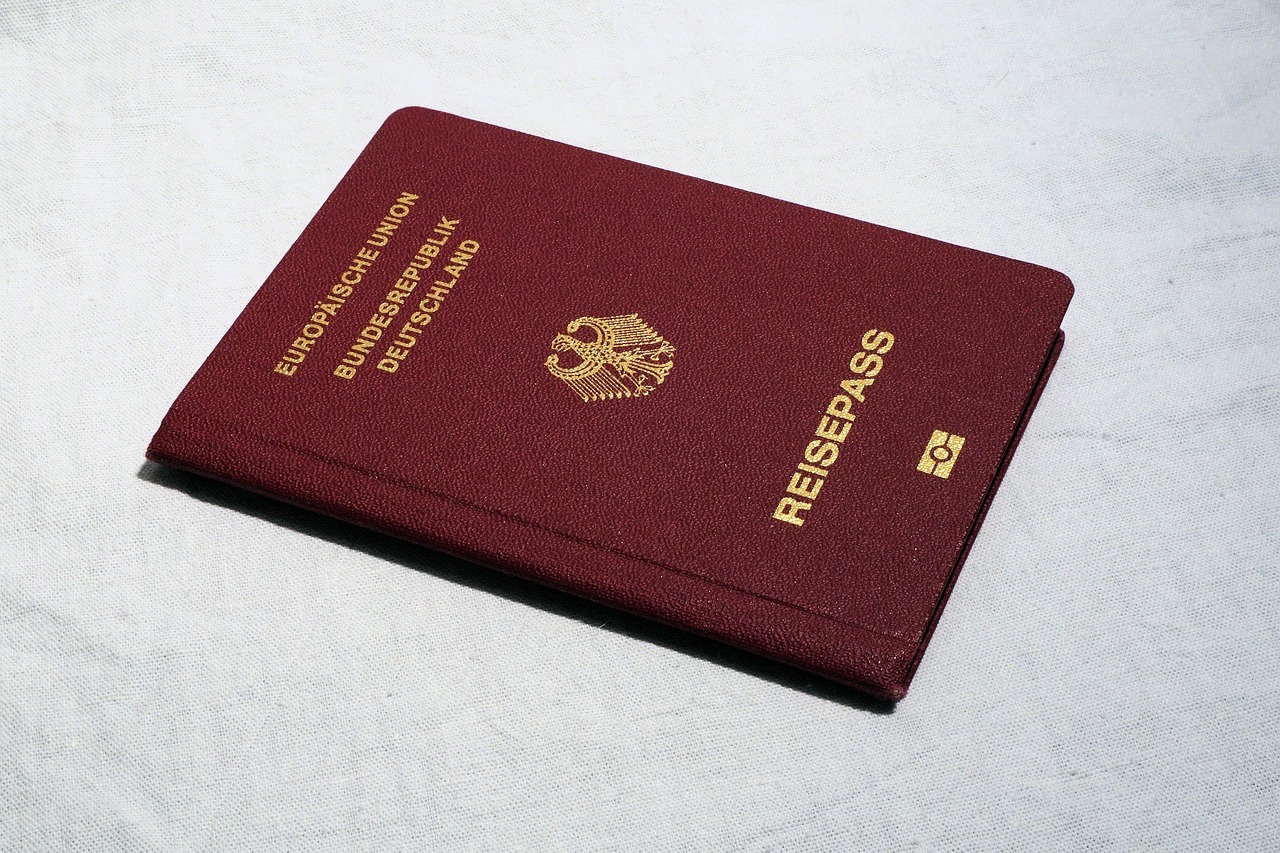\n*What does brazilian law actually grant a sri lankan citizen? — foto: webandi*\n\n| Item | Approximate cost (BRL) | Approximate cost (USD) |\n| --- | --- | --- |\n| Consular visa fee (Colombo) | Varies by category | US$ 100-160 |\n| Federal Police registration (GRU) | R$ 204.77 | ≈ US$ 38 |\n| CRNM card issuance (GRU) | R$ 168.13 | ≈ US$ 31 |\n| Sworn translation (per page) | R$ 90-130 | ≈ US$ 17-24 |\n| Naturalisation request fee | ≈ R$ 102 | ≈ US$ 19 |\n| Brazilian passport | R$ 334.42 | ≈ US$ 62 |\n\nDocuments you will need in almost every category: valid Sri Lankan passport, birth certificate, marriage certificate if applicable, police clearance certificate from Sri Lanka and from every country where you lived in the last five years, proof of address in Brazil, and a sworn declaration of no criminal record. Everything issued abroad needs apostille or consular legalisation plus translation by a *tradutor público juramentado* (sworn public translator registered with a Brazilian commercial board).\n\n**Warning:** Confirm the current legalisation route for Sri Lankan documents with the Brazilian Embassy before paying anything. Whether your birth certificate needs an apostille or full consular legalisation has changed in recent years, and a document legalised the wrong way is simply rejected, costing you two to three months.\n\n\n## What Changed in 2026, and Why Does Transit Matter So Much?\n\nThe biggest 2026 change is operational, not legislative: residence and naturalisation files now move almost entirely through gov.br digital workflows, cutting decision times from the legal maximum of 180 days to real averages of 30-90 days. In parallel, transit rules at Brazilian hubs tightened for nationals of visa-required countries, which directly affects Sri Lankans.\n\nSri Lanka is not on Brazil’s visa-waiver list and is not a Mercosur member or associate. This means a Sri Lankan passport holder needs a visa for every entry, and in most cases also for airport connections through São Paulo/Guarulhos or Rio/Galeão. Passengers have been denied boarding in Colombo or Doha because they held only an onward ticket and assumed transit was free.\n\n**Important:** Before buying any ticket routed through Brazil, confirm the transit requirement in writing with the Brazilian mission. A boarding refusal is not just an inconvenience; it creates a record that consulates can see when you later apply for a residence visa.\n\nThe second 2026 development is consolidation rather than reform. Normative ordinances issued by the Ministry of Justice have clarified the documentary standards for investment, remote work and family reunion residence. The philosophy of the system, stated in the Migration Law itself, remains *acolhida humanitária* (humanitarian reception) combined with economic development. That is genuinely favourable to applicants who present complete files. It is unforgiving to applicants who improvise.\n\n\n## When Does the Rule Not Save You? The Cases Where Residency Is Silently Lost\n\nResidency is lost most often not by refusal but by lapse. Under the Migration Law and Decree 9.199/2017, residence may be cancelled if the holder is absent from Brazil for more than two years without justification, if the basis of the residence ends, or if the CRNM expires and is not renewed. None of these produce a warning letter.\n\nHere is where Sri Lankan applicants lose years without knowing it:\n\n- **The expired card.** You renewed eight months late. You were physically in Brazil the whole time, but you were not *legally resident* for those eight months. The Ministry of Justice may treat your four-year count as broken and restarted.\n- **The category that ended.** Student residence ends with the course. If you graduate in March and only apply for a work-based residence in September, there is a hole in your timeline.\n- **The employment that ended.** Employer-sponsored residence is tied to that employer. Resigning without immediately changing category can invalidate the basis of your stay.\n- **Long absences.** Two years abroad, or repeated long absences that suggest you are not actually residing in Brazil, invite cancellation.\n- **The abandoned refugee claim.** A protection request filed with CONARE (the National Committee for Refugees) and then dropped leaves a permanent record. A rejected or abandoned claim complicates every later residence and naturalisation application. Refuge is a genuine protection mechanism for people at real risk; it is not an immigration shortcut, and using it as one is the most damaging mistake in this entire field.\n- **Criminal conviction.** A final conviction in Brazil or abroad, depending on severity, blocks naturalisation entirely.\n\n**Practical example:** A Sri Lankan software engineer arrived in 2021 on a work-based residence, changed employers in 2023 and let three months pass before regularising. In 2026 he applied for naturalisation counting five years. The Ministry counted from the 2023 regularisation, not from 2021. He was told to come back in 2027. Nothing illegal happened to him. He simply lost two years because nobody explained that the count is of *legal residence*, not of time in the country.\n\n[\n\n\n\n](https://www.ribeirocavalcante.com.br/web-stories/brazil-residency-sri-lankans-passport-4-years/)\n\n⚡ Web Story\n[Brazil Residency for Sri Lankans: Passport in 4 Years](https://www.ribeirocavalcante.com.br/web-stories/brazil-residency-sri-lankans-passport-4-years/)\n[Ver história visual ›](https://www.ribeirocavalcante.com.br/web-stories/brazil-residency-sri-lankans-passport-4-years/)\n\n\n\n## What Is the Government’s Strongest Argument Against You?\n\nThe strongest official position is this: naturalisation is a sovereign act, not an automatic entitlement, and the four-year requirement in the Migration Law refers to *residence* as a legal status, not to physical presence. On that reading, any period where your card was expired or your category had lapsed is simply not residence, and it cannot be counted.\n\nThat argument is serious and it wins more often than applicants expect. The State is not obliged to reward someone who stayed in the country while out of status, and the whole architecture of the National Migratory Registry exists precisely to record who holds a valid authorisation on any given day. Administrative authorities are not being hostile when they apply it. They are applying the statute.\n\nSo how do you answer it? Three ways, in order of strength.\n\n- **The protocol defence.** If you filed the renewal before expiry, the protocol receipt keeps you regular even while the card is being reissued. Administrative delay by the government is not attributable to you. This is the cleanest and most successful argument, and it is why the filing date matters more than the card date.\n- **The proportionality defence.** The Migration Law expressly rejects the criminalisation of migration and requires proportionality in sanctions. A short administrative lapse, promptly cured and accompanied by a fine payment, is not the same as unlawful residence. Brazilian courts have repeatedly refused to convert minor administrative irregularities into permanent exclusions.\n- **The family and constitutional defence.** Where a Brazilian child or spouse exists, the constitutional protection of the family and the child’s best interest weigh heavily against cancellation, and they also unlock the one-year naturalisation reduction.\n\nNote the pattern. Every one of these defences depends on documents you either kept or did not keep. That is the honest answer to why so many people lose this right without knowing it: the right survives, but the evidence does not.\n\nApplicants from other visa-required countries face exactly the same structure, and the comparisons are useful. See how the same logic plays out in our guides on [Brazil residency for Syrian nationals](https://www.ribeirocavalcante.com.br/brazil-residency-for-syrians-2026/) and [the R$ 150,000 investment route for Algerian applicants](https://www.ribeirocavalcante.com.br/brazil-residency-for-algerians-2026/).\n\n\n## Frequently Asked Questions About Brazil Residency for Sri Lankan Citizens\n\n\n### Can a Sri Lankan citizen enter Brazil without a visa?\n\nNo. Sri Lanka is not on Brazil’s visa-exemption list, so a visa is required for tourism, business, study, work and, in most routings, for airport transit through Guarulhos or Galeão. There is no on-arrival visa. Airlines check this at check-in in Colombo or at your connecting hub, and a boarding refusal is recorded. Always confirm the transit requirement directly with the Brazilian mission accredited to Sri Lanka before booking, especially if your itinerary connects through Brazil to another destination.\n\n\n*What does brazilian law actually grant a sri lankan citizen? — foto: www. Kaboompics. Com*\n\n\n### How long until a Sri Lankan can get a Brazilian passport?\n\nFour years of legal, uninterrupted residence for ordinary naturalisation, reduced to one year if you have a Brazilian spouse or a Brazilian child. After you file, the Ministry of Justice has a legal ceiling of 180 days for complex cases, but digital-flow averages in 2026 have been 30-90 days for complete files. Add a few weeks after publication in the Official Gazette for the Brazilian ID and then the passport application with the Federal Police.\n\n\n### Do I have to give up Sri Lankan citizenship?\n\nBrazil does not require you to renounce your original nationality to naturalise. Whether you may keep Sri Lankan citizenship is a question of Sri Lankan law, not Brazilian law, and Sri Lanka has historically restricted dual nationality while allowing formal resumption applications. Check with the Sri Lankan Department of Immigration and Emigration before you take the Brazilian oath. From Brazil’s side, holding two passports creates no problem for your CRNM, your CPF or your naturalisation file.\n\n\n### Do I need to speak Portuguese to naturalise?\n\nYes. The Migration Law requires the applicant to communicate in Portuguese, considering their circumstances. In practice this is proven with a CELPE-Bras certificate, a diploma from a Brazilian institution, or an assessment during the process. The level required is functional, not academic: you must be able to understand and be understood. Applicants with disabilities are entitled to adapted assessment. Start studying at least a year before you intend to file, because certificate exam dates are limited.\n\n\n### Can my family come with me?\n\nYes. Family reunion residence covers spouses, stable partners, children, and dependent parents, and it is one of the categories expressly protected by the Migration Law. Your dependants receive their own CRNM and their own residence period, which counts towards their own future naturalisation. Marriage and birth certificates issued in Sri Lanka must be legalised or apostilled, sworn-translated, and in some cases registered at a Brazilian cartório (notary office) before the Federal Police will accept them.\n\n\n### What happens if my CRNM already expired?\n\nDo not leave the country and do not wait. Late registration or renewal triggers a daily fine set by the Federal Police, capped by regulation, and the fine is payable by GRU. The real damage is not financial, it is the break in your residence count. Regularise immediately, keep the payment receipt, and document the reason for the delay. A cured lapse with evidence is defensible; an uncured one, discovered four years later during naturalisation, usually is not.\n\n\n## Plan Your Brazil Residency and Passport Route with a Bilingual Brazilian Lawyer\n\nMost Sri Lankan clients who reach us are not asking whether Brazil is possible. They are asking whether the last three or four years still count. That question has a documentary answer, and it is usually recoverable if you address it before you file, not after a decision lands.\n\nOur team is registered with the OAB (Brazilian Bar Association) and works in English and Portuguese with clients across Asia and the Middle East, from visa strategy in Colombo through CRNM registration, renewals, company formation and the naturalisation file itself.\n\nConcrete next step: gather three things before you contact anyone. Your passport pages showing every Brazilian entry and exit stamp, every CRNM or protocol you have ever held with its dates, and proof of the current basis of your stay (employment contract, enrolment, company documents or family certificate). With those three items, a lawyer can tell you in a single consultation exactly which date your four-year count started, and what you need to do this month to keep it running.\n\nSend those documents and we will map your timeline to a Brazilian passport.\n\nTalk to a specialist lawyer now\n[ Talk to a Lawyer on WhatsApp](https://www.ribeirocavalcante.com.br/ads/wpp.html)",
"content_hash": {
"algo": "sha256",
"scope": "content_markdown",
"value": "0b6bb6f2dd4e452d3c840276127cf1984a405aa29d636312b01f9be48b021f69"
},
"date_published": "2026-07-27T13:39:50-03:00",
"date_modified": "2026-07-27T13:39:50-03:00",
"author": {
"name": "Lucas Ribeiro Cavalcante",
"url": "https://www.ribeirocavalcante.com.br/autor/lucas/"
},
"canonical_url": "https://www.ribeirocavalcante.com.br/brazil-residency-for-sri-lankans-2026/",
"json_url": "https://www.ribeirocavalcante.com.br/brazil-residency-for-sri-lankans-2026.json",
"word_count": 3197,
"reading_time": 16,
"robots": {
"index": true,
"follow": true
},
"license": {
"name": "CC BY-NC-ND 4.0",
"url": "https://creativecommons.org/licenses/by-nc-nd/4.0/deed.pt-br",
"notice": "Conteúdo protegido. Cite a fonte com link para a URL canônica. Reprodução integral proibida."
},
"publisher": {
"name": "Ribeiro Cavalcante Advocacia",
"url": "https://www.ribeirocavalcante.com.br/"
},
"publisher_ref": "https://www.ribeirocavalcante.com.br/org.json",
"language": "pt-BR",
"site": "Ribeiro Cavalcante Advocacia",
"categories": [
{
"id": 4609,
"name": "Immigration Law",
"slug": "immigration-law",
"url": "https://www.ribeirocavalcante.com.br/english/immigration-law/"
}
],
"tags": [
{
"id": 7019,
"name": "brazil investor visa requirements",
"slug": "brazil-investor-visa-requirements",
"url": "https://www.ribeirocavalcante.com.br/tag/brazil-investor-visa-requirements/"
},
{
"id": 7975,
"name": "brazil residency for sri lankans",
"slug": "brazil-residency-for-sri-lankans",
"url": "https://www.ribeirocavalcante.com.br/tag/brazil-residency-for-sri-lankans/"
},
{
"id": 7976,
"name": "brazil visa for sri lankan citizens",
"slug": "brazil-visa-for-sri-lankan-citizens",
"url": "https://www.ribeirocavalcante.com.br/tag/brazil-visa-for-sri-lankan-citizens/"
},
{
"id": 7974,
"name": "brazil-residency-and-passport-planning-for-sri-lankan-citizens",
"slug": "brazil-residency-and-passport-planning-for-sri-lankan-citizens",
"url": "https://www.ribeirocavalcante.com.br/tag/brazil-residency-and-passport-planning-for-sri-lankan-citizens/"
},
{
"id": 5147,
"name": "brazilian citizenship after 4 years",
"slug": "brazilian-citizenship-after-4-years",
"url": "https://www.ribeirocavalcante.com.br/tag/brazilian-citizenship-after-4-years/"
},
{
"id": 7977,
"name": "crnm card brazil foreigner",
"slug": "crnm-card-brazil-foreigner",
"url": "https://www.ribeirocavalcante.com.br/tag/crnm-card-brazil-foreigner/"
}
],
"featured_image": {
"url": "https://cdn.ribeirocavalcante.com.br/2026/07/brazil-residency-and-passport-planning-for-sri-lankan-citizens-483913-1785170432.webp",
"width": 1400,
"height": 788,
"alt": "Imagem representando Brazil Residency and Passport Planning for Sri Lankan Citizens — Ribeiro Cavalcante Advocacia"
},
"faq": [
{
"question": "Can Sri Lankan citizens get residency in Brazil?",
"answer": "Yes. Brazil residency for Sri Lankans is granted under Law 13.445/2017, but only through a defined category such as investment, employment, family reunion, study, retirement or digital nomad status."
},
{
"question": "Do Sri Lankans need a visa to enter Brazil?",
"answer": "Yes. Sri Lankan nationals have no visa-free entry to Brazil and must obtain a visa at a Brazilian consulate or embassy before travelling."
},
{
"question": "How long until a Sri Lankan can get a Brazilian passport?",
"answer": "Four years of legal, registered residence is the ordinary rule, plus Portuguese language ability and no disqualifying criminal record. Marriage to a Brazilian or a Brazilian child can shorten this to one year."
},
{
"question": "What is the CRNM card and why does it matter?",
"answer": "The CRNM (Carteira de Registro Nacional Migratório) is your resident ID card in Brazil. It proves your legal status and lets you get a CPF, open a bank account and use SUS public healthcare."
},
{
"question": "Can time abroad break Brazil residency for Sri Lankans?",
"answer": "Yes. Long absences or an expired CRNM can interrupt or cancel your residence, resetting the four-year naturalisation clock without any official warning."
}
],
"table_of_contents": [
{
"level": 2,
"text": "What Does Brazilian Law Actually Grant a Sri Lankan Citizen?",
"anchor": "what-does-brazilian-law-actually-grant-a-sri-lankan-citizen"
},
{
"level": 2,
"text": "Which Residency Categories Are Realistic for Sri Lankan Applicants?",
"anchor": "which-residency-categories-are-realistic-for-sri-lankan-applicants"
},
{
"level": 2,
"text": "How Does the Passport Timeline Work, Step by Step?",
"anchor": "how-does-the-passport-timeline-work-step-by-step"
},
{
"level": 2,
"text": "What Do the Documents and Fees Actually Cost in 2026?",
"anchor": "what-do-the-documents-and-fees-actually-cost-in-2026"
},
{
"level": 2,
"text": "What Changed in 2026, and Why Does Transit Matter So Much?",
"anchor": "what-changed-in-2026-and-why-does-transit-matter-so-much"
},
{
"level": 2,
"text": "When Does the Rule Not Save You? The Cases Where Residency Is Silently Lost",
"anchor": "when-does-the-rule-not-save-you-the-cases-where-residency-is-silently-lost"
},
{
"level": 2,
"text": "What Is the Government’s Strongest Argument Against You?",
"anchor": "what-is-the-governments-strongest-argument-against-you"
},
{
"level": 2,
"text": "Frequently Asked Questions About Brazil Residency for Sri Lankan Citizens",
"anchor": "frequently-asked-questions-about-brazil-residency-for-sri-lankan-citizens"
},
{
"level": 3,
"text": "Can a Sri Lankan citizen enter Brazil without a visa?",
"anchor": "can-a-sri-lankan-citizen-enter-brazil-without-a-visa"
},
{
"level": 3,
"text": "How long until a Sri Lankan can get a Brazilian passport?",
"anchor": "how-long-until-a-sri-lankan-can-get-a-brazilian-passport"
},
{
"level": 3,
"text": "Do I have to give up Sri Lankan citizenship?",
"anchor": "do-i-have-to-give-up-sri-lankan-citizenship"
},
{
"level": 3,
"text": "Do I need to speak Portuguese to naturalise?",
"anchor": "do-i-need-to-speak-portuguese-to-naturalise"
},
{
"level": 3,
"text": "Can my family come with me?",
"anchor": "can-my-family-come-with-me"
},
{
"level": 3,
"text": "What happens if my CRNM already expired?",
"anchor": "what-happens-if-my-crnm-already-expired"
},
{
"level": 2,
"text": "Plan Your Brazil Residency and Passport Route with a Bilingual Brazilian Lawyer",
"anchor": "plan-your-brazil-residency-and-passport-route-with-a-bilingual-brazilian-lawyer"
}
],
"internal_links": [
{
"anchor_text": "Investor Visa Brazil: Requirements and Costs 2026",
"url": "https://www.ribeirocavalcante.com.br/investor-visa-brazil-saudi-2026/"
},
{
"anchor_text": "How to Fight Deportation in Brazil 2026: Legal Guide",
"url": "https://www.ribeirocavalcante.com.br/fight-deportation-in-brazil-2026/"
},
{
"anchor_text": "Brazil citizenship by investment and the R$ 500,000 path",
"url": "https://www.ribeirocavalcante.com.br/brazil-citizenship-by-investment-2026/"
},
{
"anchor_text": "the Brazil investor visa route to a passport",
"url": "https://www.ribeirocavalcante.com.br/brazil-investor-visa-jordanians-2026/"
},
{
"anchor_text": "Brazil Residency for Sri Lankans: Passport in 4 Years",
"url": "https://www.ribeirocavalcante.com.br/web-stories/brazil-residency-sri-lankans-passport-4-years/"
},
{
"anchor_text": "Brazil residency for Syrian nationals",
"url": "https://www.ribeirocavalcante.com.br/brazil-residency-for-syrians-2026/"
},
{
"anchor_text": "the R$ 150,000 investment route for Algerian applicants",
"url": "https://www.ribeirocavalcante.com.br/brazil-residency-for-algerians-2026/"
}
],
"cta": [
{
"label": "Talk to a Lawyer on WhatsApp",
"url": "https://www.ribeirocavalcante.com.br/ads/wpp.html",
"type": "whatsapp"
}
],
"legal_basis": [
{
"title": "official Planalto legislation portal",
"url": "https://www.planalto.gov.br/ccivil_03/_ato2015-2018/2017/lei/l13445.htm"
}
],
"external_references": [
{
"title": "fiscal address in Brazil",
"url": "https://address.ribeirocavalcante.com.br/"
},
{
"title": "Itamaraty consular portal",
"url": "https://www.gov.br/mre/pt-br/consulado"
}
],
"related_posts": [
{
"title": "Brazil Citizenship by Investment: R$500k Path, 4 Years",
"url": "https://www.ribeirocavalcante.com.br/brazil-citizenship-by-investment-2026/",
"json_url": "https://www.ribeirocavalcante.com.br/brazil-citizenship-by-investment-2026.json",
"relationship": "cluster"
},
{
"title": "Brazil Investor Visa for Vietnamese Owners: R$500k Rules",
"url": "https://www.ribeirocavalcante.com.br/brazil-investor-visa-vietnamese-business-owners-2026/",
"json_url": "https://www.ribeirocavalcante.com.br/brazil-investor-visa-vietnamese-business-owners-2026.json",
"relationship": "cluster"
},
{
"title": "Brazil Residency for Algerians: Invest R$150,000 in 2026",
"url": "https://www.ribeirocavalcante.com.br/brazil-residency-for-algerians-2026/",
"json_url": "https://www.ribeirocavalcante.com.br/brazil-residency-for-algerians-2026.json",
"relationship": "cluster"
},
{
"title": "Brazil Investor Visa 2026: R$500,000 Path to Passport",
"url": "https://www.ribeirocavalcante.com.br/brazil-investor-visa-jordanians-2026/",
"json_url": "https://www.ribeirocavalcante.com.br/brazil-investor-visa-jordanians-2026.json",
"relationship": "cluster"
},
{
"title": "Brazil Residency for Syrians: Visas & Costs 2026",
"url": "https://www.ribeirocavalcante.com.br/brazil-residency-for-syrians-2026/",
"json_url": "https://www.ribeirocavalcante.com.br/brazil-residency-for-syrians-2026.json",
"relationship": "cluster"
}
]
}