{
"schema_version": "1.1",
"id": 200146,
"slug": "extraordinary-naturalization-brazil-15-years-2026",
"title": "Extraordinary Naturalization Brazil: 15-Year Right Explained",
"excerpt": "Extraordinary naturalization Brazil lets foreigners claim citizenship after 15+ years with no language test. See what documents you must prove in 2026.",
"content_primary": "markdown",
"available_formats": [
"markdown"
],
"content_markdown": "Fifteen years is a long time. You’ve paid taxes, raised children, built a business, survived bureaucracy — and maybe even learned to love the cartório (notary office). Yet your Brazilian citizenship still feels out of reach, buried under a pile of documents you’re not sure how to gather.\n\nHere’s the good news: if you’ve lived in Brazil continuously for more than 15 years without a criminal conviction, the Brazilian Constitution itself guarantees you the right to citizenship. This is called **Extraordinary Naturalization** (*Naturalização Extraordinária*) — and unlike the ordinary path, it does not require you to prove Portuguese language proficiency, pass an exam, or demonstrate a specific income level.\n\nLeia também:\n[Technical Assistance Visa Brazil 2026: New Simplified Rules](https://www.ribeirocavalcante.com.br/technical-assistance-visa-brazil-2026/)\n\nWhat it does require is solid proof. Proving 15+ years of uninterrupted residency to the satisfaction of Brazilian authorities is where most applications succeed or fail. This article walks you through exactly what counts as proof, what documents to gather, how the process works in 2026, and what traps to avoid. No generic naturalization overview — just the extraordinary track, in full detail.\n\n\n## What Is Extraordinary Naturalization in Brazil?\n\nExtraordinary naturalization is a constitutional right established under [Article 12, II, “b” of the Federal Constitution of 1988\r\n\r\n](https://www.planalto.gov.br/ccivil_03/constituicao/constituicao.htm). Any foreigner of any nationality who has resided in Brazil for more than 15 uninterrupted years and has no criminal convictions is entitled to Brazilian citizenship — no language test, no income requirement, no cultural integration exam. The law is explicit: this is a right, not a discretionary grant.\n\nThe statutory framework is further detailed in [Article 67 of the Migration Law (Lei nº 13.445/2017)](https://www.planalto.gov.br/ccivil_03/_ato2015-2018/2017/lei/l13445.htm) and regulated by Decree nº 9.199/2017. Together, these texts define what “uninterrupted residency” means, what documents satisfy the burden of proof, and how the Ministry of Justice processes the application.\n\nLeia também:\n[When Can You Be Deported from Brazil? 2026 Legal Grounds](https://www.ribeirocavalcante.com.br/when-can-you-be-deported-from-brazil-2026/)\n\nThe key distinction from ordinary naturalization is philosophical. Ordinary naturalization is a privilege the state may grant. Extraordinary naturalization is a right you claim — provided you can prove you’ve earned it through 15 years of life in Brazil.\n\nOnce granted, you receive full Brazilian citizenship: a Brazilian passport, voting rights, access to constitutional protections, and the right to hold most public offices. The only restriction that remains for naturalized citizens (as opposed to native-born Brazilians) is that certain exclusive positions — such as President of the Republic, President of the Senate, and a handful of others — are reserved for those born in Brazil.\n\n\n## Who Qualifies for Extraordinary Naturalization?\n\nUnder Article 67 of the Migration Law and Article 12 of the Constitution, you qualify for extraordinary naturalization if you meet three cumulative requirements: more than 15 years of uninterrupted residency in Brazil, civil legal capacity (you are an adult who can enter into legal acts), and no criminal convictions in Brazil or abroad. Refugees also qualify under the same framework.\n\n\n### The Three Core Requirements: Extraordinary naturalization brazil\n\n- **15+ years of uninterrupted residency in Brazil** — Your primary, permanent domicile must have been Brazil for more than 15 consecutive years. Temporary trips abroad (vacations, family visits, business travel) do not break continuity, as long as Brazil remained your habitual residence.\n- **Civil capacity** — You must be of legal age (18 years or older) and legally capable of entering into civil acts under Brazilian law.\n- **No criminal convictions** — You must have no criminal convictions in Brazil. Foreign criminal records may also be considered. If you have a prior conviction but have fully served your sentence and been rehabilitated under Brazilian law, you may still qualify — but this requires careful legal analysis.\n\n\n### Who Is NOT Required to Prove: Extraordinary naturalization brazil\n\n- Portuguese language proficiency (no test required)\n- A minimum income or financial self-sufficiency\n- Employment or professional activity in Brazil\n- Ownership of property in Brazil\n- Specific immigration status throughout the entire 15-year period (though legal residency strengthens your case significantly)\n\nRefugees recognized under Brazilian law are also eligible for extraordinary naturalization under the same 15-year framework. If you hold refugee status and have lived in Brazil for over 15 years, the process is essentially identical — though your documentation set will differ slightly.\n\n\n## What Does “Uninterrupted Residency” Actually Mean?\n\nUnder Decree nº 9.199/2017 (Article 224), “uninterrupted residency” does not mean you can never leave Brazil. Temporary absences — vacations, medical treatment abroad, family emergencies, or short business trips — do not reset your 15-year clock, provided Brazil was always your primary, permanent domicile. The key legal concept is *domicílio habitual* (habitual domicile), not physical presence every single day.\n\nHowever, the Ministry of Justice will scrutinize your travel history. Long absences — particularly periods of 6 months or more — raise red flags. If you spent 18 months working in another country and only returned to Brazil occasionally, that period may be challenged as an interruption.\n\n\n### What Can Break Continuity?\n\n- Formally canceling your Brazilian residency registration and reapplying later\n- Spending extended periods abroad with no evidence of maintaining Brazilian ties (lease, utilities, bank accounts, tax filings)\n- Voluntarily abandoning your CRNM (National Immigration Registration Card) and re-entering Brazil as a tourist\n- Gaps in your immigration record that suggest you were not legally residing in Brazil\n\nIf your travel history is complex — perhaps you spent a year abroad for work or family reasons — you should consult a Brazilian immigration lawyer before applying. A well-structured legal argument, supported by evidence of maintained ties to Brazil, can often overcome gaps that might otherwise derail your application. Our article on [Permanent Residency in Brazil: 4-Year Rule Explained](https://www.ribeirocavalcante.com.br/permanent-residency-brazil-requirements-2026/) covers how residency continuity is assessed, which is directly relevant here.\n\n\n## What Documents Do You Need to Prove 15+ Years of Residency?\n\nThis is the heart of the extraordinary naturalization application. The Ministry of Justice requires a comprehensive documentary record showing that Brazil has been your home for over 15 years. No single document is sufficient — the stronger your file, the faster and smoother your approval. The Federal Police and Ministry of Justice assess the totality of evidence presented.\n\n\n### Identity and Immigration Documents\n\n- **CRNM** (Carteira de Registro Nacional Migratório — National Immigration Registration Card): Your primary proof of legal residency. If it has expired, renew it before applying. The 2026 renewal fee, according to the Federal Police, is **R$ 204.77** (approximately USD 38 / €35). See our full guide on [CRNM Registration in 2026](https://www.ribeirocavalcante.com.br/crnm-registration-2026/) for the renewal process.\n- **Valid passport** from your country of origin, plus all previous passports covering the 15-year period (to verify your travel history)\n- **RG** (Registro Geral — Brazilian ID card) if you already hold one\n- Birth certificate from your country of origin — must be apostilled and translated by a sworn translator (*tradutor juramentado*) registered with the Commercial Registry (*Junta Comercial*). Sworn translation costs typically range from **R$ 100 to R$ 250 per page**, depending on the state.\n\n\n### Proof of Continuous Residency (the Critical Layer)\n\n- Lease agreements or property deeds covering the 15-year period\n- Utility bills (electricity, water, gas, internet) in your name — ideally spanning multiple years\n- Brazilian bank statements from accounts held over the 15-year period\n- CPF (Cadastro de Pessoas Físicas — Brazilian tax ID) registration history and annual income tax returns (*declarações de IRPF*) filed with the Receita Federal (Brazilian IRS)\n- Employment contracts, payslips, or business registration documents (*CNPJ*) in Brazil\n- School enrollment records for you or your children in Brazilian institutions\n- Health insurance records, SUS (public health system) registration, or medical records from Brazilian providers\n- Vehicle registration (*CRLV*) in your name in Brazil\n\n\n### Criminal Record Certificates\n\n- **Brazilian criminal record certificate** from the Federal Police (*Polícia Federal*) — obtained via the [Federal Police portal (gov.br)](https://www.gov.br/pf/pt-br)\n- **Foreign criminal record certificate** from your country of origin or countries where you have resided — must be apostilled and sworn-translated\n- State-level criminal record certificates from Brazilian states where you have lived, if applicable\n\n\n### Additional Documents for Specific Situations\n\n- If you are a refugee: your refugee recognition certificate (*protocolo de refúgio* or *cédula de identidade de refugiado*)\n- If you have a Brazilian spouse or children: marriage certificate or children’s birth certificates (Brazilian civil registry)\n- If you have gaps in your residency record: sworn affidavits, witness declarations, or any additional evidence of maintained ties to Brazil during those periods\n\n\n## Step-by-Step: How to Apply for Extraordinary Naturalization in 2026\n\nThe application process for extraordinary naturalization is initiated digitally through the gov.br portal and must be completed in Brazil — you cannot apply from abroad. According to the Migration Law, the Ministry of Justice has up to 180 days to issue a decision once the application is complete. In practice, processing times in 2026 range from 6 to 18 months, depending on the complexity of your file and current backlogs.\n\n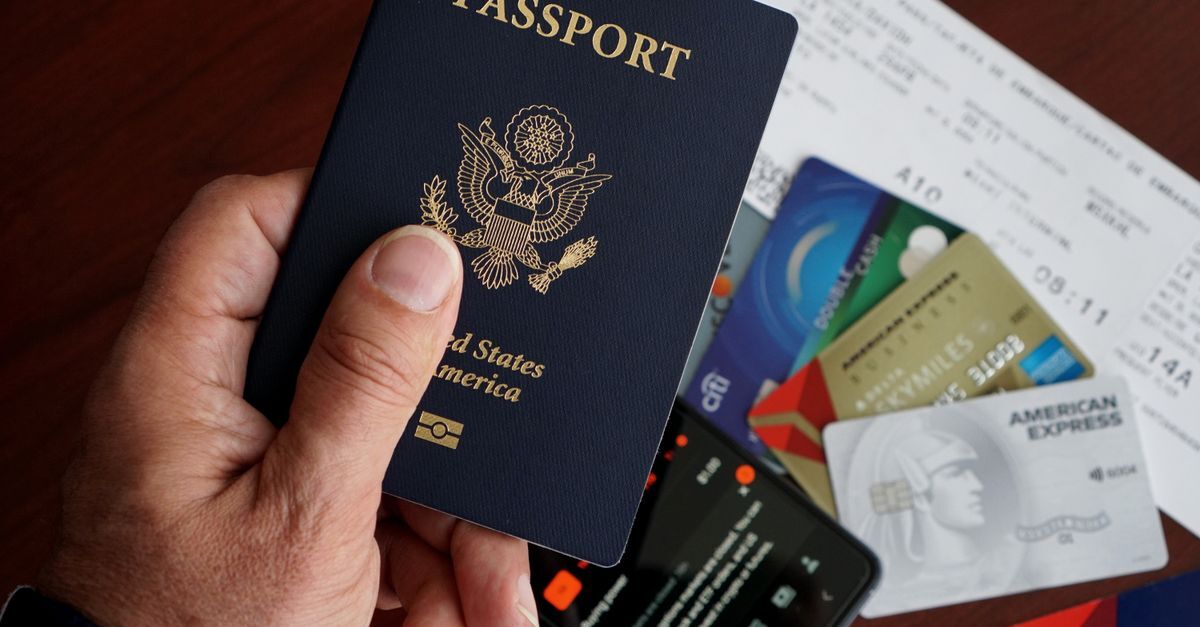\n*What is extraordinary naturalization in brazil? — foto: dλvξ gλrciλ*\n\n\n### Step 1: Gather and Authenticate Your Documents\n\nBefore you open any government portal, assemble your full document file. Foreign documents must be apostilled in their country of origin under the Hague Convention. All foreign-language documents must be translated by a sworn translator (*tradutor juramentado*) registered with the *Junta Comercial* (Commercial Registry) of a Brazilian state. Do not use uncertified translations — they will be rejected.\n\n\n### Step 2: Obtain Your Criminal Record Certificates\n\nRequest your Brazilian criminal record certificate through the Federal Police portal. Also obtain the equivalent certificate from your home country. If your home country requires an apostille on criminal record certificates, do this before shipping documents to Brazil.\n\n\n### Step 3: Submit Your Application via the Gov.br Portal\n\nLog into your [gov.br account](https://www.gov.br) and navigate to the naturalization services section. Complete the online application form for extraordinary naturalization. Upload scanned copies of all required documents. The application fee for naturalization is **free of charge** — there is no government fee to submit the application itself, per the Federal Police’s current fee schedule.\n\n\n### Step 4: In-Person Appointment at the Federal Police\n\nAfter submitting online, you will be scheduled for an in-person appointment at a Federal Police (*Polícia Federal*) precinct in Brazil. Bring all original documents and copies. The officer will verify your biometrics, review your file, and formally register your application. This step cannot be skipped or done remotely.\n\n\n### Step 5: Ministry of Justice Review\n\nYour file is forwarded to the Ministry of Justice (*Ministério da Justiça e Segurança Pública*), which conducts a substantive review of your residency evidence and criminal record. They may request additional documents during this phase. Respond promptly — delays in responding to requests can significantly extend your processing time.\n\n\n### Step 6: Publication in the Official Gazette\n\nIf approved, your naturalization is published in the *Diário Oficial da União* (DOU — Federal Official Gazette). This publication is the legal act that confers Brazilian citizenship. After publication, you can apply for your Brazilian passport and CPF update.\n\n\n## Costs and Realistic Timelines in 2026\n\nThe government application fee for extraordinary naturalization is zero — the process is officially free of charge per the Federal Police fee schedule. However, the total out-of-pocket cost to prepare a complete application file typically ranges from R$ 500 to R$ 2,500 (approximately USD 95–475 / €88–440), depending on how many foreign documents need apostilling and sworn translation.\n\n| Cost Item | Estimated Cost (BRL) | Approx. USD / EUR |\n| --- | --- | --- |\n| Government application fee | R$ 0 (free) | Free |\n| CRNM renewal (if expired) — per Federal Police 2026 | R$ 204.77 | ~USD 38 / €35 |\n| Sworn translation per page — varies by state | R$ 100–250/page | ~USD 19–47/page |\n| Apostille per foreign document — varies by country | Varies (country of origin) | USD 20–100 (typical) |\n| Brazilian notary authentication (cartório) per document | R$ 40–120 | ~USD 8–23 |\n| Criminal record certificate (Brazil) — Federal Police | R$ 0 (free online) | Free |\n| Legal assistance (recommended) | Varies by firm | Consult for quote |\n\nOn timelines: the Migration Law sets a 180-day statutory deadline for the Ministry of Justice to decide. In practice, straightforward files with strong documentation are often resolved within 8–12 months. Complex files — with travel history gaps, prior legal issues, or missing documents — can take 18 months or longer. Brazilian bureaucracy is real; build a buffer into your expectations.\n\n[\n\n\n\n](https://www.ribeirocavalcante.com.br/web-stories/extraordinary-naturalization-brazil-15-years-2026/)\n\n⚡ Web Story\n[Extraordinary Naturalization Brazil: 15-Year Right](https://www.ribeirocavalcante.com.br/web-stories/extraordinary-naturalization-brazil-15-years-2026/)\n[Ver história visual ›](https://www.ribeirocavalcante.com.br/web-stories/extraordinary-naturalization-brazil-15-years-2026/)\n\n\n\n## What Changed for Extraordinary Naturalization in 2026?\n\nThe core legal requirements for extraordinary naturalization have not changed since the Migration Law (Lei nº 13.445/2017) was enacted — the 15-year threshold and clean record requirement remain identical. However, 2026 brought meaningful procedural updates that affect how you apply and what to expect.\n\n\n### Digital-First Application Process\n\nThe Ministry of Justice has continued expanding the gov.br digital portal for immigration services. In 2026, the initial submission of naturalization applications — including extraordinary naturalization — is fully online. This reduces the number of in-person visits required, though the biometrics appointment at the Federal Police remains mandatory.\n\n\n### Stricter Document Verification\n\nAuthorities have tightened scrutiny on residency proof documents. Bank statements and lease agreements that are not consistent with each other — for example, showing a São Paulo address on a lease but a Recife address on utility bills — will trigger requests for clarification. Consistency across your document file is more important than ever.\n\n\n*Who qualifies for extraordinary naturalization? — foto: daniel dan*\n\n\n### Processing Backlogs\n\nThe number of naturalization applications has increased significantly in recent years, contributing to processing delays at the Ministry of Justice. If you are close to the 15-year mark, begin gathering documents now — do not wait until you hit the exact threshold. Having a complete, well-organized file ready to submit the moment you qualify is the best way to minimize your total wait time.\n\nIf you are still building toward your 15-year mark and need to understand your current residency status, our guide on [Residency Visas in Brazil in 2026](https://www.ribeirocavalcante.com.br/residency-visa-in-brazil-2026/) covers the legal framework for maintaining legal residency in the interim.\n\n\n## Extraordinary vs. Ordinary Naturalization: Which Path Is Right for You?\n\nExtraordinary naturalization requires 15+ years of residency but has no language test, no income requirement, and no cultural integration exam — it is the most accessible path for long-term residents. Ordinary naturalization requires only 4 years of residency but demands Portuguese language proficiency and a demonstrated capacity for integration. The right path depends entirely on how long you have been in Brazil.\n\n| Criterion | Extraordinary Naturalization | Ordinary Naturalization |\n| --- | --- | --- |\n| Minimum residency | 15+ years (uninterrupted) | 4 years (general rule) |\n| Portuguese language test | Not required | Required |\n| Income / financial requirement | Not required | Not required |\n| Criminal record | Clean record required | Clean record required |\n| Legal nature | Constitutional right | Administrative discretion |\n| Applicable law | Art. 12 CF/88 + Art. 67 Lei 13.445/2017 | Art. 65 Lei 13.445/2017 |\n| Government application fee | Free | Free |\n| Typical processing time (2026) | 8–18 months | 6–12 months |\n\nOne important nuance: because extraordinary naturalization is a constitutional right, the Ministry of Justice cannot deny it if you meet the requirements. With ordinary naturalization, the state retains some discretion. This distinction matters — if your application is wrongly denied, you have stronger legal grounds to challenge it through the courts.\n\n\n## Frequently Asked Questions About Extraordinary Naturalization\n\n\n### Do I need to have been in legal immigration status for all 15 years?\n\nThe law does not explicitly require that every single day of your 15-year residency was in fully documented legal status. However, periods of irregular status create gaps in your official immigration record that are difficult to explain. In practice, the stronger your legal residency documentation throughout the 15 years, the smoother your application. If you had periods of irregular status, a lawyer can help you build the strongest possible evidentiary file. You should also review the process for regularizing your status — our guide on [How to Fight Deportation in Brazil 2026](https://www.ribeirocavalcante.com.br/fight-deportation-in-brazil-2026/) covers situations where immigration status has become complicated.\n\n\n### Can I travel abroad while my application is pending?\n\nYes, you can travel during the application process — your 15-year clock is already complete when you apply. However, maintain your Brazilian address, keep your CRNM valid, and avoid extended absences that could raise questions about whether Brazil remains your primary domicile. There is no formal rule prohibiting travel while your application is pending, but common sense and practical caution apply. Keep your Brazilian phone number active and check your gov.br portal regularly for document requests from the Ministry of Justice.\n\n\n### What happens if I have a minor criminal conviction from years ago?\n\nThe requirement is “no criminal convictions” — but Brazilian law also recognizes the concept of criminal rehabilitation (*reabilitação criminal*). If you have a prior conviction for which you have fully served your sentence and the legally required time period has elapsed, you may be considered rehabilitated under Brazilian law and therefore eligible. This is not automatic — it requires a formal legal analysis and, potentially, a court declaration of rehabilitation. Do not assume a past conviction disqualifies you without consulting a Brazilian immigration lawyer first.\n\n\n### Will I have to give up my original citizenship?\n\nBrazil does not require you to renounce your original citizenship when naturalizing. You can hold dual (or multiple) citizenship. However, your home country may have different rules — some countries automatically strip citizenship when you voluntarily acquire another nationality. Check your home country’s laws before proceeding. Common examples: the United States generally permits dual citizenship; Germany has stricter rules but has been liberalizing them. Brazil’s position is clear: naturalization here does not require you to give up anything on the Brazilian side.\n\n\n### What if I don’t have documents proving residency for the early years?\n\nThis is one of the most common practical challenges. If you moved to Brazil 20 years ago, you may not have lease agreements or utility bills from 2005 anymore. In this situation, your immigration record at the Federal Police (which logs entry and registration dates) becomes critical. CPF registration history, old tax returns filed with the Receita Federal (Brazilian IRS), school records, and even sworn affidavits from people who knew you in Brazil during those years can help fill gaps. The key is building a coherent, consistent narrative supported by as many independent sources as possible.\n\n\n### Can I apply if I am a refugee recognized by Brazil?\n\nYes. Refugees recognized under Brazilian law are explicitly eligible for extraordinary naturalization under the same 15-year framework, per the Migration Law and the Refugee Law (Lei nº 9.474/1997). Your refugee recognition certificate replaces certain standard immigration documents. The process is substantively the same, but your document set will differ — particularly regarding criminal records from your country of origin, which may be waived depending on your refugee status and the reasons for your flight. A lawyer familiar with both refugee law and naturalization is strongly recommended for this scenario.\n\n\n## Ready to Claim Your Brazilian Citizenship After 15 Years? Get Expert Help Now\n\nFifteen years of life in Brazil is an extraordinary achievement. The law recognizes that — and so do we. But turning that achievement into a Brazilian passport requires a well-organized file, a clear understanding of what the Ministry of Justice is looking for, and the patience to navigate a process that can take over a year. Our bilingual legal team at Ribeiro Cavalcante Advocacia has guided long-term residents through extraordinary naturalization applications, helping them present the strongest possible evidence of their 15+ years of life in Brazil. Whether your residency history is clean and straightforward or complex with gaps and travel, we can help you build the case that gets your application approved.\n\nTalk to a specialist lawyer now\n[ Talk to a Lawyer on WhatsApp](https://www.ribeirocavalcante.com.br/ads/wpp.html)",
"content_hash": {
"algo": "sha256",
"scope": "content_markdown",
"value": "c12909852201acc3bec0c272303c43049f2527a6ffea2c15a7135692c2432195"
},
"date_published": "2026-06-14T10:34:20-03:00",
"date_modified": "2026-06-14T10:34:20-03:00",
"author": {
"name": "Lucas Ribeiro Cavalcante",
"url": "https://www.ribeirocavalcante.com.br/autor/lucas/"
},
"canonical_url": "https://www.ribeirocavalcante.com.br/extraordinary-naturalization-brazil-15-years-2026/",
"json_url": "https://www.ribeirocavalcante.com.br/extraordinary-naturalization-brazil-15-years-2026.json",
"word_count": 3286,
"reading_time": 17,
"robots": {
"index": true,
"follow": true
},
"license": {
"name": "CC BY-NC-ND 4.0",
"url": "https://creativecommons.org/licenses/by-nc-nd/4.0/deed.pt-br",
"notice": "Conteúdo protegido. Cite a fonte com link para a URL canônica. Reprodução integral proibida."
},
"publisher": {
"name": "Ribeiro Cavalcante Advocacia",
"url": "https://www.ribeirocavalcante.com.br/"
},
"publisher_ref": "https://www.ribeirocavalcante.com.br/org.json",
"language": "pt-BR",
"site": "Ribeiro Cavalcante Advocacia",
"categories": [
{
"id": 4609,
"name": "Immigration Law",
"slug": "immigration-law",
"url": "https://www.ribeirocavalcante.com.br/english/immigration-law/"
}
],
"tags": [
{
"id": 4934,
"name": "become brazilian citizen",
"slug": "become-brazilian-citizen",
"url": "https://www.ribeirocavalcante.com.br/tag/become-brazilian-citizen/"
},
{
"id": 6379,
"name": "brazil citizenship after 15 years",
"slug": "brazil-citizenship-after-15-years",
"url": "https://www.ribeirocavalcante.com.br/tag/brazil-citizenship-after-15-years/"
},
{
"id": 6381,
"name": "brazil permanent residency to citizenship",
"slug": "brazil-permanent-residency-to-citizenship",
"url": "https://www.ribeirocavalcante.com.br/tag/brazil-permanent-residency-to-citizenship/"
},
{
"id": 4935,
"name": "citizenship brazil",
"slug": "citizenship-brazil",
"url": "https://www.ribeirocavalcante.com.br/tag/citizenship-brazil/"
},
{
"id": 5549,
"name": "extraordinary naturalization brazil",
"slug": "extraordinary-naturalization-brazil",
"url": "https://www.ribeirocavalcante.com.br/tag/extraordinary-naturalization-brazil/"
},
{
"id": 6382,
"name": "how to prove continuous residency brazil",
"slug": "how-to-prove-continuous-residency-brazil",
"url": "https://www.ribeirocavalcante.com.br/tag/how-to-prove-continuous-residency-brazil/"
},
{
"id": 6380,
"name": "naturalização extraordinária requirements",
"slug": "naturalizacao-extraordinaria-requirements",
"url": "https://www.ribeirocavalcante.com.br/tag/naturalizacao-extraordinaria-requirements/"
},
{
"id": 4933,
"name": "naturalization brazil",
"slug": "naturalization-brazil",
"url": "https://www.ribeirocavalcante.com.br/tag/naturalization-brazil/"
}
],
"featured_image": {
"url": "https://cdn.ribeirocavalcante.com.br/2026/06/brazilian-naturalization-200146-1781444070.webp",
"width": 1400,
"height": 788,
"alt": "Imagem representando Brazilian Naturalization — Ribeiro Cavalcante Advocacia"
},
"faq": [
{
"question": "What is extraordinary naturalization in Brazil?",
"answer": "Extraordinary naturalization Brazil is a constitutional right under Article 12, II, 'b' of the 1988 Federal Constitution, allowing any foreigner with 15+ uninterrupted years of residency and no criminal convictions to claim Brazilian citizenship — no language test or income requirement needed."
},
{
"question": "Do I need to speak Portuguese to apply for extraordinary naturalization in Brazil?",
"answer": "No. Unlike ordinary naturalization, extraordinary naturalization Brazil explicitly waives the Portuguese language proficiency requirement, cultural integration exam, and minimum income threshold."
},
{
"question": "What documents prove 15 years of continuous residency in Brazil?",
"answer": "Accepted evidence includes tax filings (IRPF), utility bills, employment records, school enrollment records for children, property deeds, bank statements, and INSS contribution histories — the more varied and consistent, the stronger your case."
},
{
"question": "Does leaving Brazil temporarily break the 15-year residency requirement?",
"answer": "Short, justifiable absences do not automatically break continuity, but Brazilian authorities assess each case individually. Frequent or prolonged trips abroad can jeopardize your application and should be documented with clear justification."
},
{
"question": "How long does extraordinary naturalization Brazil take to process?",
"answer": "Processing times at the Ministry of Justice typically range from 12 to 24 months in 2026, depending on document completeness and caseload. Incomplete applications are the most common cause of delays."
}
],
"table_of_contents": [
{
"level": 2,
"text": "What Is Extraordinary Naturalization in Brazil?",
"anchor": "what-is-extraordinary-naturalization-in-brazil"
},
{
"level": 2,
"text": "Who Qualifies for Extraordinary Naturalization?",
"anchor": "who-qualifies-for-extraordinary-naturalization"
},
{
"level": 3,
"text": "The Three Core Requirements: Extraordinary naturalization brazil",
"anchor": "the-three-core-requirements-extraordinary-naturalization-brazil"
},
{
"level": 3,
"text": "Who Is NOT Required to Prove: Extraordinary naturalization brazil",
"anchor": "who-is-not-required-to-prove-extraordinary-naturalization-brazil"
},
{
"level": 2,
"text": "What Does “Uninterrupted Residency” Actually Mean?",
"anchor": "what-does-uninterrupted-residency-actually-mean"
},
{
"level": 3,
"text": "What Can Break Continuity?",
"anchor": "what-can-break-continuity"
},
{
"level": 2,
"text": "What Documents Do You Need to Prove 15+ Years of Residency?",
"anchor": "what-documents-do-you-need-to-prove-15-years-of-residency"
},
{
"level": 3,
"text": "Identity and Immigration Documents",
"anchor": "identity-and-immigration-documents"
},
{
"level": 3,
"text": "Proof of Continuous Residency (the Critical Layer)",
"anchor": "proof-of-continuous-residency-the-critical-layer"
},
{
"level": 3,
"text": "Criminal Record Certificates",
"anchor": "criminal-record-certificates"
},
{
"level": 3,
"text": "Additional Documents for Specific Situations",
"anchor": "additional-documents-for-specific-situations"
},
{
"level": 2,
"text": "Step-by-Step: How to Apply for Extraordinary Naturalization in 2026",
"anchor": "step-by-step-how-to-apply-for-extraordinary-naturalization-in-2026"
},
{
"level": 3,
"text": "Step 1: Gather and Authenticate Your Documents",
"anchor": "step-1-gather-and-authenticate-your-documents"
},
{
"level": 3,
"text": "Step 2: Obtain Your Criminal Record Certificates",
"anchor": "step-2-obtain-your-criminal-record-certificates"
},
{
"level": 3,
"text": "Step 3: Submit Your Application via the Gov.br Portal",
"anchor": "step-3-submit-your-application-via-the-gov-br-portal"
},
{
"level": 3,
"text": "Step 4: In-Person Appointment at the Federal Police",
"anchor": "step-4-in-person-appointment-at-the-federal-police"
},
{
"level": 3,
"text": "Step 5: Ministry of Justice Review",
"anchor": "step-5-ministry-of-justice-review"
},
{
"level": 3,
"text": "Step 6: Publication in the Official Gazette",
"anchor": "step-6-publication-in-the-official-gazette"
},
{
"level": 2,
"text": "Costs and Realistic Timelines in 2026",
"anchor": "costs-and-realistic-timelines-in-2026"
},
{
"level": 2,
"text": "What Changed for Extraordinary Naturalization in 2026?",
"anchor": "what-changed-for-extraordinary-naturalization-in-2026"
},
{
"level": 3,
"text": "Digital-First Application Process",
"anchor": "digital-first-application-process"
},
{
"level": 3,
"text": "Stricter Document Verification",
"anchor": "stricter-document-verification"
},
{
"level": 3,
"text": "Processing Backlogs",
"anchor": "processing-backlogs"
},
{
"level": 2,
"text": "Extraordinary vs. Ordinary Naturalization: Which Path Is Right for You?",
"anchor": "extraordinary-vs-ordinary-naturalization-which-path-is-right-for-you"
},
{
"level": 2,
"text": "Frequently Asked Questions About Extraordinary Naturalization",
"anchor": "frequently-asked-questions-about-extraordinary-naturalization"
},
{
"level": 3,
"text": "Do I need to have been in legal immigration status for all 15 years?",
"anchor": "do-i-need-to-have-been-in-legal-immigration-status-for-all-15-years"
},
{
"level": 3,
"text": "Can I travel abroad while my application is pending?",
"anchor": "can-i-travel-abroad-while-my-application-is-pending"
},
{
"level": 3,
"text": "What happens if I have a minor criminal conviction from years ago?",
"anchor": "what-happens-if-i-have-a-minor-criminal-conviction-from-years-ago"
},
{
"level": 3,
"text": "Will I have to give up my original citizenship?",
"anchor": "will-i-have-to-give-up-my-original-citizenship"
},
{
"level": 3,
"text": "What if I don’t have documents proving residency for the early years?",
"anchor": "what-if-i-dont-have-documents-proving-residency-for-the-early-years"
},
{
"level": 3,
"text": "Can I apply if I am a refugee recognized by Brazil?",
"anchor": "can-i-apply-if-i-am-a-refugee-recognized-by-brazil"
},
{
"level": 2,
"text": "Ready to Claim Your Brazilian Citizenship After 15 Years? Get Expert Help Now",
"anchor": "ready-to-claim-your-brazilian-citizenship-after-15-years-get-expert-help-now"
}
],
"internal_links": [
{
"anchor_text": "Technical Assistance Visa Brazil 2026: New Simplified Rules",
"url": "https://www.ribeirocavalcante.com.br/technical-assistance-visa-brazil-2026/"
},
{
"anchor_text": "When Can You Be Deported from Brazil? 2026 Legal Grounds",
"url": "https://www.ribeirocavalcante.com.br/when-can-you-be-deported-from-brazil-2026/"
},
{
"anchor_text": "Permanent Residency in Brazil: 4-Year Rule Explained",
"url": "https://www.ribeirocavalcante.com.br/permanent-residency-brazil-requirements-2026/"
},
{
"anchor_text": "CRNM Registration in 2026",
"url": "https://www.ribeirocavalcante.com.br/crnm-registration-2026/"
},
{
"anchor_text": "Extraordinary Naturalization Brazil: 15-Year Right",
"url": "https://www.ribeirocavalcante.com.br/web-stories/extraordinary-naturalization-brazil-15-years-2026/"
},
{
"anchor_text": "Residency Visas in Brazil in 2026",
"url": "https://www.ribeirocavalcante.com.br/residency-visa-in-brazil-2026/"
},
{
"anchor_text": "How to Fight Deportation in Brazil 2026",
"url": "https://www.ribeirocavalcante.com.br/fight-deportation-in-brazil-2026/"
}
],
"cta": [
{
"label": "Talk to a Lawyer on WhatsApp",
"url": "https://www.ribeirocavalcante.com.br/ads/wpp.html",
"type": "whatsapp"
}
],
"legal_basis": [
{
"title": "Article 12, II, “b” of the Federal Constitution of 1988",
"url": "https://www.planalto.gov.br/ccivil_03/constituicao/constituicao.htm"
},
{
"title": "Article 67 of the Migration Law (Lei nº 13.445/2017)",
"url": "https://www.planalto.gov.br/ccivil_03/_ato2015-2018/2017/lei/l13445.htm"
}
],
"external_references": [
{
"title": "Federal Police portal (gov.br)",
"url": "https://www.gov.br/pf/pt-br"
},
{
"title": "gov.br account",
"url": "https://www.gov.br"
}
],
"related_posts": [
{
"title": "Permanent Residency Brazil: 4-Year Rule Explained",
"url": "https://www.ribeirocavalcante.com.br/permanent-residency-brazil-requirements-2026/",
"json_url": "https://www.ribeirocavalcante.com.br/permanent-residency-brazil-requirements-2026.json",
"relationship": "cluster"
},
{
"title": "Residency Visa in Brazil in 2026: Complete Updated Guide",
"url": "https://www.ribeirocavalcante.com.br/residency-visa-in-brazil-2026/",
"json_url": "https://www.ribeirocavalcante.com.br/residency-visa-in-brazil-2026.json",
"relationship": "cluster"
},
{
"title": "CRNM Registration in 2026: Complete Updated Guide",
"url": "https://www.ribeirocavalcante.com.br/crnm-registration-2026/",
"json_url": "https://www.ribeirocavalcante.com.br/crnm-registration-2026.json",
"relationship": "cluster"
},
{
"title": "Brazilian Naturalization in 2026: Complete Updated Guide",
"url": "https://www.ribeirocavalcante.com.br/brazilian-naturalization-2026/",
"json_url": "https://www.ribeirocavalcante.com.br/brazilian-naturalization-2026.json",
"relationship": "cluster"
},
{
"title": "How to Fight Deportation in Brazil 2026: Legal Guide",
"url": "https://www.ribeirocavalcante.com.br/fight-deportation-in-brazil-2026/",
"json_url": "https://www.ribeirocavalcante.com.br/fight-deportation-in-brazil-2026.json",
"relationship": "cluster"
}
]
}