
You’ve just been told you lost a contract case in Brazil. The other side breached your agreement, but the judge ruled against you. Your first thought is, “I need to appeal.” But how? Where? The Brazilian legal system, with its unique structure and strict rules, can feel like an impenetrable maze for foreigners. Understanding this system isn’t just academic—it’s the key to protecting your investment, your business, and your rights in Brazil.
This guide cuts through the complexity. We will explain Brazil’s court hierarchy and the exact appeals process for commercial disputes in plain English. You’ll learn which court hears your case, how to challenge a decision, what it costs in 2026, and the realistic timelines you must prepare for. By the end, you’ll have a clear map of the Brazilian judiciary, empowering you to make informed decisions with your legal counsel.
On this page
How Does Brazil’s Court System Actually Work?
Brazil operates under a Civil Law system, unlike the Common Law systems of the US or UK. This means laws are codified in written statutes (like the Civil Code), and court decisions, while persuasive, do not create binding precedent for all lower courts in the same way. The judiciary is organized as a pyramid, with cases typically starting at the bottom and moving upward through appeals.
The system is divided between State Justice (Justiça Estadual) and Federal Justice (Justiça Federal). For most commercial contract disputes between private parties—like a breach of a supply agreement or a partnership dispute—your case will begin in a State Court. Federal Courts handle cases involving the federal government, certain international matters, or parties from different states. The journey of a commercial lawsuit follows a predictable path through this hierarchy, with specific gates for appeals.
What is the Structure of the Brazilian Court Hierarchy?
To understand where to appeal, you must know the four main levels. Let’s visualize the structure from the ground up.
| Court Level | Portuguese Name | Primary Role in Commercial Litigation | Key Point for Foreigners |
|---|---|---|---|
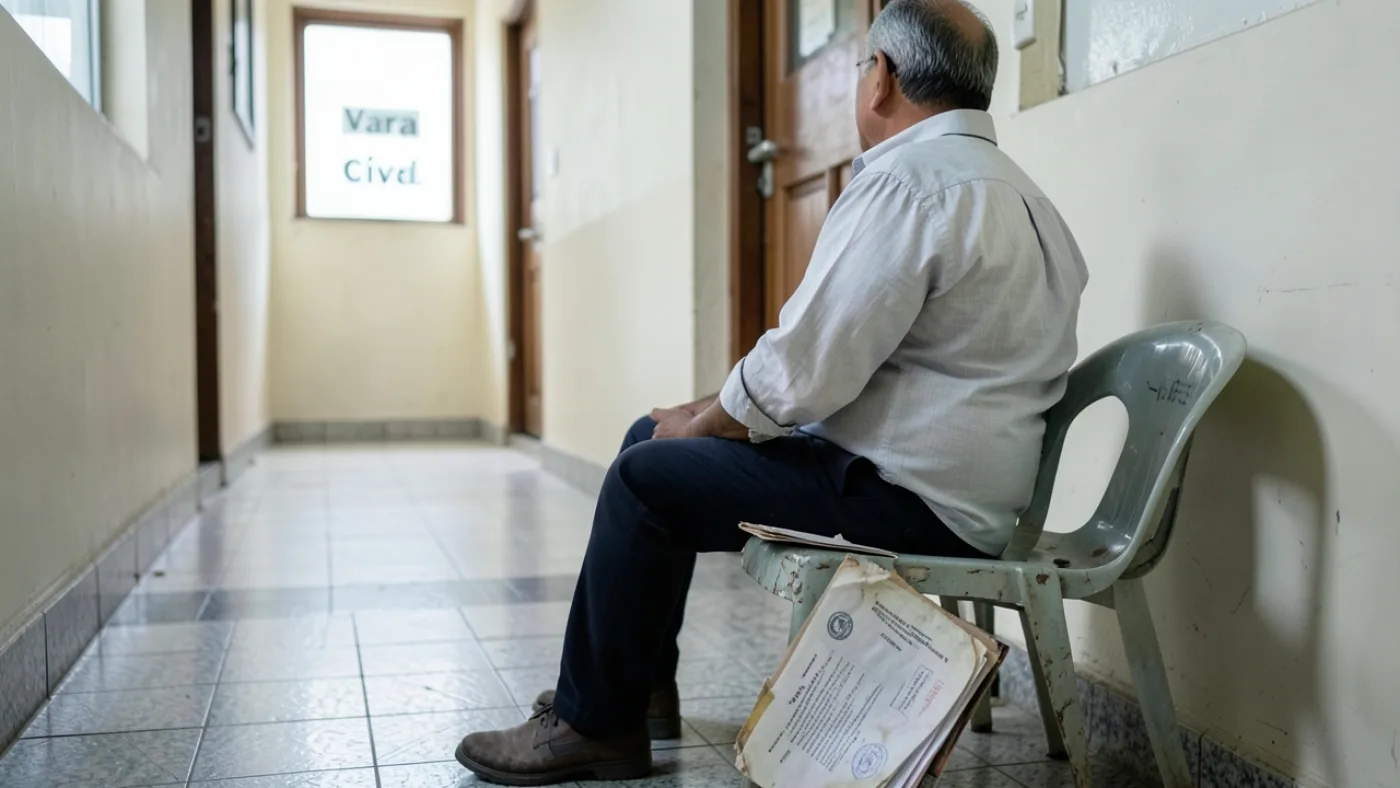
| First Instance | Primeiro Grau / Vara Cível | Where the lawsuit is filed, evidence is presented, and the first decision is made by a single judge. | This is where facts are established. The judge evaluates witnesses, documents, and expert reports. |
| Second Instance (State or Regional Federal Court) | Tribunal de Justiça (TJ) or Tribunal Regional Federal (TRF) | Hears appeals from first-instance decisions. A panel of three judges reviews the case. | This is your first and most common appeal. It reviews both legal and factual aspects, but focus shifts to legal errors. |
| Superior Court of Justice (STJ) | Superior Tribunal de Justiça | The “court of precedent” for non-constitutional federal law. Ensures uniform interpretation of laws like the Civil Code across Brazil. | You cannot appeal here just because you disagree with the facts. You must allege a violation of a specific federal statute. |
| Supreme Federal Court (STF) | Supremo Tribunal Federal | The guardian of the Brazilian Constitution. Hears appeals involving constitutional matters. | Extremely narrow access. Your case must involve a direct challenge to a constitutional clause, not just a bad contract term. |
The First Instance: Where Your Legal Journey Begins
All commercial litigation starts here. You file your initial petition (petição inicial) at the appropriate court office. A single judge (juiz de direito) manages the entire process: notifying the other party, ordering evidence production (including court-appointed expert reports, or perícias), and finally, issuing a judgment (sentença). This phase is heavily focused on establishing the factual truth. For you, as a foreign party, this underscores the critical importance of having well-drafted, Portuguese-language contracts and meticulous documentation from the start. A common pitfall is relying on poorly translated agreements or informal understandings, which we detail in our guide on common contract mistakes foreigners make.
The Second Instance: The Power of Collective Review
If you lose (or partially lose) at first instance, you will typically appeal to the Second Instance. This is not a new trial. A panel of three judges (desembargadores) reviews the case records from below. They reassess the legal conclusions and the factual findings, though they give deference to the first judge’s direct contact with the evidence. The main “pro” is that a collective decision reduces the risk of a single judge’s error. The “con” is the Appeal Fee (Preparo), which is an additional cost to file. In many states, this fee is a percentage of the updated value of the claim. For a R$ 1 million case, this could easily be R$ 10,000 to R$ 30,000.
The Superior Court of Justice (STJ): The Guardian of Federal Law
The STJ, based in Brasília, is the highest court for interpreting federal infra-constitutional law—meaning all laws except the Constitution itself. Its mission is to ensure that laws like the Brazilian Civil Code (Law 10,406/2002) or the Consumer Defense Code are applied the same way in Rio de Janeiro as they are in Amazonas. Access is strictly limited. To file a Special Appeal (Recurso Especial) to the STJ, your lawyers must demonstrate that the Second Instance court’s decision violated a specific article of a federal law or diverged from an existing STJ precedent. You cannot appeal on factual grounds, like which witness was more credible.
The Supreme Federal Court (STF): The Ultimate Constitutional Authority
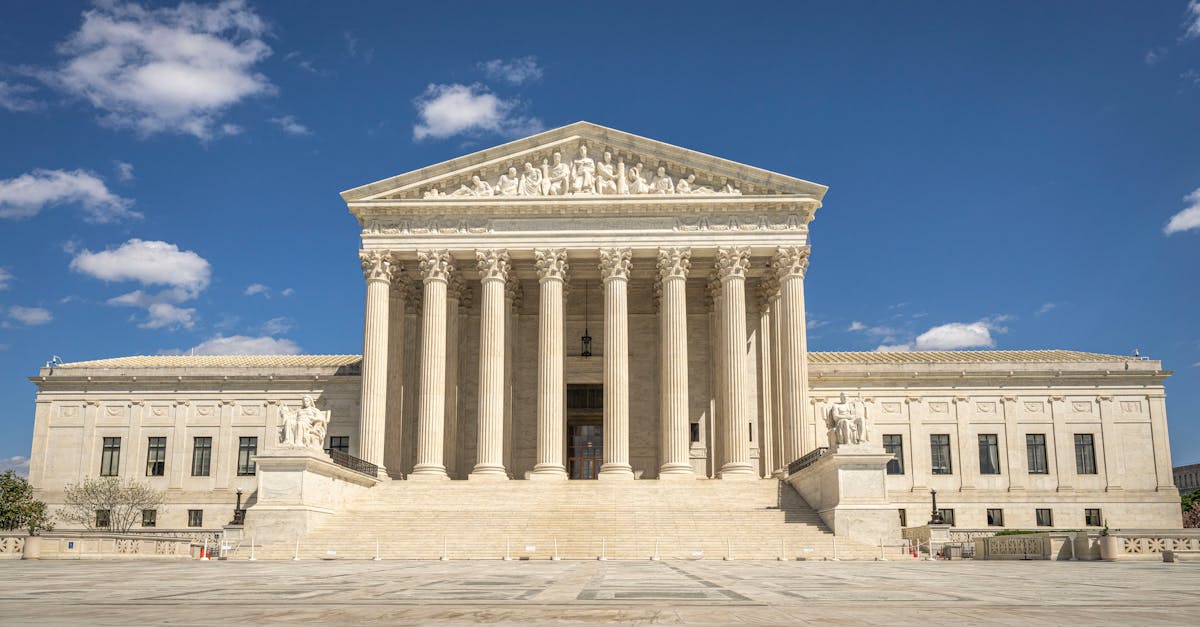
The STF is the final arbiter of the Brazilian Constitution. Its role in standard commercial litigation is minimal. An Extraordinary Appeal (Recurso Extraordinário) is only admissible if the challenged court decision allegedly violates a direct provision of the Federal Constitution. For example, if a lower court’s interpretation of a contract clause was argued to violate your constitutional right to free enterprise. The STF’s primary function is constitutional control, not re-examining contract disputes.
Which Court Path Should You Expect in a Commercial Case?
The vast majority of commercial cases begin and end within the State Justice system (First and Second Instance). Appeals to the STJ are less common, and to the STF, they are rare for pure commercial matters. Your case’s path depends on its value, complexity, and the legal issues involved.
- Low-Value, Straightforward Breach of Contract: Likely starts and finishes at First Instance, with a possible appeal to the State Second Instance (TJ).
- High-Value, Complex Dispute with Novel Legal Issues: A strong candidate to proceed to the Second Instance and potentially to the STJ, especially if it involves interpreting a new federal law or there is a conflict between how different state courts rule on the same issue.
- Case Involving a Foreign Element or Government Entity: May start in Federal Court (First Instance) if it involves international treaties or a federal agency, then follow a parallel path through the TRF (Federal Regional Court) as the second instance.
What Changed in 2026 for the Brazilian Courts?
The Brazilian judiciary is undergoing a continuous digital transformation. A key development impacting appeals is the enhanced use of artificial intelligence systems to triage cases. At the STF, the “Victor” AI, and similar systems at the STJ, now categorize and preliminarily analyze appeals upon filing. This has made it significantly harder to file dilatory or “procrastinatory appeals”—those filed solely to delay the enforcement of a judgment and payment of a debt. The systems can flag appeals that lack substantive legal arguments, potentially leading to their summary dismissal.
Furthermore, the Official Fee Table for the Brazilian Bar Association (OAB) and many state court fee schedules have been updated to reflect 2026 inflation rates. This means the real costs of litigation, from filing fees to appeal fees (preparo), have increased. Always budget with up-to-date figures.
What Are the Real Costs and Timelines for Appeals in 2026?
Let’s use a concrete simulation based on typical 2026 values. Imagine a breach of contract case over a luxury apartment purchase in Florianópolis valued at R$ 2,000,000. You are the buyer, and the developer failed to deliver on specifications.
- First Instance Filing Fee: State court fees are a percentage of the claim value. Assuming a 1% fee in Santa Catarina state, you’d pay approximately R$ 20,000 (≈ $3,650 USD / €3,400 EUR) just to file the lawsuit. This does not include attorney fees.
- First Instance Duration: From filing to a final judgment, expect 2 to 5 years, depending on the court’s backlog, the need for expert reports, and procedural motions.
- Appeal to Second Instance (TJ): If you win and the developer appeals, they must pay an appeal fee (preparo), which could be another 1% (R$ 20,000+ on the updated value). The appeal process itself can take 1 to 3 additional years.
- Appeal to the STJ: Filing a Special Appeal involves specific federal fees. The cost is significant, and the scrutiny is high. Processing at the STJ, even with AI filtering, can take 2 to 4 years before a judgment is rendered.
These timelines are realistic. Brazilian courts, while modernizing, still face high caseloads. This reality makes strategies like choosing arbitration or foreign governing law in your contracts critically important for faster resolution.
What is the Step-by-Step Appeals Process in Brazil?
Here is the practical sequence from receiving an unfavorable judgment:
- Notification: You are formally notified (intimado) of the first-instance decision. The strict appeal clock starts ticking.
- File Appeal Brief: Your lawyer drafts and files the appeal (Apelação) with the first-instance court clerk within 15 business days. The appeal fee (preparo) must be paid.
- Case Sent to Second Instance: The entire case file is physically (or digitally) sent to the Tribunal de Justiça (TJ).
- Briefs and Review: The other party files a response. The panel of three judges reviews the records, may hold a hearing, and then issues a decision (acórdão).
- Next-Level Appeal (If Applicable): If grounds exist, a Special Appeal to the STJ must also be filed within 15 business days from the notification of the second-instance decision. The same tight deadline applies for an Extraordinary Appeal to the STF.
How to Track Your Case Online: Appeal court decision brazil
Most Brazilian courts have online portals where you can track case progress using the case number (número do processo). For State Courts, search for the “Tribunal de Justiça” of the relevant state (e.g., “TJSP” for São Paulo). The STJ and STF also have transparent online systems. Your lawyer will provide you with access and regular updates, but these portals allow for direct monitoring.
Frequently Asked Questions (FAQ)
1. Can I appeal just because I think the judge was wrong about the facts?
Yes, but only to the Second Instance (State Court). Appeals to the higher federal courts (STJ and STF) are strictly for errors in the interpretation of the law or the Constitution. The Second Instance panel can re-evaluate factual evidence, but they generally defer to the first judge’s assessment of witness credibility and direct evidence.

2. How long do I have to file an appeal in Brazil?
The deadline is almost always 15 business days from the formal notification of the court decision. This applies to the main appeal (Apelação) and to appeals to the STJ and STF. Missing this deadline by even one day typically results in the permanent loss of your right to appeal that decision.
3. Are court proceedings conducted in English?
No. According to Article 21 of the Brazilian Code of Civil Procedure, all legal proceedings must be conducted in Portuguese. Any contract, document, or evidence in a foreign language must be translated by a sworn public translator (tradutor público juramentado) to be submitted to the court. This is a mandatory and often overlooked cost.
4. What are “dilatory appeals” and why are they harder now?
Dilatory or procrastinatory appeals are those filed without strong legal merit, primarily to delay the final outcome and postpone a payment obligation. With AI systems like the STF’s “Victor” now automatically screening appeals, such tactics are more likely to be identified and rejected quickly, streamlining the process for legitimate cases.
5. Do I need a Brazilian lawyer to file a lawsuit or an appeal?
Yes. With very limited exceptions, you must be represented by an attorney registered with the Brazilian Bar Association (OAB) to act in Brazilian courts. This is non-negotiable. A bilingual lawyer who can bridge the language and cultural gap is invaluable, not just for court representation but also for navigating related issues like potential banking disputes that may arise during litigation.
Ready to Navigate the Brazilian Court System with Confidence?
Understanding the structure is the first step. Successfully navigating it requires expert guidance. The strict deadlines, complex procedural rules, and language barrier make professional legal counsel essential. At Ribeiro Cavalcante, our bilingual litigation team guides international clients through every stage of the Brazilian judicial process, from drafting enforceable contracts to executing winning appeal strategies.
Don’t let confusion about the court system compromise your position in Brazil. Get clear, actionable advice from a firm that understands both the law and your perspective as a foreigner.
Talk to a specialist lawyer now
Talk to a Lawyer on WhatsApp