On this page
What Exactly Does Decreto nº 12.657/2025 Change for You?
I’m a digital nomad. How does the new decree affect my visa application?
The decree removed the need for a formal employment contract or a single local client. Now, you can prove your income through a mix of remote contracts, bank statements, and a declaration of ongoing services — even if your clients are all abroad. The minimum income requirement hasn’t changed (around US$ 1,500/month or equivalent), but the Portal Migrante now allows digital submission of apostilled documents for a pre‑approval, so you may never need to visit a consulate. You still must convert the visa into a residence permit within 90 days of arriving in Brazil.
I plan to invest in Brazil. What new requirements must I meet now?
Previously, a one‑time capital injection (at least R$ 150,000 in a business or real estate) sufficed. Under the new rules of Decreto nº 12.657/2025, you must demonstrate “continuous economic activity.” For an investor visa, the government now expects proof that your investment generates jobs, revenue, or demonstrable economic impact — not just parked funds. You’ll typically submit a business plan, tax receipts, and evidence of active management. This shift aims to block passive capital parking and attract genuine entrepreneurs.
Does the decree impact family reunification visas?
Yes, but mainly in a positive way. Spouses and children of a main residency holder can now be included on the same digital application, cutting duplicated paperwork. Additionally, the decree clarifies that family members do not need a separate income justification if the primary visa holder’s financial stability is proven. The digital pathway also lets you upload marriage certificates and birth certificates only once. However, all such documents must still be apostilled and officially translated by a tradutor público juramentado (sworn translator) in Brazil.
How Do the New Application Rules Work in Practice?
What is the ‘Pre‑Approval Digital Pathway’ and how do I use it?
It’s a new function integrated into the Federal Police’s Portal Migrante. Instead of mailing or personally delivering documents to a consulate, you create a gov.br account, scan your apostilled documents, and upload them. The system uses Brazil’s digital signature verification to check authenticity. If everything is in order, you receive a pre‑approval letter — usually within 30 to 60 days. This letter takes the place of a traditional visa stamp when you enter Brazil, after which you proceed directly to the biometric appointment at the Polícia Federal.
Do I still need to visit a Brazilian consulate abroad?
In many cases under the new decree, no. The pre‑approval pathway is designed for nationalities that Brazil considers low‑risk. However, consular interviews may still be required if your criminal background check raises flags, or if your home country has no bilateral digital identity agreement with Brazil. Citizens of some nations may still need to appear in person to have their fingerprints collected abroad. Always check the Itamaraty consular portal for your specific country before assuming you can skip the consulate.
How does document apostille and sworn translation fit into the digital process?
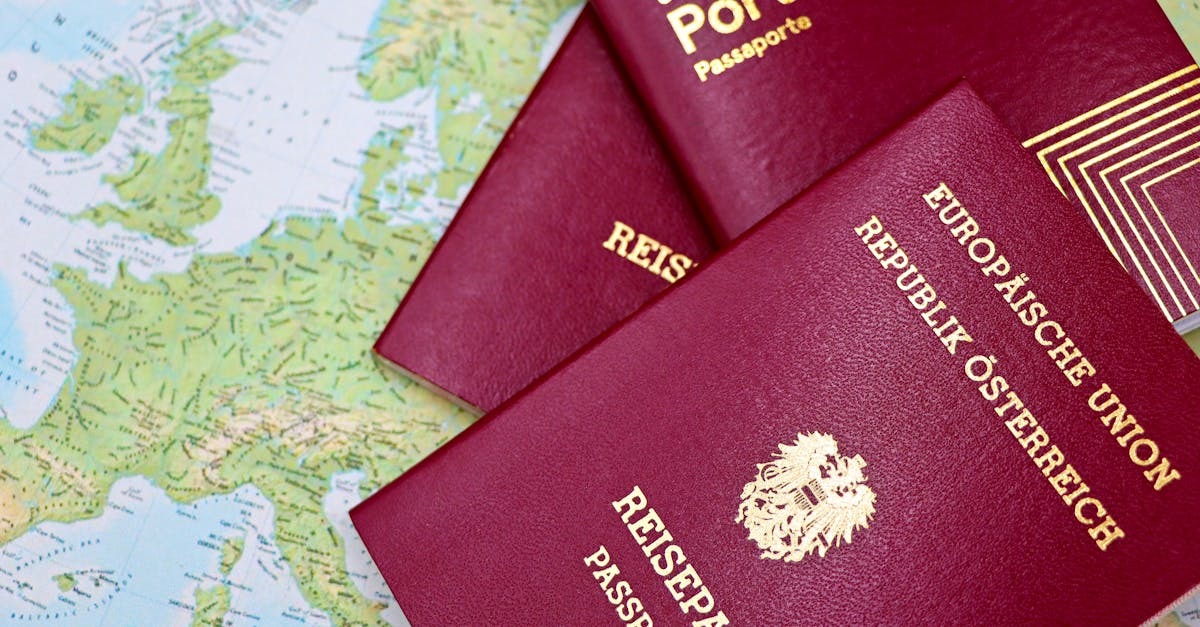
All foreign public documents — birth certificates, marriage certificates, criminal records — must be apostilled in the country of origin. You then scan the apostilled originals. But before uploading to the system, you must have them translated into Portuguese by a sworn translator (tradutor público juramentado) registered in Brazil. Sworn translations are also scanned and uploaded together with the originals. The digital pre‑approval process verifies both the apostille and the digital signature of the sworn translator. Only after arriving in Brazil will you need to present the physical documents during your Polícia Federal interview.
What Are the Real Costs and Timelines in 2026?
How much does the CRNM (National Immigration Registration Card) cost right now?
The fee for the Carteira de Registro Nacional Migratório (CRNM) is R$ 204.77 — roughly US$ 40 or €37, depending on the exchange rate. You pay this amount via a Guia de Recolhimento da União (GRU) generated on the Federal Police website. Payment can be made at any bank, lottery house, or via PIX. First‑time CRNM issuance and renewals both carry the same fee. If you need a duplicate due to loss or theft, the same R$ 204.77 applies.
What other government fees should I budget for?
Besides the CRNM fee, you might pay:
- CPF registration: free if done online at Receita Federal, or R$ 7.00 at Correios (post office).
- Sworn translations: vary by document length, typically R$ 50–R$ 150 per page.
- Notary (cartório) copies and certifications: R$ 5–R$ 20 per document.
- Consular fees: if your nationality requires a consular visit, fees range from R$ 80 to R$ 300 depending on the visa category.
How long will the entire residency process take under the new system?
A realistic timeline under Decreto nº 12.657/2025 is 3 to 5 months from start to holding your physical card. Digital pre‑approval typically takes 30–60 days. After arriving in Brazil, scheduling the Polícia Federal biometric appointment may take 2–4 weeks, and the card itself is issued within 30 days of the appointment. Factors that can delay you include incomplete translations, missing apostilles, or high demand at the Federal Police unit you choose. Always allow a buffer of at least 90 days from entry to final card in hand.
Are There Special Situations or Exceptions I Should Know About?
I’m already in Brazil on a tourist visa. Can I apply for residency without leaving the country?
Yes, in certain cases. If you entered as a tourist and later became eligible for a residency visa (for example, by marrying a Brazilian or securing a local work contract), the new digital system allows you to request a transformação de visto (visa transformation) directly at the Federal Police, without leaving Brazil. However, you must file before your 90‑day tourist stay expires. Overstaying can trigger fines and may require you to leave and re‑apply from abroad — so act quickly.
My spouse is Brazilian. Does Decreto nº 12.657 simplify my residency?
Absolutely. The decree explicitly integrates family‑based residency into the digital pathway. You can apply for a visto de reunião familiar (family reunion visa) online by uploading your marriage certificate, spouse’s Brazilian ID, and proof of economic means (if needed). The pre‑approval letter will then serve as your entry authorization. Once in Brazil, you’ll schedule biometrics and receive your CRNM. In many cases, the entire process can be completed without a single consular visit, making it far more accessible for binational couples.
What happens if my documents are in a language other than Portuguese or English?
All documents must be translated into Portuguese by a sworn translator accredited by the Brazilian Board of Trade (Junta Comercial). Portuguese is the only accepted language for the immigration process. Even if a document is in English, it still requires a sworn translation — the authorities will not accept an untranslated original. This is a strict rule under the Lei de Migração (Lei 13.445/2017) and remains unchanged by the new decree. Budget both time and money for this essential step.
Key Information at a Glance: Visa Changes Under Decreto nº 12.657/2025
| Visa Category | Main Change | Processing Time | Key Fee |
|---|---|---|---|
| Digital Nomad | Proof of income via multiple remote clients; pre‑approval digital pathway | 30–90 days | CRNM: R$204.77 |
| Investor | Must show “continuous economic activity” beyond capital injection | 60–120 days | CRNM: R$204.77 |
| Family Reunion | Digital upload of docs; no separate income proof for dependents | 45–90 days | CRNM: R$204.77 per person |
| Work Visa (local contract) | Streamlined for STEM positions; digital pre‑approval possible | 30–60 days | CRNM: R$204.77 + consular fee |
Rights and Protections Once You Hold Your Residency
Your residency is about more than just a card. A valid CRNM gives you full access to Brazil’s public healthcare system (SUS), the right to work, and the ability to open bank accounts and register a business. Sometimes, even as a legal resident, you may face obstacles when seeking specialized medical treatments from the public system — for example, if a restricted medication is denied. In those moments, the law provides clear safeguards. Our firm routinely assists residents in securing access to treatments like Neoprofen when denied by SUS, or other high‑cost drugs such as Cabometyx pelo SUS. If you later become temporarily incapacitated, you can also count on the auxílio-doença (sickness benefit) as a legal resident. These are concrete protections that come with your status.
Ready to Live in Brazil? Navigate the 2026 Visa Changes with Expert Help
Moving to a new country is hard enough — Brazilian bureaucracy shouldn’t make it impossible. The new rules under Decreto nº 12.657 bring real improvements, but they also demand precise documentation and strategic timing. Whether you’re a digital nomad skeptical of the digital pathway, an investor needing to prove ongoing economic activity, or a spouse of a Brazilian wanting to reunite fast, our bilingual legal team understands the pitfalls and the shortcuts. We’ll help you avoid costly mistakes and get your life in Brazil started on solid legal ground.
Talk to a specialist lawyer now
Talk to a Lawyer on WhatsApp