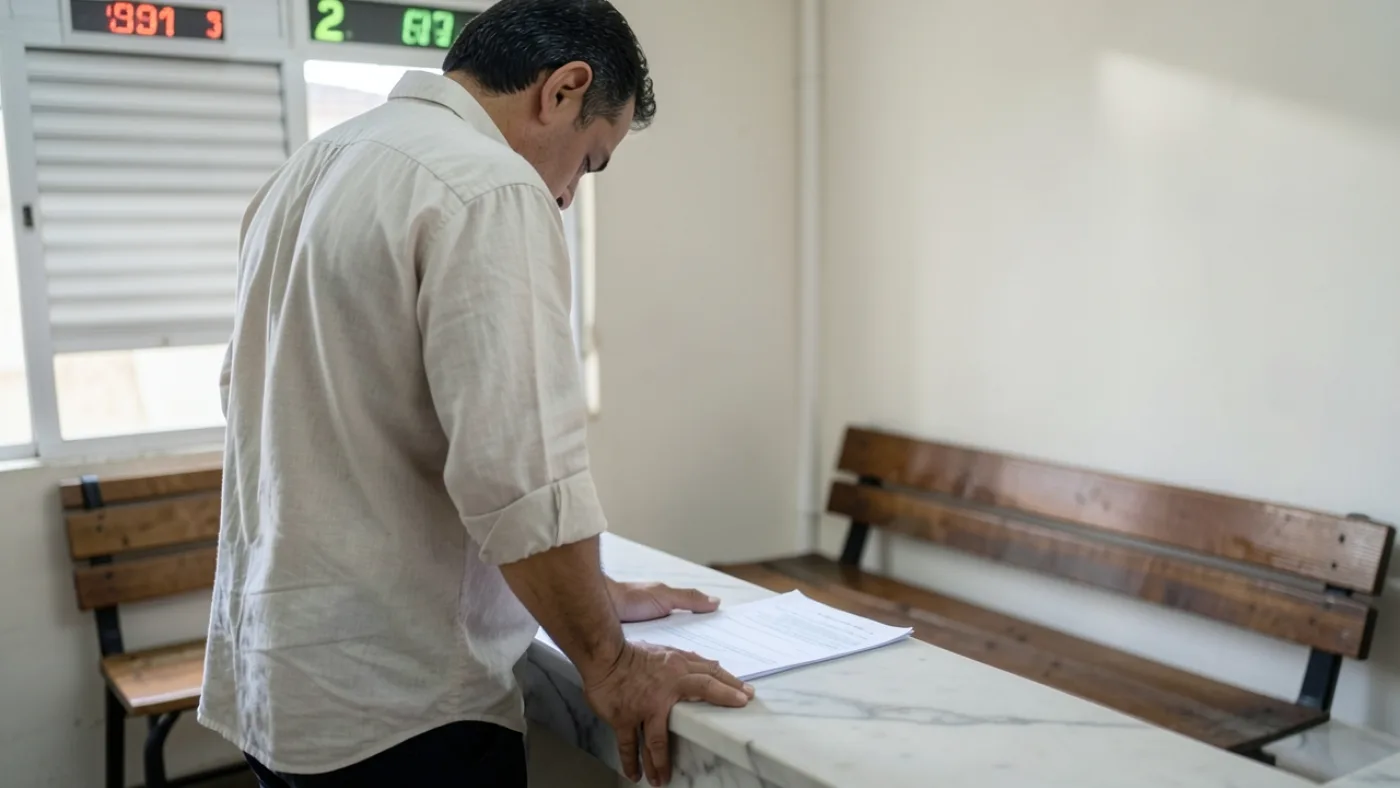

This fear stems from a fundamental clash of legal cultures. If you come from the United States, the United Kingdom, Canada, or Australia, you grew up with Common Law—a system where judicial precedent and the “word of the contract” define reality. Brazil, however, operates under a Civil Law system based on Roman-Germanic tradition. Here, the written code (not the previous judge’s opinion) is the primary anchor of justice. Misunderstanding this difference is the number one reason expats feel legally blindfolded in Brazil.
This guide answers your most pressing questions about Brazil’s Civil Law System vs Common Law: key differences for English speakers. We will cut through the jargon and give you the practical tools to protect your assets and your peace of mind.
On this page
Essential Questions: Civil Law vs Common Law
What exactly is the Civil Law system in Brazil?
Brazil’s legal system is rooted in the Civil Law tradition, where codified statutes take absolute precedence. The Federal Constitution of 1988 sits at the top, followed by complementary laws, ordinary laws, and regulatory decrees. The most significant compilations include the Código Civil (Civil Code) and the Código Penal (Penal Code). A judge’s primary duty is to apply the specific article of the law to the fact, not to follow a verdict from a previous similar case. You can read the Federal Constitution in full on the official government portal.
Why does Brazil use Civil Law, not Common Law?
The divergence is purely historical. Common Law was born in medieval England as a way for the king to centralize power through traveling judges who recorded customs. Meanwhile, in Continental Europe (Portugal, France, Germany), jurists were busy compiling the classic “Corpus Juris Civilis” into modern, logical books of rules. As a Portuguese colony turned independent empire, Brazil inherited and aggressively perfected the European model. The idea is simple: a written, organized code accessible to the citizen provides more democratic stability than a collection of scattered judicial decisions.
In Brazil, is the judge or the law more powerful?
The written law holds the ultimate power, but Brazilian judges are not mere robots. They have significant interpretive freedom because the codes must be applied to modern, complex realities. However, unlike Common Law, a single judge’s ruling rarely creates a binding obligation for the entire society unless it comes from the highest courts. The Supremo Tribunal Federal (STF) can issue súmulas vinculantes (binding precedents). These are the exception. In 99% of your daily life—buying a car, signing a lease—the relevant code article is the absolute ruler.
Costs and Process: The Bureaucratic Reality
Why are cartórios necessary if everything is in the code?
In Common Law countries, a signature between two parties is usually legally sufficient. In Brazil, the Civil Code often requires a “public form” to protect third parties and prevent fraud. This is where the cartório (notary and registry office) comes in. They perform reconhecimento de firma (signature authentication) and register property deeds. This adds a layer of cost: authenticating a signature can cost around R$ 10–R$ 20, but registering a property deed can cost 1–1.5% of the property value. Bypassing the cartório often renders your contract void against third parties.
How much does it cost to register and translate foreign documents?
Because Brazil respects the written text above all, foreign documents must be perfectly integrated into the system. You cannot simply hand over a US birth certificate. You must follow two steps: (1) The Hague Apostille—a certificate issued by your home country’s Secretary of State—verifying the signature’s validity. (2) A Sworn Translation (Tradução Juramentada) by a Tradutor Público registered at Brazil’s Junta Comercial. Sworn translations cost roughly R$ 50–R$ 120 per page. Without these steps, the document is legally invisible in Brazil.

What are the real tax costs when acquiring assets?
Unlike Common Law systems where asset transfers can be private, Brazilian Civil Law demands public registration and immediate taxation. If you buy a R$ 500,000 apartment, you will pay ITBI (Property Transfer Tax), typically 2% to 3% of the property value directly to the city hall. Additionally, the Registro de Imóveis (Land Registry) charges about 1% to finalize the deed. This “cost of formality” is non-negotiable—the Civil Code states that property ownership only transfers upon registration, not upon payment.
Special Situations: Where the Difference Hurts Most
Can a judge ignore my contract under Civil Law?
Yes, and this is the deepest cultural shock for an English speaker. In Common Law, the “four corners of the document” are often sacred. In Brazil, the Civil Code contains the concept of the “social function of the contract” (função social do contrato). A Brazilian judge can nullify or revise a legally signed clause if they deem it excessively advantageous to one party or in violation of broad, constitutional principles of fairness. Boilerplate clauses that reign supreme in New York may collapse in São Paulo.
Are juries common for civil trials in Brazil?
Absolutely not. In Common Law cinema, you see a jury deciding commercial or personal injury cases. This does not exist in Brazilian Civil Law. Juries (Tribunal do Júri) are reserved exclusively for intentional crimes against life (murder). If you sue a company for breach of contract, a single career judge will analyze the codes and the written evidence. Oral arguments (“arguing the case” to sway emotions) are far less impactful than presenting a well-cited legal thesis based on the law.
What happens if I try to self-represent “Pro Se”?
Common Law traditions broadly accept the right to self-representation in complex matters (Pro Se). In Brazil, the practical barrier is much higher. While you can technically go to Juizado Especial Cível (Small Claims Court) without a lawyer for cases under 20 minimum wages, any standard civil litigation requires an attorney registered with the OAB (Brazilian Bar Association). Before hiring anyone, you should always verify Brazilian lawyer OAB registration to ensure they are legitimate. The procedural codes are too intricate for a foreigner to navigate alone.
Key Differences at a Glance: Civil law vs common law brazil
| Feature | Common Law (US/UK/CA) | Civil Law (Brazil) |
|---|---|---|
| Primary Source | Judicial Precedent | Codified Statute |
| Role of Judge | Referee / Case Manager | Active Investigator / Applier of Code |
| Contractual Freedom | Very High (Pacta Sunt Servanda) | Mitigated by “Social Function” |
| Discovery Process | Extensive (Disclosure/Depositions) | Limited (Judge-led document requests) |
| Jury Use | Common in Civil Trials | Non-existent in Civil Trials |
| Key Bureaucracy | Notary Public (formality) | Cartório (validity & registration) |
Civil law vs common law brazil: What Changed in 2026?
While the core of the Civil Law system remains unchanged, administrative processes have modernized significantly. The gov.br portal continues to digitize services that once required physical cartórios. Crucially, the migration domain has seen updates in enforcement. The rules for obtaining a CPF (Cadastro de Pessoas Físicas)—your tax ID—have been tightened for non-residents to comply with international money laundering prevention standards. If your CPF was issued before these stricter data cross-checks, it might have become irregular; knowing how to fix an irregular CPF in Brazil is a vital survival skill for 2026. Furthermore, the Receita Federal’s tax brackets maintain the exemption floor at R$ 2,259.20, with strict source-code verification under the Civil Law tax principles.
Step-by-Step: Verifying a Document’s Legal Weight
To ensure your foreign document has power within the Brazilian Civil Law structure, you must inject it into the system formally. Here is the concrete, unavoidable workflow:
- Step 1: Apostille. Obtain the Apostila de Haia on the original document. This is issued by the competent authority in the document’s country of origin. The Hague Convention abolished legalization, so Brazil accepts this seal as proof of authenticity.
- Step 2: Sworn Translation. You must hire a Tradutor Público (Sworn Translator). Look up the list of approved translators on the Junta Comercial website of your nearest state. A normal translation is legally worthless in court.
- Step 3: Registration. Depending on the act, you must register the translated document at the competent cartório. For property: Registro de Imóveis. For civil status: Registro Civil.
- Step 4: CPF Linkage. Every taxable deed requires your CPF to be linked to the transaction. If you are a newcomer, you can learn exactly how to get a CPF as a foreigner in Brazil to complete this essential linkage.
Realistic timeline: The Apostille can take 1-2 weeks. The translation, 3-5 business days. The cartório registration, depending on complexity, often takes a full 30 days of analysis before the deed is issued.
Frequently Asked Questions (FAQ)
Is it easier to sue in Brazil or a Common Law country?
“Easier” is subjective. In Brazil, filing a lawsuit has a lower initial bar for evidence because there is no massive pre-trial discovery phase. The judge decides what evidence is needed. However, the finality of the decision can take much longer. A commercial case in Brazil averages 2-4 years in the first instance, whereas extensive pre-trial discovery in the US often forces a settlement within 1-2 years. The emotional toll is simply shifted—from document hunting (Common Law) to patient waiting (Civil Law).

Why can’t I just use a US-style “Boilerplate” contract in Brazil?
US contracts often span 50 pages to close every conceivable loophole because judges apply the literal text. Brazilian Civil Law contracts are often shorter. A judge will imply duties of good faith (boa-fé objetiva) even if not written. If your dense “common law” boilerplate contradicts a compulsory norm of the Brazilian Civil Code, the clause is automatically null and void. It is safer to use a localized Brazilian contract template drafted under local statutory logic.
Are oral contracts valid in Brazil’s Civil Law?
They can create a legal obligation, but proving it is the nightmare. The Civil Code allows verbal contracts for low-value or immediate-delivery matters. However, the procedural code heavily grades written evidence as the gold standard. If you need to enforce a promise in court, and the only witness is a distant friend, you will likely fail. Brazil’s system relies on the “principle of the written document.” Always document transactions—even if just via WhatsApp—to capture the intent.
Do I need a Brazilian CPF to sign any legal contract?
Legally, your foreign passport may be accepted as identification, but practically, you cannot execute the contract without a CPF. The Receita Federal requires CPF linkage for any registry of deeds, bank transactions, or tax filings. A rental agreement or purchase promise not linked to a CPF cannot be registered at the cartório. It is the numerical key that connects your private contract to the Brazilian public registry system. You can learn why this document is crucial by reading about CPF for foreigners in Brazil.
What is the difference between a cartório and a notary public?
A US “Notary Public” simply verifies identity and willingness to sign. A Brazilian cartório performs a much deeper legal function. It gives “public faith” (fé pública) to the document’s content. Certain Civil Law transactions, like marriage contracts or real estate purchases, are fundamentally non-existent until the cartório registers the public deed. The cartório does not just witness the signature; it constitutes the legal act itself.
Hire a Bilingual Brazilian Lawyer to Bridge the Legal Gap
Navigating a Civil Law jurisdiction when your brain is wired for Common Law is not just about translation—it is about conceptual recalibration. A clause that protected you in London might bankrupt you in Brazil. The bureaucracy of cartórios, sworn translations, and administrative silences can stall your life for months. You need more than a legal dictionary; you need a strategic guide who speaks your language, understands your instinctive expectations, and can show you the secure path under Brazilian written law. Our English-speaking team at Ribeiro Cavalcante Advocacia is ready to defend your interests and honor the code.
Talk to a specialist lawyer now
Talk to a Lawyer on WhatsApp