The good news: the process for a first‑time CRNM is now largely digital and follows the same basic path whether you are a permanent resident, a temporary worker, or a digital nomad. The bad news: Brazil still loves paperwork, and the steps change depending on exactly which residency category you fall into. This guide breaks down your real options, shows a side‑by‑side comparison, and walks you through every click, form, and in‑person visit you will face in 2026.
On this page
Option A: First‑Time CRNM as a Permanent Resident: CRNM first time
You enter this path if you hold a permanent residency visa, typically granted for family reunion (marriage to a Brazilian or parent of a Brazilian child), retirement, or the investor visa (R$ 600,000+ in real estate or business). In all these cases, the Polícia Federal will issue a CRNM with a validity of 9 years, as established by Lei nº 13.445/2017 and Decreto nº 9.199/2017.
How it works: The permanent‑resident registration requires a slightly heavier document package because the Polícia Federal must verify the underlying reason for permanence. But once approved, you skip the frequent renewals that temporary residents face every 2 to 4 years.
Key documents beyond the basics: Certified birth or marriage certificate (translated by a sworn translator if not in Portuguese), proof of relationship (e.g., Brazilian spouse’s ID), and evidence of sufficient means or investment. You must also present a fully valid passport and the original visa stamped in it.
- Pros: 9‑year card, path to naturalization after 4 years of uninterrupted residency, simpler renewal later.
- Cons: More documents upfront, longer processing of the initial residency application at the consulate before you even reach Brazil.
Option B: First‑Time CRNM as a Temporary Resident (Work, Study, Digital Nomad)
Most professionals, students, and the growing wave of digital nomads will fall under this category. Temporary residency may be granted for up to 2 years (renewable), based on an employment contract, university acceptance, or, since 2022, a remote‑work visa. The CRNM you receive will explicitly state the expiration date linked to your residency permit.
How it works: The registration process is faster at the consulate and you only need documents directly tied to your activity: a signed work contract, a letter from the Brazilian university, or a declaration that you are employed by a foreign company and earn at least US$ 1,500 per month (or have US$ 18,000 in savings) for the digital nomad route. At the Polícia Federal, the officer will confirm your legal entry and collect your biometrics.
- Pros: Quicker entry, documents are usually straightforward, lower investment burden.
- Cons: Card expires after 2 years, requiring a renewal that demands updated paperwork and a new fee.
Option C: Special Humanitarian or Asylum‑Seeker CRNM: CRNM first time
Brazil has welcomed tens of thousands of Venezuelans, Haitians, Syrians, and Afghan nationals through specific humanitarian residency norms. If you are granted this status, the registration process follows the same technical steps but is often processed at a Polícia Federal unit designated for refuge, and you are exempt from the R$ 204.77 GRU fee. The card typically carries a 2‑year validity, after which you may convert to permanent residency under Article 30 of Law 13.445.
- Pros: No registration fee, legal access to the labor market and SUS (public healthcare).
- Cons: Restricted to specific nationalities or circumstances; application must be accompanied by a declaration of vulnerability or persecution.
Comparing the Three First‑Time CRNM Paths
| Criterion | Permanent Resident | Temporary Resident | Humanitarian / Asylum |
|---|---|---|---|
| Validity of first card | 9 years | 2 years | 2 years |
| Registration fee (GRU) | R$ 204.77 | R$ 204.77 | Exempt (R$ 0) |
| Typical documents | Passport, visa, birth/marriage certificate, proof of funds | Passport, visa, work contract or university letter | Passport, refuge protocol, declaration of vulnerability |
| Processing time (after appointment) | 30‑90 days | 30‑60 days | 60‑120 days |
| Work permission | Full | Linked to employer / activity | Full (Carteira de Trabalho) |
| Path to permanent residency | Already permanent | After 4 renewals or marriage | After 2 years of uninterrupted stay |
Which One Is for You?
If you are married to a Brazilian, already retired, or have made a qualified investment, Option A gives you peace of mind: a decade‑long card with only one registration fee. If you are coming on a job contract, studying, or working remotely, Option B is your default — accept the 2‑year cycle and prepare to renew early. And if you are from a recognized humanitarian crisis, Option C may apply, but you must enter Brazil with the appropriate emergency visa or request refuge at the border. Whichever path fits, the physical CRNM card is the only document that proves you are not an overstayer, so starting the registration within the 90‑day window is non‑negotiable.
What Changed in 2026 for First‑Time CRNM Registration?
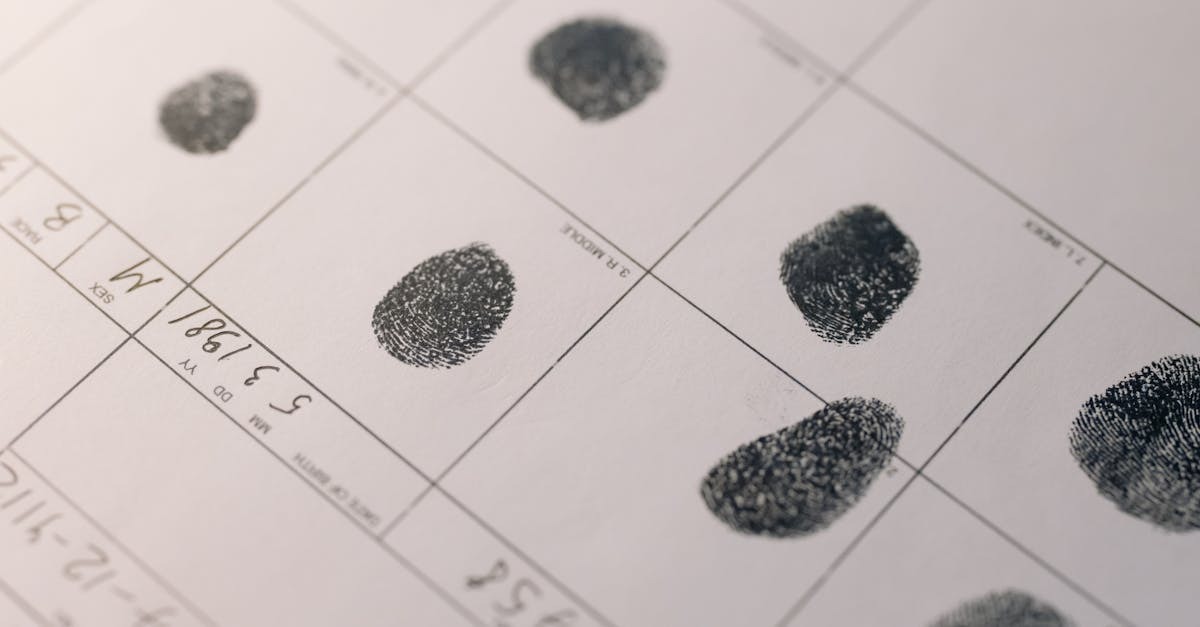
Since the full implementation of the SISMIGRA system (Sistema de Registro Migratório), the Federal Police has pushed nearly all pre‑registration steps online. In 2026, you can no longer simply walk into a station and fill out a paper form. The SISMIGRA portal now requires a gov.br account (silver or gold level) to start the process, which adds an extra step — getting your CPF and upgrading your gov.br trust level. Additionally, the biometric data collection is now using a centralized database, so if you have previously given fingerprints for any other police service, the system will pull them automatically, potentially speeding up your appointment.
Another subtle but important change: the Polícia Federal has tightened the link between the visa category and the registered activity. For investors, for instance, the CRNM will explicitly mention “investidor,” and any deviation from the declared activity can trigger an audit. Always ensure your stated purpose matches your actual life in Brazil.
Step‑by‑Step Practical Guide to Getting Your First CRNM in 2026
No matter which residency path you are on, the bureaucratic ritual follows the same core steps. The devil is in the details, so follow this sequence exactly.
Step 1: Secure Your CPF and Upgrade Your Gov.br Account
You cannot access the Federal Police portal without a validated CPF (Cadastro de Pessoas Físicas). If you do not have one yet, head to a Receita Federal unit or, if your country has a tax treaty, you may be able to apply through a consulate. Once you have the CPF number, create a gov.br account and upgrade it to silver or gold level — this usually requires facial recognition or a cross‑check with your Brazilian bank. The whole process takes 2‑3 business days, so start this the week you land.
Step 2: Fill Out the SISMIGRA Electronic Form
Go to servicos.dpf.gov.br/sismigra-internet/ and select “Registro de Estrangeiro” (Foreigner Registration). You will enter your passport details, visa number, Brazilian address, and parentage information. Double‑check every field: a single typo in your mother’s name can cause your application to be rejected later. The system will then generate a “Comprovante de Solicitação” — print or save it as PDF immediately.
Step 3: Generate and Pay the GRU (Guia de Recolhimento da União)
Still within the SISMIGRA portal, click on “Emitir GRU.” The standard fee is R$ 204.77, as of May 2026, roughly the equivalent of 38 euros or 40 US dollars. Do not pay through “agendamento” — the bank must process the payment and clear it before your appointment. Pay at any Brazilian bank, lottery shop (casa lotérica), or via internet banking. Wait at least 24 working hours for the system to register the payment.
Step 4: Schedule Your In‑Person Appointment (“Agendamento”)
Once the payment is confirmed, log back in and choose the Polícia Federal unit closest to your residence. In large cities like São Paulo and Rio de Janeiro, slots can be booked out for 4‑6 weeks. Select a date within your 90‑day deadline, leaving at least a 2‑week buffer in case something goes wrong. Print the appointment confirmation.
Step 5: Gather Your Documents for the Appointment Day
On the day, bring originals and copies of:
- Valid passport (original and copy of the ID page and visa page).
- GRU payment receipt (original).
- Printed SISMIGRA form and appointment confirmation.
- Two recent 3×4 cm photographs (white background, no smile, face fully visible).
- Declaração de E‑mail para Contato (Email declaration form, available at the unit).
- Supporting documents for your specific visa type: work contract, marriage certificate (with sworn translation), university acceptance letter, etc.
Step 6: The In‑Person Visit and Biometrics
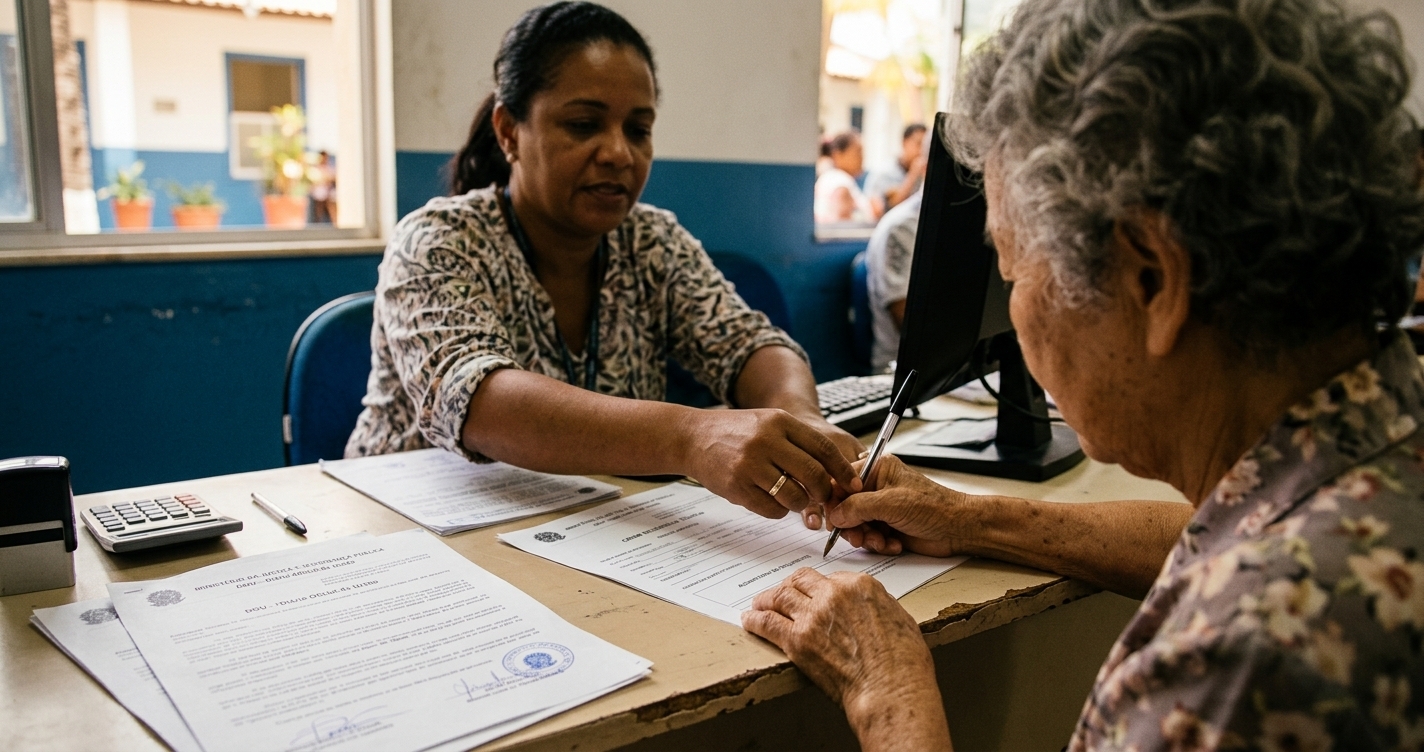
Arrive 15 minutes early. The officer will verify your papers, take your fingerprints, and capture your photograph. You will then receive a Protocolo Provisório — a temporary document that proves you are registered and legally in Brazil. This protocol is valid for up to 180 days and works as a de facto CRNM while you wait. You must keep it with you at all times until the plastic card arrives.
Step 7: Track and Collect Your Physical CRNM Card
The Federal Police usually takes 30 to 90 days to produce the CRNM. You can track the progress on the same SISMIGRA portal using your protocol number. When the status changes to “entregue” (delivered), return to the same unit with your protocol and a photo ID to pick up the card. Some capitals now offer delivery via Correios (postal service) for a fee of R$ 15 to R$ 25; you can opt for that during the appointment.

Frequently Asked Questions (FAQ)
How long does it really take to get the first CRNM card in my hands?
Plan for a total of 90 to 150 days from the moment you fill out the online form until you hold the plastic card. The appointment itself may be scheduled weeks out, biometric processing can take 30‑90 days, and postal delivery adds another week. The provisional protocol, however, is issued on the spot and gives you immediate legal standing to work, open accounts, and travel within Brazil.
Can I start working in Brazil while waiting for the physical CRNM?
Yes. The provisional protocol you receive after the in‑person visit is sufficient to obtain a Carteira de Trabalho Digital (digital work card) and to be formally hired. Employers are legally obliged to accept the protocol as proof of residency status. Just make sure the protocol is still valid (less than 180 days old) and that you already have a CPF.
What happens if I miss the 90‑day deadline to register?
Brazil imposes a fine that starts at R$ 100 per day of illegal stay, often capped at R$ 10,000 total. More critically, if you let the deadline pass by even 24 hours, the SISMIGRA system may block you from the simple registration path and force you to restart the entire residency permit process. Regularizing afterward is possible but far more expensive and stressful.
Do I need a lawyer to get my first CRNM?
For straightforward cases (like a single work visa with a clean passport) the online system is manageable. However, if your documents are in a language other than Portuguese, if you need a sworn translation, or if the Polícia Federal officer requests additional evidence, a bilingual immigration lawyer can spot issues before they become rejection letters. Many expats invest in a one‑hour consultation to review the document package and avoid a second trip.
Can I travel abroad after I register but before I get the card?
You can leave Brazil with your protocol and valid visa, but re‑entry can be problematic because the protocol alone does not guarantee readmission if the visa has expired. Always ensure that your passport contains a valid visa sticker (or that you have a Visto Eletrônico printout) covering the date of return. Some foreigners prefer to wait until they have the physical CRNM to avoid border surprises.
Ready to Get Your First CRNM Without Bureaucratic Surprises?
Brazil’s immigration system is digital on the surface but still full of traps — a missing sworn translation, an expired GRU, or a misclick in SISMIGRA can cost you weeks. Our bilingual lawyers handle the full registration cycle for expats, investors, and families, from the first form to the moment you hold your card. We translate, we double‑check every document, and we accompany you to the Polícia Federal when needed.
Talk to a specialist lawyer now
Talk to a Lawyer on WhatsApp