
Health
Galantamina SUS negada? Como conseguir por liminar
Galantamina SUS negada? Veja como corrigir o LME, recorrer na Ouvidoria e conseguir o medicamento por liminar na Justiça, com…
11/10/2026Branch of law that governs private relationships. In Brazilian civil law, for example, you will find the areas of Family Law, Business Law, Contract Law, Civil Liability, Property Rights (rights in rem) and Succession (inheritance).
In this sense, we can say that Civil Law accompanies us through every stage of life:
The Civil Code is therefore quite complex. Its roots lie in Roman Law, where many of its institutions already existed.
For example, adverse possession (usucapião) already existed in the time of the Roman Empire. This institution rests on the idea that land must be productive and that failing to use it should result in the loss of ownership. Later, with Savigny and Ihering, new theories and requirements for granting it emerged, such as animus domini.
Another point is that our Civil Code is strongly inspired by the Napoleonic Code, where many institutions were also enshrined, particularly personal rights and the means of acquiring property.
Civil Law is therefore extremely broad.
Galantamina SUS negada? Veja como corrigir o LME, recorrer na Ouvidoria e conseguir o medicamento por liminar na Justiça, com…
11/10/2026
SUS negou o Esilato de Nintedanibe? Veja como conseguir o medicamento por liminar, quais documentos reunir e o que os…
10/10/2026
Reblozyl negado pelo plano de saúde? A recusa costuma ser abusiva. Veja os documentos, a NIP na ANS e como…
10/10/2026
Retsevmo negado pelo plano de saúde ou pelo SUS? Veja a base legal, os documentos exigidos e como obter liminar…
09/10/2026
Myobloq negado pelo plano de saúde? Veja como exigir a cobertura por escrito, reclamar na ANS e conseguir liminar para…
09/10/2026
Carvykti negado pelo plano de saúde? A cobertura é obrigatória nas indicações da Anvisa. Veja os documentos e como pedir…
08/10/2026
Ciprobacter negado pelo plano de saúde? Veja como recorrer na ANS, quais documentos juntar e como pedir liminar para receber…
08/10/2026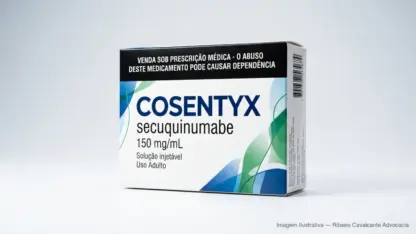
Cosentyx plano de saúde negou alegando Rol da ANS ou off label? Veja como exigir a cobertura, quais documentos reunir…
07/10/2026
Pazopanibe plano de saúde negou a cobertura? Veja por que a recusa é indevida, quais documentos reunir e como conseguir…
07/10/2026
Alimta negado pelo SUS? A negativa não é definitiva: veja como recorrer, quais documentos reunir e como obter o pemetrexede…
06/10/2026
Negaram o Doclaxin pelo SUS ou pelo plano de saúde? Veja como recorrer, quais documentos reunir e como pedir liminar…
06/10/2026
Barulho no condomínio: veja como aplicar advertência, multa de até 5 vezes a taxa condominial e quando cabe ação judicial.…
06/10/2026
Flebogamma plano de saúde negou a cobertura? A negativa costuma ser ilegal. Veja documentos, prazos e como obter liminar para…
05/10/2026
Nucala pelo SUS negado por não estar na RENAME? Veja como recorrer, documentos exigidos e como obter liminar para o…
05/10/2026
Rituximabe negado pelo plano de saúde? Veja como exigir a negativa por escrito, acionar a ANS e obter liminar para…
04/10/2026
Fulvestranto negado pelo SUS ou pelo plano de saúde? Veja como pedir liminar, quais documentos reunir e como os tribunais…
04/10/2026
Usucapião extrajudicial custa de R$ 5.000 a R$ 20.000 e leva 4 a 12 meses. Veja requisitos, documentos e o…
03/10/2026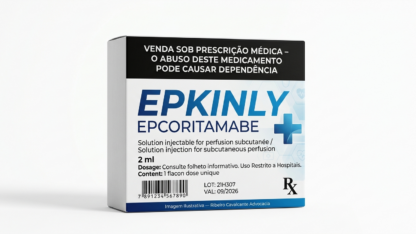
Epkinly negado pelo plano de saúde? A cobertura do medicamento oncológico é obrigatória mesmo fora do rol da ANS. Veja…
03/10/2026Our team is available to answer your questions and guide you through your specific case.