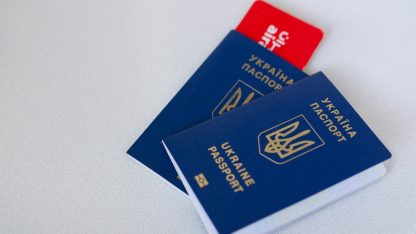
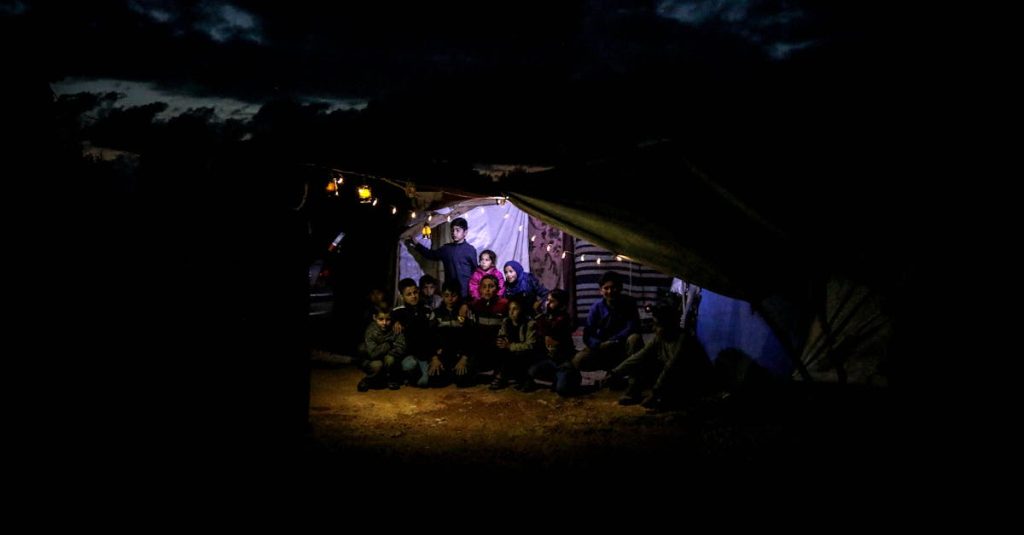
You just landed in Brazil seeking safety, but now you face a new challenge: how do you actually live, work, and survive while waiting for your legal status? Many foreigners arrive feeling overwhelmed by the bureaucracy of a new country, fearing that without a final “Refugee” stamp on their passport, they are stuck in legal limbo. However, Brazil has one of the most progressive humanitarian legal frameworks in the world. The main answer you need to know is this: from the very moment you file your asylum application, you are granted the legal right to work, study, and access healthcare in Brazil.
We compiled the 15 most searched questions about the rights of refugees in Brazil by foreigners, expats, and humanitarian seekers. In 2026, the digital transformation of the Brazilian government has changed how you access these rights. Whether you are navigating the Sisconare system or trying to open a bank account with a provisional protocol, this guide provides the clarity you need. Brazilian law, specifically Law 9.474/1997 and the newer Migration Law, ensures that your dignity is protected while the National Committee for Refugees (CONARE) reviews your case.
Navigating these waters requires more than just hope; it requires knowing which documents to present at a hospital, a school, or a job interview. In this article, we will break down the specific protections regarding work permits (CTPS), the universal healthcare system (SUS), public education, and the complexities of finding housing in a country that often demands a “guarantor.” Let’s explore your rights as a refugee or asylum seeker in Brazil for 2026.
Essential Questions About Refugee Rights in Brazil
Can I work legally in Brazil while my refugee application is still pending?
Yes, absolutely. This is one of the most significant advantages of the Brazilian asylum system. As soon as you complete your initial registration with the Polícia Federal (Federal Police) and receive your Protocolo de Solicitação de Refúgio (Asylum Request Protocol), you are legally authorized to work. You do not need to wait years for a final decision to start earning a living. In 2026, the process is linked to your CPF (Taxpayer Registry), which allows you to issue a Digital Work Permit (Carteira de Trabalho Digital).
For example, if a Syrian or Venezuelan national arrives in São Paulo and files their request on Monday, they can technically be hired by a Brazilian company by Friday, provided they have obtained their CPF number. Employers are often hesitant because they don’t recognize the “Protocolo” as a valid ID, but under Law 13.445/2017, it is a fully functional identity document for labor purposes. You have the same labor rights as any Brazilian, including minimum wage, overtime, and the right to FGTS (Severance Indemnity Fund).
Do refugee children have the right to attend public schools in Brazil?
Brazil follows the principle of “universal access to education.” This means that every child on Brazilian soil, regardless of their migratory status, has the right to enrollment in the public school system. Lack of official documents, such as a localized birth certificate or previous school transcripts, cannot be used as a reason to deny a child a spot in a classroom. This is protected by the Estatuto da Criança e do Adolescente (Child and Adolescent Statute).
In practice, if you arrive with your children, you should head to the nearest Secretaria de Educação (Education Department) or the local public school. If you don’t have translated transcripts, the school will perform a “leveling assessment” to place the child in the appropriate grade for their age. Public education in Brazil is free from daycare (creche) through high school, and even public universities have specific quotas or simplified entry processes for refugees in many states.
How does the Brazilian healthcare system (SUS) work for foreigners?
The Sistema Único de Saúde (SUS) is Brazil’s pride when it comes to humanitarian aid. It is a completely free, universal healthcare system. As a refugee or asylum seeker, you have the exact same rights as a Brazilian citizen. This includes everything from basic consultations and vaccinations to complex surgeries and expensive medications for chronic illnesses like HIV or diabetes.
To access it, you need to go to a Unidade Básica de Saúde – UBS (Basic Health Unit) near your home and request a “Cartão SUS.” You will need to show your Asylum Protocol and a proof of residence (which can even be a declaration from a shelter). There are no monthly fees, no co-pays, and no exclusions for pre-existing conditions. If you are ever denied service because you are a foreigner, this is a violation of the Federal Constitution, and legal action can be taken immediately.
What are my rights regarding housing and renting property?
Housing is perhaps the most difficult practical right to exercise. While the law says you have the right to “adequate housing,” the private rental market in Brazil is notoriously bureaucratic. Most landlords require a fiador (a guarantor who owns property in the same city) or a seguro-fiança (rental insurance). As a newcomer, you likely have neither.
However, refugees have the right to access public housing programs and emergency shelters (albergues or centros de acolhida). In 2026, many NGOs and international organizations like the UNHCR (UN Refugee Agency) work with the Brazilian government to provide “rental subsidies” for the first few months. Additionally, you are legally allowed to sign a private rental contract using your Asylum Protocol and CPF. If a landlord refuses simply because you aren’t a citizen, it may constitute discrimination, though it is often hard to prove in a private commercial setting.
Costs and Fees for Refugees in 2026
How much does it cost to apply for asylum in Brazil?
The application for refugee status in Brazil is entirely free of charge. The Brazilian government, through CONARE (National Committee for Refugees), does not charge any administrative fees for filing the claim, attending interviews, or receiving the provisional protocol. This is a fundamental principle of international humanitarian law to ensure that those in danger are not barred by financial hurdles.
If anyone, whether a “facilitator” or an official, asks you for money to “speed up” your asylum process, this is illegal. You should report this to the Ministério Público Federal (Federal Public Prosecutor’s Office). The only costs you might encounter are indirect, such as taking photos for documents or traveling to the Polícia Federal office for your scheduled interview.
Is there a fee for the CRNM (National Immigration Registration Card)?
Once your refugee status is officially recognized by CONARE, you will transition from a “Protocolo” to a permanent or temporary residency card known as the CRNM (Carteira de Registro Nacional Migratório). Normally, there is a fee for this card. In 2026, the standard fee is R$ 204.77. However, refugees have a specific legal protection here.
Under Decree 9.199/2017, if you cannot afford the fee, you can sign a Declaração de Hipossuficiência (Declaration of Poverty). This document states that paying the fee would harm your ability to buy food or pay rent. Once signed, the Polícia Federal must issue your CRNM for free. This ensures that even the most vulnerable individuals can obtain their official Permanent Residency in Brazil identification without financial stress.
What are the costs associated with the CPF and Work Permit?
The CPF (Taxpayer Registry) is essential for living in Brazil. If you apply for it directly at the Receita Federal (Brazilian IRS), it is free. If you go to a Correios (Post Office) or a Banco do Brasil branch, they may charge a small administrative fee of approximately R$ 7.00. For most refugees, we recommend the free online or in-person Receita Federal route.
The Carteira de Trabalho (Work Permit) is now 100% digital. There is no physical “blue book” anymore for most workers. You simply download the app on your smartphone and log in. There is zero cost for this. If you need help with the digital setup, many Centros de Apoio ao Imigrante (Immigrant Support Centers) provide this service for free. Knowing how much a lawyer costs for other matters is important, but for these basic documents, you can often do it yourself or with NGO help.
Documents and Timelines for Refugee Rights
What documents do I need to start the asylum process in 2026?
The beauty of the Brazilian system is that it accepts people even without “perfect” documentation, recognizing that people fleeing war or persecution often leave in a hurry. However, to make the process smoother, you should try to provide:
- Any identification document from your home country (Passport, ID card, or even a driver’s license).
- Proof of entry into Brazil (the entry stamp in your passport or the paper given at the border).
- A valid email address (this is crucial for the Sisconare system).
- A Brazilian phone number.
- A “Termo de Declaração” (a written statement explaining why you are afraid to return to your country).
In 2026, the first step is always digital. You must register on the Sisconare portal. After filling out the form, you will receive a number. You then schedule an appointment with the Polícia Federal to have your fingerprints taken and receive your physical Protocol.
How long does it take for CONARE to make a final decision?
This is where “Brazilian patience” is required. Because of the high volume of humanitarian arrivals (especially from Venezuela, Haiti, and Afghanistan), the wait time for a final interview and decision can range from 2 to 4 years. This might sound scary, but remember: your rights are active during the entire wait.
Your Protocolo must be renewed every year at the Polícia Federal. As long as you keep it renewed, you are legally in Brazil. You can work, open bank accounts, and travel within Brazil. If you need to leave Brazil temporarily, you must ask for authorization from CONARE, or you might “lose” your application status. If your situation changes, you might even qualify to switch to a different residency visa while your asylum is pending.
Where do I go to apply for these rights in person?
The “map” of your rights in Brazil usually involves three main offices:
- Polícia Federal: For the Protocol, fingerprints, and CRNM.
- Receita Federal: For the CPF tax number.
- UBS (Posto de Saúde): For health services and the SUS card.
In major cities like São Paulo, Rio de Janeiro, and Curitiba, there are “one-stop shops” for immigrants called CIC do Imigrante or CRAI. These centers house several government agencies in one building to help you get your documents in a single day. Always check if your city has a Centro de Referência e Atendimento para Imigrantes before running all over town.
Special Situations: Family Reunification and Travel
Can I bring my family to Brazil if I am an asylum seeker?
Yes, Brazilian law highly values family unity. This is known as Reunião Familiar. If you are an asylum seeker (waiting for a decision) or a recognized refugee, you can request that your spouse, children, parents, and even siblings (if they are dependent on you) be granted the same status. This applies even if they are still outside of Brazil.
In 2026, the process involves filing a request with CONARE. If your family is still abroad, the Brazilian consulate in their region can issue a special “Humanitarian Visa” or a “Family Reunification Visa” so they can fly to Brazil safely. Once they arrive, they will also receive their own Protocols and have the same rights to work and study as you do.
What happens if I travel back to my home country?
This is a critical warning: If you return to your home country while your asylum application is pending, or even after you are recognized as a refugee, you will likely lose your status in Brazil. The logic of the law is that if it is safe enough for you to go back for a visit, you no longer need the protection of the Brazilian state.
If you have a family emergency and absolutely must travel, you must seek authorization from CONARE first. Even then, traveling to the country you are “fleeing” from is almost always a reason for the cessation of your refugee status. If you need to travel to a different country (e.g., a refugee from Iran traveling to France), you can do so, but you must use a specific “Refugee Travel Document” (yellow passport) issued by the Polícia Federal if you no longer have a valid passport from your home country.
Summary of Refugee Rights in Brazil (2026)
| Right / Service | Status for Asylum Seekers | Required Document | Cost |
|---|---|---|---|
| Right to Work | Immediate (Full Rights) | Protocol + CPF | Free |
| Public Healthcare | Immediate (Universal) | Protocol + SUS Card | Free |
| Education (Kids) | Immediate (Mandatory) | Protocol / Declaration | Free |
| Bank Accounts | Allowed (but can be hard) | Protocol + CPF | Varies |
| Move in Brazil | Fully Allowed | Protocol | None |
| Travel Abroad | Requires Authorization | Travel Document | R$ 257.25+ |
What Changed in 2026 for Refugees in Brazil?
As of January 1, 2026, new interministerial ordinances have streamlined the “humanitarian visa” process for specific nationalities. One of the biggest changes is the Interoperability of Systems. Previously, the Polícia Federal and CONARE used different databases, leading to months of delays in updating your status. Now, when you update your address in the Sisconare system, it automatically updates your record with the Federal Police.
Another major change in 2026 is the Digital CRNM. While you still receive a physical card, a digital version is now available on the “Vio” or “Gov.br” app. This is vital because many refugees lose their physical documents while moving or in precarious housing situations. Having a digitally authenticated ID on your phone that is recognized by banks and employers has drastically reduced the “vulnerability gap” for new arrivals.
Myths and Facts About Brazilian Refugee Law
Myth: I need to be in a “refugee camp” to keep my rights.
Fact: Brazil does not have “closed” refugee camps like some other countries. You are free to live anywhere in the national territory. Whether you live in a private apartment, a shared house, or a humanitarian shelter, your rights remain exactly the same. You are encouraged to integrate into the community and find work as soon as possible.

Myth: If my asylum is denied, I will be deported immediately.
Fact: If CONARE denies your request, you have the right to appeal the decision. During the appeal process, your right to stay and work remains valid. Even if the final administrative appeal is denied, you may be eligible for other types of residency, such as a residency visa based on labor, family, or humanitarian grounds under the Migration Law. Brazil rarely resorts to forced deportation for those who are integrated and have no criminal record.
Myth: I can’t open a bank account with just a “Protocolo.”
Fact: This is a common struggle, but it is a myth that it’s illegal. The Central Bank of Brazil (BACEN) has specific circulars (like Circular nº 3.978) stating that the Asylum Protocol is a valid document for opening bank accounts. While some small bank branches might be ignorant of the law, major banks like Banco do Brasil and Caixa Econômica have internal manuals on how to process these requests. Digital banks like Nubank or Inter also increasingly accept these documents.
Frequently Asked Questions (FAQ)
Can a refugee own a business in Brazil?
Yes. As a refugee or asylum seeker with a valid CPF, you can register as a Microempreendedor Individual (MEI) or open a standard company (Ltda). Brazil does not restrict business ownership based on refugee status. This is a common path for many who start small restaurants, tailoring shops, or tech consultancies. You will have the same tax obligations as a Brazilian business owner.
Do I need a lawyer to apply for asylum?
You are not required by law to have a lawyer for the initial application or the interview. However, having legal counsel is highly recommended if your case is complex or if you face a denial. A lawyer can help you draft your “statement of facts” to ensure it meets the legal criteria for “well-founded fear of persecution” and can represent you in judicial appeals if the administrative route fails.
Can I get a Brazilian passport as a refugee?
No, you do not get a “Brazilian Passport” (which is for citizens). Instead, you can apply for a Documento de Viagem para Refugiados (Refugee Travel Document). It looks like a passport but is yellow. It allows you to travel internationally and return to Brazil. After 4 years of residency as a recognized refugee, you may be eligible to apply for Brazilian Naturalization, at which point you would receive a standard Brazilian passport.
What is the “expanded concept” of a refugee in Brazil?
Unlike some countries that only accept refugees based on individual persecution, Brazil recognizes people fleeing “generalized human rights violations.” This is why many people from countries in conflict (like Syria or Afghanistan) are often recognized as a group (prima facie), making the process much faster and more certain than in countries with stricter definitions.
Can I access social welfare like “Bolsa Família”?
Yes. If you are in a situation of poverty or extreme poverty, you have the right to register in the Cadastro Único (CadÚnico). This is the gateway to social programs like Bolsa Família (monthly cash transfer) and gas subsidies. Your nationality is not a barrier to receiving these benefits; only your income level matters. Note that registration in CadÚnico is sometimes complex but essential for the most vulnerable.
Rights of Refugees in Brazil: Take the Next Step with Confidence
Navigating the legal landscape of a new country while carrying the weight of your past is an immense challenge. Brazil offers a path to dignity through its laws, but the bureaucracy can often feel like a second wall to climb. Whether you are struggling to get your digital work permit, facing a difficult interview with CONARE, or trying to bring your family to safety, you don’t have to do it alone. Understanding your rights is the first step; enforcing them is the second.
Our bilingual legal team at Ribeiro Cavalcante Advocacia specializes in guiding foreigners through the complexities of Brazilian immigration and humanitarian law. We understand the urgency of your situation and the importance of securing your future in Brazil. If you need professional assistance to ensure your rights are respected or to navigate the 2026 updates to the asylum process, we are here to provide clear, compassionate, and expert guidance.
Fale agora com um advogado especialista
Falar com Advogado no WhatsApp