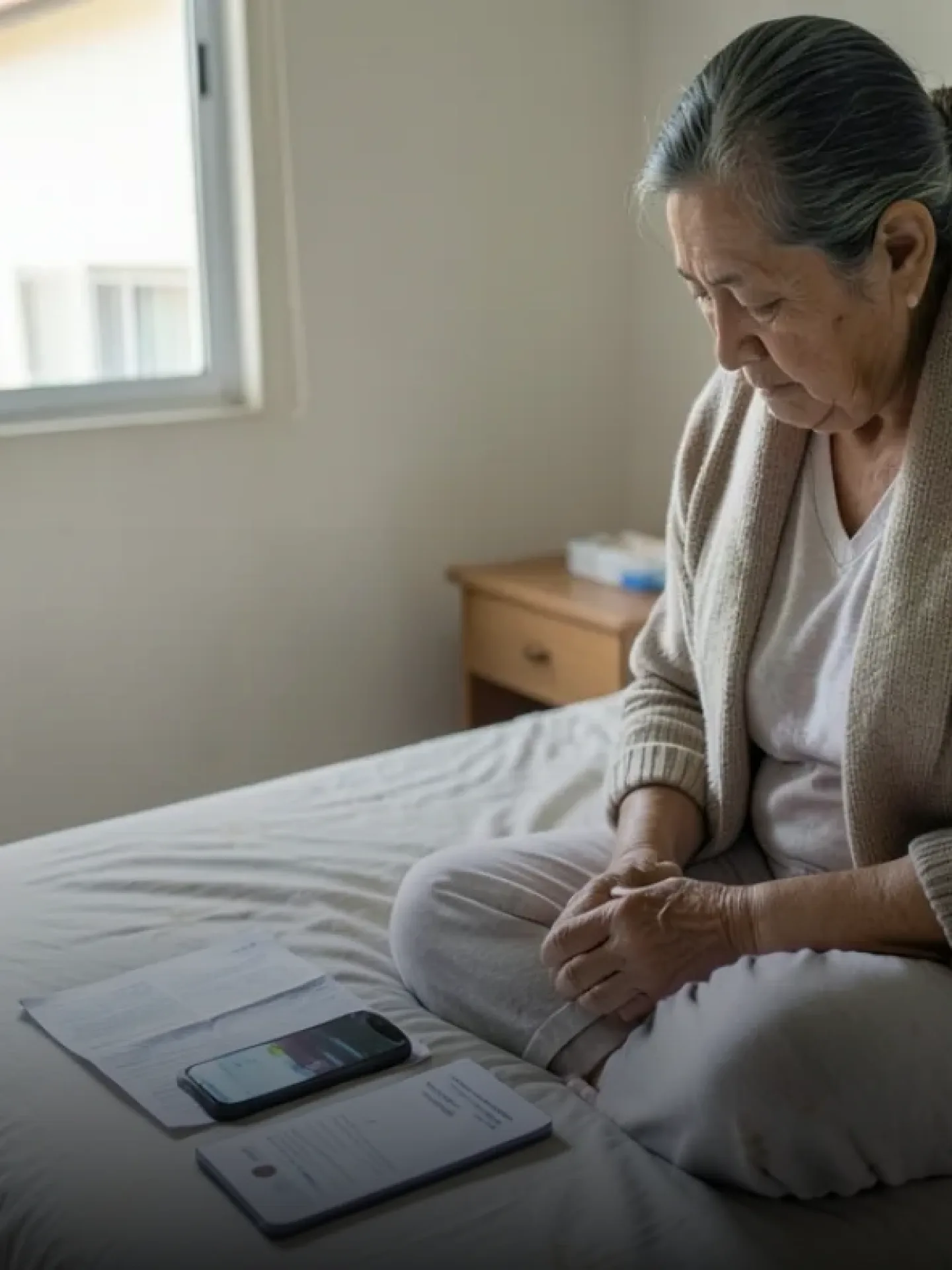
The most expensive mistake refugees and asylum seekers make in Brazil costs them months of income: they wait. They believe they must wait for CONARE (the National Committee for Refugees) to decide their case before they can work legally, enrol their children in school, or register with the public health system. So they take cash-in-hand jobs with no contract, no FGTS, no protection. Some wait two, three, even four years.
That wait is unnecessary and legally wrong. Under Law 9.474/1997 (the Brazilian Refugee Statute), the moment you file your asylum application with the Polícia Federal (Federal Police) and receive your Protocolo de Solicitação de Refúgio (Asylum Request Protocol), you hold a provisional document that authorises work, gives access to the public health system, and guarantees your children a place in public school. Not after the decision. From day one.
The rights exist. What fails is the transmission of information: an HR department that has never seen a protocol, a school secretary who asks for a birth certificate you do not have, a landlord who demands a guarantor you will never find. This article explains each of the four core rights (work, education, healthcare, housing), what document to hand over in each situation, what it costs in 2026, and how to respond when someone tells you “no”.
On this page
Can You Work Legally in Brazil While Your Asylum Case Is Pending?
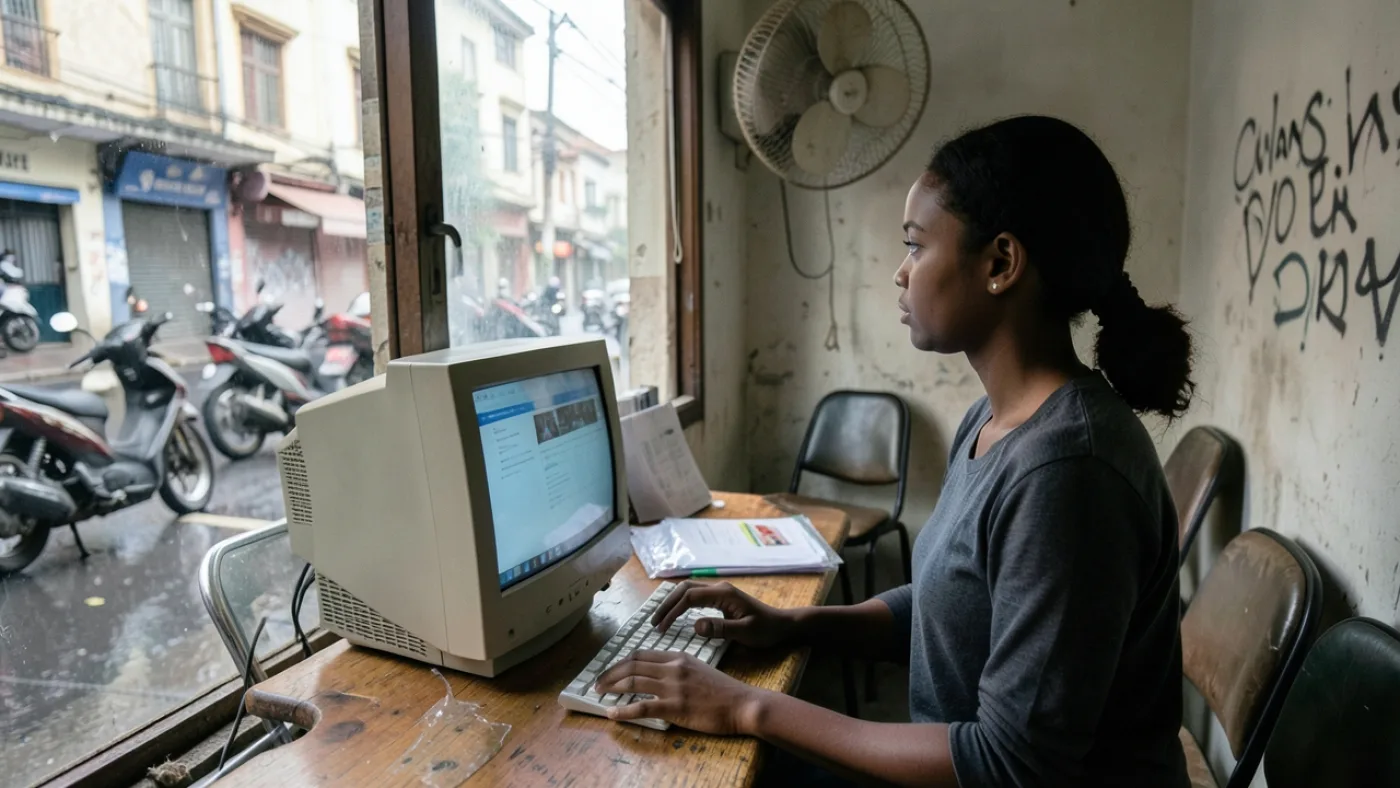
Yes. Under Law 9.474/1997, asylum seekers in Brazil receive a provisional residence document (the asylum protocol) that expressly authorises work and entitles you to issue a CTPS (work card). You do not wait for CONARE’s decision, which according to Ministry of Justice data routinely takes 1-3 years. Issuing your CPF (taxpayer number) costs R$ 7.00 at Correios.
Here is how it works in practice. After the Federal Police register your asylum request through Sisconare, the official system run by the Ministry of Justice, you receive a protocol document (increasingly issued digitally). That protocol is your legal status while the case is pending. It is not a favour and it is not provisional in the sense of “weak”: it is a residence document recognised by federal law.
The three documents an employer will actually ask for
- CPF (Cadastro de Pessoa Física, taxpayer registry number): requested at any Correios, Banco do Brasil or Caixa branch, or online through the Receita Federal portal. The counter fee is R$ 7.00 per Receita Federal’s published schedule. This is the single most important number in Brazilian life.
- Carteira de Trabalho Digital (Digital Work Card): since the CTPS went fully digital, you no longer need the old blue booklet. Once you have a CPF, you create a gov.br account and your work card exists automatically. The employer registers your contract electronically.
- Asylum protocol or CRNM: the protocol while the case is pending; the CRNM (National Migration Registry Card) once you are recognised as a refugee.
Watch out: Many HR departments have never seen an asylum protocol and will say “we cannot hire you without a CRNM”. That is factually wrong and you can correct it on the spot. The protocol carries an express work authorisation printed on it. Ask the employer to look up your CPF in the eSocial system: if the CPF is active, the hiring can be processed like any other.
Your labour rights are identical to a Brazilian’s. Minimum wage, 13th salary, paid vacation with the one-third bonus, FGTS deposits, overtime at a minimum of 50%, and unemployment insurance if dismissed without cause. There is no legal category of “refugee worker” with reduced rights. If an employer pays you less than the minimum wage because “you have no documents”, that is an actionable labour claim, and refugees can file it through the Labour Court with free legal assistance.
Important: Working without a registered contract is what actually destroys refugee families financially. No FGTS means no severance fund. No contract means no proof of income for a rental application, no INSS contributions toward retirement or sick pay, and no paper trail for a future naturalisation application. Insist on a signed contract.
You can also work as a self-employed professional or open a company. A refugee with a CRNM can register as MEI (individual microentrepreneur) or hold quotas in a Brazilian limited company, and foreigners may own 100% of a Brazilian company. If you go that route, note that a CNPJ registration requires a registered address, and Ribeiro Cavalcante provides a fiscal address in Brazil for clients who do not yet have a stable commercial address.
Do Refugee Children Have the Right to Attend Public School in Brazil?
Yes, unconditionally. Article 6 of the Brazilian Federal Constitution lists education as a social right, and Brazilian education law guarantees enrolment in public basic education regardless of migration status or missing documentation. A school cannot legally refuse a child because the family lacks a birth certificate or a transcript from the country of origin. Enrolment is free.
This is where the second costly mistake happens. A parent arrives at a municipal school, is asked for a histórico escolar (school transcript) and a certidão de nascimento (birth certificate), does not have them, and goes home believing the child cannot study. A year of schooling is lost. Sometimes more.
Brazilian education rules provide a solution for exactly this situation: classificação por avaliação (placement by assessment). If the child cannot document previous schooling, the school applies its own evaluation and places the child in the appropriate grade. It is a standard procedure, not a special favour.
- No birth certificate? A written declaration by the parents (declaração) plus the asylum protocol is accepted. Schools also accept a self-declaration of the child’s date of birth.
- No transcript? Request placement by assessment in writing.
- No Portuguese? Municipal networks in São Paulo, Rio de Janeiro, Manaus and Boa Vista operate reception classes and Portuguese-as-welcoming-language programmes.
- School says no anyway? Go to the Defensoria Pública da União (Public Defender’s Office of the Union). A single letter from the DPU resolves the majority of these refusals within days.
Example: A Congolese family in São Paulo with two children aged 9 and 13 arrived with no documents at all. The school initially refused enrolment. The DPU sent an official notification citing the constitutional right to education; both children were enrolled within eight days and placed by assessment, the younger in year 4 and the older in year 7. Total cost to the family: zero.
Higher education is also open. Federal universities apply ENEM-free or special selection processes for refugees at several institutions, and refugees may sit the ENEM (the national secondary school exam) using their CPF. Recognition of a foreign degree, though, is a separate and slower process: revalidação de diploma through a Brazilian public university, which typically takes 6-18 months and may involve fees of a few hundred reais. Plan for that timeline if your profession is regulated (medicine, law, engineering).
How Does SUS Work for Refugees and Asylum Seekers?
SUS (Sistema Único de Saúde, the Brazilian public health system) is universal and free at the point of use, and it covers refugees and asylum seekers on the same terms as Brazilian citizens. Article 6 of the Constitution guarantees health as a social right for all residents. You need a CNS (Cartão Nacional de Saúde), which is free to obtain.
SUS covers primary care consultations, vaccination, prenatal and childbirth care, emergency treatment, chronic disease medication through the Farmácia Popular programme, HIV and tuberculosis treatment, surgery and hospital admission. There is no bill at the end. There is also no legal basis for a clinic to require a CRNM: emergency care in particular cannot be refused to anyone, documented or not.
Getting your CNS: the practical route
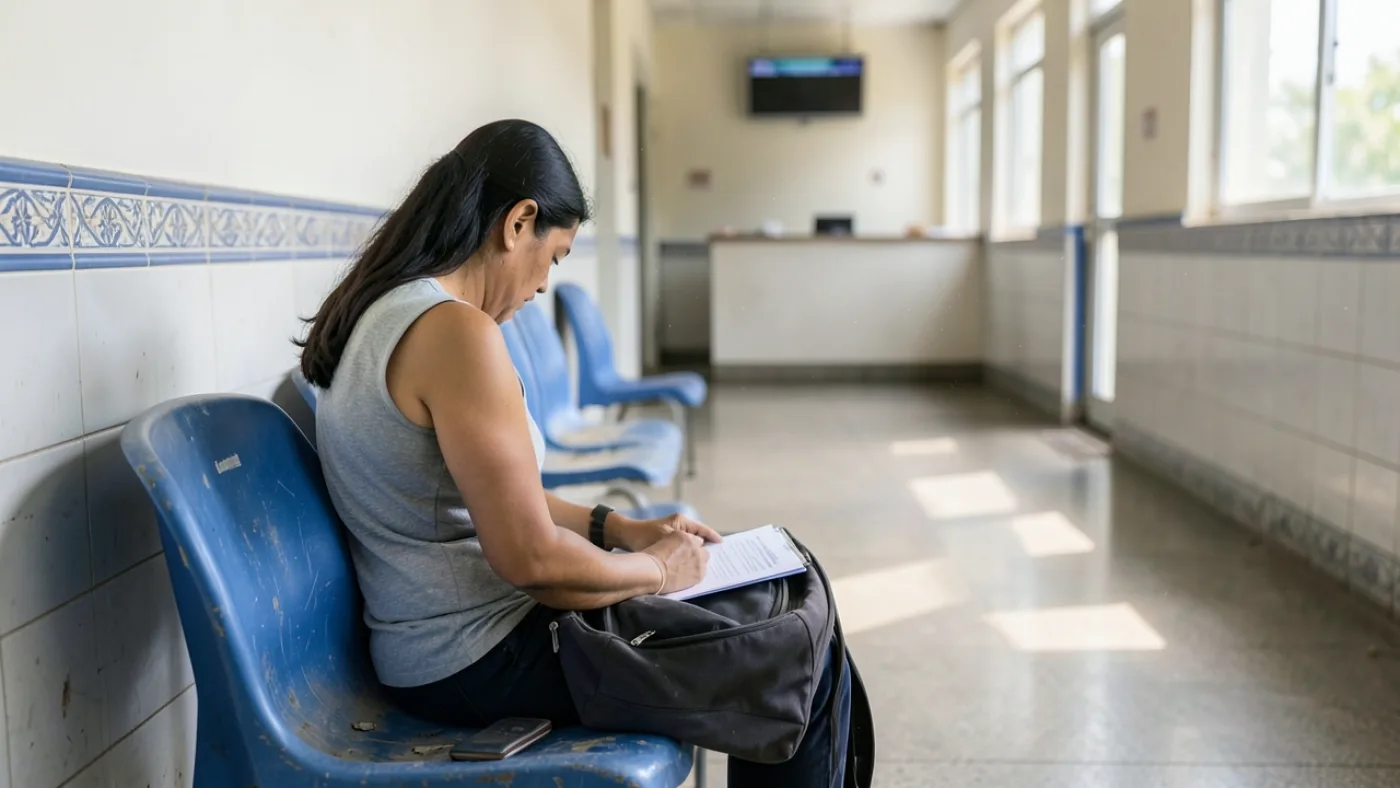
- Go to the nearest UBS (Unidade Básica de Saúde, basic health unit) in your neighbourhood. This is the entry door to the whole system.
- Bring your asylum protocol or CRNM, your CPF, and any proof of address. If you have no proof of address, a declaration of residence signed by you is accepted at most units, and shelter residents can use a letter from the shelter.
- Ask to register with the unit (cadastro). You will be linked to a family health team and, in most municipalities, receive your CNS number the same day.
- Cost: R$ 0. Anyone charging you for a CNS is committing fraud.
Tip: Register at the UBS closest to where you actually live even if your housing is temporary. The family health team system is territorial, and being on their list means community health agents can find you for vaccination follow-ups, prenatal appointments and chronic medication renewals. Mental health support, which many refugees need and few request, is also accessed through the UBS via CAPS referral.
Be realistic about waiting times. SUS is genuinely universal but genuinely strained. Primary care and emergency care are fast. Specialist appointments and elective surgery can involve queues of months. If your condition is urgent and the queue is not moving, the DPU can file a judicial claim to compel treatment, and Brazilian courts, which operate under a Civil Law system, have consistently ordered states to provide treatment where delay threatens life or health.
What Are Your Housing Options as a Refugee in Brazil?
Housing is the weakest of the four rights. Article 6 of the Constitution lists housing as a social right, but unlike SUS and public schooling there is no universal entitlement you can simply claim. In practice refugees use three routes: emergency shelter, social housing programmes, and private rental with alternative guarantees. Each has different waiting times and costs.
Option 1: Emergency shelter through UNHCR, Cáritas and municipal networks
How it works: you present yourself at a reception centre or municipal social assistance service (CRAS) and are placed in a shelter. UNHCR partners such as Cáritas and, in the North, the shelters connected to Operação Acolhida, run reception spaces with beds, meals and orientation.
Requirements: minimal. Your asylum protocol, sometimes not even that. Pros: immediate, free, and shelters often provide Portuguese classes, document assistance and job referrals in the same building. Cons: space is limited and stays are time-limited (commonly 3-6 months). Shelters are collective, offer little privacy, and family units are not always kept together. The UNHCR Brazil help portal lists reception services by city in several languages, including English, Arabic and French.
Option 2: Social housing and rent subsidy programmes
How it works: you register at CRAS for municipal or state programmes, which may include aluguel social (social rent subsidy) or a place on the waiting list for subsidised housing. Refugees with CPF and a residence document are eligible on the same terms as Brazilians, and being registered in CadÚnico (the federal social registry) is normally a precondition.
Pros: genuine long-term stability and the only route that leads to permanent housing. It also unlocks other CadÚnico benefits such as Bolsa Família and the social electricity tariff, for which refugees qualify. Cons: the waiting lists are long, often measured in years, and programmes are municipal, so what exists in São Paulo may not exist in Curitiba. You will need proof of low income, which brings us back to the importance of a registered employment contract or a formal declaration of income.
Option 3: Private rental with alternative guarantees
How it works: you rent on the open market under the Brazilian Tenancy Law. The obstacle is not your migration status, it is the guarantee. Brazilian landlords traditionally demand a fiador (guarantor) who owns property in the same city. A refugee almost never has one.
The law allows alternatives, and this is the single most useful thing to know about renting in Brazil:
- Caução (security deposit): legally capped at three months’ rent. If rent is R$ 1,200, the maximum deposit is R$ 3,600.
- Seguro-fiança (rental insurance): an insurer replaces the guarantor. Typically costs the equivalent of 1-1.5 months’ rent per year, paid in instalments.
- Título de capitalização: a bank product where you deposit a lump sum, refunded at the end of the lease.
- Guarantee-fee platforms: digital rental guarantee companies charge a monthly fee and do not require a guarantor. They do run a credit check on your CPF.
Caution: A landlord cannot legally demand a guarantor AND a security deposit at the same time. The Tenancy Law permits only one form of guarantee per contract. If you are asked for both, the clause is challengeable, and pointing this out politely often ends the demand. Always sign a written contract and never accept a verbal arrangement: without a contract you have no protection against sudden eviction.
How Do the Three Housing Routes Compare in 2026?
Emergency shelter is immediate and free but lasts 3-6 months. Social housing is stable but can involve waiting lists of years. Private rental is available now if you can raise 1-3 months’ rent as a guarantee. The table below compares the three on requirements, cost and realistic timeline for a refugee family in 2026.
| Criterion | Emergency shelter | Social housing / rent subsidy | Private rental |
|---|---|---|---|
| Documents needed | Asylum protocol (sometimes none) | CPF, protocol or CRNM, CadÚnico, proof of income | CPF, residence document, proof of income |
| Upfront cost | R$ 0 | R$ 0 to register | Deposit up to 3x rent, or insurance at 1-1.5x rent/year |
| Realistic timeline | Same day to 2 weeks | Months to years on a waiting list | 1-4 weeks once guarantee is arranged |
| Duration | Usually 3-6 months | Long term | Typically 30-month contract |
| Privacy | Low, collective living | High | High |
| Main obstacle | Limited places | Queue length, varies by municipality | Guarantee requirement, credit check |
| Extra support included | Meals, Portuguese classes, document help | Unlocks Bolsa Família, social tariffs | None |
What Will the Authority or Employer Argue Against You?
The strongest argument against you is this: an asylum protocol is provisional, revocable and can be cancelled if CONARE denies your case, so relying on it creates legal exposure for whoever accepts it. It is a real argument, not a strawman, and it is why employers, banks and landlords hesitate. Here is why it fails.
Legally, the protocol is a residence document issued by the Federal Police under a federal statute. While it is valid, it is valid, full stop. An employment contract signed during a valid protocol period is a lawful contract; a lease signed then is a lawful lease. If CONARE later denies the asylum claim, the consequence is a change in your migration status going forward, not the retroactive nullity of contracts already performed. No employer has ever been fined for hiring a worker with a valid asylum protocol and an active CPF.
Second, a denial is not the end of the road. You can appeal to the Minister of Justice, and even after a final denial the Brazilian Migration Law offers other residence pathways, including humanitarian residence, family reunification and work-based residence. A denial also opens a regularisation window rather than triggering instant removal: see our guide to the 60-day window to fix your status before deportation proceedings advance.
Key point: This is the real answer to why so many people lose these rights. Nobody takes the rights away. The rights lapse because the person accepts the first “no” from a receptionist, an HR clerk or a school secretary, and never escalates. Escalation is free: the DPU, the Ministério Público and CONARE’s own reference services cost nothing.
What Changed for Refugee Rights in Brazil in 2026?
The most practical change in 2026 is the digital CRNM. A digital version of the National Migration Registry Card is now available through gov.br and the associated mobile app, alongside the physical card. The CRNM issuance fee remains R$ 204.77 according to the Federal Police fee schedule, and the CPF costs R$ 7.00 at Correios.
Why the digital card matters more than it sounds: refugees lose physical documents constantly, during moves between shelters, in flooding, in theft, in precarious housing. Each replacement used to mean a new appointment, a new fee and weeks without a valid ID. A digital copy on your phone, backed by your gov.br account, means you can prove status at a hospital or a job interview even when the card is gone.
- Sisconare consolidation: asylum applications, protocol renewals and address changes are handled through the Ministry of Justice’s online system, reducing in-person Federal Police visits. Renewal reminders arrive by email, so keep your address updated.
- Digital CTPS as the default: the physical work booklet is effectively obsolete. Employers register contracts electronically against your CPF.
- Continued Cartagena-based recognition: Brazil continues to apply Article 1, III of Law 9.474/1997, which recognises as refugees those fleeing a serious and generalised violation of human rights. This broader standard is why Brazil has recognised Venezuelan applicants in large numbers.
You can read the full text of Law 9.474/1997 on the Planalto government portal, and the Ministry of Justice publishes its refugee guidance through the Ministry of Justice site. Both are in Portuguese; UNHCR’s help portal is the multilingual equivalent.
Step by Step: Activating All Four Rights in 30 Days
You can activate work, health, education and housing support in roughly four weeks, and total out-of-pocket cost is under R$ 20 if you use only public services. The only unavoidable fee in the early stage is the CPF at R$ 7.00 per Receita Federal’s schedule. Everything else on this list is free.
- Week 1, protocol: file the asylum application through Sisconare and attend the Federal Police appointment. Keep the protocol number and photograph the document. See our step-by-step guide to applying for asylum for the filing detail.
- Week 1, CPF: Correios, Banco do Brasil or Caixa. R$ 7.00. Bring the protocol.
- Week 2, gov.br account: create it using your CPF. This unlocks the Digital CTPS, digital documents and most federal services.
- Week 2, UBS registration: get your CNS and register with the local family health team. Free.
- Week 2, CRAS visit: register in CadÚnico. This is the gateway to Bolsa Família, social electricity tariff and municipal housing programmes.
- Week 3, school enrolment: go to the municipal education secretariat or the nearest school. Request placement by assessment if you lack transcripts.
- Week 3, bank account: open a basic account with CPF and protocol. Digital banks are usually the least resistant.
- Week 4, housing and work: with a CPF, a CNS, a bank account and CadÚnico registration, you can apply for formal jobs and negotiate a rental using a deposit or rental insurance instead of a guarantor.
Remember: Renew your protocol before it expires. An expired protocol is the single most common reason refugees are told “your document is invalid” and lose access to services. Renewal is administrative and free, but a lapsed document can be treated as an irregular stay, with the fine risk described in our article on the R$ 10,238 overstay fine.
Frequently Asked Questions About Refugee Rights in Brazil
Can I be fired for being an asylum seeker rather than a recognised refugee?
No. Brazilian labour law does not distinguish between a worker holding an asylum protocol and one holding a CRNM. Both are lawfully resident with work authorisation. Dismissal based on migration status would be discriminatory and actionable in the Labour Court. What can create a problem is an expired protocol, because the employer’s payroll system may flag the document as invalid. Renew the protocol on time and keep a digital copy on your phone and in your gov.br account.
Does the asylum protocol let me open a bank account and get credit?
Yes for a basic account. Brazilian banks are required to accept valid identity documents, and the asylum protocol combined with a CPF is sufficient for opening a simple account. Digital banks are typically the fastest route. Credit is different: it depends on your credit history with your CPF, which starts empty. Expect to be refused credit cards and financing in the first months. Formal employment with registered income is what builds your credit profile fastest.
Can my family join me in Brazil if I am recognised as a refugee?
Yes. Law 9.474/1997 allows the extension of refugee status to your spouse, ascendants, descendants and economically dependent relatives who are in Brazil. For family members still abroad, family reunification under the Brazilian Migration Law is the route, handled through a Brazilian consulate. Both processes require proof of the family relationship, which is where refugees struggle most, since original certificates are often unobtainable. Alternative evidence such as declarations, photographs and consular affidavits can be accepted.
Am I entitled to Bolsa Família and other social benefits as a refugee?
Yes, if you meet the same income criteria as Brazilian applicants. Federal social benefits are based on residence and income, not nationality, and refugees and asylum seekers registered in CadÚnico with a CPF are eligible. The practical requirement is the CadÚnico registration at CRAS, which needs a residence document and a declared address. Shelter residents can normally use the shelter address. Keep your CadÚnico data updated annually or payments are suspended automatically.
How long until I can apply for Brazilian naturalisation as a refugee?
Recognised refugees benefit from a reduced residence requirement compared with ordinary naturalisation, and years spent lawfully in Brazil under a valid protocol or CRNM count toward it. You will also need to demonstrate Portuguese language ability and a clean criminal record. Because the counting of time and the applicable category depend on your individual documents, have a lawyer review your dates before filing. A rejected naturalisation application restarts a long administrative queue.
Secure Your Refugee Rights in Brazil: Take the Next Step
Quick recap: Your asylum protocol authorises work from day one. SUS and public schooling are free and cannot lawfully be refused. Housing has three routes: shelter now, social housing later, private rental with a deposit or rental insurance instead of a guarantor. The rights are there; what loses them is accepting the first refusal.
If you have been told you cannot work, cannot enrol your child, or cannot rent because of your status, the practical next step is to have your documents reviewed and the refusal answered in writing. Send us a photograph of your protocol or CRNM and a one-line description of who said no, and our bilingual team will tell you which authority to escalate to and what the letter needs to say.
Talk to a specialist lawyer now
Talk to a Lawyer on WhatsApp