You’ve fled danger, violence, or persecution and finally reached Brazil hoping for safety and a new beginning. But now you face a daunting question: how exactly do you apply for asylum here? What documents do you need? Can you work while you wait? Will your family be protected?
The good news: Brazil has one of the most humanitarian asylum systems in Latin America. The challenging news: navigating the Polícia Federal (Federal Police), CONARE (National Committee for Refugees), and Brazilian bureaucracy requires patience and the right information.
This guide walks you through the complete asylum application process in Brazil for 2026. You’ll learn exactly where to apply, what documents to bring, how long it takes, and what rights you have from day one. We’ve compiled real costs, realistic timelines, and practical solutions based on current Brazilian law and thousands of successful cases.
What Is Asylum in Brazil and How Does It Work?
Asylum (refúgio) in Brazil is legal protection granted to foreigners who cannot return to their home country due to well-founded fear of persecution or serious threats to their life and freedom.
Brazil follows both the 1951 Geneva Convention definition AND the broader Cartagena Declaration standard. This means you may qualify if you’re fleeing persecution based on race, religion, nationality, political opinion, or membership in a social group. But Brazil also recognizes asylum seekers escaping generalized violence, internal armed conflict, or massive human rights violations.
The process is managed by CONARE (Comitê Nacional para os Refugiados), a government body under the Ministry of Justice that reviews all asylum applications. However, your first contact is always with the Polícia Federal, which registers your asylum request and issues your protocolo—a temporary document proving you’ve applied.
Here’s what makes Brazil’s system unique: you receive immediate legal protection from the moment you file your application. You cannot be deported to a country where your life or freedom is threatened (this is called the non-refoulement principle). You’re immediately authorized to work, obtain a CPF (Brazilian tax ID), open a bank account, and access public healthcare and education—all while your case is being reviewed.
The entire process typically takes 12 to 30 months from application to final decision, though timelines vary significantly by region and nationality. Venezuelan asylum seekers, for example, often face longer processing times due to the high volume of applications since 2017.
Who Can Apply for Asylum in Brazil?
Under Lei 9.474/1997 (Brazil’s Refugee Law), you may qualify for asylum if you meet any of these criteria:
- You have a well-founded fear of persecution due to your race, religion, nationality, membership in a particular social group, or political opinion
- You’re fleeing serious and generalized violation of human rights in your country
- Your country is experiencing internal armed conflict, foreign aggression, or widespread violence that makes return impossible
- You face threats due to your sexual orientation or gender identity (Brazil recognizes LGBTQIA+ persecution as grounds for asylum)
- You’re a victim of human trafficking who cannot safely return home
You do NOT need to be in Brazil legally to apply. Even if you entered without a visa or overstayed a tourist visa, you can still file an asylum application. Your irregular immigration status is suspended once you apply—you will not be deported while your case is pending.
Brazil accepts asylum applications from anyone physically present in Brazilian territory or at a border crossing. You can apply at any Polícia Federal office, at international airports upon arrival, or at land border posts.
Family members can be included in your application. If you’re granted refugee status, your spouse and minor children (under 18) automatically receive derivative refugee status—they don’t need to prove their own persecution.
Where and How to Apply: Step-by-Step Process
The asylum application process in Brazil has three main stages: initial registration, CONARE interview, and final decision. Here’s exactly how it works in 2026.
Step 1: Register Your Asylum Request at Polícia Federal
Go to the nearest Polícia Federal office. In major cities (São Paulo, Rio de Janeiro, Brasília, Belo Horizonte), there are specific units that handle asylum applications. At smaller locations, any Polícia Federal office can process your request.
You’ll fill out a Termo de Declaração (Declaration Form) explaining why you’re seeking asylum. Be prepared to provide basic information about your identity, nationality, travel route to Brazil, and the reasons you cannot return home. This initial interview is brief—typically 30 to 60 minutes.
The officer will take your photo and fingerprints. You’ll receive your protocolo de solicitação de refúgio immediately or within 1-7 business days. This document is valid for one year and can be renewed indefinitely while your case is pending.
Cost: FREE. Brazil does not charge any fee to apply for asylum.
Step 2: Obtain Your CPF (Tax ID Number)
With your protocolo, immediately apply for a CPF at any Receita Federal office or Correios postal agency. The CPF is essential—you cannot work legally, open a bank account, or sign contracts without it.
Bring your protocolo and passport (or any identity document). The CPF is issued instantly at Receita Federal (free) or within 5 business days at Correios (R$ 7.00 processing fee, approximately US$1.30).
Step 3: Register for Work Permit (CTPS Digital)
Brazil’s work permit system is now fully digital. Download the Carteira de Trabalho Digital app (available for iOS and Android) and register using your CPF and protocolo number.
Your work authorization is automatic—the protocolo itself grants you the legal right to work. Employers can verify your status through the gov.br portal using your CPF.
Cost: FREE.
Step 4: Wait for CONARE Interview Scheduling
CONARE will schedule your eligibility interview. In 2026, wait times vary dramatically:
- São Paulo: 8-15 months
- Rio de Janeiro: 10-18 months
- Brasília: 6-12 months
- Roraima (border region): 12-24 months due to Venezuelan case backlog
- Other regions: 6-14 months
You’ll receive notification by registered mail or email (if you provided an email address). CONARE now offers remote interviews via videoconference for applicants outside major cities.
Step 5: Attend Your CONARE Interview
This is the most important step. The interview typically lasts 1-3 hours. A CONARE officer will ask detailed questions about your persecution or the dangers you faced, your travel route, and why you cannot return home.
Be honest and specific. Provide names, dates, locations, and details about threats or violence. If you have evidence (police reports, medical records, photos, news articles), bring copies.
You have the right to a translator if you don’t speak Portuguese. CONARE provides interpreters for major languages (Spanish, English, French, Arabic, Haitian Creole). For less common languages, inform CONARE in advance so they can arrange interpretation.
You may bring a lawyer, but it’s not required. Many asylum seekers represent themselves successfully. If you want legal representation, NGOs like Cáritas and UNHCR partners offer free legal assistance in major cities.
Step 6: Receive CONARE’s Decision
After your interview, CONARE deliberates and issues a decision. This takes 3-12 months on average.
If approved: You receive refugee status (Refúgio Reconhecido). The Polícia Federal will issue your CRNM (National Immigration Registration Card) for refugees, valid for 5 years and renewable indefinitely. Cost: R$ 204.77 (approximately US$40).
If denied: You have 15 days to appeal to CONARE. Appeals are reviewed by the same committee but with additional scrutiny. If your appeal is also denied, you may file a judicial review in federal court. During appeals, your protocolo remains valid and you can continue working legally.
Required Documents: What You Need to Apply
Brazil’s asylum system prioritizes access over paperwork. You can apply even if you have minimal documentation. Here’s what you should bring to the Polícia Federal:
Essential Documents
- Passport or national identity card (if you have it—not required if you fled without documents)
- Birth certificate (if available)
- Marriage certificate (if applying with a spouse)
- Children’s birth certificates (if applying with minor children)
Supporting Evidence (Recommended but Not Required)
- Police reports documenting threats or violence
- Medical records showing injuries from persecution
- News articles about violence in your region or targeting your group
- Photos or videos documenting threats
- Letters from witnesses or community leaders
- Court documents if you faced legal persecution
If you don’t have any documents: You can still apply. The Polícia Federal will register your asylum request based on your oral testimony. CONARE understands that many refugees flee with nothing.
If your documents are in a foreign language: Bring them anyway. For the initial application, translations are not required. If CONARE needs translated documents for your interview, they will inform you. Official translations (tradução juramentada) cost R$ 50-150 per page in Brazil.
Costs and Fees: How Much Does Asylum Cost in Brazil?
Brazil’s asylum application process is largely free, making it accessible to people fleeing with limited resources. Here’s the complete cost breakdown for 2026:
| Service | Cost (BRL) | Cost (USD) |
|---|---|---|
| Asylum application (Polícia Federal) | R$ 0 | FREE |
| Protocolo issuance and renewals | R$ 0 | FREE |
| CPF at Receita Federal | R$ 0 | FREE |
| CPF at Correios | R$ 7.00 | ~US$ 1.30 |
| Digital work permit (CTPS) | R$ 0 | FREE |
| CONARE interview | R$ 0 | FREE |
| CRNM for recognized refugees | R$ 204.77 | ~US$ 40 |
| Sworn translation (per page) | R$ 50-150 | ~US$ 10-30 |
Living costs while waiting: Brazil does not provide cash assistance or monthly stipends to asylum seekers. You must support yourself through work or rely on NGO assistance.
Some organizations provide temporary support:
- Cáritas Brasil: Temporary shelter (3-6 months), food vouchers, legal assistance in São Paulo, Rio de Janeiro, and other cities
- UNHCR partners: Rental subsidies for the first 3-6 months in select cities
- Catholic and evangelical churches: Emergency food, clothing, and temporary housing
- IKMR (I Know My Rights): Free legal consultations and document assistance
Expect to budget R$ 2,000-8,000 per month for basic living expenses (rent, food, transportation) depending on the city. São Paulo and Rio de Janeiro are significantly more expensive than cities in the Northeast or interior regions.
What Rights Do You Have While Your Application Is Pending?
From the moment you receive your protocolo, you have extensive legal rights in Brazil. This is one of the most generous aspects of Brazil’s asylum system compared to other countries.
Right to work: You can work legally in any job, start a business, or work as a freelancer. Your protocolo is proof of work authorization. Employers can verify your status online through the Polícia Federal portal. You have the same labor rights as Brazilian citizens—minimum wage, paid vacation, 13th salary, FGTS (severance fund), and social security contributions.
Right to healthcare: You have full access to SUS (Sistema Único de Saúde), Brazil’s universal public healthcare system. Register at your local health post (Unidade Básica de Saúde) using your protocolo and CPF. Services are completely free—doctor visits, hospital care, medications, vaccinations, prenatal care, and emergency treatment.
Right to education: Your children have the right to enroll in public schools immediately. Schools cannot refuse enrollment due to lack of documents. Bring your protocolo and your children’s birth certificates (or a sworn statement if you don’t have them). Public education is free from preschool through high school.
Right to open a bank account: Most Brazilian banks (Banco do Brasil, Caixa Econômica Federal, Bradesco, Itaú) accept the protocolo as identification. You can open a savings account and receive a debit card. Some banks may require proof of address (a utility bill or rental contract).
Right to housing: You can legally rent property using your protocolo. However, most landlords require a fiador (guarantor)—a Brazilian citizen or permanent resident who owns property and agrees to cover your rent if you default. This is a significant barrier for new arrivals. Alternative options include shared housing, NGO-assisted rentals, or paying 3-6 months’ rent in advance.
Protection from deportation: You cannot be deported while your asylum application is pending. If police or immigration authorities question you, show your protocolo. If you’re detained, immediately request contact with UNHCR or a lawyer.
For a comprehensive overview of these rights and how to access them, see our detailed guide on refugee rights in Brazil for 2026.
How Long Does the Asylum Process Take in Brazil?
Realistic timelines based on 2026 data:
- Protocolo issuance: 1-7 business days after applying at Polícia Federal
- CPF issuance: Same day (Receita Federal) or 5 business days (Correios)
- CONARE interview scheduling: 6-18 months (varies by location and nationality)
- Decision after interview: 3-12 months
- Total processing time: 12-30 months from application to final decision
- Appeals (if denied): Additional 6-18 months
Factors that affect processing time:
Your nationality: Venezuelan, Syrian, and Afghan applicants often face longer waits due to high application volumes. Applicants from countries with smaller refugee populations (e.g., Eritrea, Myanmar, Cameroon) may be processed faster.
Your location: CONARE processes applications faster in Brasília, Belo Horizonte, and smaller cities. São Paulo and Roraima have significant backlogs.
Complexity of your case: Applications involving family reunification, minors, or sensitive persecution claims (LGBTQIA+, gender-based violence) may require additional review time.
During the wait, your protocolo must be renewed annually. Go to the Polícia Federal 30 days before expiration. Renewal is free and usually processed the same day.
What Changed in 2026 for Asylum Applications?
Several administrative improvements have streamlined Brazil’s asylum system in 2026:
Digital protocolo: The Polícia Federal now issues digital protocolos that can be accessed through the gov.br app. This reduces the risk of losing your physical document and makes verification easier for employers and service providers.
Remote CONARE interviews: Expanded videoconference options mean applicants in remote areas no longer need to travel hundreds of kilometers to regional CONARE offices. This has significantly reduced costs and improved access for asylum seekers in the Amazon region and interior Northeast.
Faster family reunification: CONARE now processes derivative refugee status for family members within 60-90 days if the principal applicant has already been recognized. Previously, family members waited 6-12 months.
Integration with CPF database: The Receita Federal and Polícia Federal systems are now linked, so your CPF is automatically flagged as belonging to an asylum seeker. This prevents administrative errors and speeds up verification for employers and banks.
No legislative changes: Brazil’s core refugee law (Lei 9.474/1997) remains unchanged. Proposed reforms to expand humanitarian visa categories are still under congressional review but have not been enacted.
For more details on CONARE’s updated procedures, see our guide on the CONARE refugee application process.
Can You Travel Outside Brazil While Your Application Is Pending?
This is one of the most common questions asylum seekers ask—and the answer is complicated.
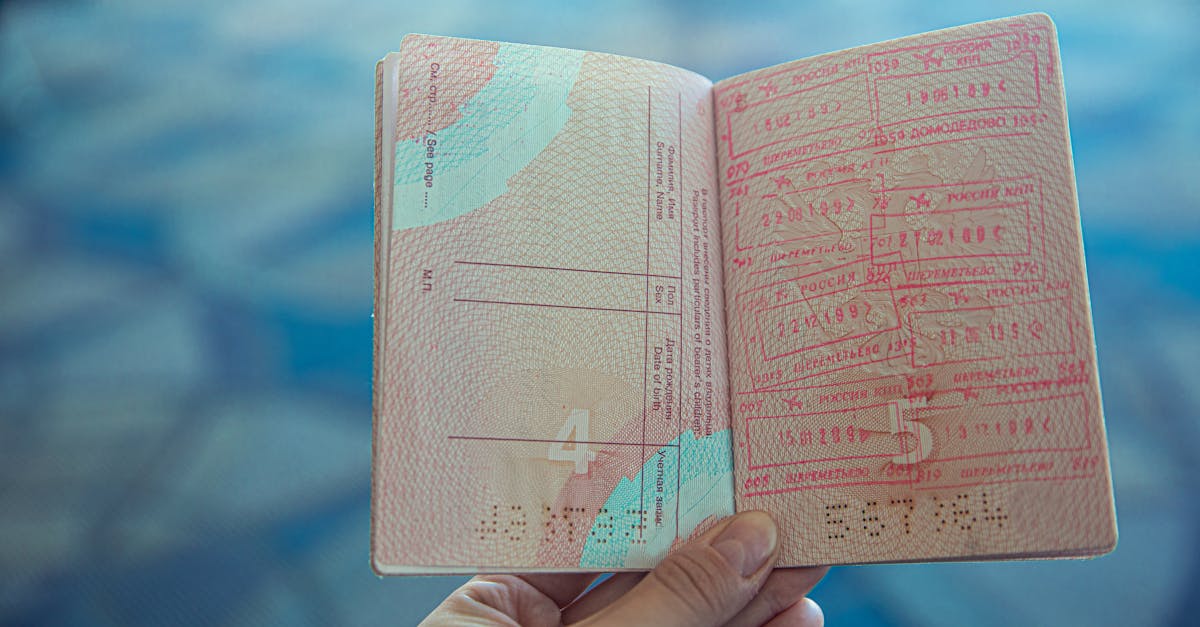
With only a protocolo, you cannot travel outside Brazil and return. The protocolo is not a travel document. If you leave Brazil before your asylum case is decided, your application is automatically considered abandoned.
Exception: If you have a valid passport from a third country (not your country of origin) and a visa to another country, you could theoretically exit Brazil. But re-entering would require a new visa or asylum application. This is extremely risky and generally not advisable.
After recognition: Once CONARE grants you refugee status and you receive your CRNM, you can apply for a Brazilian travel document (Documento de Viagem para Refugiados) at the Polícia Federal. This functions like a passport and allows you to travel internationally. Cost: R$ 257.25 (approximately US$50). Processing time: 30-60 days.
Important restriction: You cannot travel to your country of origin. Doing so may result in revocation of your refugee status, as it suggests you no longer fear persecution.
What Happens If Your Asylum Application Is Denied?
If CONARE denies your application, you receive a written decision explaining the reasons. Common grounds for denial include:
- Insufficient evidence of persecution or threat
- Inconsistencies in your testimony
- Determination that you’re fleeing general poverty rather than targeted persecution
- Evidence that you committed serious crimes or pose a security threat
You have three options after denial:
File an appeal with CONARE: You have 15 days from notification to submit a written appeal (recurso) explaining why the decision was incorrect. Appeals are reviewed by the full CONARE committee. Approval rate for appeals: approximately 15-20%. Processing time: 6-18 months. Your protocolo remains valid during the appeal.
Apply for humanitarian visa: If your asylum claim is denied but you still cannot safely return home, you may qualify for a humanitarian visa under Article 14 of the Migration Law. This is a residency visa (not refugee status) granted for humanitarian reasons. It provides work authorization and a path to permanent residency but fewer protections than refugee status.
File a judicial review: You can challenge CONARE’s decision in federal court (Justiça Federal). This requires a lawyer. Success rate varies but is generally low unless there were procedural errors in your case. Court proceedings can take 2-5 years.
If all options are exhausted: You’re required to leave Brazil. However, deportation enforcement is inconsistent. Many denied asylum seekers remain in Brazil irregularly, though this means losing work authorization and legal protections.
Frequently Asked Questions About Applying for Asylum in Brazil
Can I apply for asylum if I entered Brazil as a tourist?
Yes, absolutely. Many asylum seekers enter Brazil on tourist visas or visa-free entry and then apply for asylum after arrival. Your initial immigration status does not affect your right to seek asylum. Once you file your asylum application, your tourist status is suspended and you receive a protocolo. You will not be penalized for overstaying a tourist visa if you apply for asylum before it expires.
Do I need a lawyer to apply for asylum in Brazil?
No, legal representation is not required. Many asylum seekers successfully navigate the process without a lawyer. The Polícia Federal and CONARE staff are trained to assist applicants. However, having a lawyer can be helpful if your case is complex (e.g., you have criminal history, your persecution is difficult to document, or you’re filing an appeal). Several NGOs provide free legal assistance: Cáritas Brasil, Conectas Direitos Humanos, and UNHCR partner organizations. If you want private legal representation, expect to pay R$ 3,000-10,000 for full representation through the CONARE process.
Can my family members apply for asylum with me?
Yes. Your spouse and minor children (under 18) can be included in your asylum application as dependents. They receive derivative refugee status if your application is approved—they don’t need to prove their own persecution. Adult children (18+) and other family members must file separate applications and demonstrate their own grounds for asylum. If you’re already recognized as a refugee and your family is still abroad, you can apply for family reunification through CONARE. Processing time: 60-90 days in 2026.
What if I don’t speak Portuguese? Will I get an interpreter?
Yes, CONARE provides free interpreters for asylum interviews. Common languages available include Spanish, English, French, Arabic, Haitian Creole, and Mandarin. If you speak a less common language, inform the Polícia Federal when you file your application so CONARE can arrange interpretation in advance. During your initial registration at Polícia Federal, officers often speak basic Spanish or English, or they will find a colleague who does. You also have the right to bring your own interpreter to the CONARE interview if you prefer.
Can I apply for Brazilian citizenship after receiving refugee status?
Yes, but the timeline is shorter than for other immigrants. Refugees can apply for naturalization after just 4 years of residency in Brazil (compared to 10 years for most foreign residents). You must demonstrate Portuguese language proficiency, have no serious criminal record, and show integration into Brazilian society. Once you receive Brazilian citizenship, you can apply for a Brazilian passport and travel freely. However, naturalization does not automatically revoke your refugee status—you can maintain both if needed.
What happens if I lose my protocolo before my case is decided?
Go immediately to the Polícia Federal office where you originally applied and request a segunda via (replacement copy). Bring any identification you have and your CPF. Replacement is free and usually issued the same day. In 2026, if you registered through the digital system, you can also access your protocolo through the gov.br app, which reduces the risk of being without documentation.
Navigate Brazilian Asylum Law with Bilingual Legal Support
Applying for asylum in Brazil is a complex process that can determine your safety and your family’s future. While Brazil’s humanitarian system is accessible, having experienced legal guidance ensures you present the strongest possible case and understand your rights at every stage.
Our bilingual legal team at Ribeiro Cavalcante Advocacia has extensive experience supporting refugees and asylum seekers navigating Brazilian immigration law. We provide clear guidance in English and Portuguese, help you prepare for your CONARE interview, and represent you through appeals if needed.
Whether you’re just arriving in Brazil or facing challenges with your pending application, we’re here to help you build a safe, legal future.
Fale agora com um advogado especialista
Falar com Advogado no WhatsApp