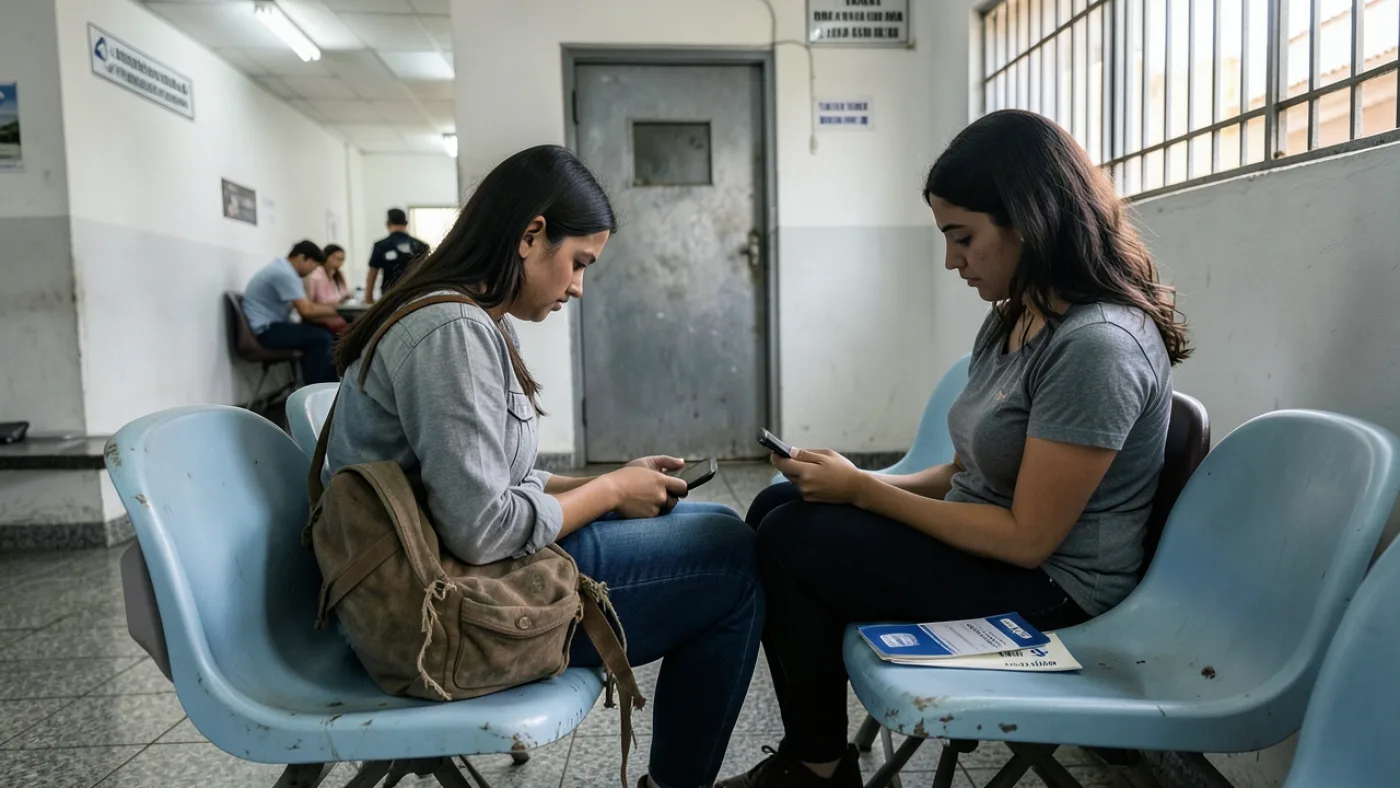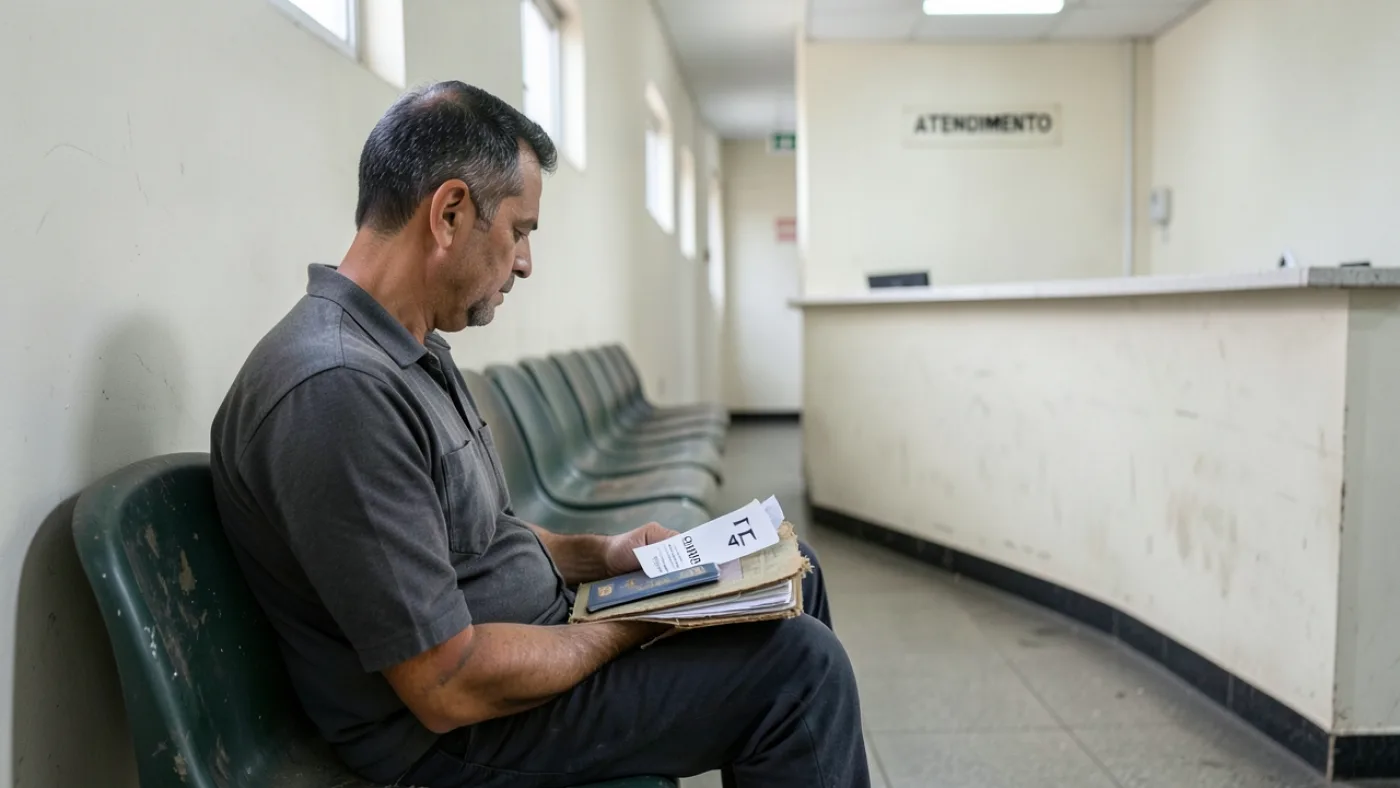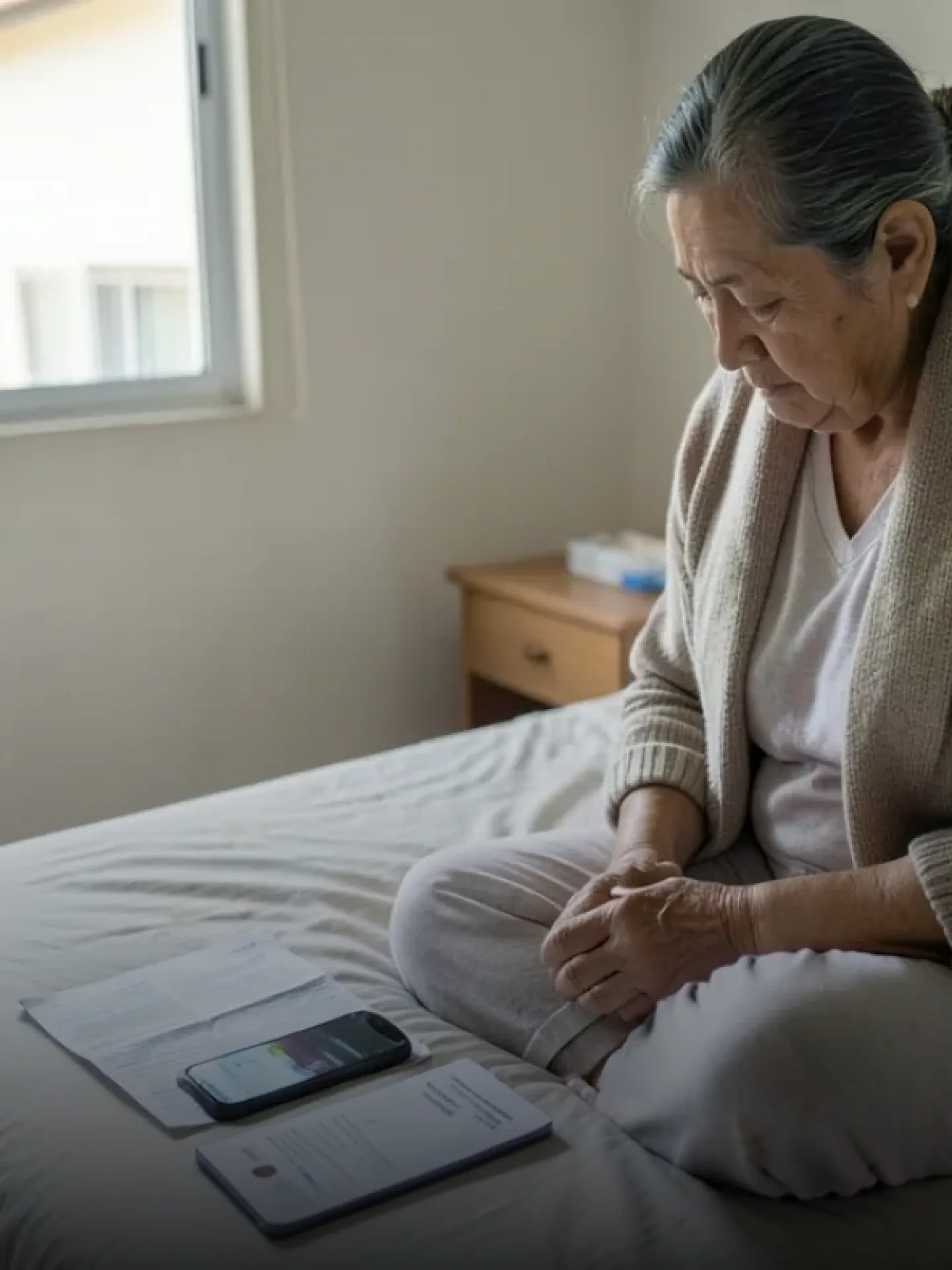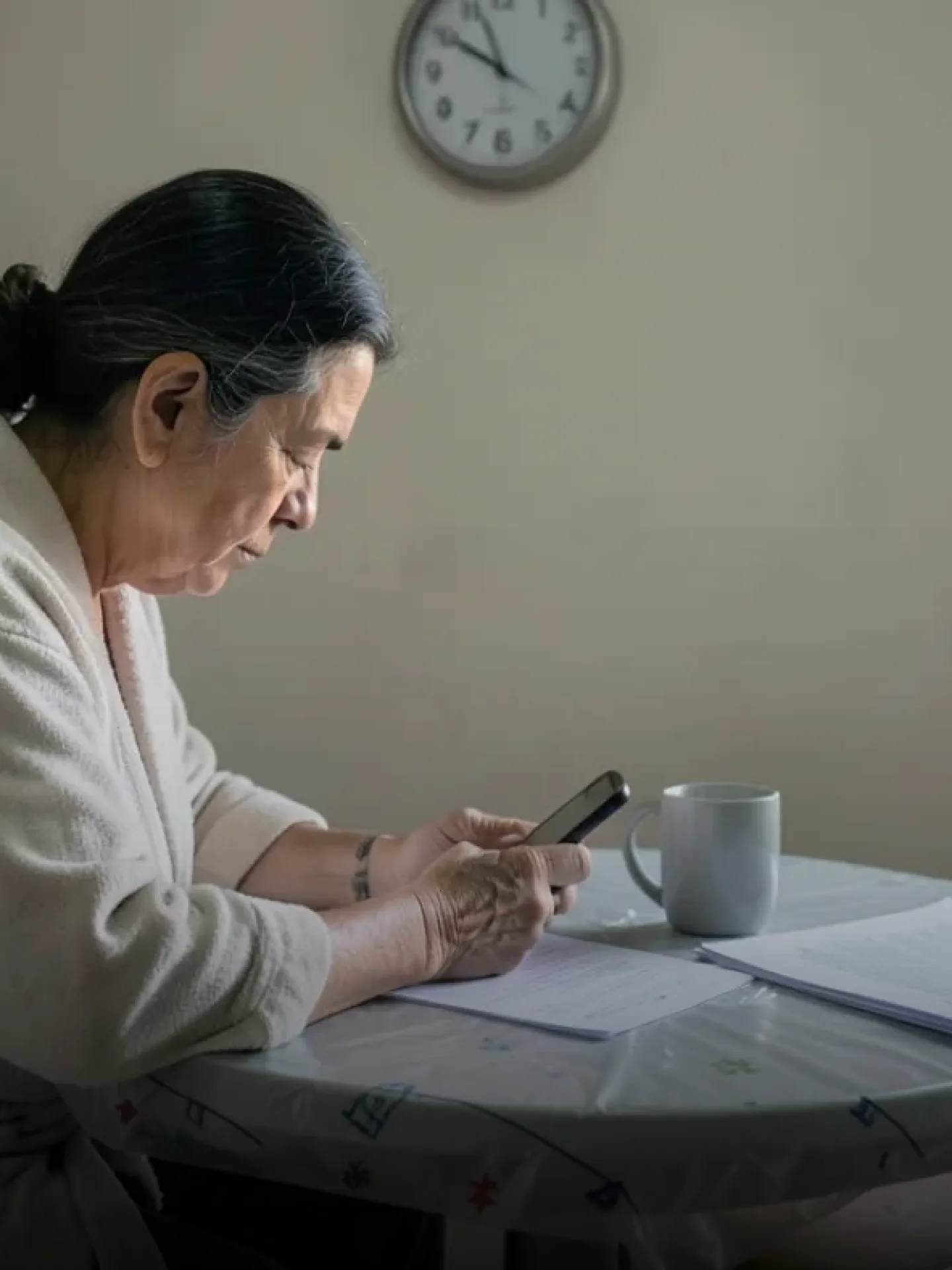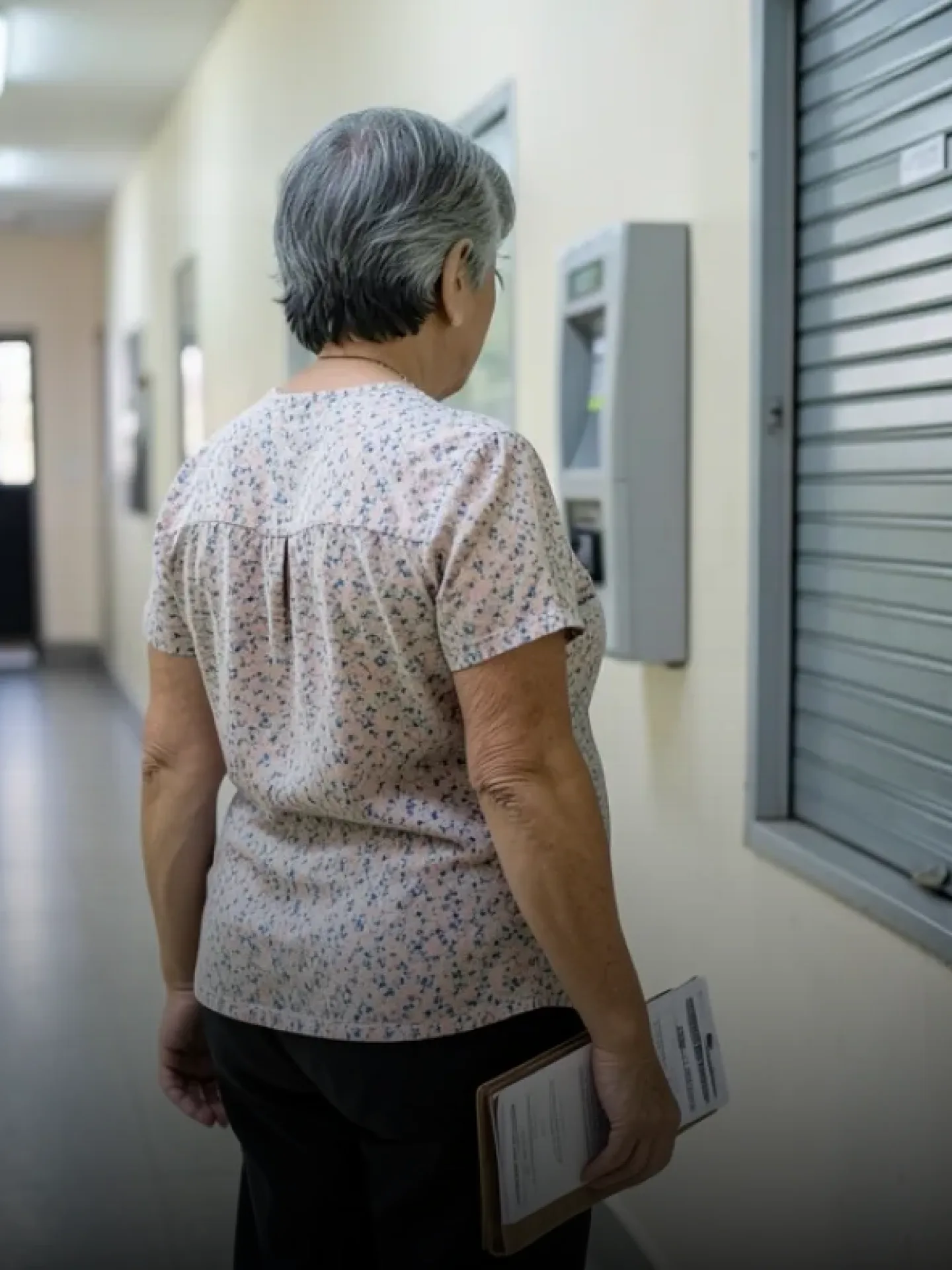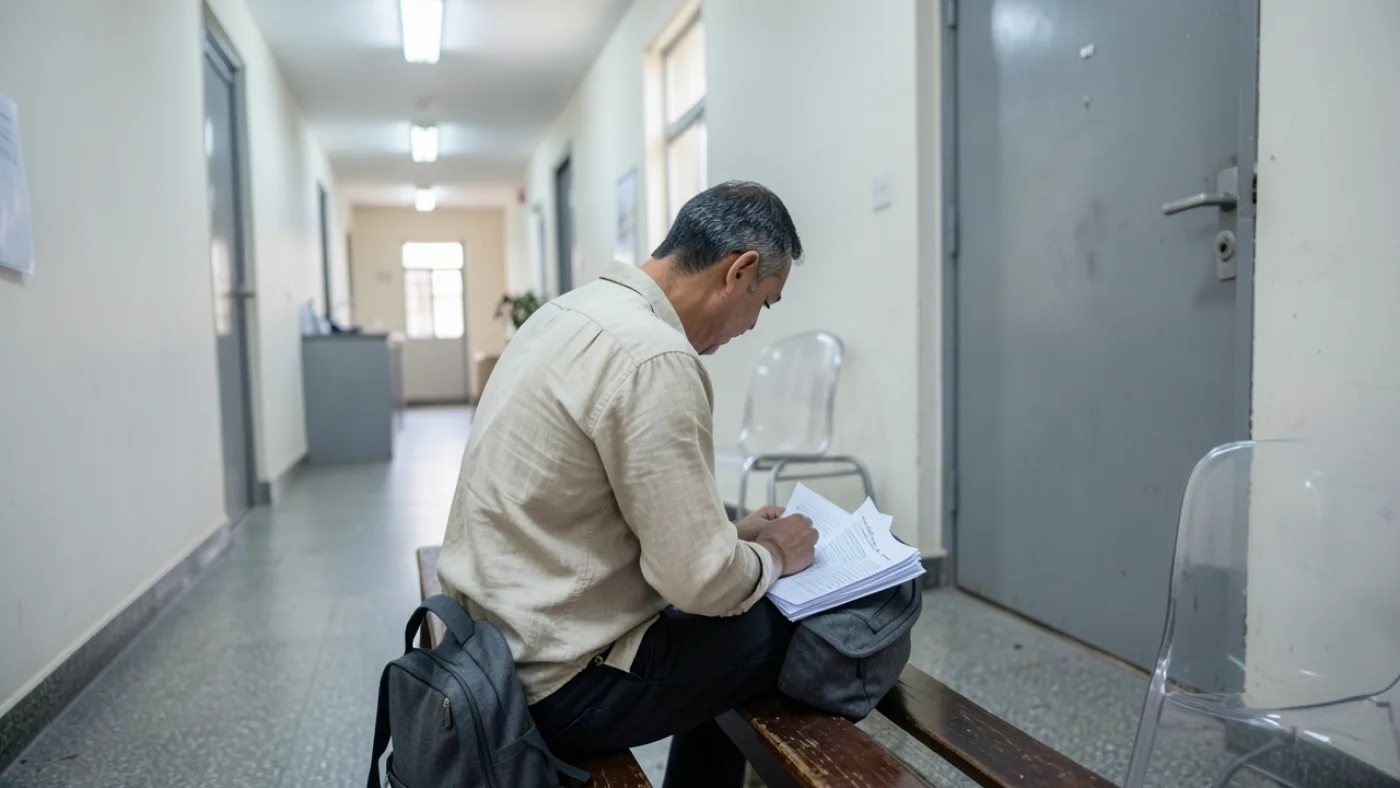
Someone you love has just been arrested in Brazil. Or you are the one sitting on a bench at a delegacia (police station), phone confiscated, being handed typed pages in a language you do not read. Either way, the question is the same: what happens in the next 24 hours, and what can you still control?
This article is part of our guide: Arrested in Brazil: Rights, Bail and First 48 Hours.
Here is the short answer. Brazilian law gives you five rights that take effect the second the handcuffs appear: the right to stay silent, the right to a lawyer in private, the right to an interpreter if you do not speak Portuguese, the right to have your consulate notified, and the right to have your family told where you are. Within 24 hours of the arrest the police report must reach a judge, and a custody hearing (audiência de custódia) must be held, now by real-time videoconference as the rule under article 310 of the Code of Criminal Procedure as amended by Law 15.358/2026. At that hearing the judge can annul an unlawful arrest, release you with or without bail, or order pretrial detention.
So the first 24 hours are not dead time. They are the window where the case takes its shape, where statements are recorded, where consents to search a phone are signed, and where a defence either gets a foothold or does not. This article focuses only on that window. For the broader picture, including what comes after the hearing, see our main guide on being arrested in Brazil: rights, bail and the first 48 hours.
On this page
What Exactly Must Happen in the First 24 Hours After an Arrest in Brazil?
Three things are legally mandatory. The arrest must be communicated immediately to a judge, to the prosecution and to your family or a person you name (article 306 of the Code of Criminal Procedure). The full arrest report must reach the judge within 24 hours. And the custody hearing must be held within 24 hours of the arrest, by videoconference as the rule under Law 15.358/2026.
In between those milestones sits the paperwork. Most foreigners meet the Brazilian system through flagrante delito (arrest in the act), typically at an airport, at a beach-town police stop, or during a hotel search. The police then draft the auto de prisão em flagrante (APF, the record of arrest in the act). The Code of Criminal Procedure sets the order: the arresting officer speaks first, then witnesses, then the victim if there is one, and only at the end is the detainee questioned.
Two documents matter enormously in this stretch. The first is the nota de culpa, a signed paper that must be handed to you within 24 hours naming the authority that arrested you, the witnesses and the alleged offence. If nobody gives you one, that is a defect your lawyer can raise. The second is the auto de exibição e apreensão, the inventory of seized items: cash, laptop, watch, phone and, crucially, your passport.
Important: Handcuffs are not automatic in Brazil. Under binding Supreme Federal Court case law (Súmula Vinculante 11), handcuffs are only lawful where there is resistance, flight risk or risk to others, and the officer must justify the use in writing. Being paraded in front of cameras is also prohibited under the Abuse of Authority Law (Law 13.869/2019).
One more timing point that surprises people: for offences whose maximum sentence is four years or less, the police chief (delegado) can set bail (fiança) directly at the station, without waiting for the judge. That is why having someone reachable with access to money in the first hours genuinely changes outcomes. For heavier accusations, drug trafficking above all, bail at the station is off the table and everything turns on the hearing.
How Do You Use the Right to Silence Without Making Things Worse?
The Brazilian Constitution, article 5, LXIII, guarantees that a detainee must be informed of the right to remain silent. Silence cannot be treated as a confession and cannot legally be held against you. But you must still identify yourself: giving a false identity is a separate crime under the Penal Code, so answer name, nationality, parents’ names and address, then stop.
Do not expect a US-style Miranda warning on a printed card. In practice the warning is spoken quickly, in Portuguese, by an officer who has said it a thousand times. If you are nervous and your Portuguese is weak, you may simply not register that it happened.
Memorise one sentence. “Quero exercer meu direito ao silêncio e falar com um advogado e com o meu consulado.” That means: “I wish to exercise my right to silence and to speak with a lawyer and with my consulate.” Say it, repeat it, and ask that it be written into the record (que conste no auto).
Why so firm? Because the most damaging material in foreigner cases is almost never physical evidence. It is the detainee’s own explanation, offered in broken Portuguese or through an improvised translation, trying to be helpful. A traveller explaining that the suitcase “belongs to a friend” or that he “did not know what was inside” has just created a document the prosecution will quote for the next two years.
Warning: Friendly conversation in the car, in the corridor or while waiting for paperwork is still questioning. Officers may legitimately write down what you said informally. Silence means silence until your lawyer is beside you.
Silence is a tactic, not a strategy. There are moments, for example a case where documents prove you had legal residence, or a receipt proves ownership of the seized item, where speaking early helps. That call needs a lawyer who has seen the arrest report. Until then, the default that protects you is quiet.
Can You Demand a Lawyer and an Interpreter Before Being Questioned?
Yes to both. Under the OAB Statute (Law 8.906/1994, article 7), a lawyer may speak with a detained client personally and in private, in any facility, at any hour, even without a power of attorney. And under article 193 of the Code of Criminal Procedure, when the accused does not speak Portuguese the interrogation must be conducted through an interpreter.
Blocking that private lawyer-client interview without just cause is itself a crime under the Abuse of Authority Law. So you are not asking for a favour. You are invoking a right whose violation has consequences for the officer.
If you cannot afford private counsel, the Defensoria Pública (Public Defender’s Office) acts free of charge, and that free defence does not depend on nationality or immigration status. Which office depends on the court:
- Defensoria Pública da União (DPU): federal cases, including international drug trafficking, airport and customs offences, document fraud and crimes against federal bodies. Details at the DPU’s official page.
- State Public Defender: ordinary state crimes such as theft, assault, domestic violence and state-level drug prosecutions.
The interpreter right is where reality bites. Brazil has no national 24-hour interpreter hotline for police stations. Interpreters get improvised: an officer with some English, a bilingual bystander, a consular officer, a volunteer. Spanish is usually manageable. English is inconsistent outside major capitals. Mandarin, Arabic, Farsi, Russian and most African languages are a serious bottleneck, especially at night and at weekends.
Tip: Do not accept an informal translation by the arresting officer. Ask, in writing if you can, that the absence of a qualified interpreter be recorded in the arrest report. An interrogation conducted without a proper interpreter is a procedural defect the defence can attack, and that record is the proof it happened.
Remember that Brazil is a Civil Law country, not Common Law, and all lawyers must hold an OAB (Brazilian Bar Association) registration. A “fixer”, a despachante or a hotel contact with “good connections” cannot represent you in a criminal case. You can verify any lawyer for free on the OAB national register of lawyers (Cadastro Nacional dos Advogados) by name or registration number.
Will Your Consulate Be Notified Automatically, and What Can It Actually Do?
Usually not automatically. Under article 36 of the Vienna Convention on Consular Relations, in force in Brazil since 1967, the authorities must inform you without delay that you may have your consulate notified, and must notify it without delay if you ask. Some bilateral agreements make notification automatic, but the safe assumption is that you must request it.

Article 36 gives you four concrete things: being told the right exists; notification on request; the right of consular officers to visit you, correspond with you and talk to you; and the right to have your letters to the consulate forwarded without delay. The Convention also expressly allows consular officers to help arrange legal representation.
Say it out loud: “Eu quero que o meu consulado seja avisado.” (“I want my consulate to be notified.”) Then ask that the request be written into the arrest report. A notation in the APF is far more useful later than your memory of having asked.
Now the honest part, because families abroad routinely expect too much. A consulate can notify your relatives, give you a list of local lawyers, visit you, monitor your detention conditions, help with interpretation in some cases, check that you are not being treated differently because of your nationality, and in some cases channel emergency funds from your family.
A consulate cannot get you out of jail, act as your lawyer, pay your legal fees or your bail, instruct a Brazilian judge, or move you to a better cell. Brazil’s own consular portal, run by Itamaraty, sets out the same limits for Brazilians detained abroad: consular assistance is support, not immunity.
Example: A Canadian tourist detained at Guarulhos airport on a Friday night asked for consular notification and had it recorded in the report. The consulate reached his sister in Toronto on Saturday morning, she retained a Brazilian criminal lawyer by Saturday afternoon, and that lawyer appeared at the videoconference custody hearing with proof of address and employment. The judge granted release with precautionary measures instead of ordering pretrial detention.
What Should You Refuse to Sign at the Police Station?
Refusing to sign is lawful. Under articles 304 and following of the Code of Criminal Procedure, if a detainee refuses or cannot sign, witnesses attest the document instead, so the process does not stall and you are not penalised. The one sentence to hold on to: “Não assino nada sem advogado e sem tradução.” (“I will not sign anything without a lawyer and without a translation.”)
Brazilian police procedure is paper-driven. In the first hours you will be handed several typed documents in Portuguese, often with a pen already extended and a tone that says “just a formality”. Signing is never neutral.
| Document (Portuguese) | What it is | Why it is dangerous |
|---|---|---|
| Termo de declarações / interrogatório | Your recorded statement | Your words, filtered through an improvised translation, become the backbone of the prosecution case |
| Auto de prisão em flagrante | The full arrest record | You may be endorsing a version of events you never confirmed |
| Consentimento para acesso ao celular | Consent to unlock and search your phone | You can refuse. Without consent, access to phone content normally needs a judicial order, and warrantless extractions are frequently challenged |
| Consentimento para busca em residência ou quarto de hotel | Consent to search your room or home | Entry without a warrant requires justified grounds. A written “voluntary consent” is extremely hard to undo later |
| Auto de exibição e apreensão | Inventory of seized items | Check item by item, especially cash and your passport. Errors are easier to fix now than in six months |
| Termo de renúncia / desistência | Waiver of a right, e.g. waiving a lawyer’s presence | Never sign. This is the document that closes doors |
| Blank or partly filled pages | Anything incomplete | Never sign under any circumstances |
Phone consent deserves its own warning. For many foreigners, particularly in drug cases, the phone is the case. Messages, photos, location history and contacts turn a possession charge into a trafficking accusation. Handing over your passcode voluntarily, because you want to look cooperative, is often the single most expensive decision made in the first 24 hours.
If you did sign something under pressure, say so at the custody hearing, clearly and in front of the judge. The hearing exists partly to surface exactly that. The judge must also ask whether you suffered ill-treatment and must order a forensic examination at the IML (Institute of Forensic Medicine) if there are indications of it.
How Does the Videoconference Custody Hearing Work and What Can the Judge Decide?
The custody hearing must happen within 24 hours of the arrest and, under article 310 of the Code of Criminal Procedure as amended by Law 15.358/2026, is now held by real-time videoconference as the rule, in person only exceptionally. Present are the detainee, a lawyer or public defender, and the prosecutor. The judge must decide with written reasons.
The judge has three possible outcomes. First, declaring the arrest unlawful and voiding it, with immediate release. Second, granting liberdade provisória (provisional release), with or without bail, and with precautionary measures. Third, converting the flagrante into prisão preventiva (pretrial detention) when the legal requirements are met, risk to the investigation, risk of flight or risk to public order.
Note what the hearing is not. It is not a trial. Nobody decides guilt. Nobody examines the evidence in depth. The only questions are whether the arrest was legal, whether you were mistreated, and whether you need to stay in custody. Foreigners who prepare a long explanation of innocence for this hearing are preparing for the wrong meeting.
The videoconference format changes the practical work. You may appear on a screen from inside a police station or jail, with officers in the room. That makes two things essential: a private channel with your lawyer before the camera goes on, and an interpreter who is actually audible on the call. A bad connection and a second-hand translation can cost a release.
What persuades judges in foreigner cases is documentation of ties to Brazil and of a fixed, findable life: a CRNM (National Immigration Registration Card) or valid visa, a Brazilian address with a lease or utility bill, employment or income evidence, a Brazilian spouse or children, a clean record. A family member abroad who can scan these documents within hours is doing defence work.
Remember: Habeas corpus can be filed at any time, by the detainee, a relative, a consular lawyer or any third party, free of charge, under article 5, LXVIII of the Constitution. If the 24-hour deadlines are breached or the arrest is plainly unlawful, you do not have to wait passively. Supreme Federal Court decisions have repeatedly reinforced the binding nature of the custody hearing framework, including in ADI 6.298 before the STF.
Why Does Release in Brazil Not Mean You Can Fly Home?
Because provisional release almost always comes with precautionary measures, and for a foreigner the decisive one is the ban on leaving the country. When the judge imposes it, the court communicates the ban to border authorities and the person must surrender their passport within 24 hours. You walk out of the building, but you do not board a plane.
Other common conditions include periodic reporting to the court, a prohibition on changing address without authorisation, a curfew, a ban on contacting certain people, and bail. Bail amounts vary widely with the alleged offence and the defendant’s means, and the Code of Criminal Procedure allows reduction or exemption for those who cannot pay.
This is where airport cases become a category of their own. An international flight means federal jurisdiction, Federal Police investigation and, often, an accusation of international trafficking. The detainee has no Brazilian address, no local employer, no lease, nothing that answers the judge’s real question: if I release this person, will they still be here next month? That absence of ties, not the evidence, is what drives many pretrial detention orders against travellers.
Warning: Trying to leave Brazil while a travel ban is in force is the fastest way to turn a defensible case into a detention case. Breaching precautionary measures lets the judge convert release back into pretrial detention, and the breach follows you through the whole proceeding. It can also affect later immigration consequences, including expulsion after a final conviction under the Migration Law (Law 13.445/2017).
Practical consequence for families: plan for the medium term from day one. Where will the person live? Who signs a lease? How do they prove an address to the court? Solving the housing and address question in week one often matters more than any argument about the merits.
What Changed in 2026 for Foreigners Arrested in Brazil?
The major change is procedural: Law 15.358/2026 amended article 310 of the Code of Criminal Procedure so that the custody hearing, still mandatory within 24 hours of the arrest, is now held by real-time videoconference as the rule, with in-person hearings reserved for exceptional situations. The deadline did not change. The format did.
For foreigners this cuts both ways. The upside is speed and reach: a lawyer in São Paulo can appear at a hearing for a client detained in a small coastal town, and remote interpreters are easier to connect. The downside is intimacy and control. A detainee on a screen, in a room with police officers, may hesitate to report mistreatment or to say that nobody translated anything.
The practical defence response is to insist on a private lawyer-client channel before the hearing starts and to make sure the judge hears, on the record, any failure in the first 24 hours: no interpreter, no consular notification, no nota de culpa, a signature obtained under pressure.
| Scenario | Realistic timeline | Biggest risk in the first 24h |
|---|---|---|
| Airport arrest, suspected international trafficking (federal) | Report to judge within 24h; videoconference hearing within 24h | Phone consent plus zero local ties, leading to pretrial detention |
| Street or beach arrest, small quantity of drugs (state) | Possible station bail for lighter offences; hearing within 24h | Statement given without an interpreter, used to argue trafficking |
| Bar fight or assault accusation (state) | Station bail possible for offences up to 4 years; hearing within 24h | Signing a statement that admits aggression |
| Document or identity fraud (federal) | Hearing within 24h; DPU or private counsel | Explaining immigration history without counsel present |
Step by Step: What the Family Abroad Should Do in the First Hours
Families have roughly a 24-hour window to influence the custody hearing, and almost everything they can do is documentary. You cannot appoint a lawyer from inside a cell with no phone, but a relative abroad can retain Brazilian counsel in minutes and send documents electronically, including sworn translations, which under Law 14.195/2021 are valid nationwide and may be issued digitally.
- Hour 1: Write down everything known: full name, date of birth, passport number, city and time of arrest, name of the police station if known. Precision beats volume.
- Hour 1-2: Contact a Brazilian criminal lawyer registered with the OAB. Check the registration on the OAB national register before paying anything.
- Hour 2: Notify the embassy or consulate in Brazil in writing, by email, so there is a timestamped record. Written requests travel better than phone calls across time zones.
- Hour 2-6: Gather and scan: passport, visa or CRNM, proof of a Brazilian address (lease, utility bill, hotel confirmation), employment or income proof, clean criminal record from the home country, medical prescriptions.
- Hour 6-12: Send the lawyer a signed power of attorney. Electronic signature is accepted for criminal defence engagement, and a lawyer may already speak with the client privately without one.
- Hour 12-24: Confirm with the lawyer that they will appear at the videoconference hearing and that an interpreter is arranged. Confirm, do not assume.
- Keep ready: access to funds in case the judge sets bail. Consulates do not pay bail.
Tip: Save every protocol number, email confirmation and hearing record. A missed deadline or a notification that never happened is only useful as an argument if you can prove it, and in Brazilian practice proof means documents, not recollections.
One pre-travel habit worth building: give a trusted person abroad a copy of your passport, visa or CRNM, flight details and the phone number of your embassy in Brasília. Phones get seized. Paper and a relative’s inbox do not.
Frequently Asked Questions About Rights in the First 24 Hours
Can I be questioned by the police without a lawyer in Brazil?
You can be asked questions, but you do not have to answer. The Constitution guarantees the right to remain silent and the right to assistance from a lawyer, and the OAB Statute lets a lawyer speak with you privately at any hour, even without a power of attorney. The sensible course is to give only your identification details and then invoke silence until counsel arrives. If you cannot afford a lawyer, the Public Defender’s Office acts free of charge regardless of your nationality or immigration status. Preventing your private interview with a lawyer without just cause is itself a criminal offence under the Abuse of Authority Law.
Does the Brazilian police have to notify my embassy automatically?
Generally the obligation is triggered by your request. Article 36 of the Vienna Convention on Consular Relations requires the authorities to inform you without delay that you may have your consulate notified, and to notify it without delay if you ask. A few bilateral agreements provide for automatic notification, but you should never rely on that. Ask explicitly, in Portuguese if possible, and request that your demand be recorded in the arrest report. Your consulate can then visit you, contact your family and point you to local lawyers, but it cannot release you, act as your lawyer or pay your bail.
What happens if I refuse to sign the police documents?
Nothing punitive. The Code of Criminal Procedure provides that where the detainee refuses or cannot sign, witnesses attest the document, so the proceeding continues normally. Refusal is lawful and is often the wiser choice when you have not read the document in a language you understand and no lawyer has reviewed it. Be especially careful with consent forms for searching your phone or your hotel room: those consents are voluntary, and once written down they are very difficult to challenge. Also check the seizure inventory item by item, because errors about cash, electronics or your passport are far easier to correct immediately.
Can I get bail at the police station without seeing a judge?
Sometimes. For offences whose maximum sentence is four years or less, the police chief can set bail directly under the Code of Criminal Procedure, which can mean release the same night. For heavier accusations, including drug trafficking, only a judge can decide, and that happens at the custody hearing within 24 hours of the arrest. Even when bail is granted, expect precautionary measures, and for a foreigner the most consequential is the ban on leaving Brazil, with surrender of the passport within 24 hours. Release is real, but it is release inside the country, not permission to fly home.
Will I be deported instead of prosecuted if I am arrested?
No. These are separate tracks under the Migration Law (Law 13.445/2017). Deportation concerns irregular immigration status and only follows after a deadline to regularise, of at least 60 days. Expulsion, which carries a re-entry ban, requires a final criminal conviction and does not apply to someone with a Brazilian child in their care or a resident Brazilian spouse or partner. Extradition is a handover requested by another country, decided by the Supreme Federal Court. A criminal case in Brazil runs its course first; immigration consequences come later, and expulsion proceedings do not block sentence progression.
How do I check that a Brazilian lawyer is genuine from abroad?
Every lawyer practising in Brazil must be registered with the OAB (Brazilian Bar Association), and the national register of lawyers lets you search by name or registration number for free. Ask for the full OAB number and state section, then verify it before transferring money. Be wary of anyone promising a specific outcome, a guaranteed release or a “contact” at the court. Brazil is a Civil Law jurisdiction with written, documented procedure, and legitimate criminal defence works through filings and hearings, not through influence. A despachante or unlicensed adviser cannot represent you in a criminal case at all.
Arrested in Brazil? Get a Bilingual Criminal Defence Lawyer on the Case Today
The first 24 hours after an arrest in Brazil move faster than any family can learn a new legal system. Deadlines are short, the paperwork is in Portuguese, the custody hearing is already scheduled, and every hour someone spends searching for information is an hour nobody is defending the case.
Our criminal defence team works in English and Portuguese, appears at videoconference custody hearings across Brazil, speaks directly with families abroad, and coordinates with consulates when consular notification has been ignored. If someone you care about is in custody right now, do not wait for the hearing to find a lawyer. Reach out and tell us where they are.
Talk to a specialist lawyer now
Talk to a Lawyer on WhatsApp