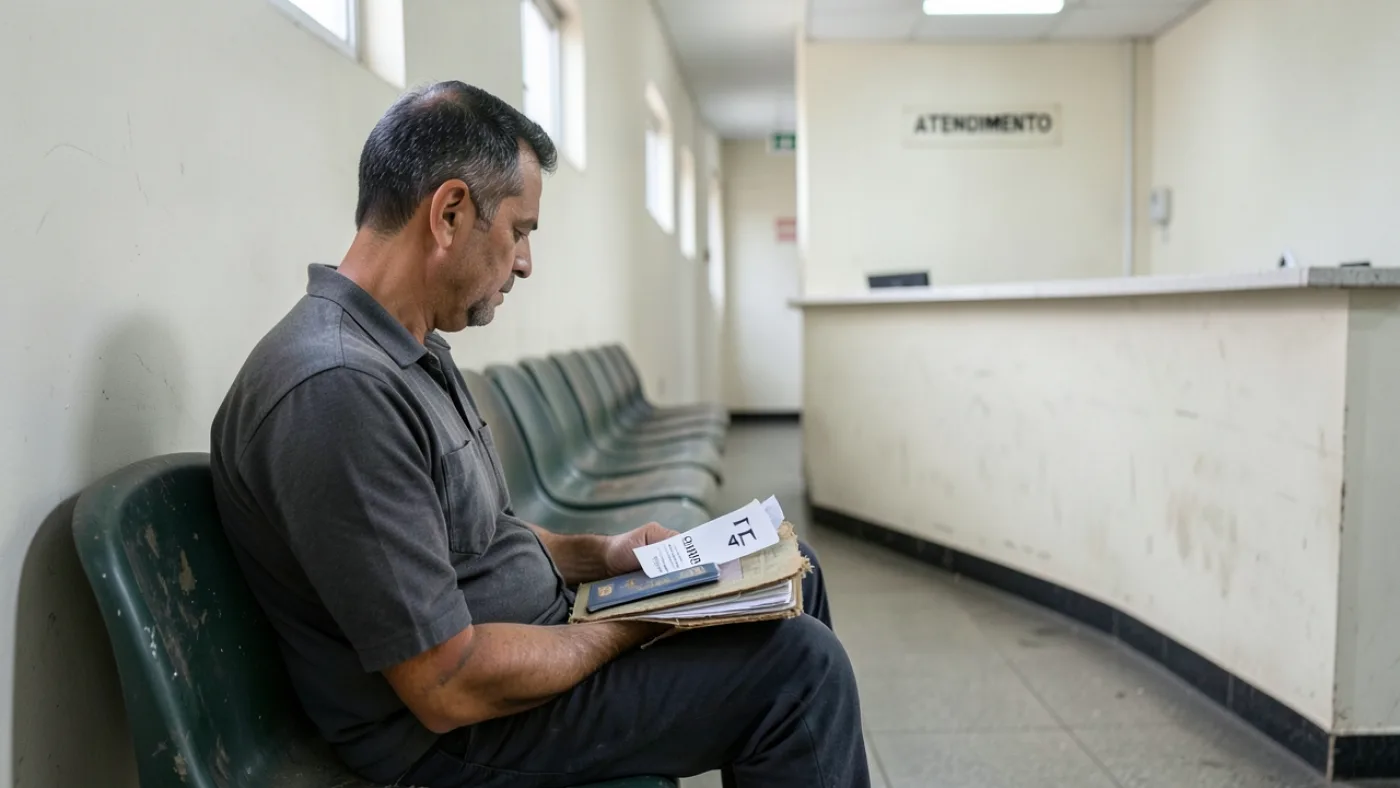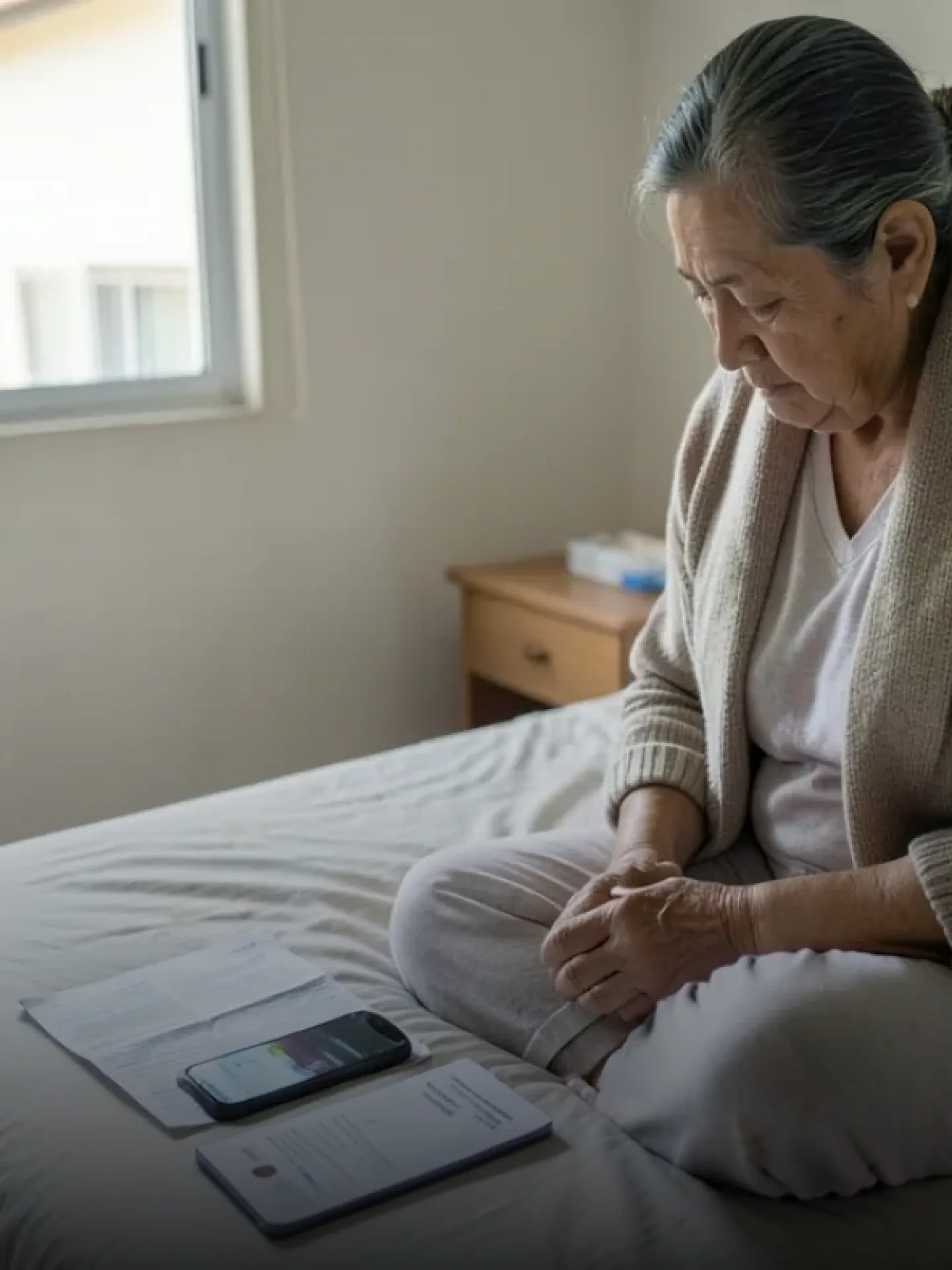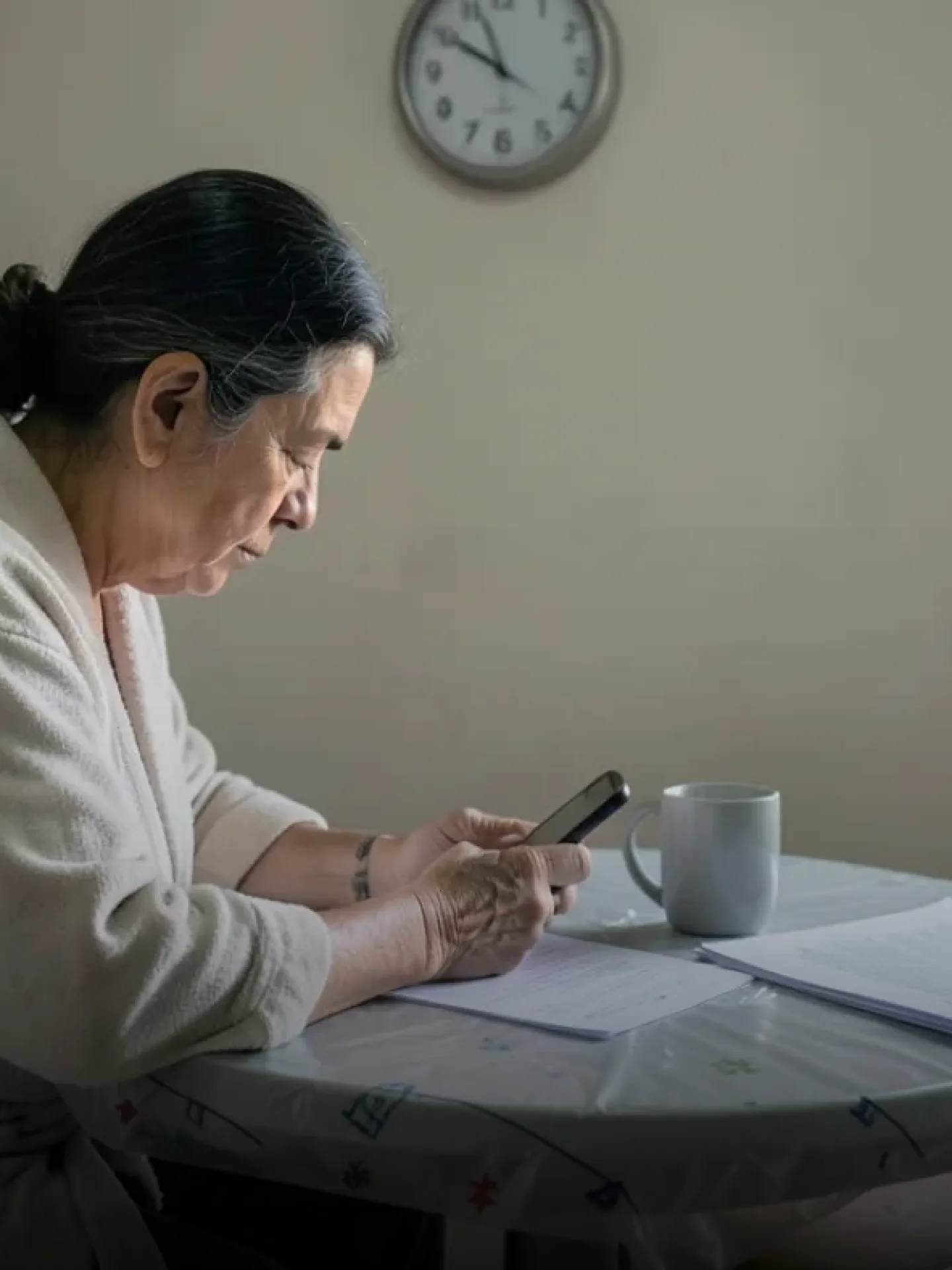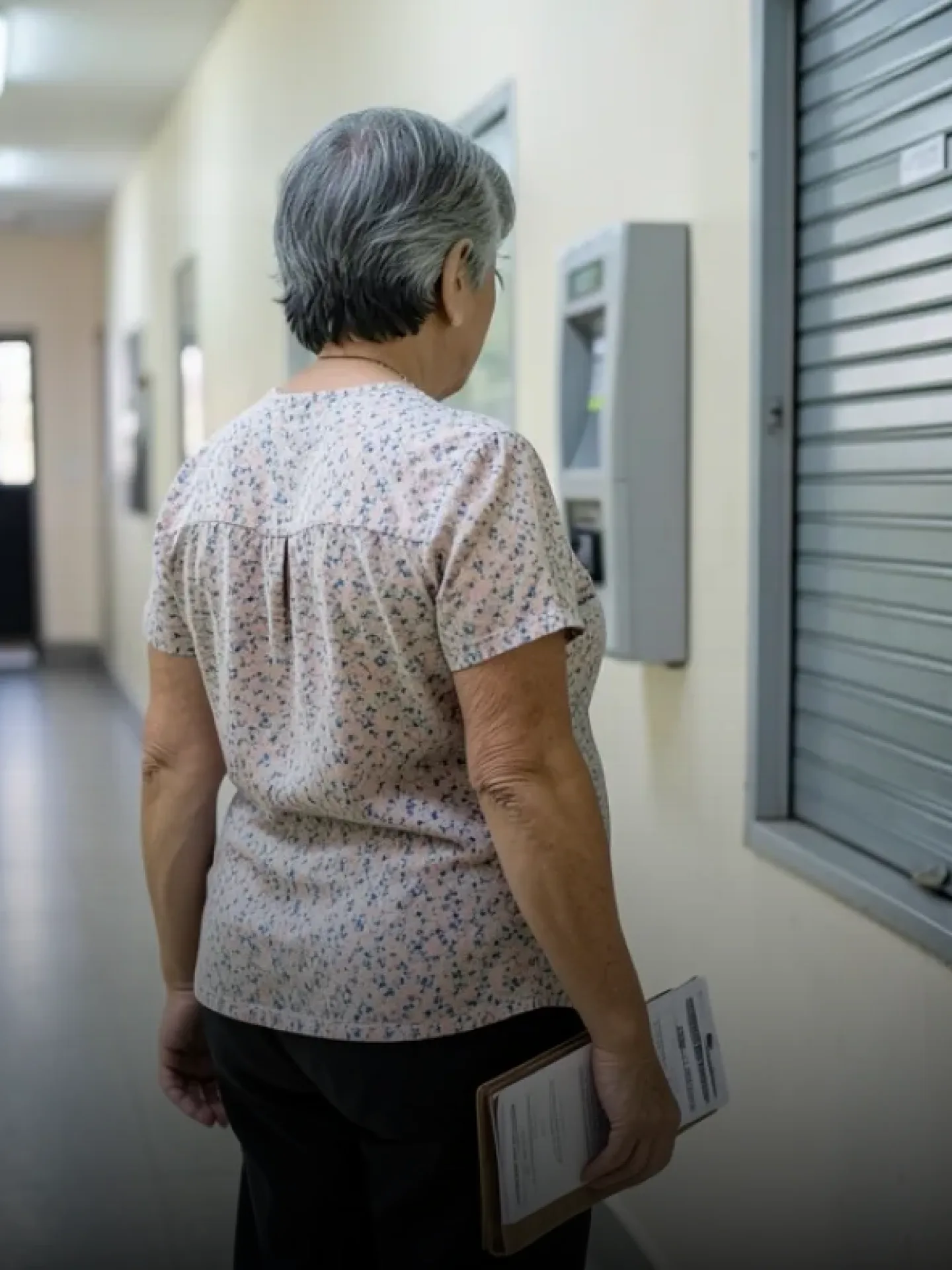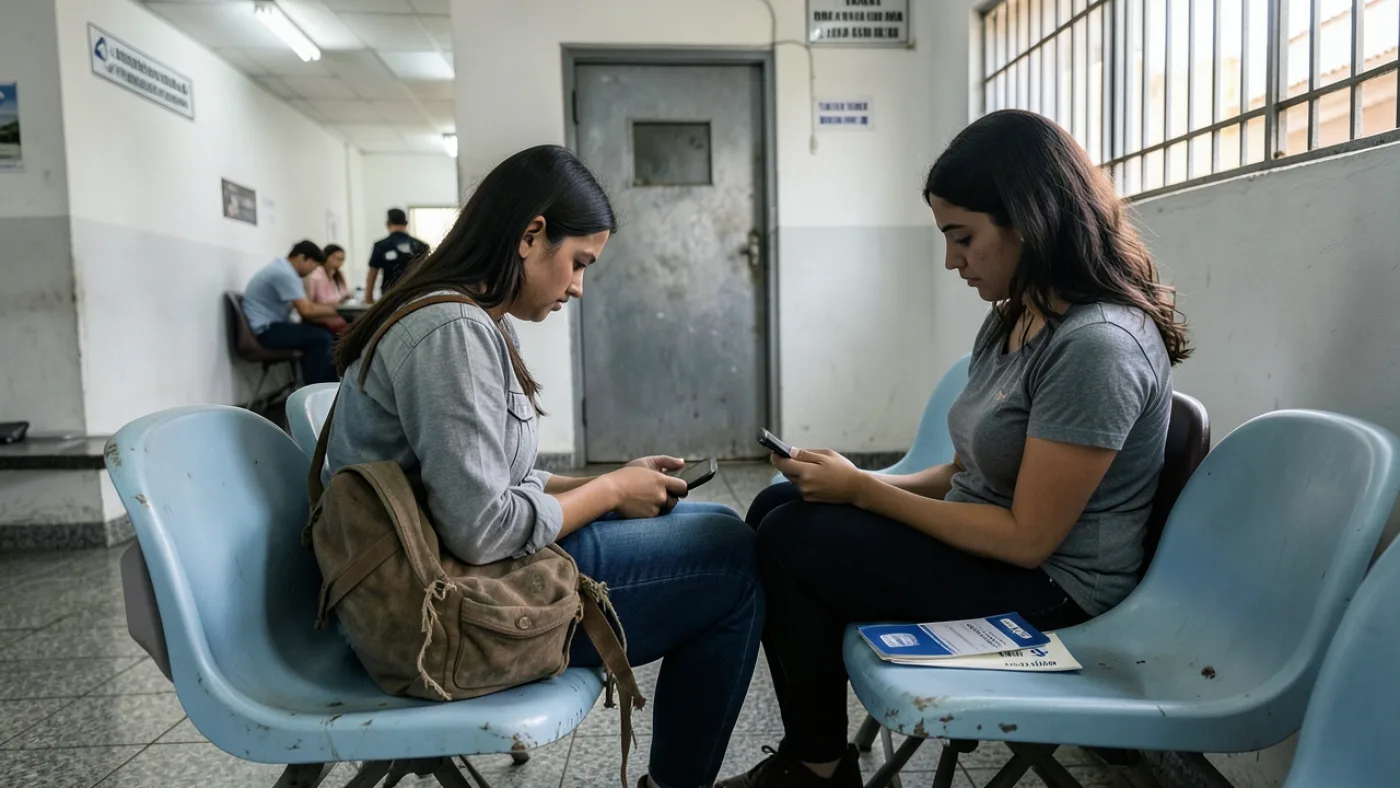
Someone you love has been arrested in Brazil, or you are the one sitting in a police station right now trying to understand what the officer just said. You do not speak Portuguese. You do not know whether you will be released today or spend months in a detention centre. Nobody has explained anything, and the information online is a mix of horror stories and outdated advice.
Here is the short answer. Brazilian law moves faster in the first 48 hours than most foreigners expect. Under article 306 of the Brazilian Code of Criminal Procedure (Código de Processo Penal), the arrest must be communicated immediately to a judge, to the prosecution and to the family member or contact the arrested person names. Within 24 hours the written arrest report reaches the judge. Within a further 24 hours a custody hearing (audiência de custódia) must take place, where a judge, not the police, decides whether the person goes free, goes free on bail, or stays in pretrial detention. Since Law 15.358/2026 amended article 310 of the Code, that hearing is held by real-time videoconference as the rule.
That means the single most important window in the whole case is the first day. A defence lawyer present at the custody hearing, with documents proving ties to Brazil, changes outcomes. A missing lawyer usually does too, in the wrong direction.
This page is the hub of our series on criminal defence for foreigners in Brazil. It walks through rights on arrest, release, how a case actually moves through the courts, the immigration consequences of a conviction, what an embassy can and cannot do, and what a family abroad can do from their own living room.
On this page
What Are the Three Facts That Shape Every Foreigner’s Case?
Three structural facts decide how a foreigner’s case unfolds: Brazil is a Civil Law country where judges (not police) order detention; nationality never reduces your rights, but it does raise the judge’s flight-risk assessment; and the court that handles you depends on the crime, with drug trafficking at airports going to the Federal Courts.
Civil Law, not Common Law. There are no jury trials in Brazil except for intentional homicide, which goes to the Tribunal do Júri. Everything else is decided by a professional judge, in writing, based closely on statute: the Code of Criminal Procedure, the Penal Code and special laws such as the Drug Law (Law 11.343/2006). There is no plea bargaining in the American sense, though Brazil does have negotiated alternatives for lower-level offences.
Your rights do not depend on your passport. Free defence by the Public Defender’s Office (Defensoria Pública) is available regardless of nationality. An interpreter is mandatory when the person does not speak Portuguese, and a questioning conducted without one can be annulled. What nationality does change is perception: a judge looking at a foreign tourist with no local address, no job and no family in Brazil often sees a flight risk. That is why most of the useful defence work in week one is about documenting ties to Brazil, not arguing the merits.
Who prosecutes depends on the crime. Transnational drug trafficking, offences committed on aircraft, customs and document fraud go to the Federal Police (Polícia Federal) and the Federal Courts, with the Federal Public Defender (DPU) providing free defence. Assault, theft, racial insult, most traffic crimes and domestic violence go to the Civil Police (Polícia Civil) and the State Courts. Appeals climb to the state court (TJ) or federal regional court (TRF), then to the Superior Court of Justice (STJ) on questions of federal law, and to the Supreme Federal Court (STF) on constitutional questions.
Important: Every lawyer in Brazil must be registered with the OAB (Brazilian Bar Association). Before paying anyone who contacts your family offering to “fix” a case, check the OAB number for free on the national registry. Unregistered “fixers” around police stations and airports are a real and common scam targeting foreign families in panic.
In This Guide
Each topic below has its own in-depth article:
What Are Your Rights in the First 24 Hours After Arrest?
In the first 24 hours you have four rights that matter most: silence, a lawyer, an interpreter and consular notification. Under article 306 of the Code of Criminal Procedure, the arrest must be reported to a judge and the arrest report delivered within 24 hours, with a copy to the Public Defender if no private lawyer was named.
The Brazilian Constitution guarantees the right to remain silent and the right not to incriminate yourself. In practice, that is the right foreigners most often give away. Many detainees try to explain themselves in broken Portuguese, sign documents they cannot read, or agree with a summary of events written by someone else. A signature on a statement you did not understand becomes evidence.
Consular notification comes from article 36 of the Vienna Convention on Consular Relations, in force in Brazil. The police must inform you of that right, and must notify your consulate without delay if you ask them to. You have to ask. It is not automatic.
- Say clearly, in any language: “I want a lawyer” and “I want my consulate notified.”
- Do not sign anything you have not had translated.
- Ask for the police station name, the inquiry number and the delegado‘s name, then pass them to someone outside.
- Name a contact person for the mandatory family notification, even if they are abroad.
- Record what was seized: phone, passport, cash, luggage.
Warning: Phones are usually seized and examined. Anything in your messages, photos or banking apps can become part of the case file. Never try to delete material after an arrest: destruction of evidence creates a separate problem and badly damages your credibility at the custody hearing.
Our dedicated guide on your rights in the first 24 hours goes through each step, including what a police report (auto de prisão em flagrante) actually contains and how to challenge a flawed one.
What Happens at the Custody Hearing and How Is Release Decided?
The custody hearing must happen within 24 hours of the arrest under article 310 of the Code of Criminal Procedure, and since Law 15.358/2026 it is held by real-time videoconference as the rule, in person only exceptionally. The judge has three options: release without conditions, release with precautionary measures or bail, or order pretrial detention.
This is not a trial. Nobody decides guilt. The judge checks three things: whether the arrest was lawful, whether there are signs of mistreatment, and whether the person needs to be held while the case proceeds. The defence speaks, the prosecutor speaks, and the decision is issued the same day.
For foreigners, the argument the prosecution almost always makes is simple: this person will leave the country. The counter-argument has to be factual, not emotional. Proof of a Brazilian address, a rental contract, a CPF, a CRNM (National Immigration Registration Card), a Brazilian spouse or child, local employment, enrolment at a university, or a family member willing to act as guarantor all carry weight.
In practice: Two foreigners are arrested on the same minor charge. One arrives at the videoconference with no documents and no lawyer. The other has a lawyer who files a rental contract, a CRNM card, an employer letter and a passport deposit offer. The second is routinely released with precautionary measures; the first is routinely held. Same facts, different preparation.
Possible conditions instead of jail include periodic reporting to the court, a ban on leaving the judicial district without authorisation, surrender of the passport, an electronic ankle monitor, a curfew or bail. The dedicated article on the custody hearing explains what the judge reads before the hearing and how to get documents into the file in time.
Can a Foreigner Get Bail and Await Trial in Freedom?
Yes. Pretrial release is the rule in Brazilian law and detention the exception. Bail (fiança) can be set by the police chief for lighter offences or by the judge, and the amount is fixed by reference to multiples of the minimum wage, which in 2026 is R$ 1,621.00 per month under Decree 12.797/2025, adjusted to the defendant’s financial condition.
Two things surprise foreign families. First, bail is often modest, and in many cases the judge releases the person with no bail at all, imposing other conditions instead. Second, bail is not available for every offence: crimes classified as hediondo (heinous), including drug trafficking as charged, do not admit bail, which does not mean release is impossible. It means release has to come through a different route, such as a habeas corpus petition or a direct request for revocation of the detention.
Example: For a minor offence where bail is set at the equivalent of two minimum wages, the deposit would be around R$ 3,242 in 2026. The money is returned at the end of the case if the defendant complies with all conditions; it is forfeited if the defendant absconds.
Habeas corpus is the central tool here, and foreigners underestimate it. It is a fast-track constitutional remedy against unlawful restriction of liberty, it can be filed at any stage, and it goes up the hierarchy to the TJ, TRF, STJ and STF. It can be used to attack an unlawful arrest, excessive detention length or a detention order that failed to explain itself properly.
The bail and pretrial release article covers how amounts are set, when bail is refused, how to recover the deposit and how to request a reduction for someone with limited means.
What an Embassy Can and Cannot Do for You
Your embassy or consulate can visit you, contact your family, provide a list of local lawyers and monitor your treatment, all based on article 36 of the Vienna Convention on Consular Relations. What it cannot do is get you out of jail, pay your bail, pay your lawyer, interfere in the court’s decision or move you to a prison in your home country on request.

This gap causes enormous frustration. Families abroad often call the foreign ministry first and assume diplomatic pressure will solve the problem. It will not. Brazilian courts are independent, and a consulate has no standing in a criminal case. What consular staff do well is practical: confirming where the person is being held, checking on health and safety, passing messages, and helping with emergency travel documents if the passport was seized.
- Can do: prison visits, welfare checks, family contact, lawyer lists, emergency documents, raising mistreatment concerns.
- Cannot do: secure release, pay legal costs, act as your lawyer, choose your defence strategy, overturn a judge’s order.
Information on consular services in Brazil, including the location of foreign missions, is available through Itamaraty, Brazil’s Ministry of Foreign Affairs. The consular assistance article in this series explains how to request a visit, what to report if treatment is inadequate and how notification works when the detainee holds dual nationality including Brazilian.
How Does Brazil Distinguish Drug Possession From Trafficking?
Brazil’s Drug Law (Law 11.343/2006) sets no fixed quantity threshold. The same substance can be treated as personal use, which carries no prison sentence, or as trafficking, which carries years in prison and no bail, based on quantity, packaging, location, scales, cash, phone messages and the circumstances of the arrest.
That discretion is the single biggest legal risk a foreigner faces in Brazil. Personal use is punished with warnings, community service and educational measures, not imprisonment. Trafficking is a different universe: a heinous crime, usually with pretrial detention, often prosecuted in the Federal Courts when there is an international element.
There is also a middle ground defence lawyers fight hard for: the reduced-sentence provision for a first-time offender with good record who is not part of a criminal organisation. Applied correctly, it can cut a trafficking sentence substantially and open the door to a more favourable prison regime or an alternative sentence.
Caution: Carrying a small amount of a drug for a friend, holding a package for someone else, or renting a room where drugs are found can all be charged as trafficking. In Brazil the label is built from context, not weight alone, and a casual explanation given at the police station often becomes the prosecution’s best evidence.
The full text of the Drug Law is available at the Planalto government legislation portal, in Portuguese. Our dedicated article breaks down how courts in practice separate possession from trafficking and which evidence genuinely moves the needle.
What Happens When Someone Is Arrested at a Brazilian Airport?
Airport arrests are handled by the Federal Police and go to the Federal Courts, with the Federal Public Defender providing free defence. The sequence is the same as any flagrant arrest: arrest report, delivery to a judge within 24 hours, custody hearing by videoconference within a further 24 hours. The difference is the near-certainty of pretrial detention.
Drug courier cases, most often detected at São Paulo (GRU), Rio (GIG), Fortaleza and Recife, carry a brutal combination of factors for a defendant: a transnational element, a suspect with no ties to Brazil, a return ticket, and physical evidence found in luggage or on the body. Judges almost always order detention at the custody hearing.
That does not end the case. Defence work in these matters focuses on the legality of the search, the chain of custody of the substance, the forensic report, whether the person knew what they were carrying, whether they were coerced or trafficked themselves, and the reduced-sentence provision for first-time offenders. Those arguments take months, not days, and they need a lawyer who handles federal criminal practice.
Tip: If a relative abroad has lost contact with someone who was due to board a flight out of Brazil, ask a Brazilian lawyer to check with the Federal Police unit at the airport and the federal court distribution system. Families routinely spend a week assuming a disappearance before discovering a detention.
How Does a Brazilian Criminal Case Actually Move From Police to Appeal?
A Brazilian criminal case runs in four stages: police inquiry (inquérito policial), formal charge by the prosecutor (denúncia), trial phase with hearings and witnesses, then appeal. A detained defendant’s inquiry has short legal deadlines; a case with the defendant at liberty can take well over a year to reach first-instance judgment.
- Police inquiry: the police gather evidence and send the file to the Public Prosecutor’s Office (Ministério Público). Deadlines are much tighter when the suspect is in custody.
- Charging decision: the prosecutor files charges, requests more investigation or asks for dismissal. Only the judge can dismiss.
- Defence response: after the charge is accepted, the defence files a written answer, lists witnesses and raises preliminary objections. This deadline is short and missing it is costly.
- Instruction hearing: witnesses, the victim, experts and finally the defendant are heard, with a court interpreter if needed.
- Judgment and appeal: the judge issues a written sentence; both sides may appeal to the TJ or TRF, and then to the STJ or STF on points of law.
Remember: Brazilian courts are slow, and that is not always bad news for a defendant at liberty. Time can produce prescription (statute of limitations), weakened witness memory and better plea alternatives. Time is devastating, however, for someone in pretrial detention, which is why release requests come before merits arguments.
For lower-level offences, Brazilian law allows non-custodial alternatives such as a criminal transaction or a conditional suspension of the proceedings, which can end a case without a conviction. Just as deadlines and procedural steps matter in civil matters, the same discipline applies here: miss a window and the remedy disappears, something we also see in consumer disputes like wrongful credit blacklisting claims.
Will a Conviction Mean Expulsion From Brazil?
Not automatically. Under Law 13.445/2017 (the Brazilian Migration Law), expulsion applies after a final criminal conviction and carries a re-entry ban, but article 55 blocks it when the person has a Brazilian child under their care or a Brazilian spouse or partner resident in Brazil. The Ministry of Justice reserves expulsion for serious convictions.
Three different mechanisms get confused constantly, so it is worth separating them clearly.
| Mechanism | Trigger | Who decides | Re-entry |
|---|---|---|---|
| Deportation (art. 50) | Irregular immigration status after a deadline to regularise (minimum 60 days) | Federal Police | Possible once status is regularised |
| Expulsion (art. 54) | Final conviction for a serious crime | Ministry of Justice | Banned for a set period |
| Extradition (art. 81) | Formal request by another country | STF, then the President | Not applicable: handover to the requesting state |
A bar fight or minor drug possession case will not normally produce expulsion. A trafficking or violent crime conviction may. Crucially, expulsion proceedings do not block sentence progression: the administrative file runs in parallel while the person serves the sentence, and removal happens at the end.
Extradition is a separate track entirely. Brazil does not extradite its own nationals (except naturalised Brazilians in specific hypotheses), does not extradite for political crimes, and requires double criminality. The Supreme Federal Court reviews the legality of every request before the President decides. You can follow extradition case law through the Supreme Federal Court portal. Our dedicated articles cover both expulsion exceptions and how to contest an extradition request step by step.
What Is It Like to Serve a Sentence in Brazil as a Foreigner?
Brazilian sentences are served in progressive regimes: closed, semi-open, then open. Progression depends on serving a statutory fraction of the sentence with good behaviour, and foreign nationals are entitled to it on the same terms as Brazilians. A pending expulsion order does not prevent regime progression.
Several benefits matter in practice. Time worked or studied in prison reduces the sentence (remição). Conditional release becomes possible after a portion of the sentence is served. Days in pretrial detention count towards the total. Foreigners sometimes lose these benefits simply because nobody filed the request: progression and remission are not granted automatically, they are petitioned before the sentence enforcement court.
Transfer to serve the remainder of a sentence in the home country is possible where Brazil has a sentence-transfer treaty or agreement with that country, and it requires the consent of both states and of the prisoner. It is a slow administrative route, not a right, and it should be started early rather than at the end.
Note: Family visits, correspondence and remote contact rules vary by state prison system. A lawyer with a valid OAB registration has visitation and file-access rights that family members do not, which is often the only reliable channel of information for relatives abroad.
What If You Are the Victim, Not the Suspect?
Foreigners who are robbed, assaulted or defrauded in Brazil have full access to the criminal system regardless of immigration status. A police report (boletim de ocorrência) can be filed in person at a police station or online through most state Civil Police portals, and it is the document insurers and consulates will ask for.
Beyond the criminal case, victims can claim compensation. The criminal judge may fix a minimum indemnity in the sentence, and a separate civil claim can be brought for the full loss. For smaller amounts, the Small Claims Court (Law 9.099/1995) handles claims up to 40 minimum wages, which is R$ 64,840.00 in 2026, and allows a party to sue without a lawyer up to 20 minimum wages (R$ 32,420.00). The law makes no distinction by nationality.
Traffic offences also deserve a warning of their own. Drunk driving in Brazil is both an administrative violation and, above a certain alcohol level or with evident impairment, a criminal offence that can lead to arrest at the roadside. Refusing a breath test carries its own heavy fine and licence suspension. Driving without a valid licence, fleeing an accident or causing injury can convert a bad evening into a criminal case.
One more charge catches tourists by surprise: racism and racial insult. Brazilian law treats racist conduct and racial slurs as crimes, not as civil matters or free speech, and arrests for words shouted in a bar, a stadium or at a hotel employee do happen. The dedicated article in this series explains why and what the defence looks like.
How Do You Lift a Passport Seizure or Travel Ban?
Passport surrender and a ban on leaving the country are precautionary measures a judge can impose instead of detention under the Code of Criminal Procedure. They are not permanent. They can be challenged or replaced by showing that the measure is no longer necessary, or by offering an alternative guarantee such as periodic reporting or an address commitment.

The practical obstacle is proportionality. A judge who released a foreigner precisely because the passport was deposited will not return it without something else in place. Successful petitions typically combine: documented residence in Brazil, a firm commitment to appear, a specific and verifiable reason for travel (medical treatment, a death in the family, a work obligation with dates), and a proposal for a substitute measure.
Tip: Ask for authorisation for a specific trip with return dates rather than a general lifting of the ban. Narrow, documented requests succeed far more often, and a trip completed with a timely return becomes the strongest argument for lifting the measure entirely later.
If the passport has expired while deposited with the court, your consulate can usually issue a replacement or emergency document, and the court can be asked to substitute the deposit. These are coordinated moves, and doing them in the wrong order wastes months.
What Should a Family Abroad Do in the First 48 Hours?
Act within hours, not days, because the custody hearing happens within 24 hours of the arrest and it is the cheapest opportunity to obtain release in the whole case. A family abroad can engage a Brazilian criminal lawyer remotely, by video call and electronic signature, without travelling to Brazil.
- Hour 1-3: establish where the person is held (city, police station or federal unit) and the inquiry or case number.
- Hour 1-6: engage a Brazilian criminal lawyer with OAB registration. Verify the registration on the OAB national registry before transferring any money.
- Hour 3-12: notify the consulate and request a welfare visit.
- Hour 6-24: gather documents proving ties to Brazil and send them to the lawyer: rental contract, CPF, CRNM, employment or study proof, family documents, proof of income, clean criminal record from home.
- Hour 12-24: the lawyer files a power of attorney and appears at the custody hearing by videoconference.
- Day 2-7: if detention was ordered, prepare a habeas corpus petition or a request to revoke the detention, and arrange funds for bail if applicable.
Warning: Never send money to an intermediary who promises to “pay the police” or “speed things up.” That is a crime in Brazil, it exposes the detainee to a second charge, and it is the most common fraud committed against desperate foreign families.
What Changed in 2026 for Foreigners Facing Criminal Charges?
The headline change is Law 15.358/2026, which amended article 310 of the Code of Criminal Procedure so that the custody hearing is now held by real-time videoconference as the rule, with in-person hearings reserved for exceptional situations. The 24-hour deadline from arrest remains unchanged.
For foreigners, that shift cuts both ways. It makes the hearing faster and more reliably held, which matters in large states where transport delays used to push hearings past the deadline. But a video hearing compresses time, raises the risk of interpretation problems and makes a prepared lawyer with documents already in the electronic file even more decisive than before. Showing up unprepared to a 15-minute video hearing is how detention orders get issued.
The second relevant point concerns visa status, since immigration irregularity frequently surfaces during a criminal case. Since April 10, 2025, citizens of the United States, Canada and Australia need a visitor visa for Brazil under Decree 11.515/2023, available as an e-Visa for US$ 80.90 with stays of up to 90 days per year. Overstay is not a crime, but it generates a fine (from R$ 100.00 up to R$ 10,000.00 under article 108 of the Migration Law) and can lead to deportation if the person neither leaves nor regularises within the deadline given, which is at least 60 days. Current rules and fees are published by the Federal Police.
Finally, the Migration Law of 2017 (Law 13.445/2017) continues to replace the old Foreigner Statute in every respect. Any advice based on the old statute, including older claims that a criminal conviction automatically means expulsion, is outdated.
Frequently Asked Questions
Can I be released the same day I am arrested in Brazil?
Yes. For lighter offences the police chief can set bail at the station, and release can happen within hours. In other cases release comes at the custody hearing, which must occur within 24 hours of the arrest under article 310 of the Code of Criminal Procedure. The judge can release you outright, release you with precautionary measures such as reporting duties or passport surrender, or set bail. Release is the legal default and detention the exception, but your chances improve dramatically when a lawyer appears at the hearing with documents proving your ties to Brazil.
Do I have the right to an interpreter in a Brazilian criminal case?
Yes, and it is mandatory, not optional. The Code of Criminal Procedure requires an interpreter whenever the person questioned does not speak Portuguese, both at the police station and in court. A statement or interrogation carried out without a proper interpreter can be annulled. If an officer, a cellmate or a bystander is used as an improvised translator, say clearly that you do not understand and refuse to sign. Tell your lawyer immediately: a documented interpretation failure is one of the strongest procedural arguments available to a foreign defendant.
How much does a criminal defence lawyer cost in Brazil?
Fees vary by case complexity, court and stage. Each state OAB section publishes a reference fee table that sets suggested minimums for criminal matters, and serious firms quote a written fee agreement specifying phases: custody hearing, inquiry, trial phase, appeal. If you cannot afford private counsel, the Public Defender’s Office provides free defence regardless of nationality, and the Federal Public Defender handles federal cases such as airport drug charges. Always demand a written contract and a receipt, and never pay cash to someone whose OAB number you have not verified.
Will a criminal case in Brazil appear on my record back home?
Brazilian criminal records are national and separate from your home country’s database, but a conviction can surface abroad through Interpol channels, visa applications, or when you request a Brazilian police clearance certificate for immigration purposes. An ongoing case is not a conviction, and under Brazilian law you are presumed innocent until a final judgment. A conviction with no appeals remaining, however, affects naturalisation in Brazil (article 65 of the Migration Law requires no criminal conviction) and can trigger expulsion proceedings for serious offences.
Can my family hire a Brazilian lawyer without coming to Brazil?
Yes, and this is the fastest route when every hour counts. A power of attorney can be granted by electronic signature or by a scanned signed document, and Brazilian criminal lawyers routinely accept instructions by video call from abroad. For some filings a notarised or apostilled document is later required: the Hague Apostille Convention has applied to Brazil since August 14, 2016, so your home-country notarial documents can be apostilled rather than consularised. Start with the lawyer, not with the paperwork, so the custody hearing deadline is not missed.
Does the Public Defender provide good enough defence?
Public defenders in Brazil are career lawyers selected by competitive public examination and are often excellent. The constraint is caseload: a defender may handle dozens of custody hearings a day and will not have time to collect your rental contract, contact your employer or coordinate with your consulate before the hearing. If you use the Public Defender, have a family member assemble and deliver your supporting documents proactively. The institution is free and legitimate; what it cannot provide is individual logistical attention.
Arrested in Brazil? Speak to a Bilingual Brazilian Criminal Lawyer Now
If you are reading this because someone is in custody right now, the clock on the custody hearing is already running. That hearing is the cheapest and fastest chance to obtain release in the entire case, and it is decided on documents and arguments that have to be in the file before it starts. Being far away, not speaking Portuguese and not knowing the system are real disadvantages, but they are all solvable with the right lawyer in place within hours.
Ribeiro Cavalcante Advocacia acts for foreign nationals and their families across Brazil, in English and Portuguese: custody hearings by videoconference, bail and habeas corpus petitions, drug and airport cases before the Federal Courts, expulsion and extradition defence, passport release requests and coordination with consulates. We explain each step in plain language, so you always know what happens next and why.
Send us the detainee’s full name, the city and police station, and any case number you have. We will tell you immediately what can be done in the next 24 hours.
Talk to a specialist lawyer now
Talk to a Lawyer on WhatsApp