

Apostille Brazil: What It Is and When You Need It

Imagem representando Sworn Translation and Apostille Brazil — Ribeiro Cavalcante Advocacia
Quick Summary

An apostille is a certification that authenticates the origin of foreign public documents for use in Brazil under the Hague Apostille Convention. Any public document issued abroad—birth certificates, criminal records, powers of attorney—must be apostilled in the country of origin before being used in Brazil.

Therefore, the process for using a foreign public document in Brazil is typically a two-step authentication process:

  • Step 1: Apostille Abroad. Obtain an Apostille for your original foreign document in the country where it was issued. This validates the document’s origin internationally.
  • Step 2: Sworn Translation in Brazil. Once you have the apostilled document, you must have it translated into Portuguese by a certified tradutor juramentado in Brazil. This makes the document legally intelligible and usable within Brazil.

It is crucial to understand that an ordinary translation, even if done by a professional translator, will not be accepted by Brazilian authorities. Only a sworn translation by an officially recognized Brazilian public translator carries the necessary legal validity. This dual requirement of Apostille + Sworn Translation ensures both the international authenticity and the national intelligibility of your foreign documents, adhering strictly to Brazilian civil law principles and protecting against fraud or misinterpretation.

How to Get Your Foreign Documents Apostilled for Use in Brazil: A Step-by-Step Guide

To get your foreign documents apostilled for use in Brazil, the process involves obtaining the Apostille in the document’s country of origin, not in Brazil, followed by a sworn translation into Portuguese once you are in Brazil. This multi-stage process ensures your document’s international authenticity and national legal intelligibility, as required by Brazilian law under the Hague Convention. For instance, obtaining an Apostille in the USA can cost anywhere from $5 to $20 per document, according to state Secretary of State fees, plus any service charges if using an expediting service, with processing times varying from a few days to several weeks.

Navigating this process efficiently is key to avoiding delays in your Brazilian endeavors. Here’s a clear, step-by-step guide:

  • Step 1: Identify the “Public Document” and Prepare Originals.
    • First, confirm that your document is indeed a public document eligible for an Apostille (e.g., birth certificate, diploma, police record, court order).
    • Ensure you have the original document. Photocopies are generally not accepted for the Apostille unless they are certified copies issued by an official authority in your home country (e.g., a “certified true copy” from a vital records office).
    • Check if the document needs to be notarized first. For some private documents (like a Power of Attorney drafted by yourself), a notary public in your home country must first certify your signature, and then the Apostille will be affixed to the notary’s certification.
  • Step 2: Locate the Competent Authority in the Issuing Country.
    • The Apostille must be issued by the designated authority in the country where your document originated. This is crucial: you cannot get an Apostille for a U.S. birth certificate in Brazil, for example.
    • For U.S. Documents:
      • State-issued documents (birth, marriage, death certificates, state court documents, diplomas from state universities): Contact the Secretary of State’s office in the specific state where the document was issued.
      • Federal documents (FBI background checks, documents issued by federal courts, FDA, USDA): Contact the U.S. Department of State Authentications Office in Washington, D.C.
    • For UK Documents: Contact the Legalisation Office of the Foreign, Commonwealth & Development Office (FCDO).
    • For Canadian Documents: While Canada is not a signatory to the Hague Convention, it is expected to join in 2026. Until then, Canadian documents require consular legalization by the Brazilian consulate in Canada. Once Canada officially joins, the process will shift to an Apostille issued by Global Affairs Canada or provincial authorities.
    • For EU/Other Hague Convention Countries: Research the specific “competent authority” (often Ministry of Foreign Affairs, Ministry of Justice, or regional courts) in the country where your document was issued.
  • Step 3: Submit Your Document for Apostille.
    • Follow the specific submission instructions of the competent authority. This often involves mailing the document, an application form, and the required fee. Some offices may offer in-person service by appointment.
    • Be aware of processing times. These can range from a few business days for expedited services to several weeks for standard mail-in requests, depending on the authority and current workload.
    • The Apostille will be physically attached to your original document, usually as an extra page.
  • Step 4: Obtain a Sworn Translation in Brazil.
    • Once your document has been apostilled abroad, bring both the original document and its attached Apostille to Brazil.
    • You must then find a tradutor público e intérprete comercial (sworn translator) registered with a Junta Comercial (Board of Trade) in Brazil. You can search for registered translators on the website of your state’s Junta Comercial (e.g., JUCESP for São Paulo, JUCERJA for Rio de Janeiro).
    • The sworn translator will translate both your original foreign document AND the Apostille certificate into Portuguese. The sworn translation will also be an official document, typically printed on special paper, with the translator’s stamp and signature.
    • The cost of a sworn translation in 2026 varies by state and translator, typically charged per page or per word. For example, in São Paulo, a standard page might cost between R$ 70 to R$ 150 (approx. €13-€28), according to JUCESP’s fee guidelines, but complex or urgent translations can be higher.
  • Step 5: Use Your Document.
    • With the original apostilled document and its sworn translation, your document is now legally valid for use with any Brazilian authority, such as the Federal Police for your CRNM, a cartório for property registration, or a university for enrollment.
    • Always keep the original apostilled document and the original sworn translation together. Authorities will typically require both.
  • This systematic approach ensures compliance with all Brazilian legal requirements, making your transition or stay in Brazil as smooth as possible from a documentation standpoint.

    What Changed in 2026 Regarding Apostilles and Sworn Translations in Brazil?

    In 2026, the fundamental requirements for Apostilles and sworn translations in Brazil remain largely consistent with previous years, as the core legal framework established by the Hague Convention and Brazilian Decree 13.609/1943 is stable. However, continuous efforts by the Conselho Nacional de Justiça (CNJ) have focused on enhancing the accessibility and verification of Apostilles through the e-Apostille system , allowing for online verification of Apostille certificates issued in Brazil, ensuring greater security and efficiency in 2026.

    While no drastic legislative overhauls have occurred in 2026 specifically, the trend continues towards greater digitalization and efficiency within Brazil’s bureaucratic processes. The CNJ, which regulates the Apostille system within Brazil, has been steadily improving its e-Apostille platform.

    • Enhanced Digital Verification (e-Apostille): For Apostilles issued *in Brazil* for documents destined abroad, the e-Apostille system allows for quick and secure online verification using a QR code or unique identifier printed on the certificate. This helps combat fraud and speeds up validation processes internationally. While this primarily impacts Brazilian documents going abroad, the technological infrastructure also strengthens the overall reliability of the system, indirectly benefiting the verification of foreign Apostilles if similar digital features become more widespread internationally.
    • Consistency in Sworn Translation Rules: The legal mandate for sworn translations (tradução juramentada) for foreign documents remains unchanged. Decree 13.609/1943 continues to be the bedrock for this requirement, meaning foreign documents, once apostilled, still unequivocally need a translation by a tradutor público e intérprete comercial in Brazil. There have been no discussions or proposals in 2026 to alter this fundamental requirement, which is deeply embedded in Brazilian legal tradition.
    • Focus on Compliance and Training: The CNJ continues to provide guidelines and training for Brazilian cartórios (notary public offices) to ensure uniform application of the Apostille Convention. This continuous education helps reduce inconsistencies and errors in the issuance and recognition of Apostilles within Brazil, making the process more predictable for foreigners.
    • International Adaptations: A notable development, though not directly a change in Brazilian law, is Canada’s anticipated full accession to the Hague Apostille Convention in 2026. Once effective, Canadian documents destined for Brazil (and other signatory countries) will no longer require consular legalization but can instead obtain an Apostille from Canadian authorities. This global expansion of the Convention continually simplifies document validation for more nationalities interacting with Brazil.

    In essence, foreigners should expect the Apostille and sworn translation requirements to be as rigorous as before, with the added benefit of increasingly robust digital verification tools and potentially broader international applicability as more countries join the Convention. The core message for 2026 remains: apostille your foreign public document in its country of origin, then get a sworn translation in Brazil.

    Common Mistakes Foreigners Make with Apostilles and Sworn Translations for Brazil

    Foreigners often make several critical mistakes with Apostilles and sworn translations for Brazil, leading to significant delays and complications, including failing to obtain the Apostille in the document’s country of origin, not getting a tradução juramentada from a Brazilian public translator, or misunderstanding document deadlines. For example, trying to apostille a U.S. document in Brazil is a common error that will result in immediate rejection by Brazilian authorities like the Federal Police, as per CNJ Resolution 228/2016 which clearly stipulates the document’s origin for the Apostille.

    Três profissionais em reunião em um escritório, com documentos e uma balança de justiça sobre a mesa. — foto: www. Kaboompics. Com
    Why is document validation so complex for foreigners in brazil? — foto: www. Kaboompics. Com

    Navigating the bureaucratic landscape of a new country is challenging, and these common errors can set back your plans considerably. Being aware of them can help you avoid unnecessary stress and expenses:

    • Trying to Get an Apostille in the Wrong Country: This is arguably the most frequent and impactful mistake. The Apostille must be obtained from the designated competent authority *in the country where the document was issued*. You cannot get an Apostille for a U.S. birth certificate in Brazil, nor for a German university diploma in the U.S. Brazilian authorities will reject documents that have not been correctly apostilled in their country of origin.
    • Not Obtaining a Sworn Translation (Tradução Juramentada) in Brazil: Many foreigners mistakenly believe that once a document is apostilled, it’s ready for use. However, as discussed, Brazilian law demands that all foreign-language documents be translated by a certified tradutor público e intérprete comercial (sworn translator) in Brazil. An ordinary translation, even by a professional, is insufficient and will not be accepted by any official Brazilian body, including the Federal Police, cartórios, or courts.
    • Confusing Notarization with Apostille: While some documents may require initial notarization in the home country before they can be apostilled (e.g., a private contract where the notary certifies the signatory’s identity), notarization itself is not an Apostille. A notarized document without an Apostille from a Hague Convention country will not be accepted in Brazil for official purposes.
    • Missing Document Validity Deadlines: While an Apostille certificate itself does not typically expire, the underlying document might have an expiration date. For example, a criminal background check is usually valid for a limited period (e.g., 90 days from issuance). Presenting an outdated document, even if correctly apostilled and translated, will lead to rejection. Always check the validity period of the specific document required by the Brazilian authority.
    • Using Unofficial Channels or Unregistered Translators: To save money, some foreigners might try to use unregistered translators or online services that claim to provide “official” translations but are not recognized by Brazilian law. This is a false economy, as these translations will be rejected. Always verify that your translator is registered with a Brazilian Junta Comercial. Similarly, be wary of non-official “apostille services” that promise shortcuts, as they may lead to fraudulent or invalid certifications.
    • Failing to Keep Originals: Brazilian authorities almost always require the *original* apostilled document along with the original sworn translation. Relying solely on copies, even certified ones, for initial submission can cause delays. Always make sure to have your original documents at hand.

    By understanding and proactively avoiding these common pitfalls, you can significantly streamline your document validation process for Brazil, saving time, money, and considerable frustration.

    Comparison Table: Apostille vs. Consular Legalization vs. Notarization

    Understanding the differences between Apostille, Consular Legalization, and Notarization is essential for ensuring your foreign documents are properly authenticated for use in Brazil, as each serves a distinct purpose. The Apostille is for Hague Convention countries, Consular Legalization for non-Hague countries, and Notarization is a preliminary step for some private documents before either Apostille or Consular Legalization.

    Feature Apostille (Hague Convention) Consular Legalization (Non-Hague Convention) Notarization (Preliminary Step)
    Purpose Authenticates the origin of a public document for use in another signatory country. Replaces complex consular chain. Authenticates a document for use in a foreign country that is NOT a Hague Convention signatory. Involves multiple authentications. Certifies a signature, makes a copy, or affirms an oath within a country. Often a prerequisite for Apostille/Legalization.
    Applicability for Brazil REQUIRED for public documents from over 120 countries (including USA, UK, EU) for use in Brazil. REQUIRED for public documents from the few countries NOT part of the Hague Convention for use in Brazil (e.g., Canada until its expected accession in 2026). May be required in the country of origin BEFORE Apostille/Legalization for certain private documents (e.g., power of attorney where notary certifies signature). Not valid alone in Brazil.
    Issuing Authority Designated “Competent Authority” in the *issuing country* (e.g., Secretary of State in USA, FCDO in UK, Ministry of Justice in some EU countries). Authorities in the *issuing country* (local, state/federal) AND then by the Brazilian Consulate/Embassy in that country. Local Notary Public in the *country where the document or signature originates*.
    Process Single certification stamp/certificate affixed to the document. Multi-step process: local notarization, state/federal authentication, then authentication by the Brazilian consulate. Single act by a notary public (e.g., witnessing a signature, certifying a copy).
    Cost & Timeline Generally less expensive and faster than consular legalization (e.g., $5-$20 per document + service fees, 1 day to a few weeks). Typically more expensive and time-consuming due to multiple steps and consular fees (can be weeks to months). Relatively inexpensive and quick (e.g., $5-$25 per document, often instant).
    Legal Basis 1961 Hague Apostille Convention (CNJ Resolution 228/2016 in Brazil). International diplomatic/consular practice and specific bilateral agreements. Domestic laws governing notary publics in the country of origin.

    This comparison highlights why the Apostille system, adopted by Brazil in 2016, was a significant simplification for international document exchange. While notarization is a domestic legal act, and consular legalization remains a necessity for non-Hague countries, the Apostille provides a universally recognized, streamlined method of authentication for the majority of foreign public documents destined for Brazil.

    Frequently Asked Questions (FAQ)

    Apostille brazil: How long is an Apostille valid in Brazil?

    An Apostille certificate itself generally does not have an expiration date. It permanently authenticates the signature and seal on the underlying public document at the time it was issued. However, the *underlying document* that was apostilled might have a limited validity period. For example, a police clearance certificate is typically only considered valid for 90 days from its issuance date. Brazilian authorities will always look at the validity of the document itself, not just the Apostille. Always confirm the required validity period for the specific document needed by the Brazilian institution.

    Can I get an Apostille for a foreign document *in Brazil*?

    No, you cannot get an Apostille for a foreign document *in Brazil*. The Apostille must be obtained from the designated “competent authority” in the country where the document was originally issued. Brazilian cartórios (notary offices) are only authorized to issue Apostilles for *Brazilian* public documents that are going to be used abroad. If you have a document from the United States, for example, it must be apostilled by the Secretary of State in the relevant U.S. state or by the U.S. Department of State, not by any authority in Brazil.

    What if my document is from a country *not* part of the Hague Convention?

    If your document is from a country that is not a signatory to the 1961 Hague Apostille Convention, then the traditional “consular legalization” process is required instead of an Apostille. This usually involves multiple steps: first, the document must be authenticated by the relevant authorities in its country of origin (e.g., local notaries, then a state/federal department), and then it must be authenticated by the Brazilian consulate or embassy in that country. This multi-step process is generally more time-consuming and expensive than obtaining an Apostille.

    Do I need a lawyer to get an Apostille or Sworn Translation?

    You do not *legally* need a lawyer to physically obtain an Apostille in your home country or to contact a sworn translator in Brazil. The process for both is designed to be accessible to individuals. However, hiring a lawyer, especially one specializing in international law and Brazilian bureaucracy like Ribeiro Cavalcante Advocacia, can be highly beneficial. A lawyer can guide you on which documents truly need an Apostille, verify their correctness, identify the right authorities, and coordinate the sworn translation, ensuring all steps are followed correctly and efficiently, thus preventing costly mistakes and delays.

    Is there a digital Apostille (e-Apostille) in Brazil?

    Yes, Brazil officially implemented the e-Apostille system, regulated by the Conselho Nacional de Justiça (CNJ). For Apostilles issued *in Brazil* for documents destined abroad, the system provides a unique QR code and verification number. This allows for instant online verification of the Apostille’s authenticity on the CNJ’s official portal. While this digital system is primarily for Brazilian documents, it contributes to the overall efficiency and security of the Apostille framework, indirectly benefiting foreigners by setting a standard for modern document authentication that aligns with international best practices.

    Navigating Brazilian Bureaucracy: Your Expert Partner

    Navigating the intricacies of Brazilian legal requirements, especially concerning document authentication like the Apostille and sworn translations, can be a complex and time-consuming endeavor for foreigners. Our bilingual legal team understands these challenges and is dedicated to providing clear, practical guidance to ensure your documents are perfectly in order for your life, business, or investments in Brazil.

    Talk to a specialist lawyer now

    Talk to a Lawyer on WhatsApp
    • Personal Records:
      • Birth Certificates: Essential for obtaining residency (CRNM), registering children, or proving identity for various official processes.
      • Marriage Certificates: Required for family reunion visas, registering a marriage in Brazil, or updating marital status on official documents like your CPF (Cadastro de Pessoas Físicas).
      • Death Certificates: Necessary for inheritance processes (inventário), claiming insurance, or repatriating remains.
      • Divorce Decrees/Certificates: Crucial for remarriage in Brazil or updating marital status.
      • Criminal Record Certificates/Police Clearance: A mandatory document for most long-term visa and permanent residency applications to prove a clean record.
    • Academic and Professional Documents:
      • Diplomas and Degrees: For enrolling in Brazilian educational institutions, validating foreign qualifications, or professional registration.
      • Academic Transcripts: Detailed records of your coursework and grades, required for university applications or equivalency recognition.
      • Professional Licenses or Certifications: If you intend to practice a regulated profession in Brazil (e.g., medicine, engineering, law), your foreign professional credentials will need to be apostilled.
    • Legal and Administrative Instruments:
      • Powers of Attorney (Procurações): If granted abroad for use in Brazil (e.g., to buy property, manage assets, or represent you legally), the foreign notary’s signature on the power of attorney must be apostilled.
      • Court Orders and Judgments: Any judicial decision from abroad that needs to be enforced or recognized in Brazil (e.g., foreign adoptions, child custody orders, debt judgments).
      • Documents related to Civil Unions or Partnerships: For validating non-marital unions recognized in your home country.
    • Corporate and Business Documents:
      • Articles of Incorporation/Organization: For foreign companies establishing a branch or subsidiary in Brazil.
      • Certificates of Good Standing: To prove the active legal status of a foreign entity.
      • Board Resolutions: Corporate decisions made abroad that have legal implications in Brazil.

    Always confirm the specific requirements with the Brazilian agency or institution requesting the document, as requirements can sometimes vary slightly depending on the purpose. However, the rule of thumb remains: if it’s a foreign public document intended for official use in Brazil, an Apostille is almost certainly needed.

    Apostille brazil: Can Any Document Be Apostilled for Brazil?

    No, not every document can be apostilled for use in Brazil, as the Hague Convention explicitly limits the Apostille to “public documents” and excludes certain categories. Specifically, documents issued by diplomatic or consular agents, and administrative documents directly related to commercial or customs operations, are typically exempt from the Apostille requirement under Article 1 of the Convention. Private documents, while not directly apostillable, may still be usable if a notary’s signature on them is apostilled in the document’s country of origin, according to standards set by the CNJ Resolution 228/2016.

    Understanding the distinction between what can and cannot be apostilled is crucial to avoid wasting time and resources. The Hague Convention defines “public documents” broadly, encompassing:

    • Documents emanating from an authority or an official connected with the courts of the State, including those emanating from a public prosecutor, a clerk of a court, or a bailiff.
    • Administrative documents.
    • Notarial acts.
    • Official certificates which are placed on documents signed by persons in their private capacity, such as official certificates recording the registration of a document or the fact that it was in existence on a certain date and official and notarial authentications of signatures.

    However, the Convention also clearly states two categories of documents to which it shall not apply:

    • Documents executed by diplomatic or consular agents. These documents are generally considered valid within their respective consular districts without further authentication, or they follow their own internal consular legalization procedures.
    • Administrative documents dealing directly with commercial or customs operations. This typically refers to invoices, certificates of origin, shipping manifests, etc., which are usually governed by specific international trade agreements or customs regulations rather than general document authentication.

    Furthermore, purely private documents (e.g., a personal letter, an internal company memo without an official seal or signature) cannot be directly apostilled. If such a document needs to be recognized in Brazil, the process usually involves a preliminary step: a notary public in the document’s country of origin certifies the signature on the private document, and *then* the notary’s signature itself is apostilled. This effectively transforms the private document into one with an “official certificate” (the notarization) that can be apostilled, making it recognizable in Brazil after a sworn translation.

    It is important to remember that the Apostille only certifies the *origin* of the document and the *authenticity of the signature and seal* of the issuing authority. It does not certify the content or truthfulness of the document itself. Therefore, even with an Apostille, a document must still comply with all other Brazilian legal requirements, such as sworn translation into Portuguese.

    What Is a “Sworn Translation” and Why Is It Always Needed with an Apostille in Brazil?

    A “sworn translation” (tradução juramentada) in Brazil is a mandatory official translation performed by a *tradutor público e intérprete comercial* (public translator and commercial interpreter) appointed by the Board of Trade (Junta Comercial) of a Brazilian state. It is always needed with an Apostille for foreign documents because Brazilian law, specifically Decree 13.609/1943, requires that any foreign document presented to an official Brazilian authority must be translated into Portuguese by a sworn translator to be legally valid and intelligible within the national legal system, regardless of its original language or the presence of an Apostille.

    The Apostille ensures that your foreign document is recognized as authentic in Brazil. However, it does not make the document understandable in Portuguese. Brazilian law explicitly states that documents originating in a foreign language must be accompanied by a sworn translation into Portuguese to have legal effect in Brazil. This requirement applies to all documents, whether they are for immigration, property transactions, academic enrollment, or court proceedings.

    A tradutor público e intérprete comercial is a professional who has passed a rigorous public examination and is officially registered with a state’s Board of Trade. Their translations carry legal weight, making them equivalent to official public documents themselves. This means the sworn translator is not just translating words; they are attesting to the faithful and accurate rendition of the original document, including all seals, stamps, and signatures. Their official stamp and signature are what give the translation its legal validity in Brazil.

    Therefore, the process for using a foreign public document in Brazil is typically a two-step authentication process:

    • Step 1: Apostille Abroad. Obtain an Apostille for your original foreign document in the country where it was issued. This validates the document’s origin internationally.
    • Step 2: Sworn Translation in Brazil. Once you have the apostilled document, you must have it translated into Portuguese by a certified tradutor juramentado in Brazil. This makes the document legally intelligible and usable within Brazil.

    It is crucial to understand that an ordinary translation, even if done by a professional translator, will not be accepted by Brazilian authorities. Only a sworn translation by an officially recognized Brazilian public translator carries the necessary legal validity. This dual requirement of Apostille + Sworn Translation ensures both the international authenticity and the national intelligibility of your foreign documents, adhering strictly to Brazilian civil law principles and protecting against fraud or misinterpretation.

    How to Get Your Foreign Documents Apostilled for Use in Brazil: A Step-by-Step Guide

    To get your foreign documents apostilled for use in Brazil, the process involves obtaining the Apostille in the document’s country of origin, not in Brazil, followed by a sworn translation into Portuguese once you are in Brazil. This multi-stage process ensures your document’s international authenticity and national legal intelligibility, as required by Brazilian law under the Hague Convention. For instance, obtaining an Apostille in the USA can cost anywhere from $5 to $20 per document, according to state Secretary of State fees, plus any service charges if using an expediting service, with processing times varying from a few days to several weeks.

    Navigating this process efficiently is key to avoiding delays in your Brazilian endeavors. Here’s a clear, step-by-step guide:

  • Step 1: Identify the “Public Document” and Prepare Originals.
    • First, confirm that your document is indeed a public document eligible for an Apostille (e.g., birth certificate, diploma, police record, court order).
    • Ensure you have the original document. Photocopies are generally not accepted for the Apostille unless they are certified copies issued by an official authority in your home country (e.g., a “certified true copy” from a vital records office).
    • Check if the document needs to be notarized first. For some private documents (like a Power of Attorney drafted by yourself), a notary public in your home country must first certify your signature, and then the Apostille will be affixed to the notary’s certification.
  • Step 2: Locate the Competent Authority in the Issuing Country.
    • The Apostille must be issued by the designated authority in the country where your document originated. This is crucial: you cannot get an Apostille for a U.S. birth certificate in Brazil, for example.
    • For U.S. Documents:
      • State-issued documents (birth, marriage, death certificates, state court documents, diplomas from state universities): Contact the Secretary of State’s office in the specific state where the document was issued.
      • Federal documents (FBI background checks, documents issued by federal courts, FDA, USDA): Contact the U.S. Department of State Authentications Office in Washington, D.C.
    • For UK Documents: Contact the Legalisation Office of the Foreign, Commonwealth & Development Office (FCDO).
    • For Canadian Documents: While Canada is not a signatory to the Hague Convention, it is expected to join in 2026. Until then, Canadian documents require consular legalization by the Brazilian consulate in Canada. Once Canada officially joins, the process will shift to an Apostille issued by Global Affairs Canada or provincial authorities.
    • For EU/Other Hague Convention Countries: Research the specific “competent authority” (often Ministry of Foreign Affairs, Ministry of Justice, or regional courts) in the country where your document was issued.
  • Step 3: Submit Your Document for Apostille.
    • Follow the specific submission instructions of the competent authority. This often involves mailing the document, an application form, and the required fee. Some offices may offer in-person service by appointment.
    • Be aware of processing times. These can range from a few business days for expedited services to several weeks for standard mail-in requests, depending on the authority and current workload.
    • The Apostille will be physically attached to your original document, usually as an extra page.
  • Step 4: Obtain a Sworn Translation in Brazil.
    • Once your document has been apostilled abroad, bring both the original document and its attached Apostille to Brazil.
    • You must then find a tradutor público e intérprete comercial (sworn translator) registered with a Junta Comercial (Board of Trade) in Brazil. You can search for registered translators on the website of your state’s Junta Comercial (e.g., JUCESP for São Paulo, JUCERJA for Rio de Janeiro).
    • The sworn translator will translate both your original foreign document AND the Apostille certificate into Portuguese. The sworn translation will also be an official document, typically printed on special paper, with the translator’s stamp and signature.
    • The cost of a sworn translation in 2026 varies by state and translator, typically charged per page or per word. For example, in São Paulo, a standard page might cost between R$ 70 to R$ 150 (approx. €13-€28), according to JUCESP’s fee guidelines, but complex or urgent translations can be higher.
  • Step 5: Use Your Document.
    • With the original apostilled document and its sworn translation, your document is now legally valid for use with any Brazilian authority, such as the Federal Police for your CRNM, a cartório for property registration, or a university for enrollment.
    • Always keep the original apostilled document and the original sworn translation together. Authorities will typically require both.
  • This systematic approach ensures compliance with all Brazilian legal requirements, making your transition or stay in Brazil as smooth as possible from a documentation standpoint.

    What Changed in 2026 Regarding Apostilles and Sworn Translations in Brazil?

    In 2026, the fundamental requirements for Apostilles and sworn translations in Brazil remain largely consistent with previous years, as the core legal framework established by the Hague Convention and Brazilian Decree 13.609/1943 is stable. However, continuous efforts by the Conselho Nacional de Justiça (CNJ) have focused on enhancing the accessibility and verification of Apostilles through the e-Apostille system , allowing for online verification of Apostille certificates issued in Brazil, ensuring greater security and efficiency in 2026.

    While no drastic legislative overhauls have occurred in 2026 specifically, the trend continues towards greater digitalization and efficiency within Brazil’s bureaucratic processes. The CNJ, which regulates the Apostille system within Brazil, has been steadily improving its e-Apostille platform.

    • Enhanced Digital Verification (e-Apostille): For Apostilles issued *in Brazil* for documents destined abroad, the e-Apostille system allows for quick and secure online verification using a QR code or unique identifier printed on the certificate. This helps combat fraud and speeds up validation processes internationally. While this primarily impacts Brazilian documents going abroad, the technological infrastructure also strengthens the overall reliability of the system, indirectly benefiting the verification of foreign Apostilles if similar digital features become more widespread internationally.
    • Consistency in Sworn Translation Rules: The legal mandate for sworn translations (tradução juramentada) for foreign documents remains unchanged. Decree 13.609/1943 continues to be the bedrock for this requirement, meaning foreign documents, once apostilled, still unequivocally need a translation by a tradutor público e intérprete comercial in Brazil. There have been no discussions or proposals in 2026 to alter this fundamental requirement, which is deeply embedded in Brazilian legal tradition.
    • Focus on Compliance and Training: The CNJ continues to provide guidelines and training for Brazilian cartórios (notary public offices) to ensure uniform application of the Apostille Convention. This continuous education helps reduce inconsistencies and errors in the issuance and recognition of Apostilles within Brazil, making the process more predictable for foreigners.
    • International Adaptations: A notable development, though not directly a change in Brazilian law, is Canada’s anticipated full accession to the Hague Apostille Convention in 2026. Once effective, Canadian documents destined for Brazil (and other signatory countries) will no longer require consular legalization but can instead obtain an Apostille from Canadian authorities. This global expansion of the Convention continually simplifies document validation for more nationalities interacting with Brazil.

    In essence, foreigners should expect the Apostille and sworn translation requirements to be as rigorous as before, with the added benefit of increasingly robust digital verification tools and potentially broader international applicability as more countries join the Convention. The core message for 2026 remains: apostille your foreign public document in its country of origin, then get a sworn translation in Brazil.

    Common Mistakes Foreigners Make with Apostilles and Sworn Translations for Brazil

    Foreigners often make several critical mistakes with Apostilles and sworn translations for Brazil, leading to significant delays and complications, including failing to obtain the Apostille in the document’s country of origin, not getting a tradução juramentada from a Brazilian public translator, or misunderstanding document deadlines. For example, trying to apostille a U.S. document in Brazil is a common error that will result in immediate rejection by Brazilian authorities like the Federal Police, as per CNJ Resolution 228/2016 which clearly stipulates the document’s origin for the Apostille.

    Três profissionais em reunião em um escritório, com documentos e uma balança de justiça sobre a mesa. — foto: www. Kaboompics. Com
    Why is document validation so complex for foreigners in brazil? — foto: www. Kaboompics. Com

    Navigating the bureaucratic landscape of a new country is challenging, and these common errors can set back your plans considerably. Being aware of them can help you avoid unnecessary stress and expenses:

    • Trying to Get an Apostille in the Wrong Country: This is arguably the most frequent and impactful mistake. The Apostille must be obtained from the designated competent authority *in the country where the document was issued*. You cannot get an Apostille for a U.S. birth certificate in Brazil, nor for a German university diploma in the U.S. Brazilian authorities will reject documents that have not been correctly apostilled in their country of origin.
    • Not Obtaining a Sworn Translation (Tradução Juramentada) in Brazil: Many foreigners mistakenly believe that once a document is apostilled, it’s ready for use. However, as discussed, Brazilian law demands that all foreign-language documents be translated by a certified tradutor público e intérprete comercial (sworn translator) in Brazil. An ordinary translation, even by a professional, is insufficient and will not be accepted by any official Brazilian body, including the Federal Police, cartórios, or courts.
    • Confusing Notarization with Apostille: While some documents may require initial notarization in the home country before they can be apostilled (e.g., a private contract where the notary certifies the signatory’s identity), notarization itself is not an Apostille. A notarized document without an Apostille from a Hague Convention country will not be accepted in Brazil for official purposes.
    • Missing Document Validity Deadlines: While an Apostille certificate itself does not typically expire, the underlying document might have an expiration date. For example, a criminal background check is usually valid for a limited period (e.g., 90 days from issuance). Presenting an outdated document, even if correctly apostilled and translated, will lead to rejection. Always check the validity period of the specific document required by the Brazilian authority.
    • Using Unofficial Channels or Unregistered Translators: To save money, some foreigners might try to use unregistered translators or online services that claim to provide “official” translations but are not recognized by Brazilian law. This is a false economy, as these translations will be rejected. Always verify that your translator is registered with a Brazilian Junta Comercial. Similarly, be wary of non-official “apostille services” that promise shortcuts, as they may lead to fraudulent or invalid certifications.
    • Failing to Keep Originals: Brazilian authorities almost always require the *original* apostilled document along with the original sworn translation. Relying solely on copies, even certified ones, for initial submission can cause delays. Always make sure to have your original documents at hand.

    By understanding and proactively avoiding these common pitfalls, you can significantly streamline your document validation process for Brazil, saving time, money, and considerable frustration.

    Comparison Table: Apostille vs. Consular Legalization vs. Notarization

    Understanding the differences between Apostille, Consular Legalization, and Notarization is essential for ensuring your foreign documents are properly authenticated for use in Brazil, as each serves a distinct purpose. The Apostille is for Hague Convention countries, Consular Legalization for non-Hague countries, and Notarization is a preliminary step for some private documents before either Apostille or Consular Legalization.

    Feature Apostille (Hague Convention) Consular Legalization (Non-Hague Convention) Notarization (Preliminary Step)
    Purpose Authenticates the origin of a public document for use in another signatory country. Replaces complex consular chain. Authenticates a document for use in a foreign country that is NOT a Hague Convention signatory. Involves multiple authentications. Certifies a signature, makes a copy, or affirms an oath within a country. Often a prerequisite for Apostille/Legalization.
    Applicability for Brazil REQUIRED for public documents from over 120 countries (including USA, UK, EU) for use in Brazil. REQUIRED for public documents from the few countries NOT part of the Hague Convention for use in Brazil (e.g., Canada until its expected accession in 2026). May be required in the country of origin BEFORE Apostille/Legalization for certain private documents (e.g., power of attorney where notary certifies signature). Not valid alone in Brazil.
    Issuing Authority Designated “Competent Authority” in the *issuing country* (e.g., Secretary of State in USA, FCDO in UK, Ministry of Justice in some EU countries). Authorities in the *issuing country* (local, state/federal) AND then by the Brazilian Consulate/Embassy in that country. Local Notary Public in the *country where the document or signature originates*.
    Process Single certification stamp/certificate affixed to the document. Multi-step process: local notarization, state/federal authentication, then authentication by the Brazilian consulate. Single act by a notary public (e.g., witnessing a signature, certifying a copy).
    Cost & Timeline Generally less expensive and faster than consular legalization (e.g., $5-$20 per document + service fees, 1 day to a few weeks). Typically more expensive and time-consuming due to multiple steps and consular fees (can be weeks to months). Relatively inexpensive and quick (e.g., $5-$25 per document, often instant).
    Legal Basis 1961 Hague Apostille Convention (CNJ Resolution 228/2016 in Brazil). International diplomatic/consular practice and specific bilateral agreements. Domestic laws governing notary publics in the country of origin.

    This comparison highlights why the Apostille system, adopted by Brazil in 2016, was a significant simplification for international document exchange. While notarization is a domestic legal act, and consular legalization remains a necessity for non-Hague countries, the Apostille provides a universally recognized, streamlined method of authentication for the majority of foreign public documents destined for Brazil.

    Frequently Asked Questions (FAQ)

    Apostille brazil: How long is an Apostille valid in Brazil?

    An Apostille certificate itself generally does not have an expiration date. It permanently authenticates the signature and seal on the underlying public document at the time it was issued. However, the *underlying document* that was apostilled might have a limited validity period. For example, a police clearance certificate is typically only considered valid for 90 days from its issuance date. Brazilian authorities will always look at the validity of the document itself, not just the Apostille. Always confirm the required validity period for the specific document needed by the Brazilian institution.

    Can I get an Apostille for a foreign document *in Brazil*?

    No, you cannot get an Apostille for a foreign document *in Brazil*. The Apostille must be obtained from the designated “competent authority” in the country where the document was originally issued. Brazilian cartórios (notary offices) are only authorized to issue Apostilles for *Brazilian* public documents that are going to be used abroad. If you have a document from the United States, for example, it must be apostilled by the Secretary of State in the relevant U.S. state or by the U.S. Department of State, not by any authority in Brazil.

    What if my document is from a country *not* part of the Hague Convention?

    If your document is from a country that is not a signatory to the 1961 Hague Apostille Convention, then the traditional “consular legalization” process is required instead of an Apostille. This usually involves multiple steps: first, the document must be authenticated by the relevant authorities in its country of origin (e.g., local notaries, then a state/federal department), and then it must be authenticated by the Brazilian consulate or embassy in that country. This multi-step process is generally more time-consuming and expensive than obtaining an Apostille.

    Do I need a lawyer to get an Apostille or Sworn Translation?

    You do not *legally* need a lawyer to physically obtain an Apostille in your home country or to contact a sworn translator in Brazil. The process for both is designed to be accessible to individuals. However, hiring a lawyer, especially one specializing in international law and Brazilian bureaucracy like Ribeiro Cavalcante Advocacia, can be highly beneficial. A lawyer can guide you on which documents truly need an Apostille, verify their correctness, identify the right authorities, and coordinate the sworn translation, ensuring all steps are followed correctly and efficiently, thus preventing costly mistakes and delays.

    Is there a digital Apostille (e-Apostille) in Brazil?

    Yes, Brazil officially implemented the e-Apostille system, regulated by the Conselho Nacional de Justiça (CNJ). For Apostilles issued *in Brazil* for documents destined abroad, the system provides a unique QR code and verification number. This allows for instant online verification of the Apostille’s authenticity on the CNJ’s official portal. While this digital system is primarily for Brazilian documents, it contributes to the overall efficiency and security of the Apostille framework, indirectly benefiting foreigners by setting a standard for modern document authentication that aligns with international best practices.

    Navigating Brazilian Bureaucracy: Your Expert Partner

    Navigating the intricacies of Brazilian legal requirements, especially concerning document authentication like the Apostille and sworn translations, can be a complex and time-consuming endeavor for foreigners. Our bilingual legal team understands these challenges and is dedicated to providing clear, practical guidance to ensure your documents are perfectly in order for your life, business, or investments in Brazil.

    Talk to a specialist lawyer now

    Talk to a Lawyer on WhatsApp
    • Personal Records:
      • Birth Certificates: Essential for obtaining residency (CRNM), registering children, or proving identity for various official processes.
      • Marriage Certificates: Required for family reunion visas, registering a marriage in Brazil, or updating marital status on official documents like your CPF (Cadastro de Pessoas Físicas).
      • Death Certificates: Necessary for inheritance processes (inventário), claiming insurance, or repatriating remains.
      • Divorce Decrees/Certificates: Crucial for remarriage in Brazil or updating marital status.
      • Criminal Record Certificates/Police Clearance: A mandatory document for most long-term visa and permanent residency applications to prove a clean record.
    • Academic and Professional Documents:
      • Diplomas and Degrees: For enrolling in Brazilian educational institutions, validating foreign qualifications, or professional registration.
      • Academic Transcripts: Detailed records of your coursework and grades, required for university applications or equivalency recognition.
      • Professional Licenses or Certifications: If you intend to practice a regulated profession in Brazil (e.g., medicine, engineering, law), your foreign professional credentials will need to be apostilled.
    • Legal and Administrative Instruments:
      • Powers of Attorney (Procurações): If granted abroad for use in Brazil (e.g., to buy property, manage assets, or represent you legally), the foreign notary’s signature on the power of attorney must be apostilled.
      • Court Orders and Judgments: Any judicial decision from abroad that needs to be enforced or recognized in Brazil (e.g., foreign adoptions, child custody orders, debt judgments).
      • Documents related to Civil Unions or Partnerships: For validating non-marital unions recognized in your home country.
    • Corporate and Business Documents:
      • Articles of Incorporation/Organization: For foreign companies establishing a branch or subsidiary in Brazil.
      • Certificates of Good Standing: To prove the active legal status of a foreign entity.
      • Board Resolutions: Corporate decisions made abroad that have legal implications in Brazil.

    Always confirm the specific requirements with the Brazilian agency or institution requesting the document, as requirements can sometimes vary slightly depending on the purpose. However, the rule of thumb remains: if it’s a foreign public document intended for official use in Brazil, an Apostille is almost certainly needed.

    Apostille brazil: Can Any Document Be Apostilled for Brazil?

    No, not every document can be apostilled for use in Brazil, as the Hague Convention explicitly limits the Apostille to “public documents” and excludes certain categories. Specifically, documents issued by diplomatic or consular agents, and administrative documents directly related to commercial or customs operations, are typically exempt from the Apostille requirement under Article 1 of the Convention. Private documents, while not directly apostillable, may still be usable if a notary’s signature on them is apostilled in the document’s country of origin, according to standards set by the CNJ Resolution 228/2016.

    Understanding the distinction between what can and cannot be apostilled is crucial to avoid wasting time and resources. The Hague Convention defines “public documents” broadly, encompassing:

    • Documents emanating from an authority or an official connected with the courts of the State, including those emanating from a public prosecutor, a clerk of a court, or a bailiff.
    • Administrative documents.
    • Notarial acts.
    • Official certificates which are placed on documents signed by persons in their private capacity, such as official certificates recording the registration of a document or the fact that it was in existence on a certain date and official and notarial authentications of signatures.

    However, the Convention also clearly states two categories of documents to which it shall not apply:

    • Documents executed by diplomatic or consular agents. These documents are generally considered valid within their respective consular districts without further authentication, or they follow their own internal consular legalization procedures.
    • Administrative documents dealing directly with commercial or customs operations. This typically refers to invoices, certificates of origin, shipping manifests, etc., which are usually governed by specific international trade agreements or customs regulations rather than general document authentication.

    Furthermore, purely private documents (e.g., a personal letter, an internal company memo without an official seal or signature) cannot be directly apostilled. If such a document needs to be recognized in Brazil, the process usually involves a preliminary step: a notary public in the document’s country of origin certifies the signature on the private document, and *then* the notary’s signature itself is apostilled. This effectively transforms the private document into one with an “official certificate” (the notarization) that can be apostilled, making it recognizable in Brazil after a sworn translation.

    It is important to remember that the Apostille only certifies the *origin* of the document and the *authenticity of the signature and seal* of the issuing authority. It does not certify the content or truthfulness of the document itself. Therefore, even with an Apostille, a document must still comply with all other Brazilian legal requirements, such as sworn translation into Portuguese.

    What Is a “Sworn Translation” and Why Is It Always Needed with an Apostille in Brazil?

    A “sworn translation” (tradução juramentada) in Brazil is a mandatory official translation performed by a *tradutor público e intérprete comercial* (public translator and commercial interpreter) appointed by the Board of Trade (Junta Comercial) of a Brazilian state. It is always needed with an Apostille for foreign documents because Brazilian law, specifically Decree 13.609/1943, requires that any foreign document presented to an official Brazilian authority must be translated into Portuguese by a sworn translator to be legally valid and intelligible within the national legal system, regardless of its original language or the presence of an Apostille.

    The Apostille ensures that your foreign document is recognized as authentic in Brazil. However, it does not make the document understandable in Portuguese. Brazilian law explicitly states that documents originating in a foreign language must be accompanied by a sworn translation into Portuguese to have legal effect in Brazil. This requirement applies to all documents, whether they are for immigration, property transactions, academic enrollment, or court proceedings.

    A tradutor público e intérprete comercial is a professional who has passed a rigorous public examination and is officially registered with a state’s Board of Trade. Their translations carry legal weight, making them equivalent to official public documents themselves. This means the sworn translator is not just translating words; they are attesting to the faithful and accurate rendition of the original document, including all seals, stamps, and signatures. Their official stamp and signature are what give the translation its legal validity in Brazil.

    Therefore, the process for using a foreign public document in Brazil is typically a two-step authentication process:

    • Step 1: Apostille Abroad. Obtain an Apostille for your original foreign document in the country where it was issued. This validates the document’s origin internationally.
    • Step 2: Sworn Translation in Brazil. Once you have the apostilled document, you must have it translated into Portuguese by a certified tradutor juramentado in Brazil. This makes the document legally intelligible and usable within Brazil.

    It is crucial to understand that an ordinary translation, even if done by a professional translator, will not be accepted by Brazilian authorities. Only a sworn translation by an officially recognized Brazilian public translator carries the necessary legal validity. This dual requirement of Apostille + Sworn Translation ensures both the international authenticity and the national intelligibility of your foreign documents, adhering strictly to Brazilian civil law principles and protecting against fraud or misinterpretation.

    How to Get Your Foreign Documents Apostilled for Use in Brazil: A Step-by-Step Guide

    To get your foreign documents apostilled for use in Brazil, the process involves obtaining the Apostille in the document’s country of origin, not in Brazil, followed by a sworn translation into Portuguese once you are in Brazil. This multi-stage process ensures your document’s international authenticity and national legal intelligibility, as required by Brazilian law under the Hague Convention. For instance, obtaining an Apostille in the USA can cost anywhere from $5 to $20 per document, according to state Secretary of State fees, plus any service charges if using an expediting service, with processing times varying from a few days to several weeks.

    Navigating this process efficiently is key to avoiding delays in your Brazilian endeavors. Here’s a clear, step-by-step guide:

  • Step 1: Identify the “Public Document” and Prepare Originals.
    • First, confirm that your document is indeed a public document eligible for an Apostille (e.g., birth certificate, diploma, police record, court order).
    • Ensure you have the original document. Photocopies are generally not accepted for the Apostille unless they are certified copies issued by an official authority in your home country (e.g., a “certified true copy” from a vital records office).
    • Check if the document needs to be notarized first. For some private documents (like a Power of Attorney drafted by yourself), a notary public in your home country must first certify your signature, and then the Apostille will be affixed to the notary’s certification.
  • Step 2: Locate the Competent Authority in the Issuing Country.
    • The Apostille must be issued by the designated authority in the country where your document originated. This is crucial: you cannot get an Apostille for a U.S. birth certificate in Brazil, for example.
    • For U.S. Documents:
      • State-issued documents (birth, marriage, death certificates, state court documents, diplomas from state universities): Contact the Secretary of State’s office in the specific state where the document was issued.
      • Federal documents (FBI background checks, documents issued by federal courts, FDA, USDA): Contact the U.S. Department of State Authentications Office in Washington, D.C.
    • For UK Documents: Contact the Legalisation Office of the Foreign, Commonwealth & Development Office (FCDO).
    • For Canadian Documents: While Canada is not a signatory to the Hague Convention, it is expected to join in 2026. Until then, Canadian documents require consular legalization by the Brazilian consulate in Canada. Once Canada officially joins, the process will shift to an Apostille issued by Global Affairs Canada or provincial authorities.
    • For EU/Other Hague Convention Countries: Research the specific “competent authority” (often Ministry of Foreign Affairs, Ministry of Justice, or regional courts) in the country where your document was issued.
  • Step 3: Submit Your Document for Apostille.
    • Follow the specific submission instructions of the competent authority. This often involves mailing the document, an application form, and the required fee. Some offices may offer in-person service by appointment.
    • Be aware of processing times. These can range from a few business days for expedited services to several weeks for standard mail-in requests, depending on the authority and current workload.
    • The Apostille will be physically attached to your original document, usually as an extra page.
  • Step 4: Obtain a Sworn Translation in Brazil.
    • Once your document has been apostilled abroad, bring both the original document and its attached Apostille to Brazil.
    • You must then find a tradutor público e intérprete comercial (sworn translator) registered with a Junta Comercial (Board of Trade) in Brazil. You can search for registered translators on the website of your state’s Junta Comercial (e.g., JUCESP for São Paulo, JUCERJA for Rio de Janeiro).
    • The sworn translator will translate both your original foreign document AND the Apostille certificate into Portuguese. The sworn translation will also be an official document, typically printed on special paper, with the translator’s stamp and signature.
    • The cost of a sworn translation in 2026 varies by state and translator, typically charged per page or per word. For example, in São Paulo, a standard page might cost between R$ 70 to R$ 150 (approx. €13-€28), according to JUCESP’s fee guidelines, but complex or urgent translations can be higher.
  • Step 5: Use Your Document.
    • With the original apostilled document and its sworn translation, your document is now legally valid for use with any Brazilian authority, such as the Federal Police for your CRNM, a cartório for property registration, or a university for enrollment.
    • Always keep the original apostilled document and the original sworn translation together. Authorities will typically require both.
  • This systematic approach ensures compliance with all Brazilian legal requirements, making your transition or stay in Brazil as smooth as possible from a documentation standpoint.

    What Changed in 2026 Regarding Apostilles and Sworn Translations in Brazil?

    In 2026, the fundamental requirements for Apostilles and sworn translations in Brazil remain largely consistent with previous years, as the core legal framework established by the Hague Convention and Brazilian Decree 13.609/1943 is stable. However, continuous efforts by the Conselho Nacional de Justiça (CNJ) have focused on enhancing the accessibility and verification of Apostilles through the e-Apostille system , allowing for online verification of Apostille certificates issued in Brazil, ensuring greater security and efficiency in 2026.

    While no drastic legislative overhauls have occurred in 2026 specifically, the trend continues towards greater digitalization and efficiency within Brazil’s bureaucratic processes. The CNJ, which regulates the Apostille system within Brazil, has been steadily improving its e-Apostille platform.

    • Enhanced Digital Verification (e-Apostille): For Apostilles issued *in Brazil* for documents destined abroad, the e-Apostille system allows for quick and secure online verification using a QR code or unique identifier printed on the certificate. This helps combat fraud and speeds up validation processes internationally. While this primarily impacts Brazilian documents going abroad, the technological infrastructure also strengthens the overall reliability of the system, indirectly benefiting the verification of foreign Apostilles if similar digital features become more widespread internationally.
    • Consistency in Sworn Translation Rules: The legal mandate for sworn translations (tradução juramentada) for foreign documents remains unchanged. Decree 13.609/1943 continues to be the bedrock for this requirement, meaning foreign documents, once apostilled, still unequivocally need a translation by a tradutor público e intérprete comercial in Brazil. There have been no discussions or proposals in 2026 to alter this fundamental requirement, which is deeply embedded in Brazilian legal tradition.
    • Focus on Compliance and Training: The CNJ continues to provide guidelines and training for Brazilian cartórios (notary public offices) to ensure uniform application of the Apostille Convention. This continuous education helps reduce inconsistencies and errors in the issuance and recognition of Apostilles within Brazil, making the process more predictable for foreigners.
    • International Adaptations: A notable development, though not directly a change in Brazilian law, is Canada’s anticipated full accession to the Hague Apostille Convention in 2026. Once effective, Canadian documents destined for Brazil (and other signatory countries) will no longer require consular legalization but can instead obtain an Apostille from Canadian authorities. This global expansion of the Convention continually simplifies document validation for more nationalities interacting with Brazil.

    In essence, foreigners should expect the Apostille and sworn translation requirements to be as rigorous as before, with the added benefit of increasingly robust digital verification tools and potentially broader international applicability as more countries join the Convention. The core message for 2026 remains: apostille your foreign public document in its country of origin, then get a sworn translation in Brazil.

    Common Mistakes Foreigners Make with Apostilles and Sworn Translations for Brazil

    Foreigners often make several critical mistakes with Apostilles and sworn translations for Brazil, leading to significant delays and complications, including failing to obtain the Apostille in the document’s country of origin, not getting a tradução juramentada from a Brazilian public translator, or misunderstanding document deadlines. For example, trying to apostille a U.S. document in Brazil is a common error that will result in immediate rejection by Brazilian authorities like the Federal Police, as per CNJ Resolution 228/2016 which clearly stipulates the document’s origin for the Apostille.

    Três profissionais em reunião em um escritório, com documentos e uma balança de justiça sobre a mesa. — foto: www. Kaboompics. Com
    Why is document validation so complex for foreigners in brazil? — foto: www. Kaboompics. Com

    Navigating the bureaucratic landscape of a new country is challenging, and these common errors can set back your plans considerably. Being aware of them can help you avoid unnecessary stress and expenses:

    • Trying to Get an Apostille in the Wrong Country: This is arguably the most frequent and impactful mistake. The Apostille must be obtained from the designated competent authority *in the country where the document was issued*. You cannot get an Apostille for a U.S. birth certificate in Brazil, nor for a German university diploma in the U.S. Brazilian authorities will reject documents that have not been correctly apostilled in their country of origin.
    • Not Obtaining a Sworn Translation (Tradução Juramentada) in Brazil: Many foreigners mistakenly believe that once a document is apostilled, it’s ready for use. However, as discussed, Brazilian law demands that all foreign-language documents be translated by a certified tradutor público e intérprete comercial (sworn translator) in Brazil. An ordinary translation, even by a professional, is insufficient and will not be accepted by any official Brazilian body, including the Federal Police, cartórios, or courts.
    • Confusing Notarization with Apostille: While some documents may require initial notarization in the home country before they can be apostilled (e.g., a private contract where the notary certifies the signatory’s identity), notarization itself is not an Apostille. A notarized document without an Apostille from a Hague Convention country will not be accepted in Brazil for official purposes.
    • Missing Document Validity Deadlines: While an Apostille certificate itself does not typically expire, the underlying document might have an expiration date. For example, a criminal background check is usually valid for a limited period (e.g., 90 days from issuance). Presenting an outdated document, even if correctly apostilled and translated, will lead to rejection. Always check the validity period of the specific document required by the Brazilian authority.
    • Using Unofficial Channels or Unregistered Translators: To save money, some foreigners might try to use unregistered translators or online services that claim to provide “official” translations but are not recognized by Brazilian law. This is a false economy, as these translations will be rejected. Always verify that your translator is registered with a Brazilian Junta Comercial. Similarly, be wary of non-official “apostille services” that promise shortcuts, as they may lead to fraudulent or invalid certifications.
    • Failing to Keep Originals: Brazilian authorities almost always require the *original* apostilled document along with the original sworn translation. Relying solely on copies, even certified ones, for initial submission can cause delays. Always make sure to have your original documents at hand.

    By understanding and proactively avoiding these common pitfalls, you can significantly streamline your document validation process for Brazil, saving time, money, and considerable frustration.

    Comparison Table: Apostille vs. Consular Legalization vs. Notarization

    Understanding the differences between Apostille, Consular Legalization, and Notarization is essential for ensuring your foreign documents are properly authenticated for use in Brazil, as each serves a distinct purpose. The Apostille is for Hague Convention countries, Consular Legalization for non-Hague countries, and Notarization is a preliminary step for some private documents before either Apostille or Consular Legalization.

    Feature Apostille (Hague Convention) Consular Legalization (Non-Hague Convention) Notarization (Preliminary Step)
    Purpose Authenticates the origin of a public document for use in another signatory country. Replaces complex consular chain. Authenticates a document for use in a foreign country that is NOT a Hague Convention signatory. Involves multiple authentications. Certifies a signature, makes a copy, or affirms an oath within a country. Often a prerequisite for Apostille/Legalization.
    Applicability for Brazil REQUIRED for public documents from over 120 countries (including USA, UK, EU) for use in Brazil. REQUIRED for public documents from the few countries NOT part of the Hague Convention for use in Brazil (e.g., Canada until its expected accession in 2026). May be required in the country of origin BEFORE Apostille/Legalization for certain private documents (e.g., power of attorney where notary certifies signature). Not valid alone in Brazil.
    Issuing Authority Designated “Competent Authority” in the *issuing country* (e.g., Secretary of State in USA, FCDO in UK, Ministry of Justice in some EU countries). Authorities in the *issuing country* (local, state/federal) AND then by the Brazilian Consulate/Embassy in that country. Local Notary Public in the *country where the document or signature originates*.
    Process Single certification stamp/certificate affixed to the document. Multi-step process: local notarization, state/federal authentication, then authentication by the Brazilian consulate. Single act by a notary public (e.g., witnessing a signature, certifying a copy).
    Cost & Timeline Generally less expensive and faster than consular legalization (e.g., $5-$20 per document + service fees, 1 day to a few weeks). Typically more expensive and time-consuming due to multiple steps and consular fees (can be weeks to months). Relatively inexpensive and quick (e.g., $5-$25 per document, often instant).
    Legal Basis 1961 Hague Apostille Convention (CNJ Resolution 228/2016 in Brazil). International diplomatic/consular practice and specific bilateral agreements. Domestic laws governing notary publics in the country of origin.

    This comparison highlights why the Apostille system, adopted by Brazil in 2016, was a significant simplification for international document exchange. While notarization is a domestic legal act, and consular legalization remains a necessity for non-Hague countries, the Apostille provides a universally recognized, streamlined method of authentication for the majority of foreign public documents destined for Brazil.

    Frequently Asked Questions (FAQ)

    Apostille brazil: How long is an Apostille valid in Brazil?

    An Apostille certificate itself generally does not have an expiration date. It permanently authenticates the signature and seal on the underlying public document at the time it was issued. However, the *underlying document* that was apostilled might have a limited validity period. For example, a police clearance certificate is typically only considered valid for 90 days from its issuance date. Brazilian authorities will always look at the validity of the document itself, not just the Apostille. Always confirm the required validity period for the specific document needed by the Brazilian institution.

    Can I get an Apostille for a foreign document *in Brazil*?

    No, you cannot get an Apostille for a foreign document *in Brazil*. The Apostille must be obtained from the designated “competent authority” in the country where the document was originally issued. Brazilian cartórios (notary offices) are only authorized to issue Apostilles for *Brazilian* public documents that are going to be used abroad. If you have a document from the United States, for example, it must be apostilled by the Secretary of State in the relevant U.S. state or by the U.S. Department of State, not by any authority in Brazil.

    What if my document is from a country *not* part of the Hague Convention?

    If your document is from a country that is not a signatory to the 1961 Hague Apostille Convention, then the traditional “consular legalization” process is required instead of an Apostille. This usually involves multiple steps: first, the document must be authenticated by the relevant authorities in its country of origin (e.g., local notaries, then a state/federal department), and then it must be authenticated by the Brazilian consulate or embassy in that country. This multi-step process is generally more time-consuming and expensive than obtaining an Apostille.

    Do I need a lawyer to get an Apostille or Sworn Translation?

    You do not *legally* need a lawyer to physically obtain an Apostille in your home country or to contact a sworn translator in Brazil. The process for both is designed to be accessible to individuals. However, hiring a lawyer, especially one specializing in international law and Brazilian bureaucracy like Ribeiro Cavalcante Advocacia, can be highly beneficial. A lawyer can guide you on which documents truly need an Apostille, verify their correctness, identify the right authorities, and coordinate the sworn translation, ensuring all steps are followed correctly and efficiently, thus preventing costly mistakes and delays.

    Is there a digital Apostille (e-Apostille) in Brazil?

    Yes, Brazil officially implemented the e-Apostille system, regulated by the Conselho Nacional de Justiça (CNJ). For Apostilles issued *in Brazil* for documents destined abroad, the system provides a unique QR code and verification number. This allows for instant online verification of the Apostille’s authenticity on the CNJ’s official portal. While this digital system is primarily for Brazilian documents, it contributes to the overall efficiency and security of the Apostille framework, indirectly benefiting foreigners by setting a standard for modern document authentication that aligns with international best practices.

    Navigating Brazilian Bureaucracy: Your Expert Partner

    Navigating the intricacies of Brazilian legal requirements, especially concerning document authentication like the Apostille and sworn translations, can be a complex and time-consuming endeavor for foreigners. Our bilingual legal team understands these challenges and is dedicated to providing clear, practical guidance to ensure your documents are perfectly in order for your life, business, or investments in Brazil.

    Talk to a specialist lawyer now

    Talk to a Lawyer on WhatsApp

    Therefore, the process for using a foreign public document in Brazil is typically a two-step authentication process:

    • Step 1: Apostille Abroad. Obtain an Apostille for your original foreign document in the country where it was issued. This validates the document’s origin internationally.
    • Step 2: Sworn Translation in Brazil. Once you have the apostilled document, you must have it translated into Portuguese by a certified tradutor juramentado in Brazil. This makes the document legally intelligible and usable within Brazil.

    It is crucial to understand that an ordinary translation, even if done by a professional translator, will not be accepted by Brazilian authorities. Only a sworn translation by an officially recognized Brazilian public translator carries the necessary legal validity. This dual requirement of Apostille + Sworn Translation ensures both the international authenticity and the national intelligibility of your foreign documents, adhering strictly to Brazilian civil law principles and protecting against fraud or misinterpretation.

    How to Get Your Foreign Documents Apostilled for Use in Brazil: A Step-by-Step Guide

    To get your foreign documents apostilled for use in Brazil, the process involves obtaining the Apostille in the document’s country of origin, not in Brazil, followed by a sworn translation into Portuguese once you are in Brazil. This multi-stage process ensures your document’s international authenticity and national legal intelligibility, as required by Brazilian law under the Hague Convention. For instance, obtaining an Apostille in the USA can cost anywhere from $5 to $20 per document, according to state Secretary of State fees, plus any service charges if using an expediting service, with processing times varying from a few days to several weeks.

    Navigating this process efficiently is key to avoiding delays in your Brazilian endeavors. Here’s a clear, step-by-step guide:

  • Step 1: Identify the “Public Document” and Prepare Originals.
    • First, confirm that your document is indeed a public document eligible for an Apostille (e.g., birth certificate, diploma, police record, court order).
    • Ensure you have the original document. Photocopies are generally not accepted for the Apostille unless they are certified copies issued by an official authority in your home country (e.g., a “certified true copy” from a vital records office).
    • Check if the document needs to be notarized first. For some private documents (like a Power of Attorney drafted by yourself), a notary public in your home country must first certify your signature, and then the Apostille will be affixed to the notary’s certification.
  • Step 2: Locate the Competent Authority in the Issuing Country.
    • The Apostille must be issued by the designated authority in the country where your document originated. This is crucial: you cannot get an Apostille for a U.S. birth certificate in Brazil, for example.
    • For U.S. Documents:
      • State-issued documents (birth, marriage, death certificates, state court documents, diplomas from state universities): Contact the Secretary of State’s office in the specific state where the document was issued.
      • Federal documents (FBI background checks, documents issued by federal courts, FDA, USDA): Contact the U.S. Department of State Authentications Office in Washington, D.C.
    • For UK Documents: Contact the Legalisation Office of the Foreign, Commonwealth & Development Office (FCDO).
    • For Canadian Documents: While Canada is not a signatory to the Hague Convention, it is expected to join in 2026. Until then, Canadian documents require consular legalization by the Brazilian consulate in Canada. Once Canada officially joins, the process will shift to an Apostille issued by Global Affairs Canada or provincial authorities.
    • For EU/Other Hague Convention Countries: Research the specific “competent authority” (often Ministry of Foreign Affairs, Ministry of Justice, or regional courts) in the country where your document was issued.
  • Step 3: Submit Your Document for Apostille.
    • Follow the specific submission instructions of the competent authority. This often involves mailing the document, an application form, and the required fee. Some offices may offer in-person service by appointment.
    • Be aware of processing times. These can range from a few business days for expedited services to several weeks for standard mail-in requests, depending on the authority and current workload.
    • The Apostille will be physically attached to your original document, usually as an extra page.
  • Step 4: Obtain a Sworn Translation in Brazil.
    • Once your document has been apostilled abroad, bring both the original document and its attached Apostille to Brazil.
    • You must then find a tradutor público e intérprete comercial (sworn translator) registered with a Junta Comercial (Board of Trade) in Brazil. You can search for registered translators on the website of your state’s Junta Comercial (e.g., JUCESP for São Paulo, JUCERJA for Rio de Janeiro).
    • The sworn translator will translate both your original foreign document AND the Apostille certificate into Portuguese. The sworn translation will also be an official document, typically printed on special paper, with the translator’s stamp and signature.
    • The cost of a sworn translation in 2026 varies by state and translator, typically charged per page or per word. For example, in São Paulo, a standard page might cost between R$ 70 to R$ 150 (approx. €13-€28), according to JUCESP’s fee guidelines, but complex or urgent translations can be higher.
  • Step 5: Use Your Document.
    • With the original apostilled document and its sworn translation, your document is now legally valid for use with any Brazilian authority, such as the Federal Police for your CRNM, a cartório for property registration, or a university for enrollment.
    • Always keep the original apostilled document and the original sworn translation together. Authorities will typically require both.
  • This systematic approach ensures compliance with all Brazilian legal requirements, making your transition or stay in Brazil as smooth as possible from a documentation standpoint.

    What Changed in 2026 Regarding Apostilles and Sworn Translations in Brazil?

    In 2026, the fundamental requirements for Apostilles and sworn translations in Brazil remain largely consistent with previous years, as the core legal framework established by the Hague Convention and Brazilian Decree 13.609/1943 is stable. However, continuous efforts by the Conselho Nacional de Justiça (CNJ) have focused on enhancing the accessibility and verification of Apostilles through the e-Apostille system , allowing for online verification of Apostille certificates issued in Brazil, ensuring greater security and efficiency in 2026.

    While no drastic legislative overhauls have occurred in 2026 specifically, the trend continues towards greater digitalization and efficiency within Brazil’s bureaucratic processes. The CNJ, which regulates the Apostille system within Brazil, has been steadily improving its e-Apostille platform.

    • Enhanced Digital Verification (e-Apostille): For Apostilles issued *in Brazil* for documents destined abroad, the e-Apostille system allows for quick and secure online verification using a QR code or unique identifier printed on the certificate. This helps combat fraud and speeds up validation processes internationally. While this primarily impacts Brazilian documents going abroad, the technological infrastructure also strengthens the overall reliability of the system, indirectly benefiting the verification of foreign Apostilles if similar digital features become more widespread internationally.
    • Consistency in Sworn Translation Rules: The legal mandate for sworn translations (tradução juramentada) for foreign documents remains unchanged. Decree 13.609/1943 continues to be the bedrock for this requirement, meaning foreign documents, once apostilled, still unequivocally need a translation by a tradutor público e intérprete comercial in Brazil. There have been no discussions or proposals in 2026 to alter this fundamental requirement, which is deeply embedded in Brazilian legal tradition.
    • Focus on Compliance and Training: The CNJ continues to provide guidelines and training for Brazilian cartórios (notary public offices) to ensure uniform application of the Apostille Convention. This continuous education helps reduce inconsistencies and errors in the issuance and recognition of Apostilles within Brazil, making the process more predictable for foreigners.
    • International Adaptations: A notable development, though not directly a change in Brazilian law, is Canada’s anticipated full accession to the Hague Apostille Convention in 2026. Once effective, Canadian documents destined for Brazil (and other signatory countries) will no longer require consular legalization but can instead obtain an Apostille from Canadian authorities. This global expansion of the Convention continually simplifies document validation for more nationalities interacting with Brazil.

    In essence, foreigners should expect the Apostille and sworn translation requirements to be as rigorous as before, with the added benefit of increasingly robust digital verification tools and potentially broader international applicability as more countries join the Convention. The core message for 2026 remains: apostille your foreign public document in its country of origin, then get a sworn translation in Brazil.

    Common Mistakes Foreigners Make with Apostilles and Sworn Translations for Brazil

    Foreigners often make several critical mistakes with Apostilles and sworn translations for Brazil, leading to significant delays and complications, including failing to obtain the Apostille in the document’s country of origin, not getting a tradução juramentada from a Brazilian public translator, or misunderstanding document deadlines. For example, trying to apostille a U.S. document in Brazil is a common error that will result in immediate rejection by Brazilian authorities like the Federal Police, as per CNJ Resolution 228/2016 which clearly stipulates the document’s origin for the Apostille.

    Três profissionais em reunião em um escritório, com documentos e uma balança de justiça sobre a mesa. — foto: www. Kaboompics. Com
    Why is document validation so complex for foreigners in brazil? — foto: www. Kaboompics. Com

    Navigating the bureaucratic landscape of a new country is challenging, and these common errors can set back your plans considerably. Being aware of them can help you avoid unnecessary stress and expenses:

    • Trying to Get an Apostille in the Wrong Country: This is arguably the most frequent and impactful mistake. The Apostille must be obtained from the designated competent authority *in the country where the document was issued*. You cannot get an Apostille for a U.S. birth certificate in Brazil, nor for a German university diploma in the U.S. Brazilian authorities will reject documents that have not been correctly apostilled in their country of origin.
    • Not Obtaining a Sworn Translation (Tradução Juramentada) in Brazil: Many foreigners mistakenly believe that once a document is apostilled, it’s ready for use. However, as discussed, Brazilian law demands that all foreign-language documents be translated by a certified tradutor público e intérprete comercial (sworn translator) in Brazil. An ordinary translation, even by a professional, is insufficient and will not be accepted by any official Brazilian body, including the Federal Police, cartórios, or courts.
    • Confusing Notarization with Apostille: While some documents may require initial notarization in the home country before they can be apostilled (e.g., a private contract where the notary certifies the signatory’s identity), notarization itself is not an Apostille. A notarized document without an Apostille from a Hague Convention country will not be accepted in Brazil for official purposes.
    • Missing Document Validity Deadlines: While an Apostille certificate itself does not typically expire, the underlying document might have an expiration date. For example, a criminal background check is usually valid for a limited period (e.g., 90 days from issuance). Presenting an outdated document, even if correctly apostilled and translated, will lead to rejection. Always check the validity period of the specific document required by the Brazilian authority.
    • Using Unofficial Channels or Unregistered Translators: To save money, some foreigners might try to use unregistered translators or online services that claim to provide “official” translations but are not recognized by Brazilian law. This is a false economy, as these translations will be rejected. Always verify that your translator is registered with a Brazilian Junta Comercial. Similarly, be wary of non-official “apostille services” that promise shortcuts, as they may lead to fraudulent or invalid certifications.
    • Failing to Keep Originals: Brazilian authorities almost always require the *original* apostilled document along with the original sworn translation. Relying solely on copies, even certified ones, for initial submission can cause delays. Always make sure to have your original documents at hand.

    By understanding and proactively avoiding these common pitfalls, you can significantly streamline your document validation process for Brazil, saving time, money, and considerable frustration.

    Comparison Table: Apostille vs. Consular Legalization vs. Notarization

    Understanding the differences between Apostille, Consular Legalization, and Notarization is essential for ensuring your foreign documents are properly authenticated for use in Brazil, as each serves a distinct purpose. The Apostille is for Hague Convention countries, Consular Legalization for non-Hague countries, and Notarization is a preliminary step for some private documents before either Apostille or Consular Legalization.

    Feature Apostille (Hague Convention) Consular Legalization (Non-Hague Convention) Notarization (Preliminary Step)
    Purpose Authenticates the origin of a public document for use in another signatory country. Replaces complex consular chain. Authenticates a document for use in a foreign country that is NOT a Hague Convention signatory. Involves multiple authentications. Certifies a signature, makes a copy, or affirms an oath within a country. Often a prerequisite for Apostille/Legalization.
    Applicability for Brazil REQUIRED for public documents from over 120 countries (including USA, UK, EU) for use in Brazil. REQUIRED for public documents from the few countries NOT part of the Hague Convention for use in Brazil (e.g., Canada until its expected accession in 2026). May be required in the country of origin BEFORE Apostille/Legalization for certain private documents (e.g., power of attorney where notary certifies signature). Not valid alone in Brazil.
    Issuing Authority Designated “Competent Authority” in the *issuing country* (e.g., Secretary of State in USA, FCDO in UK, Ministry of Justice in some EU countries). Authorities in the *issuing country* (local, state/federal) AND then by the Brazilian Consulate/Embassy in that country. Local Notary Public in the *country where the document or signature originates*.
    Process Single certification stamp/certificate affixed to the document. Multi-step process: local notarization, state/federal authentication, then authentication by the Brazilian consulate. Single act by a notary public (e.g., witnessing a signature, certifying a copy).
    Cost & Timeline Generally less expensive and faster than consular legalization (e.g., $5-$20 per document + service fees, 1 day to a few weeks). Typically more expensive and time-consuming due to multiple steps and consular fees (can be weeks to months). Relatively inexpensive and quick (e.g., $5-$25 per document, often instant).
    Legal Basis 1961 Hague Apostille Convention (CNJ Resolution 228/2016 in Brazil). International diplomatic/consular practice and specific bilateral agreements. Domestic laws governing notary publics in the country of origin.

    This comparison highlights why the Apostille system, adopted by Brazil in 2016, was a significant simplification for international document exchange. While notarization is a domestic legal act, and consular legalization remains a necessity for non-Hague countries, the Apostille provides a universally recognized, streamlined method of authentication for the majority of foreign public documents destined for Brazil.

    Frequently Asked Questions (FAQ)

    Apostille brazil: How long is an Apostille valid in Brazil?

    An Apostille certificate itself generally does not have an expiration date. It permanently authenticates the signature and seal on the underlying public document at the time it was issued. However, the *underlying document* that was apostilled might have a limited validity period. For example, a police clearance certificate is typically only considered valid for 90 days from its issuance date. Brazilian authorities will always look at the validity of the document itself, not just the Apostille. Always confirm the required validity period for the specific document needed by the Brazilian institution.

    Can I get an Apostille for a foreign document *in Brazil*?

    No, you cannot get an Apostille for a foreign document *in Brazil*. The Apostille must be obtained from the designated “competent authority” in the country where the document was originally issued. Brazilian cartórios (notary offices) are only authorized to issue Apostilles for *Brazilian* public documents that are going to be used abroad. If you have a document from the United States, for example, it must be apostilled by the Secretary of State in the relevant U.S. state or by the U.S. Department of State, not by any authority in Brazil.

    What if my document is from a country *not* part of the Hague Convention?

    If your document is from a country that is not a signatory to the 1961 Hague Apostille Convention, then the traditional “consular legalization” process is required instead of an Apostille. This usually involves multiple steps: first, the document must be authenticated by the relevant authorities in its country of origin (e.g., local notaries, then a state/federal department), and then it must be authenticated by the Brazilian consulate or embassy in that country. This multi-step process is generally more time-consuming and expensive than obtaining an Apostille.

    Do I need a lawyer to get an Apostille or Sworn Translation?

    You do not *legally* need a lawyer to physically obtain an Apostille in your home country or to contact a sworn translator in Brazil. The process for both is designed to be accessible to individuals. However, hiring a lawyer, especially one specializing in international law and Brazilian bureaucracy like Ribeiro Cavalcante Advocacia, can be highly beneficial. A lawyer can guide you on which documents truly need an Apostille, verify their correctness, identify the right authorities, and coordinate the sworn translation, ensuring all steps are followed correctly and efficiently, thus preventing costly mistakes and delays.

    Is there a digital Apostille (e-Apostille) in Brazil?

    Yes, Brazil officially implemented the e-Apostille system, regulated by the Conselho Nacional de Justiça (CNJ). For Apostilles issued *in Brazil* for documents destined abroad, the system provides a unique QR code and verification number. This allows for instant online verification of the Apostille’s authenticity on the CNJ’s official portal. While this digital system is primarily for Brazilian documents, it contributes to the overall efficiency and security of the Apostille framework, indirectly benefiting foreigners by setting a standard for modern document authentication that aligns with international best practices.

    Navigating Brazilian Bureaucracy: Your Expert Partner

    Navigating the intricacies of Brazilian legal requirements, especially concerning document authentication like the Apostille and sworn translations, can be a complex and time-consuming endeavor for foreigners. Our bilingual legal team understands these challenges and is dedicated to providing clear, practical guidance to ensure your documents are perfectly in order for your life, business, or investments in Brazil.

    Talk to a specialist lawyer now

    Talk to a Lawyer on WhatsApp
    • Personal Records:
      • Birth Certificates: Essential for obtaining residency (CRNM), registering children, or proving identity for various official processes.
      • Marriage Certificates: Required for family reunion visas, registering a marriage in Brazil, or updating marital status on official documents like your CPF (Cadastro de Pessoas Físicas).
      • Death Certificates: Necessary for inheritance processes (inventário), claiming insurance, or repatriating remains.
      • Divorce Decrees/Certificates: Crucial for remarriage in Brazil or updating marital status.
      • Criminal Record Certificates/Police Clearance: A mandatory document for most long-term visa and permanent residency applications to prove a clean record.
    • Academic and Professional Documents:
      • Diplomas and Degrees: For enrolling in Brazilian educational institutions, validating foreign qualifications, or professional registration.
      • Academic Transcripts: Detailed records of your coursework and grades, required for university applications or equivalency recognition.
      • Professional Licenses or Certifications: If you intend to practice a regulated profession in Brazil (e.g., medicine, engineering, law), your foreign professional credentials will need to be apostilled.
    • Legal and Administrative Instruments:
      • Powers of Attorney (Procurações): If granted abroad for use in Brazil (e.g., to buy property, manage assets, or represent you legally), the foreign notary’s signature on the power of attorney must be apostilled.
      • Court Orders and Judgments: Any judicial decision from abroad that needs to be enforced or recognized in Brazil (e.g., foreign adoptions, child custody orders, debt judgments).
      • Documents related to Civil Unions or Partnerships: For validating non-marital unions recognized in your home country.
    • Corporate and Business Documents:
      • Articles of Incorporation/Organization: For foreign companies establishing a branch or subsidiary in Brazil.
      • Certificates of Good Standing: To prove the active legal status of a foreign entity.
      • Board Resolutions: Corporate decisions made abroad that have legal implications in Brazil.

    Always confirm the specific requirements with the Brazilian agency or institution requesting the document, as requirements can sometimes vary slightly depending on the purpose. However, the rule of thumb remains: if it’s a foreign public document intended for official use in Brazil, an Apostille is almost certainly needed.

    Apostille brazil: Can Any Document Be Apostilled for Brazil?

    No, not every document can be apostilled for use in Brazil, as the Hague Convention explicitly limits the Apostille to “public documents” and excludes certain categories. Specifically, documents issued by diplomatic or consular agents, and administrative documents directly related to commercial or customs operations, are typically exempt from the Apostille requirement under Article 1 of the Convention. Private documents, while not directly apostillable, may still be usable if a notary’s signature on them is apostilled in the document’s country of origin, according to standards set by the CNJ Resolution 228/2016.

    Understanding the distinction between what can and cannot be apostilled is crucial to avoid wasting time and resources. The Hague Convention defines “public documents” broadly, encompassing:

    • Documents emanating from an authority or an official connected with the courts of the State, including those emanating from a public prosecutor, a clerk of a court, or a bailiff.
    • Administrative documents.
    • Notarial acts.
    • Official certificates which are placed on documents signed by persons in their private capacity, such as official certificates recording the registration of a document or the fact that it was in existence on a certain date and official and notarial authentications of signatures.

    However, the Convention also clearly states two categories of documents to which it shall not apply:

    • Documents executed by diplomatic or consular agents. These documents are generally considered valid within their respective consular districts without further authentication, or they follow their own internal consular legalization procedures.
    • Administrative documents dealing directly with commercial or customs operations. This typically refers to invoices, certificates of origin, shipping manifests, etc., which are usually governed by specific international trade agreements or customs regulations rather than general document authentication.

    Furthermore, purely private documents (e.g., a personal letter, an internal company memo without an official seal or signature) cannot be directly apostilled. If such a document needs to be recognized in Brazil, the process usually involves a preliminary step: a notary public in the document’s country of origin certifies the signature on the private document, and *then* the notary’s signature itself is apostilled. This effectively transforms the private document into one with an “official certificate” (the notarization) that can be apostilled, making it recognizable in Brazil after a sworn translation.

    It is important to remember that the Apostille only certifies the *origin* of the document and the *authenticity of the signature and seal* of the issuing authority. It does not certify the content or truthfulness of the document itself. Therefore, even with an Apostille, a document must still comply with all other Brazilian legal requirements, such as sworn translation into Portuguese.

    What Is a “Sworn Translation” and Why Is It Always Needed with an Apostille in Brazil?

    A “sworn translation” (tradução juramentada) in Brazil is a mandatory official translation performed by a *tradutor público e intérprete comercial* (public translator and commercial interpreter) appointed by the Board of Trade (Junta Comercial) of a Brazilian state. It is always needed with an Apostille for foreign documents because Brazilian law, specifically Decree 13.609/1943, requires that any foreign document presented to an official Brazilian authority must be translated into Portuguese by a sworn translator to be legally valid and intelligible within the national legal system, regardless of its original language or the presence of an Apostille.

    The Apostille ensures that your foreign document is recognized as authentic in Brazil. However, it does not make the document understandable in Portuguese. Brazilian law explicitly states that documents originating in a foreign language must be accompanied by a sworn translation into Portuguese to have legal effect in Brazil. This requirement applies to all documents, whether they are for immigration, property transactions, academic enrollment, or court proceedings.

    A tradutor público e intérprete comercial is a professional who has passed a rigorous public examination and is officially registered with a state’s Board of Trade. Their translations carry legal weight, making them equivalent to official public documents themselves. This means the sworn translator is not just translating words; they are attesting to the faithful and accurate rendition of the original document, including all seals, stamps, and signatures. Their official stamp and signature are what give the translation its legal validity in Brazil.

    Therefore, the process for using a foreign public document in Brazil is typically a two-step authentication process:

    • Step 1: Apostille Abroad. Obtain an Apostille for your original foreign document in the country where it was issued. This validates the document’s origin internationally.
    • Step 2: Sworn Translation in Brazil. Once you have the apostilled document, you must have it translated into Portuguese by a certified tradutor juramentado in Brazil. This makes the document legally intelligible and usable within Brazil.

    It is crucial to understand that an ordinary translation, even if done by a professional translator, will not be accepted by Brazilian authorities. Only a sworn translation by an officially recognized Brazilian public translator carries the necessary legal validity. This dual requirement of Apostille + Sworn Translation ensures both the international authenticity and the national intelligibility of your foreign documents, adhering strictly to Brazilian civil law principles and protecting against fraud or misinterpretation.

    How to Get Your Foreign Documents Apostilled for Use in Brazil: A Step-by-Step Guide

    To get your foreign documents apostilled for use in Brazil, the process involves obtaining the Apostille in the document’s country of origin, not in Brazil, followed by a sworn translation into Portuguese once you are in Brazil. This multi-stage process ensures your document’s international authenticity and national legal intelligibility, as required by Brazilian law under the Hague Convention. For instance, obtaining an Apostille in the USA can cost anywhere from $5 to $20 per document, according to state Secretary of State fees, plus any service charges if using an expediting service, with processing times varying from a few days to several weeks.

    Navigating this process efficiently is key to avoiding delays in your Brazilian endeavors. Here’s a clear, step-by-step guide:

  • Step 1: Identify the “Public Document” and Prepare Originals.
    • First, confirm that your document is indeed a public document eligible for an Apostille (e.g., birth certificate, diploma, police record, court order).
    • Ensure you have the original document. Photocopies are generally not accepted for the Apostille unless they are certified copies issued by an official authority in your home country (e.g., a “certified true copy” from a vital records office).
    • Check if the document needs to be notarized first. For some private documents (like a Power of Attorney drafted by yourself), a notary public in your home country must first certify your signature, and then the Apostille will be affixed to the notary’s certification.
  • Step 2: Locate the Competent Authority in the Issuing Country.
    • The Apostille must be issued by the designated authority in the country where your document originated. This is crucial: you cannot get an Apostille for a U.S. birth certificate in Brazil, for example.
    • For U.S. Documents:
      • State-issued documents (birth, marriage, death certificates, state court documents, diplomas from state universities): Contact the Secretary of State’s office in the specific state where the document was issued.
      • Federal documents (FBI background checks, documents issued by federal courts, FDA, USDA): Contact the U.S. Department of State Authentications Office in Washington, D.C.
    • For UK Documents: Contact the Legalisation Office of the Foreign, Commonwealth & Development Office (FCDO).
    • For Canadian Documents: While Canada is not a signatory to the Hague Convention, it is expected to join in 2026. Until then, Canadian documents require consular legalization by the Brazilian consulate in Canada. Once Canada officially joins, the process will shift to an Apostille issued by Global Affairs Canada or provincial authorities.
    • For EU/Other Hague Convention Countries: Research the specific “competent authority” (often Ministry of Foreign Affairs, Ministry of Justice, or regional courts) in the country where your document was issued.
  • Step 3: Submit Your Document for Apostille.
    • Follow the specific submission instructions of the competent authority. This often involves mailing the document, an application form, and the required fee. Some offices may offer in-person service by appointment.
    • Be aware of processing times. These can range from a few business days for expedited services to several weeks for standard mail-in requests, depending on the authority and current workload.
    • The Apostille will be physically attached to your original document, usually as an extra page.
  • Step 4: Obtain a Sworn Translation in Brazil.
    • Once your document has been apostilled abroad, bring both the original document and its attached Apostille to Brazil.
    • You must then find a tradutor público e intérprete comercial (sworn translator) registered with a Junta Comercial (Board of Trade) in Brazil. You can search for registered translators on the website of your state’s Junta Comercial (e.g., JUCESP for São Paulo, JUCERJA for Rio de Janeiro).
    • The sworn translator will translate both your original foreign document AND the Apostille certificate into Portuguese. The sworn translation will also be an official document, typically printed on special paper, with the translator’s stamp and signature.
    • The cost of a sworn translation in 2026 varies by state and translator, typically charged per page or per word. For example, in São Paulo, a standard page might cost between R$ 70 to R$ 150 (approx. €13-€28), according to JUCESP’s fee guidelines, but complex or urgent translations can be higher.
  • Step 5: Use Your Document.
    • With the original apostilled document and its sworn translation, your document is now legally valid for use with any Brazilian authority, such as the Federal Police for your CRNM, a cartório for property registration, or a university for enrollment.
    • Always keep the original apostilled document and the original sworn translation together. Authorities will typically require both.
  • This systematic approach ensures compliance with all Brazilian legal requirements, making your transition or stay in Brazil as smooth as possible from a documentation standpoint.

    What Changed in 2026 Regarding Apostilles and Sworn Translations in Brazil?

    In 2026, the fundamental requirements for Apostilles and sworn translations in Brazil remain largely consistent with previous years, as the core legal framework established by the Hague Convention and Brazilian Decree 13.609/1943 is stable. However, continuous efforts by the Conselho Nacional de Justiça (CNJ) have focused on enhancing the accessibility and verification of Apostilles through the e-Apostille system , allowing for online verification of Apostille certificates issued in Brazil, ensuring greater security and efficiency in 2026.

    While no drastic legislative overhauls have occurred in 2026 specifically, the trend continues towards greater digitalization and efficiency within Brazil’s bureaucratic processes. The CNJ, which regulates the Apostille system within Brazil, has been steadily improving its e-Apostille platform.

    • Enhanced Digital Verification (e-Apostille): For Apostilles issued *in Brazil* for documents destined abroad, the e-Apostille system allows for quick and secure online verification using a QR code or unique identifier printed on the certificate. This helps combat fraud and speeds up validation processes internationally. While this primarily impacts Brazilian documents going abroad, the technological infrastructure also strengthens the overall reliability of the system, indirectly benefiting the verification of foreign Apostilles if similar digital features become more widespread internationally.
    • Consistency in Sworn Translation Rules: The legal mandate for sworn translations (tradução juramentada) for foreign documents remains unchanged. Decree 13.609/1943 continues to be the bedrock for this requirement, meaning foreign documents, once apostilled, still unequivocally need a translation by a tradutor público e intérprete comercial in Brazil. There have been no discussions or proposals in 2026 to alter this fundamental requirement, which is deeply embedded in Brazilian legal tradition.
    • Focus on Compliance and Training: The CNJ continues to provide guidelines and training for Brazilian cartórios (notary public offices) to ensure uniform application of the Apostille Convention. This continuous education helps reduce inconsistencies and errors in the issuance and recognition of Apostilles within Brazil, making the process more predictable for foreigners.
    • International Adaptations: A notable development, though not directly a change in Brazilian law, is Canada’s anticipated full accession to the Hague Apostille Convention in 2026. Once effective, Canadian documents destined for Brazil (and other signatory countries) will no longer require consular legalization but can instead obtain an Apostille from Canadian authorities. This global expansion of the Convention continually simplifies document validation for more nationalities interacting with Brazil.

    In essence, foreigners should expect the Apostille and sworn translation requirements to be as rigorous as before, with the added benefit of increasingly robust digital verification tools and potentially broader international applicability as more countries join the Convention. The core message for 2026 remains: apostille your foreign public document in its country of origin, then get a sworn translation in Brazil.

    Common Mistakes Foreigners Make with Apostilles and Sworn Translations for Brazil

    Foreigners often make several critical mistakes with Apostilles and sworn translations for Brazil, leading to significant delays and complications, including failing to obtain the Apostille in the document’s country of origin, not getting a tradução juramentada from a Brazilian public translator, or misunderstanding document deadlines. For example, trying to apostille a U.S. document in Brazil is a common error that will result in immediate rejection by Brazilian authorities like the Federal Police, as per CNJ Resolution 228/2016 which clearly stipulates the document’s origin for the Apostille.

    Três profissionais em reunião em um escritório, com documentos e uma balança de justiça sobre a mesa. — foto: www. Kaboompics. Com
    Why is document validation so complex for foreigners in brazil? — foto: www. Kaboompics. Com

    Navigating the bureaucratic landscape of a new country is challenging, and these common errors can set back your plans considerably. Being aware of them can help you avoid unnecessary stress and expenses:

    • Trying to Get an Apostille in the Wrong Country: This is arguably the most frequent and impactful mistake. The Apostille must be obtained from the designated competent authority *in the country where the document was issued*. You cannot get an Apostille for a U.S. birth certificate in Brazil, nor for a German university diploma in the U.S. Brazilian authorities will reject documents that have not been correctly apostilled in their country of origin.
    • Not Obtaining a Sworn Translation (Tradução Juramentada) in Brazil: Many foreigners mistakenly believe that once a document is apostilled, it’s ready for use. However, as discussed, Brazilian law demands that all foreign-language documents be translated by a certified tradutor público e intérprete comercial (sworn translator) in Brazil. An ordinary translation, even by a professional, is insufficient and will not be accepted by any official Brazilian body, including the Federal Police, cartórios, or courts.
    • Confusing Notarization with Apostille: While some documents may require initial notarization in the home country before they can be apostilled (e.g., a private contract where the notary certifies the signatory’s identity), notarization itself is not an Apostille. A notarized document without an Apostille from a Hague Convention country will not be accepted in Brazil for official purposes.
    • Missing Document Validity Deadlines: While an Apostille certificate itself does not typically expire, the underlying document might have an expiration date. For example, a criminal background check is usually valid for a limited period (e.g., 90 days from issuance). Presenting an outdated document, even if correctly apostilled and translated, will lead to rejection. Always check the validity period of the specific document required by the Brazilian authority.
    • Using Unofficial Channels or Unregistered Translators: To save money, some foreigners might try to use unregistered translators or online services that claim to provide “official” translations but are not recognized by Brazilian law. This is a false economy, as these translations will be rejected. Always verify that your translator is registered with a Brazilian Junta Comercial. Similarly, be wary of non-official “apostille services” that promise shortcuts, as they may lead to fraudulent or invalid certifications.
    • Failing to Keep Originals: Brazilian authorities almost always require the *original* apostilled document along with the original sworn translation. Relying solely on copies, even certified ones, for initial submission can cause delays. Always make sure to have your original documents at hand.

    By understanding and proactively avoiding these common pitfalls, you can significantly streamline your document validation process for Brazil, saving time, money, and considerable frustration.

    Comparison Table: Apostille vs. Consular Legalization vs. Notarization

    Understanding the differences between Apostille, Consular Legalization, and Notarization is essential for ensuring your foreign documents are properly authenticated for use in Brazil, as each serves a distinct purpose. The Apostille is for Hague Convention countries, Consular Legalization for non-Hague countries, and Notarization is a preliminary step for some private documents before either Apostille or Consular Legalization.

    Feature Apostille (Hague Convention) Consular Legalization (Non-Hague Convention) Notarization (Preliminary Step)
    Purpose Authenticates the origin of a public document for use in another signatory country. Replaces complex consular chain. Authenticates a document for use in a foreign country that is NOT a Hague Convention signatory. Involves multiple authentications. Certifies a signature, makes a copy, or affirms an oath within a country. Often a prerequisite for Apostille/Legalization.
    Applicability for Brazil REQUIRED for public documents from over 120 countries (including USA, UK, EU) for use in Brazil. REQUIRED for public documents from the few countries NOT part of the Hague Convention for use in Brazil (e.g., Canada until its expected accession in 2026). May be required in the country of origin BEFORE Apostille/Legalization for certain private documents (e.g., power of attorney where notary certifies signature). Not valid alone in Brazil.
    Issuing Authority Designated “Competent Authority” in the *issuing country* (e.g., Secretary of State in USA, FCDO in UK, Ministry of Justice in some EU countries). Authorities in the *issuing country* (local, state/federal) AND then by the Brazilian Consulate/Embassy in that country. Local Notary Public in the *country where the document or signature originates*.
    Process Single certification stamp/certificate affixed to the document. Multi-step process: local notarization, state/federal authentication, then authentication by the Brazilian consulate. Single act by a notary public (e.g., witnessing a signature, certifying a copy).
    Cost & Timeline Generally less expensive and faster than consular legalization (e.g., $5-$20 per document + service fees, 1 day to a few weeks). Typically more expensive and time-consuming due to multiple steps and consular fees (can be weeks to months). Relatively inexpensive and quick (e.g., $5-$25 per document, often instant).
    Legal Basis 1961 Hague Apostille Convention (CNJ Resolution 228/2016 in Brazil). International diplomatic/consular practice and specific bilateral agreements. Domestic laws governing notary publics in the country of origin.

    This comparison highlights why the Apostille system, adopted by Brazil in 2016, was a significant simplification for international document exchange. While notarization is a domestic legal act, and consular legalization remains a necessity for non-Hague countries, the Apostille provides a universally recognized, streamlined method of authentication for the majority of foreign public documents destined for Brazil.

    Frequently Asked Questions (FAQ)

    Apostille brazil: How long is an Apostille valid in Brazil?

    An Apostille certificate itself generally does not have an expiration date. It permanently authenticates the signature and seal on the underlying public document at the time it was issued. However, the *underlying document* that was apostilled might have a limited validity period. For example, a police clearance certificate is typically only considered valid for 90 days from its issuance date. Brazilian authorities will always look at the validity of the document itself, not just the Apostille. Always confirm the required validity period for the specific document needed by the Brazilian institution.

    Can I get an Apostille for a foreign document *in Brazil*?

    No, you cannot get an Apostille for a foreign document *in Brazil*. The Apostille must be obtained from the designated “competent authority” in the country where the document was originally issued. Brazilian cartórios (notary offices) are only authorized to issue Apostilles for *Brazilian* public documents that are going to be used abroad. If you have a document from the United States, for example, it must be apostilled by the Secretary of State in the relevant U.S. state or by the U.S. Department of State, not by any authority in Brazil.

    What if my document is from a country *not* part of the Hague Convention?

    If your document is from a country that is not a signatory to the 1961 Hague Apostille Convention, then the traditional “consular legalization” process is required instead of an Apostille. This usually involves multiple steps: first, the document must be authenticated by the relevant authorities in its country of origin (e.g., local notaries, then a state/federal department), and then it must be authenticated by the Brazilian consulate or embassy in that country. This multi-step process is generally more time-consuming and expensive than obtaining an Apostille.

    Do I need a lawyer to get an Apostille or Sworn Translation?

    You do not *legally* need a lawyer to physically obtain an Apostille in your home country or to contact a sworn translator in Brazil. The process for both is designed to be accessible to individuals. However, hiring a lawyer, especially one specializing in international law and Brazilian bureaucracy like Ribeiro Cavalcante Advocacia, can be highly beneficial. A lawyer can guide you on which documents truly need an Apostille, verify their correctness, identify the right authorities, and coordinate the sworn translation, ensuring all steps are followed correctly and efficiently, thus preventing costly mistakes and delays.

    Is there a digital Apostille (e-Apostille) in Brazil?

    Yes, Brazil officially implemented the e-Apostille system, regulated by the Conselho Nacional de Justiça (CNJ). For Apostilles issued *in Brazil* for documents destined abroad, the system provides a unique QR code and verification number. This allows for instant online verification of the Apostille’s authenticity on the CNJ’s official portal. While this digital system is primarily for Brazilian documents, it contributes to the overall efficiency and security of the Apostille framework, indirectly benefiting foreigners by setting a standard for modern document authentication that aligns with international best practices.

    Navigating Brazilian Bureaucracy: Your Expert Partner

    Navigating the intricacies of Brazilian legal requirements, especially concerning document authentication like the Apostille and sworn translations, can be a complex and time-consuming endeavor for foreigners. Our bilingual legal team understands these challenges and is dedicated to providing clear, practical guidance to ensure your documents are perfectly in order for your life, business, or investments in Brazil.

    Talk to a specialist lawyer now

    Talk to a Lawyer on WhatsApp

    Many foreigners find themselves navigating this complex maze, trying to understand how to make their essential documents legally valid in a new country. The good news is that Brazil, by joining the Hague Apostille Convention, has significantly streamlined this process compared to previous decades. Understanding what an Apostille is and precisely when you need one is the first step to smoothly integrating your life into Brazil’s legal framework, avoiding costly delays and ensuring your documents are accepted by all Brazilian authorities, from the Federal Police to a local cartório (notary office).

    Why Is Document Validation So Complex for Foreigners in Brazil?

    Document validation is complex for foreigners in Brazil primarily due to Brazil’s civil law system, which demands strict adherence to formal procedures to ensure legal certainty for all transactions and registrations. This legal basis is rooted in the Brazilian Code of Civil Procedure (Law 13.105/2015), which incorporates the Hague Convention of 1961, and further regulated by CNJ Resolution 228/2016, making the Apostille mandatory for foreign public documents.

    Brazil operates under a Civil Law system, distinct from the Common Law systems prevalent in countries like the United States or the United Kingdom. This means that legal processes and document requirements are primarily based on comprehensive codified statutes and regulations, rather than judicial precedents. For foreigners, this often translates into a need for explicit legal validation of any document originating from outside Brazil, even if it seems straightforward in your home country. Brazilian authorities require this formal recognition to ensure the authenticity and legitimacy of signatures, seals, and the issuing authority’s capacity on foreign public documents.

    Before Brazil joined the Hague Apostille Convention in 2016, the process for validating foreign documents was significantly more cumbersome. It involved a multi-step “consular legalization” process, where documents had to be authenticated by various authorities in the country of origin, and then again by the Brazilian consulate or embassy in that country. This was notoriously time-consuming and expensive. The implementation of the Apostille Convention, formalized in Brazil by Presidential Decree 8.660/2016 and regulated by the Conselho Nacional de Justiça (CNJ), effectively abolished this traditional chain of legalization for documents exchanged between signatory countries.

    Therefore, any public document you bring from your home country into Brazil, to be used for official purposes, must first undergo the Apostille process in its country of origin. This single certification ensures that the document’s origin is authenticated and recognized by Brazilian legal entities, from government agencies like the Federal Police (Polícia Federal) to civil registry offices (cartórios de registro civil) and courts. Without it, your foreign documents hold no legal weight in Brazil, regardless of their authenticity in your home country.

    What Exactly Is an Apostille, and How Does It Work for Brazil?

    An Apostille is an international certification that authenticates the origin of a public document, confirming the legitimacy of the signature and the authority of the official who signed it, making it valid in any of the over 120 countries that are signatories to the 1961 Hague Convention. For Brazil, this means a foreign document bearing an Apostille from its country of origin is legally recognized, replacing the older, more complex consular legalization process previously required before Brazil joined the Convention in 2016, as established by CNJ Resolution 228/2016.

    Think of an Apostille as a universal stamp of approval for your documents in the international legal arena. Its primary purpose is to eliminate the need for lengthy and costly diplomatic or consular legalization for documents exchanged between signatory countries. Before the Hague Convention, a document issued in one country for use in another often had to be certified by a local notary, then a county clerk, then a state authority, and finally by the consulate or embassy of the destination country. The Apostille simplifies all of this into a single, straightforward certification.

    When you need to use a public document from your home country (e.g., USA, UK, Canada, Australia, EU member states) in Brazil, you must obtain an Apostille from the designated “competent authority” in the country where that document was issued. This authority varies by country; for example, in the United States, it’s typically the Secretary of State’s office in the state where the document was issued, or the U.S. Department of State for federal documents. In the United Kingdom, it’s the Foreign, Commonwealth & Development Office (FCDO). Once the Apostille is affixed to your document, it is then legally ready for use in Brazil, provided it is also accompanied by a tradução juramentada (sworn translation) into Portuguese.

    The Apostille itself is a standardized certificate, usually a stapled or affixed page to the original document, containing 10 mandatory fields that include information about the document, the authority that issued it, and the date and place of the Apostille. This standardized format ensures that it is universally recognizable among Convention member states. Brazil’s Conselho Nacional de Justiça (CNJ) oversees the implementation of the Apostille within Brazil, ensuring that Brazilian cartórios (notary public offices) are authorized to issue Apostilles for Brazilian documents destined for use abroad, and to recognize foreign Apostilles.

    When Do You *Absolutely* Need an Apostille for Documents Intended for Brazil?

    You absolutely need an Apostille for virtually any foreign public document you intend to use for official purposes in Brazil, as mandated by the 1961 Hague Convention and Brazilian legislation. This requirement applies to critical life events such as obtaining a residency visa (CRNM), buying property, enrolling in education, or establishing a business, with common documents like birth certificates, marriage certificates, and academic diplomas requiring this certification before they can be legally recognized by Brazilian authorities like the Federal Police or local cartórios. For example, the current CRNM registration fee in 2026 is R$ 204.77 (approximately €38), and your foreign birth certificate will certainly need an Apostille to complete this process.

    The requirement for an Apostille arises whenever a public document issued by an authority in a foreign country needs to have legal effect or be officially registered within Brazil. Here are the most common and crucial scenarios:

    • Immigration and Residency (CRNM – Carteira de Registro Nacional Migratório): This is perhaps the most frequent scenario. If you are applying for any type of long-term visa (work, study, family reunion, digital nomad) or permanent residency in Brazil, almost all your supporting personal documents will require an Apostille. This includes:
      • Birth certificates (for yourself and any dependents)
      • Marriage certificates (if applicable, for family reunion visas or marital status updates)
      • Divorce decrees (if applicable)
      • Police clearance certificates or criminal background checks from your home country
      • Academic diplomas and transcripts (for study visas or professional registration)

      Without an Apostille, the Federal Police or the Ministry of Justice will not accept these documents for your immigration process. For instance, obtaining your CRNM is impossible without apostilled foreign documents to prove your identity, marital status, and clean record.

    • Property Acquisition (Buying Real Estate): If you plan to purchase property (imóvel) in Brazil, especially if you are not married to a Brazilian citizen or if any part of the transaction involves foreign entities or documents, an Apostille will be necessary. This often applies to powers of attorney granted abroad, marital status documents, or corporate documents if a foreign entity is involved in the purchase. The cartório de registro de imóveis (real estate registry office) will demand this to ensure the legal validity of all parties and instruments involved.
    • Business Registration and Investment: For entrepreneurs or investors looking to establish a company (empresa) in Brazil, certain foreign corporate documents might require an Apostille. This could include articles of incorporation, board resolutions, or powers of attorney from foreign parent companies or directors. Brazil’s Receita Federal (Brazilian IRS) and state commercial boards (Juntas Comerciais) require this to legitimize the foreign entity’s legal standing.
    • Education and Professional Recognition: If you intend to enroll in a Brazilian university or school, or if you need your foreign professional qualifications recognized in Brazil, your diplomas, academic transcripts, and professional licenses will require an Apostille. This is vital for validation by the Ministry of Education (MEC) or professional regulatory bodies (e.g., OAB for lawyers, CRM for doctors).
    • Legal Proceedings and Inheritance: Any foreign document presented as evidence in a Brazilian court (e.g., foreign judgments, divorce decrees, wills) or used in administrative procedures like an inheritance process (inventário) will need an Apostille. This ensures that the Brazilian legal system can rely on the authenticity of the foreign judicial or administrative act, according to the principles of Brazilian civil procedure.

    In short, if a foreign public document is essential for any official step you take in Brazil, from proving your identity to legitimizing a major transaction, the Apostille is not optional. It is a mandatory prerequisite for legal acceptance.

    What Documents Require an Apostille for Use in Brazil?

    Generally, any public document issued by an official authority in a country that is a signatory to the Hague Convention, and which you intend to use officially in Brazil, will require an Apostille. This includes common personal records like birth, marriage, and death certificates, academic diplomas and transcripts, and legal instruments such as powers of attorney or court orders, all of which must be apostilled in their country of origin before being presented to Brazilian agencies like the Ministry of Foreign Affairs (Itamaraty) or local cartórios.
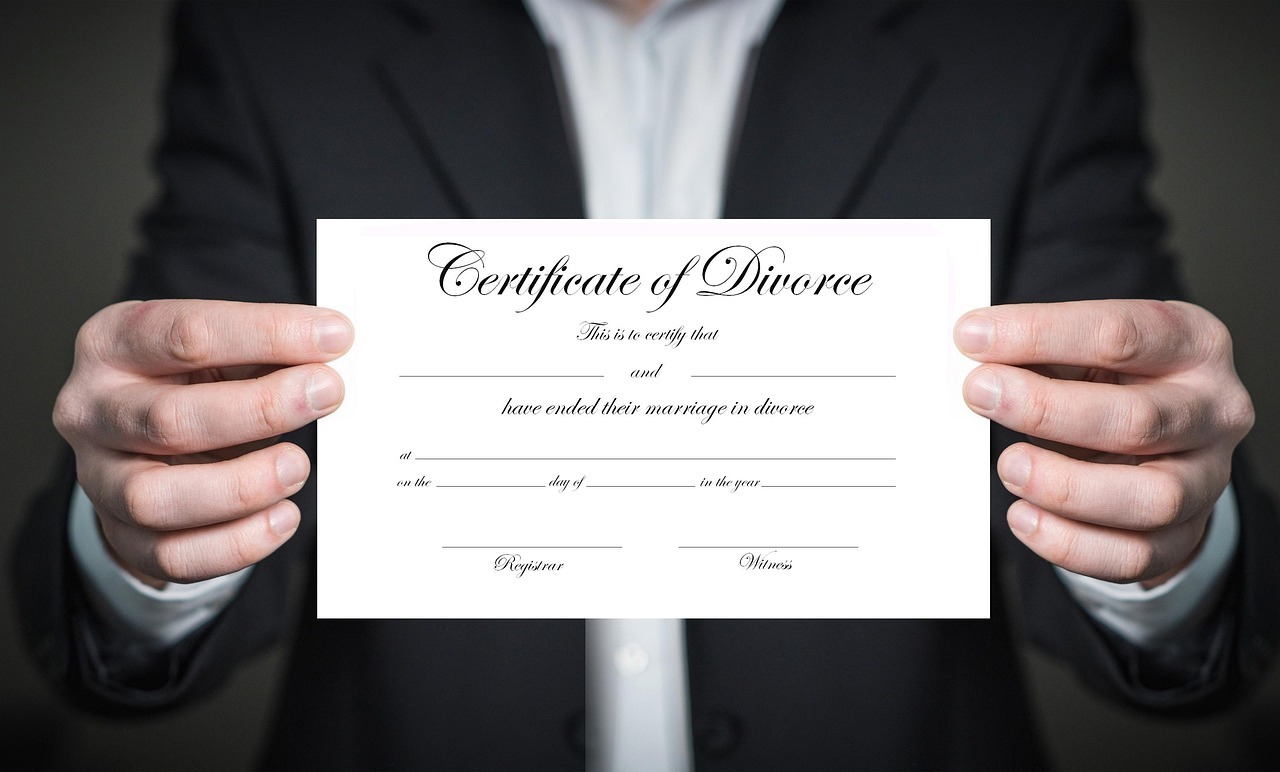
    Indivíduo segurando um certificado de divórcio em ambiente profissional. — foto: tumisu
    Why is document validation so complex for foreigners in brazil? — foto: tumisu

    The key distinction is “public document.” A public document is generally one issued by a governmental authority, a court, a notary public, or a similar official body, bearing an official seal and signature. Private documents, such as letters or private contracts, typically do not qualify for an Apostille directly. However, if a private document needs to be used officially, it may first need to be notarized by a notary public in the country of origin, and then the notary’s signature itself would be apostilled.

    Here is a comprehensive list of common documents that almost invariably require an Apostille when brought from abroad for use in Brazil:

    Therefore, the process for using a foreign public document in Brazil is typically a two-step authentication process:

    • Step 1: Apostille Abroad. Obtain an Apostille for your original foreign document in the country where it was issued. This validates the document’s origin internationally.
    • Step 2: Sworn Translation in Brazil. Once you have the apostilled document, you must have it translated into Portuguese by a certified tradutor juramentado in Brazil. This makes the document legally intelligible and usable within Brazil.

    It is crucial to understand that an ordinary translation, even if done by a professional translator, will not be accepted by Brazilian authorities. Only a sworn translation by an officially recognized Brazilian public translator carries the necessary legal validity. This dual requirement of Apostille + Sworn Translation ensures both the international authenticity and the national intelligibility of your foreign documents, adhering strictly to Brazilian civil law principles and protecting against fraud or misinterpretation.

    How to Get Your Foreign Documents Apostilled for Use in Brazil: A Step-by-Step Guide

    To get your foreign documents apostilled for use in Brazil, the process involves obtaining the Apostille in the document’s country of origin, not in Brazil, followed by a sworn translation into Portuguese once you are in Brazil. This multi-stage process ensures your document’s international authenticity and national legal intelligibility, as required by Brazilian law under the Hague Convention. For instance, obtaining an Apostille in the USA can cost anywhere from $5 to $20 per document, according to state Secretary of State fees, plus any service charges if using an expediting service, with processing times varying from a few days to several weeks.

    Navigating this process efficiently is key to avoiding delays in your Brazilian endeavors. Here’s a clear, step-by-step guide:

  • Step 1: Identify the “Public Document” and Prepare Originals.
    • First, confirm that your document is indeed a public document eligible for an Apostille (e.g., birth certificate, diploma, police record, court order).
    • Ensure you have the original document. Photocopies are generally not accepted for the Apostille unless they are certified copies issued by an official authority in your home country (e.g., a “certified true copy” from a vital records office).
    • Check if the document needs to be notarized first. For some private documents (like a Power of Attorney drafted by yourself), a notary public in your home country must first certify your signature, and then the Apostille will be affixed to the notary’s certification.
  • Step 2: Locate the Competent Authority in the Issuing Country.
    • The Apostille must be issued by the designated authority in the country where your document originated. This is crucial: you cannot get an Apostille for a U.S. birth certificate in Brazil, for example.
    • For U.S. Documents:
      • State-issued documents (birth, marriage, death certificates, state court documents, diplomas from state universities): Contact the Secretary of State’s office in the specific state where the document was issued.
      • Federal documents (FBI background checks, documents issued by federal courts, FDA, USDA): Contact the U.S. Department of State Authentications Office in Washington, D.C.
    • For UK Documents: Contact the Legalisation Office of the Foreign, Commonwealth & Development Office (FCDO).
    • For Canadian Documents: While Canada is not a signatory to the Hague Convention, it is expected to join in 2026. Until then, Canadian documents require consular legalization by the Brazilian consulate in Canada. Once Canada officially joins, the process will shift to an Apostille issued by Global Affairs Canada or provincial authorities.
    • For EU/Other Hague Convention Countries: Research the specific “competent authority” (often Ministry of Foreign Affairs, Ministry of Justice, or regional courts) in the country where your document was issued.
  • Step 3: Submit Your Document for Apostille.
    • Follow the specific submission instructions of the competent authority. This often involves mailing the document, an application form, and the required fee. Some offices may offer in-person service by appointment.
    • Be aware of processing times. These can range from a few business days for expedited services to several weeks for standard mail-in requests, depending on the authority and current workload.
    • The Apostille will be physically attached to your original document, usually as an extra page.
  • Step 4: Obtain a Sworn Translation in Brazil.
    • Once your document has been apostilled abroad, bring both the original document and its attached Apostille to Brazil.
    • You must then find a tradutor público e intérprete comercial (sworn translator) registered with a Junta Comercial (Board of Trade) in Brazil. You can search for registered translators on the website of your state’s Junta Comercial (e.g., JUCESP for São Paulo, JUCERJA for Rio de Janeiro).
    • The sworn translator will translate both your original foreign document AND the Apostille certificate into Portuguese. The sworn translation will also be an official document, typically printed on special paper, with the translator’s stamp and signature.
    • The cost of a sworn translation in 2026 varies by state and translator, typically charged per page or per word. For example, in São Paulo, a standard page might cost between R$ 70 to R$ 150 (approx. €13-€28), according to JUCESP’s fee guidelines, but complex or urgent translations can be higher.
  • Step 5: Use Your Document.
    • With the original apostilled document and its sworn translation, your document is now legally valid for use with any Brazilian authority, such as the Federal Police for your CRNM, a cartório for property registration, or a university for enrollment.
    • Always keep the original apostilled document and the original sworn translation together. Authorities will typically require both.
  • This systematic approach ensures compliance with all Brazilian legal requirements, making your transition or stay in Brazil as smooth as possible from a documentation standpoint.

    What Changed in 2026 Regarding Apostilles and Sworn Translations in Brazil?

    In 2026, the fundamental requirements for Apostilles and sworn translations in Brazil remain largely consistent with previous years, as the core legal framework established by the Hague Convention and Brazilian Decree 13.609/1943 is stable. However, continuous efforts by the Conselho Nacional de Justiça (CNJ) have focused on enhancing the accessibility and verification of Apostilles through the e-Apostille system , allowing for online verification of Apostille certificates issued in Brazil, ensuring greater security and efficiency in 2026.

    While no drastic legislative overhauls have occurred in 2026 specifically, the trend continues towards greater digitalization and efficiency within Brazil’s bureaucratic processes. The CNJ, which regulates the Apostille system within Brazil, has been steadily improving its e-Apostille platform.

    • Enhanced Digital Verification (e-Apostille): For Apostilles issued *in Brazil* for documents destined abroad, the e-Apostille system allows for quick and secure online verification using a QR code or unique identifier printed on the certificate. This helps combat fraud and speeds up validation processes internationally. While this primarily impacts Brazilian documents going abroad, the technological infrastructure also strengthens the overall reliability of the system, indirectly benefiting the verification of foreign Apostilles if similar digital features become more widespread internationally.
    • Consistency in Sworn Translation Rules: The legal mandate for sworn translations (tradução juramentada) for foreign documents remains unchanged. Decree 13.609/1943 continues to be the bedrock for this requirement, meaning foreign documents, once apostilled, still unequivocally need a translation by a tradutor público e intérprete comercial in Brazil. There have been no discussions or proposals in 2026 to alter this fundamental requirement, which is deeply embedded in Brazilian legal tradition.
    • Focus on Compliance and Training: The CNJ continues to provide guidelines and training for Brazilian cartórios (notary public offices) to ensure uniform application of the Apostille Convention. This continuous education helps reduce inconsistencies and errors in the issuance and recognition of Apostilles within Brazil, making the process more predictable for foreigners.
    • International Adaptations: A notable development, though not directly a change in Brazilian law, is Canada’s anticipated full accession to the Hague Apostille Convention in 2026. Once effective, Canadian documents destined for Brazil (and other signatory countries) will no longer require consular legalization but can instead obtain an Apostille from Canadian authorities. This global expansion of the Convention continually simplifies document validation for more nationalities interacting with Brazil.

    In essence, foreigners should expect the Apostille and sworn translation requirements to be as rigorous as before, with the added benefit of increasingly robust digital verification tools and potentially broader international applicability as more countries join the Convention. The core message for 2026 remains: apostille your foreign public document in its country of origin, then get a sworn translation in Brazil.

    Common Mistakes Foreigners Make with Apostilles and Sworn Translations for Brazil

    Foreigners often make several critical mistakes with Apostilles and sworn translations for Brazil, leading to significant delays and complications, including failing to obtain the Apostille in the document’s country of origin, not getting a tradução juramentada from a Brazilian public translator, or misunderstanding document deadlines. For example, trying to apostille a U.S. document in Brazil is a common error that will result in immediate rejection by Brazilian authorities like the Federal Police, as per CNJ Resolution 228/2016 which clearly stipulates the document’s origin for the Apostille.

    Três profissionais em reunião em um escritório, com documentos e uma balança de justiça sobre a mesa. — foto: www. Kaboompics. Com
    Why is document validation so complex for foreigners in brazil? — foto: www. Kaboompics. Com

    Navigating the bureaucratic landscape of a new country is challenging, and these common errors can set back your plans considerably. Being aware of them can help you avoid unnecessary stress and expenses:

    • Trying to Get an Apostille in the Wrong Country: This is arguably the most frequent and impactful mistake. The Apostille must be obtained from the designated competent authority *in the country where the document was issued*. You cannot get an Apostille for a U.S. birth certificate in Brazil, nor for a German university diploma in the U.S. Brazilian authorities will reject documents that have not been correctly apostilled in their country of origin.
    • Not Obtaining a Sworn Translation (Tradução Juramentada) in Brazil: Many foreigners mistakenly believe that once a document is apostilled, it’s ready for use. However, as discussed, Brazilian law demands that all foreign-language documents be translated by a certified tradutor público e intérprete comercial (sworn translator) in Brazil. An ordinary translation, even by a professional, is insufficient and will not be accepted by any official Brazilian body, including the Federal Police, cartórios, or courts.
    • Confusing Notarization with Apostille: While some documents may require initial notarization in the home country before they can be apostilled (e.g., a private contract where the notary certifies the signatory’s identity), notarization itself is not an Apostille. A notarized document without an Apostille from a Hague Convention country will not be accepted in Brazil for official purposes.
    • Missing Document Validity Deadlines: While an Apostille certificate itself does not typically expire, the underlying document might have an expiration date. For example, a criminal background check is usually valid for a limited period (e.g., 90 days from issuance). Presenting an outdated document, even if correctly apostilled and translated, will lead to rejection. Always check the validity period of the specific document required by the Brazilian authority.
    • Using Unofficial Channels or Unregistered Translators: To save money, some foreigners might try to use unregistered translators or online services that claim to provide “official” translations but are not recognized by Brazilian law. This is a false economy, as these translations will be rejected. Always verify that your translator is registered with a Brazilian Junta Comercial. Similarly, be wary of non-official “apostille services” that promise shortcuts, as they may lead to fraudulent or invalid certifications.
    • Failing to Keep Originals: Brazilian authorities almost always require the *original* apostilled document along with the original sworn translation. Relying solely on copies, even certified ones, for initial submission can cause delays. Always make sure to have your original documents at hand.

    By understanding and proactively avoiding these common pitfalls, you can significantly streamline your document validation process for Brazil, saving time, money, and considerable frustration.

    Comparison Table: Apostille vs. Consular Legalization vs. Notarization

    Understanding the differences between Apostille, Consular Legalization, and Notarization is essential for ensuring your foreign documents are properly authenticated for use in Brazil, as each serves a distinct purpose. The Apostille is for Hague Convention countries, Consular Legalization for non-Hague countries, and Notarization is a preliminary step for some private documents before either Apostille or Consular Legalization.

    Feature Apostille (Hague Convention) Consular Legalization (Non-Hague Convention) Notarization (Preliminary Step)
    Purpose Authenticates the origin of a public document for use in another signatory country. Replaces complex consular chain. Authenticates a document for use in a foreign country that is NOT a Hague Convention signatory. Involves multiple authentications. Certifies a signature, makes a copy, or affirms an oath within a country. Often a prerequisite for Apostille/Legalization.
    Applicability for Brazil REQUIRED for public documents from over 120 countries (including USA, UK, EU) for use in Brazil. REQUIRED for public documents from the few countries NOT part of the Hague Convention for use in Brazil (e.g., Canada until its expected accession in 2026). May be required in the country of origin BEFORE Apostille/Legalization for certain private documents (e.g., power of attorney where notary certifies signature). Not valid alone in Brazil.
    Issuing Authority Designated “Competent Authority” in the *issuing country* (e.g., Secretary of State in USA, FCDO in UK, Ministry of Justice in some EU countries). Authorities in the *issuing country* (local, state/federal) AND then by the Brazilian Consulate/Embassy in that country. Local Notary Public in the *country where the document or signature originates*.
    Process Single certification stamp/certificate affixed to the document. Multi-step process: local notarization, state/federal authentication, then authentication by the Brazilian consulate. Single act by a notary public (e.g., witnessing a signature, certifying a copy).
    Cost & Timeline Generally less expensive and faster than consular legalization (e.g., $5-$20 per document + service fees, 1 day to a few weeks). Typically more expensive and time-consuming due to multiple steps and consular fees (can be weeks to months). Relatively inexpensive and quick (e.g., $5-$25 per document, often instant).
    Legal Basis 1961 Hague Apostille Convention (CNJ Resolution 228/2016 in Brazil). International diplomatic/consular practice and specific bilateral agreements. Domestic laws governing notary publics in the country of origin.

    This comparison highlights why the Apostille system, adopted by Brazil in 2016, was a significant simplification for international document exchange. While notarization is a domestic legal act, and consular legalization remains a necessity for non-Hague countries, the Apostille provides a universally recognized, streamlined method of authentication for the majority of foreign public documents destined for Brazil.

    Frequently Asked Questions (FAQ)

    Apostille brazil: How long is an Apostille valid in Brazil?

    An Apostille certificate itself generally does not have an expiration date. It permanently authenticates the signature and seal on the underlying public document at the time it was issued. However, the *underlying document* that was apostilled might have a limited validity period. For example, a police clearance certificate is typically only considered valid for 90 days from its issuance date. Brazilian authorities will always look at the validity of the document itself, not just the Apostille. Always confirm the required validity period for the specific document needed by the Brazilian institution.

    Can I get an Apostille for a foreign document *in Brazil*?

    No, you cannot get an Apostille for a foreign document *in Brazil*. The Apostille must be obtained from the designated “competent authority” in the country where the document was originally issued. Brazilian cartórios (notary offices) are only authorized to issue Apostilles for *Brazilian* public documents that are going to be used abroad. If you have a document from the United States, for example, it must be apostilled by the Secretary of State in the relevant U.S. state or by the U.S. Department of State, not by any authority in Brazil.

    What if my document is from a country *not* part of the Hague Convention?

    If your document is from a country that is not a signatory to the 1961 Hague Apostille Convention, then the traditional “consular legalization” process is required instead of an Apostille. This usually involves multiple steps: first, the document must be authenticated by the relevant authorities in its country of origin (e.g., local notaries, then a state/federal department), and then it must be authenticated by the Brazilian consulate or embassy in that country. This multi-step process is generally more time-consuming and expensive than obtaining an Apostille.

    Do I need a lawyer to get an Apostille or Sworn Translation?

    You do not *legally* need a lawyer to physically obtain an Apostille in your home country or to contact a sworn translator in Brazil. The process for both is designed to be accessible to individuals. However, hiring a lawyer, especially one specializing in international law and Brazilian bureaucracy like Ribeiro Cavalcante Advocacia, can be highly beneficial. A lawyer can guide you on which documents truly need an Apostille, verify their correctness, identify the right authorities, and coordinate the sworn translation, ensuring all steps are followed correctly and efficiently, thus preventing costly mistakes and delays.

    Is there a digital Apostille (e-Apostille) in Brazil?

    Yes, Brazil officially implemented the e-Apostille system, regulated by the Conselho Nacional de Justiça (CNJ). For Apostilles issued *in Brazil* for documents destined abroad, the system provides a unique QR code and verification number. This allows for instant online verification of the Apostille’s authenticity on the CNJ’s official portal. While this digital system is primarily for Brazilian documents, it contributes to the overall efficiency and security of the Apostille framework, indirectly benefiting foreigners by setting a standard for modern document authentication that aligns with international best practices.

    Navigating Brazilian Bureaucracy: Your Expert Partner

    Navigating the intricacies of Brazilian legal requirements, especially concerning document authentication like the Apostille and sworn translations, can be a complex and time-consuming endeavor for foreigners. Our bilingual legal team understands these challenges and is dedicated to providing clear, practical guidance to ensure your documents are perfectly in order for your life, business, or investments in Brazil.

    Talk to a specialist lawyer now

    Talk to a Lawyer on WhatsApp

    Therefore, the process for using a foreign public document in Brazil is typically a two-step authentication process:

    • Step 1: Apostille Abroad. Obtain an Apostille for your original foreign document in the country where it was issued. This validates the document’s origin internationally.
    • Step 2: Sworn Translation in Brazil. Once you have the apostilled document, you must have it translated into Portuguese by a certified tradutor juramentado in Brazil. This makes the document legally intelligible and usable within Brazil.

    It is crucial to understand that an ordinary translation, even if done by a professional translator, will not be accepted by Brazilian authorities. Only a sworn translation by an officially recognized Brazilian public translator carries the necessary legal validity. This dual requirement of Apostille + Sworn Translation ensures both the international authenticity and the national intelligibility of your foreign documents, adhering strictly to Brazilian civil law principles and protecting against fraud or misinterpretation.

    How to Get Your Foreign Documents Apostilled for Use in Brazil: A Step-by-Step Guide

    To get your foreign documents apostilled for use in Brazil, the process involves obtaining the Apostille in the document’s country of origin, not in Brazil, followed by a sworn translation into Portuguese once you are in Brazil. This multi-stage process ensures your document’s international authenticity and national legal intelligibility, as required by Brazilian law under the Hague Convention. For instance, obtaining an Apostille in the USA can cost anywhere from $5 to $20 per document, according to state Secretary of State fees, plus any service charges if using an expediting service, with processing times varying from a few days to several weeks.

    Navigating this process efficiently is key to avoiding delays in your Brazilian endeavors. Here’s a clear, step-by-step guide:

  • Step 1: Identify the “Public Document” and Prepare Originals.
    • First, confirm that your document is indeed a public document eligible for an Apostille (e.g., birth certificate, diploma, police record, court order).
    • Ensure you have the original document. Photocopies are generally not accepted for the Apostille unless they are certified copies issued by an official authority in your home country (e.g., a “certified true copy” from a vital records office).
    • Check if the document needs to be notarized first. For some private documents (like a Power of Attorney drafted by yourself), a notary public in your home country must first certify your signature, and then the Apostille will be affixed to the notary’s certification.
  • Step 2: Locate the Competent Authority in the Issuing Country.
    • The Apostille must be issued by the designated authority in the country where your document originated. This is crucial: you cannot get an Apostille for a U.S. birth certificate in Brazil, for example.
    • For U.S. Documents:
      • State-issued documents (birth, marriage, death certificates, state court documents, diplomas from state universities): Contact the Secretary of State’s office in the specific state where the document was issued.
      • Federal documents (FBI background checks, documents issued by federal courts, FDA, USDA): Contact the U.S. Department of State Authentications Office in Washington, D.C.
    • For UK Documents: Contact the Legalisation Office of the Foreign, Commonwealth & Development Office (FCDO).
    • For Canadian Documents: While Canada is not a signatory to the Hague Convention, it is expected to join in 2026. Until then, Canadian documents require consular legalization by the Brazilian consulate in Canada. Once Canada officially joins, the process will shift to an Apostille issued by Global Affairs Canada or provincial authorities.
    • For EU/Other Hague Convention Countries: Research the specific “competent authority” (often Ministry of Foreign Affairs, Ministry of Justice, or regional courts) in the country where your document was issued.
  • Step 3: Submit Your Document for Apostille.
    • Follow the specific submission instructions of the competent authority. This often involves mailing the document, an application form, and the required fee. Some offices may offer in-person service by appointment.
    • Be aware of processing times. These can range from a few business days for expedited services to several weeks for standard mail-in requests, depending on the authority and current workload.
    • The Apostille will be physically attached to your original document, usually as an extra page.
  • Step 4: Obtain a Sworn Translation in Brazil.
    • Once your document has been apostilled abroad, bring both the original document and its attached Apostille to Brazil.
    • You must then find a tradutor público e intérprete comercial (sworn translator) registered with a Junta Comercial (Board of Trade) in Brazil. You can search for registered translators on the website of your state’s Junta Comercial (e.g., JUCESP for São Paulo, JUCERJA for Rio de Janeiro).
    • The sworn translator will translate both your original foreign document AND the Apostille certificate into Portuguese. The sworn translation will also be an official document, typically printed on special paper, with the translator’s stamp and signature.
    • The cost of a sworn translation in 2026 varies by state and translator, typically charged per page or per word. For example, in São Paulo, a standard page might cost between R$ 70 to R$ 150 (approx. €13-€28), according to JUCESP’s fee guidelines, but complex or urgent translations can be higher.
  • Step 5: Use Your Document.
    • With the original apostilled document and its sworn translation, your document is now legally valid for use with any Brazilian authority, such as the Federal Police for your CRNM, a cartório for property registration, or a university for enrollment.
    • Always keep the original apostilled document and the original sworn translation together. Authorities will typically require both.
  • This systematic approach ensures compliance with all Brazilian legal requirements, making your transition or stay in Brazil as smooth as possible from a documentation standpoint.

    What Changed in 2026 Regarding Apostilles and Sworn Translations in Brazil?

    In 2026, the fundamental requirements for Apostilles and sworn translations in Brazil remain largely consistent with previous years, as the core legal framework established by the Hague Convention and Brazilian Decree 13.609/1943 is stable. However, continuous efforts by the Conselho Nacional de Justiça (CNJ) have focused on enhancing the accessibility and verification of Apostilles through the e-Apostille system , allowing for online verification of Apostille certificates issued in Brazil, ensuring greater security and efficiency in 2026.

    While no drastic legislative overhauls have occurred in 2026 specifically, the trend continues towards greater digitalization and efficiency within Brazil’s bureaucratic processes. The CNJ, which regulates the Apostille system within Brazil, has been steadily improving its e-Apostille platform.

    • Enhanced Digital Verification (e-Apostille): For Apostilles issued *in Brazil* for documents destined abroad, the e-Apostille system allows for quick and secure online verification using a QR code or unique identifier printed on the certificate. This helps combat fraud and speeds up validation processes internationally. While this primarily impacts Brazilian documents going abroad, the technological infrastructure also strengthens the overall reliability of the system, indirectly benefiting the verification of foreign Apostilles if similar digital features become more widespread internationally.
    • Consistency in Sworn Translation Rules: The legal mandate for sworn translations (tradução juramentada) for foreign documents remains unchanged. Decree 13.609/1943 continues to be the bedrock for this requirement, meaning foreign documents, once apostilled, still unequivocally need a translation by a tradutor público e intérprete comercial in Brazil. There have been no discussions or proposals in 2026 to alter this fundamental requirement, which is deeply embedded in Brazilian legal tradition.
    • Focus on Compliance and Training: The CNJ continues to provide guidelines and training for Brazilian cartórios (notary public offices) to ensure uniform application of the Apostille Convention. This continuous education helps reduce inconsistencies and errors in the issuance and recognition of Apostilles within Brazil, making the process more predictable for foreigners.
    • International Adaptations: A notable development, though not directly a change in Brazilian law, is Canada’s anticipated full accession to the Hague Apostille Convention in 2026. Once effective, Canadian documents destined for Brazil (and other signatory countries) will no longer require consular legalization but can instead obtain an Apostille from Canadian authorities. This global expansion of the Convention continually simplifies document validation for more nationalities interacting with Brazil.

    In essence, foreigners should expect the Apostille and sworn translation requirements to be as rigorous as before, with the added benefit of increasingly robust digital verification tools and potentially broader international applicability as more countries join the Convention. The core message for 2026 remains: apostille your foreign public document in its country of origin, then get a sworn translation in Brazil.

    Common Mistakes Foreigners Make with Apostilles and Sworn Translations for Brazil

    Foreigners often make several critical mistakes with Apostilles and sworn translations for Brazil, leading to significant delays and complications, including failing to obtain the Apostille in the document’s country of origin, not getting a tradução juramentada from a Brazilian public translator, or misunderstanding document deadlines. For example, trying to apostille a U.S. document in Brazil is a common error that will result in immediate rejection by Brazilian authorities like the Federal Police, as per CNJ Resolution 228/2016 which clearly stipulates the document’s origin for the Apostille.

    Três profissionais em reunião em um escritório, com documentos e uma balança de justiça sobre a mesa. — foto: www. Kaboompics. Com
    Why is document validation so complex for foreigners in brazil? — foto: www. Kaboompics. Com

    Navigating the bureaucratic landscape of a new country is challenging, and these common errors can set back your plans considerably. Being aware of them can help you avoid unnecessary stress and expenses:

    • Trying to Get an Apostille in the Wrong Country: This is arguably the most frequent and impactful mistake. The Apostille must be obtained from the designated competent authority *in the country where the document was issued*. You cannot get an Apostille for a U.S. birth certificate in Brazil, nor for a German university diploma in the U.S. Brazilian authorities will reject documents that have not been correctly apostilled in their country of origin.
    • Not Obtaining a Sworn Translation (Tradução Juramentada) in Brazil: Many foreigners mistakenly believe that once a document is apostilled, it’s ready for use. However, as discussed, Brazilian law demands that all foreign-language documents be translated by a certified tradutor público e intérprete comercial (sworn translator) in Brazil. An ordinary translation, even by a professional, is insufficient and will not be accepted by any official Brazilian body, including the Federal Police, cartórios, or courts.
    • Confusing Notarization with Apostille: While some documents may require initial notarization in the home country before they can be apostilled (e.g., a private contract where the notary certifies the signatory’s identity), notarization itself is not an Apostille. A notarized document without an Apostille from a Hague Convention country will not be accepted in Brazil for official purposes.
    • Missing Document Validity Deadlines: While an Apostille certificate itself does not typically expire, the underlying document might have an expiration date. For example, a criminal background check is usually valid for a limited period (e.g., 90 days from issuance). Presenting an outdated document, even if correctly apostilled and translated, will lead to rejection. Always check the validity period of the specific document required by the Brazilian authority.
    • Using Unofficial Channels or Unregistered Translators: To save money, some foreigners might try to use unregistered translators or online services that claim to provide “official” translations but are not recognized by Brazilian law. This is a false economy, as these translations will be rejected. Always verify that your translator is registered with a Brazilian Junta Comercial. Similarly, be wary of non-official “apostille services” that promise shortcuts, as they may lead to fraudulent or invalid certifications.
    • Failing to Keep Originals: Brazilian authorities almost always require the *original* apostilled document along with the original sworn translation. Relying solely on copies, even certified ones, for initial submission can cause delays. Always make sure to have your original documents at hand.

    By understanding and proactively avoiding these common pitfalls, you can significantly streamline your document validation process for Brazil, saving time, money, and considerable frustration.

    Comparison Table: Apostille vs. Consular Legalization vs. Notarization

    Understanding the differences between Apostille, Consular Legalization, and Notarization is essential for ensuring your foreign documents are properly authenticated for use in Brazil, as each serves a distinct purpose. The Apostille is for Hague Convention countries, Consular Legalization for non-Hague countries, and Notarization is a preliminary step for some private documents before either Apostille or Consular Legalization.

    Feature Apostille (Hague Convention) Consular Legalization (Non-Hague Convention) Notarization (Preliminary Step)
    Purpose Authenticates the origin of a public document for use in another signatory country. Replaces complex consular chain. Authenticates a document for use in a foreign country that is NOT a Hague Convention signatory. Involves multiple authentications. Certifies a signature, makes a copy, or affirms an oath within a country. Often a prerequisite for Apostille/Legalization.
    Applicability for Brazil REQUIRED for public documents from over 120 countries (including USA, UK, EU) for use in Brazil. REQUIRED for public documents from the few countries NOT part of the Hague Convention for use in Brazil (e.g., Canada until its expected accession in 2026). May be required in the country of origin BEFORE Apostille/Legalization for certain private documents (e.g., power of attorney where notary certifies signature). Not valid alone in Brazil.
    Issuing Authority Designated “Competent Authority” in the *issuing country* (e.g., Secretary of State in USA, FCDO in UK, Ministry of Justice in some EU countries). Authorities in the *issuing country* (local, state/federal) AND then by the Brazilian Consulate/Embassy in that country. Local Notary Public in the *country where the document or signature originates*.
    Process Single certification stamp/certificate affixed to the document. Multi-step process: local notarization, state/federal authentication, then authentication by the Brazilian consulate. Single act by a notary public (e.g., witnessing a signature, certifying a copy).
    Cost & Timeline Generally less expensive and faster than consular legalization (e.g., $5-$20 per document + service fees, 1 day to a few weeks). Typically more expensive and time-consuming due to multiple steps and consular fees (can be weeks to months). Relatively inexpensive and quick (e.g., $5-$25 per document, often instant).
    Legal Basis 1961 Hague Apostille Convention (CNJ Resolution 228/2016 in Brazil). International diplomatic/consular practice and specific bilateral agreements. Domestic laws governing notary publics in the country of origin.

    This comparison highlights why the Apostille system, adopted by Brazil in 2016, was a significant simplification for international document exchange. While notarization is a domestic legal act, and consular legalization remains a necessity for non-Hague countries, the Apostille provides a universally recognized, streamlined method of authentication for the majority of foreign public documents destined for Brazil.

    Frequently Asked Questions (FAQ)

    Apostille brazil: How long is an Apostille valid in Brazil?

    An Apostille certificate itself generally does not have an expiration date. It permanently authenticates the signature and seal on the underlying public document at the time it was issued. However, the *underlying document* that was apostilled might have a limited validity period. For example, a police clearance certificate is typically only considered valid for 90 days from its issuance date. Brazilian authorities will always look at the validity of the document itself, not just the Apostille. Always confirm the required validity period for the specific document needed by the Brazilian institution.

    Can I get an Apostille for a foreign document *in Brazil*?

    No, you cannot get an Apostille for a foreign document *in Brazil*. The Apostille must be obtained from the designated “competent authority” in the country where the document was originally issued. Brazilian cartórios (notary offices) are only authorized to issue Apostilles for *Brazilian* public documents that are going to be used abroad. If you have a document from the United States, for example, it must be apostilled by the Secretary of State in the relevant U.S. state or by the U.S. Department of State, not by any authority in Brazil.

    What if my document is from a country *not* part of the Hague Convention?

    If your document is from a country that is not a signatory to the 1961 Hague Apostille Convention, then the traditional “consular legalization” process is required instead of an Apostille. This usually involves multiple steps: first, the document must be authenticated by the relevant authorities in its country of origin (e.g., local notaries, then a state/federal department), and then it must be authenticated by the Brazilian consulate or embassy in that country. This multi-step process is generally more time-consuming and expensive than obtaining an Apostille.

    Do I need a lawyer to get an Apostille or Sworn Translation?

    You do not *legally* need a lawyer to physically obtain an Apostille in your home country or to contact a sworn translator in Brazil. The process for both is designed to be accessible to individuals. However, hiring a lawyer, especially one specializing in international law and Brazilian bureaucracy like Ribeiro Cavalcante Advocacia, can be highly beneficial. A lawyer can guide you on which documents truly need an Apostille, verify their correctness, identify the right authorities, and coordinate the sworn translation, ensuring all steps are followed correctly and efficiently, thus preventing costly mistakes and delays.

    Is there a digital Apostille (e-Apostille) in Brazil?

    Yes, Brazil officially implemented the e-Apostille system, regulated by the Conselho Nacional de Justiça (CNJ). For Apostilles issued *in Brazil* for documents destined abroad, the system provides a unique QR code and verification number. This allows for instant online verification of the Apostille’s authenticity on the CNJ’s official portal. While this digital system is primarily for Brazilian documents, it contributes to the overall efficiency and security of the Apostille framework, indirectly benefiting foreigners by setting a standard for modern document authentication that aligns with international best practices.

    Navigating Brazilian Bureaucracy: Your Expert Partner

    Navigating the intricacies of Brazilian legal requirements, especially concerning document authentication like the Apostille and sworn translations, can be a complex and time-consuming endeavor for foreigners. Our bilingual legal team understands these challenges and is dedicated to providing clear, practical guidance to ensure your documents are perfectly in order for your life, business, or investments in Brazil.

    Talk to a specialist lawyer now

    Talk to a Lawyer on WhatsApp
    • Personal Records:
      • Birth Certificates: Essential for obtaining residency (CRNM), registering children, or proving identity for various official processes.
      • Marriage Certificates: Required for family reunion visas, registering a marriage in Brazil, or updating marital status on official documents like your CPF (Cadastro de Pessoas Físicas).
      • Death Certificates: Necessary for inheritance processes (inventário), claiming insurance, or repatriating remains.
      • Divorce Decrees/Certificates: Crucial for remarriage in Brazil or updating marital status.
      • Criminal Record Certificates/Police Clearance: A mandatory document for most long-term visa and permanent residency applications to prove a clean record.
    • Academic and Professional Documents:
      • Diplomas and Degrees: For enrolling in Brazilian educational institutions, validating foreign qualifications, or professional registration.
      • Academic Transcripts: Detailed records of your coursework and grades, required for university applications or equivalency recognition.
      • Professional Licenses or Certifications: If you intend to practice a regulated profession in Brazil (e.g., medicine, engineering, law), your foreign professional credentials will need to be apostilled.
    • Legal and Administrative Instruments:
      • Powers of Attorney (Procurações): If granted abroad for use in Brazil (e.g., to buy property, manage assets, or represent you legally), the foreign notary’s signature on the power of attorney must be apostilled.
      • Court Orders and Judgments: Any judicial decision from abroad that needs to be enforced or recognized in Brazil (e.g., foreign adoptions, child custody orders, debt judgments).
      • Documents related to Civil Unions or Partnerships: For validating non-marital unions recognized in your home country.
    • Corporate and Business Documents:
      • Articles of Incorporation/Organization: For foreign companies establishing a branch or subsidiary in Brazil.
      • Certificates of Good Standing: To prove the active legal status of a foreign entity.
      • Board Resolutions: Corporate decisions made abroad that have legal implications in Brazil.

    Always confirm the specific requirements with the Brazilian agency or institution requesting the document, as requirements can sometimes vary slightly depending on the purpose. However, the rule of thumb remains: if it’s a foreign public document intended for official use in Brazil, an Apostille is almost certainly needed.

    Apostille brazil: Can Any Document Be Apostilled for Brazil?

    No, not every document can be apostilled for use in Brazil, as the Hague Convention explicitly limits the Apostille to “public documents” and excludes certain categories. Specifically, documents issued by diplomatic or consular agents, and administrative documents directly related to commercial or customs operations, are typically exempt from the Apostille requirement under Article 1 of the Convention. Private documents, while not directly apostillable, may still be usable if a notary’s signature on them is apostilled in the document’s country of origin, according to standards set by the CNJ Resolution 228/2016.

    Understanding the distinction between what can and cannot be apostilled is crucial to avoid wasting time and resources. The Hague Convention defines “public documents” broadly, encompassing:

    • Documents emanating from an authority or an official connected with the courts of the State, including those emanating from a public prosecutor, a clerk of a court, or a bailiff.
    • Administrative documents.
    • Notarial acts.
    • Official certificates which are placed on documents signed by persons in their private capacity, such as official certificates recording the registration of a document or the fact that it was in existence on a certain date and official and notarial authentications of signatures.

    However, the Convention also clearly states two categories of documents to which it shall not apply:

    • Documents executed by diplomatic or consular agents. These documents are generally considered valid within their respective consular districts without further authentication, or they follow their own internal consular legalization procedures.
    • Administrative documents dealing directly with commercial or customs operations. This typically refers to invoices, certificates of origin, shipping manifests, etc., which are usually governed by specific international trade agreements or customs regulations rather than general document authentication.

    Furthermore, purely private documents (e.g., a personal letter, an internal company memo without an official seal or signature) cannot be directly apostilled. If such a document needs to be recognized in Brazil, the process usually involves a preliminary step: a notary public in the document’s country of origin certifies the signature on the private document, and *then* the notary’s signature itself is apostilled. This effectively transforms the private document into one with an “official certificate” (the notarization) that can be apostilled, making it recognizable in Brazil after a sworn translation.

    It is important to remember that the Apostille only certifies the *origin* of the document and the *authenticity of the signature and seal* of the issuing authority. It does not certify the content or truthfulness of the document itself. Therefore, even with an Apostille, a document must still comply with all other Brazilian legal requirements, such as sworn translation into Portuguese.

    What Is a “Sworn Translation” and Why Is It Always Needed with an Apostille in Brazil?

    A “sworn translation” (tradução juramentada) in Brazil is a mandatory official translation performed by a *tradutor público e intérprete comercial* (public translator and commercial interpreter) appointed by the Board of Trade (Junta Comercial) of a Brazilian state. It is always needed with an Apostille for foreign documents because Brazilian law, specifically Decree 13.609/1943, requires that any foreign document presented to an official Brazilian authority must be translated into Portuguese by a sworn translator to be legally valid and intelligible within the national legal system, regardless of its original language or the presence of an Apostille.

    The Apostille ensures that your foreign document is recognized as authentic in Brazil. However, it does not make the document understandable in Portuguese. Brazilian law explicitly states that documents originating in a foreign language must be accompanied by a sworn translation into Portuguese to have legal effect in Brazil. This requirement applies to all documents, whether they are for immigration, property transactions, academic enrollment, or court proceedings.

    A tradutor público e intérprete comercial is a professional who has passed a rigorous public examination and is officially registered with a state’s Board of Trade. Their translations carry legal weight, making them equivalent to official public documents themselves. This means the sworn translator is not just translating words; they are attesting to the faithful and accurate rendition of the original document, including all seals, stamps, and signatures. Their official stamp and signature are what give the translation its legal validity in Brazil.

    Therefore, the process for using a foreign public document in Brazil is typically a two-step authentication process:

    • Step 1: Apostille Abroad. Obtain an Apostille for your original foreign document in the country where it was issued. This validates the document’s origin internationally.
    • Step 2: Sworn Translation in Brazil. Once you have the apostilled document, you must have it translated into Portuguese by a certified tradutor juramentado in Brazil. This makes the document legally intelligible and usable within Brazil.

    It is crucial to understand that an ordinary translation, even if done by a professional translator, will not be accepted by Brazilian authorities. Only a sworn translation by an officially recognized Brazilian public translator carries the necessary legal validity. This dual requirement of Apostille + Sworn Translation ensures both the international authenticity and the national intelligibility of your foreign documents, adhering strictly to Brazilian civil law principles and protecting against fraud or misinterpretation.

    How to Get Your Foreign Documents Apostilled for Use in Brazil: A Step-by-Step Guide

    To get your foreign documents apostilled for use in Brazil, the process involves obtaining the Apostille in the document’s country of origin, not in Brazil, followed by a sworn translation into Portuguese once you are in Brazil. This multi-stage process ensures your document’s international authenticity and national legal intelligibility, as required by Brazilian law under the Hague Convention. For instance, obtaining an Apostille in the USA can cost anywhere from $5 to $20 per document, according to state Secretary of State fees, plus any service charges if using an expediting service, with processing times varying from a few days to several weeks.

    Navigating this process efficiently is key to avoiding delays in your Brazilian endeavors. Here’s a clear, step-by-step guide:

  • Step 1: Identify the “Public Document” and Prepare Originals.
    • First, confirm that your document is indeed a public document eligible for an Apostille (e.g., birth certificate, diploma, police record, court order).
    • Ensure you have the original document. Photocopies are generally not accepted for the Apostille unless they are certified copies issued by an official authority in your home country (e.g., a “certified true copy” from a vital records office).
    • Check if the document needs to be notarized first. For some private documents (like a Power of Attorney drafted by yourself), a notary public in your home country must first certify your signature, and then the Apostille will be affixed to the notary’s certification.
  • Step 2: Locate the Competent Authority in the Issuing Country.
    • The Apostille must be issued by the designated authority in the country where your document originated. This is crucial: you cannot get an Apostille for a U.S. birth certificate in Brazil, for example.
    • For U.S. Documents:
      • State-issued documents (birth, marriage, death certificates, state court documents, diplomas from state universities): Contact the Secretary of State’s office in the specific state where the document was issued.
      • Federal documents (FBI background checks, documents issued by federal courts, FDA, USDA): Contact the U.S. Department of State Authentications Office in Washington, D.C.
    • For UK Documents: Contact the Legalisation Office of the Foreign, Commonwealth & Development Office (FCDO).
    • For Canadian Documents: While Canada is not a signatory to the Hague Convention, it is expected to join in 2026. Until then, Canadian documents require consular legalization by the Brazilian consulate in Canada. Once Canada officially joins, the process will shift to an Apostille issued by Global Affairs Canada or provincial authorities.
    • For EU/Other Hague Convention Countries: Research the specific “competent authority” (often Ministry of Foreign Affairs, Ministry of Justice, or regional courts) in the country where your document was issued.
  • Step 3: Submit Your Document for Apostille.
    • Follow the specific submission instructions of the competent authority. This often involves mailing the document, an application form, and the required fee. Some offices may offer in-person service by appointment.
    • Be aware of processing times. These can range from a few business days for expedited services to several weeks for standard mail-in requests, depending on the authority and current workload.
    • The Apostille will be physically attached to your original document, usually as an extra page.
  • Step 4: Obtain a Sworn Translation in Brazil.
    • Once your document has been apostilled abroad, bring both the original document and its attached Apostille to Brazil.
    • You must then find a tradutor público e intérprete comercial (sworn translator) registered with a Junta Comercial (Board of Trade) in Brazil. You can search for registered translators on the website of your state’s Junta Comercial (e.g., JUCESP for São Paulo, JUCERJA for Rio de Janeiro).
    • The sworn translator will translate both your original foreign document AND the Apostille certificate into Portuguese. The sworn translation will also be an official document, typically printed on special paper, with the translator’s stamp and signature.
    • The cost of a sworn translation in 2026 varies by state and translator, typically charged per page or per word. For example, in São Paulo, a standard page might cost between R$ 70 to R$ 150 (approx. €13-€28), according to JUCESP’s fee guidelines, but complex or urgent translations can be higher.
  • Step 5: Use Your Document.
    • With the original apostilled document and its sworn translation, your document is now legally valid for use with any Brazilian authority, such as the Federal Police for your CRNM, a cartório for property registration, or a university for enrollment.
    • Always keep the original apostilled document and the original sworn translation together. Authorities will typically require both.
  • This systematic approach ensures compliance with all Brazilian legal requirements, making your transition or stay in Brazil as smooth as possible from a documentation standpoint.

    What Changed in 2026 Regarding Apostilles and Sworn Translations in Brazil?

    In 2026, the fundamental requirements for Apostilles and sworn translations in Brazil remain largely consistent with previous years, as the core legal framework established by the Hague Convention and Brazilian Decree 13.609/1943 is stable. However, continuous efforts by the Conselho Nacional de Justiça (CNJ) have focused on enhancing the accessibility and verification of Apostilles through the e-Apostille system , allowing for online verification of Apostille certificates issued in Brazil, ensuring greater security and efficiency in 2026.

    While no drastic legislative overhauls have occurred in 2026 specifically, the trend continues towards greater digitalization and efficiency within Brazil’s bureaucratic processes. The CNJ, which regulates the Apostille system within Brazil, has been steadily improving its e-Apostille platform.

    • Enhanced Digital Verification (e-Apostille): For Apostilles issued *in Brazil* for documents destined abroad, the e-Apostille system allows for quick and secure online verification using a QR code or unique identifier printed on the certificate. This helps combat fraud and speeds up validation processes internationally. While this primarily impacts Brazilian documents going abroad, the technological infrastructure also strengthens the overall reliability of the system, indirectly benefiting the verification of foreign Apostilles if similar digital features become more widespread internationally.
    • Consistency in Sworn Translation Rules: The legal mandate for sworn translations (tradução juramentada) for foreign documents remains unchanged. Decree 13.609/1943 continues to be the bedrock for this requirement, meaning foreign documents, once apostilled, still unequivocally need a translation by a tradutor público e intérprete comercial in Brazil. There have been no discussions or proposals in 2026 to alter this fundamental requirement, which is deeply embedded in Brazilian legal tradition.
    • Focus on Compliance and Training: The CNJ continues to provide guidelines and training for Brazilian cartórios (notary public offices) to ensure uniform application of the Apostille Convention. This continuous education helps reduce inconsistencies and errors in the issuance and recognition of Apostilles within Brazil, making the process more predictable for foreigners.
    • International Adaptations: A notable development, though not directly a change in Brazilian law, is Canada’s anticipated full accession to the Hague Apostille Convention in 2026. Once effective, Canadian documents destined for Brazil (and other signatory countries) will no longer require consular legalization but can instead obtain an Apostille from Canadian authorities. This global expansion of the Convention continually simplifies document validation for more nationalities interacting with Brazil.

    In essence, foreigners should expect the Apostille and sworn translation requirements to be as rigorous as before, with the added benefit of increasingly robust digital verification tools and potentially broader international applicability as more countries join the Convention. The core message for 2026 remains: apostille your foreign public document in its country of origin, then get a sworn translation in Brazil.

    Common Mistakes Foreigners Make with Apostilles and Sworn Translations for Brazil

    Foreigners often make several critical mistakes with Apostilles and sworn translations for Brazil, leading to significant delays and complications, including failing to obtain the Apostille in the document’s country of origin, not getting a tradução juramentada from a Brazilian public translator, or misunderstanding document deadlines. For example, trying to apostille a U.S. document in Brazil is a common error that will result in immediate rejection by Brazilian authorities like the Federal Police, as per CNJ Resolution 228/2016 which clearly stipulates the document’s origin for the Apostille.

    Três profissionais em reunião em um escritório, com documentos e uma balança de justiça sobre a mesa. — foto: www. Kaboompics. Com
    Why is document validation so complex for foreigners in brazil? — foto: www. Kaboompics. Com

    Navigating the bureaucratic landscape of a new country is challenging, and these common errors can set back your plans considerably. Being aware of them can help you avoid unnecessary stress and expenses:

    • Trying to Get an Apostille in the Wrong Country: This is arguably the most frequent and impactful mistake. The Apostille must be obtained from the designated competent authority *in the country where the document was issued*. You cannot get an Apostille for a U.S. birth certificate in Brazil, nor for a German university diploma in the U.S. Brazilian authorities will reject documents that have not been correctly apostilled in their country of origin.
    • Not Obtaining a Sworn Translation (Tradução Juramentada) in Brazil: Many foreigners mistakenly believe that once a document is apostilled, it’s ready for use. However, as discussed, Brazilian law demands that all foreign-language documents be translated by a certified tradutor público e intérprete comercial (sworn translator) in Brazil. An ordinary translation, even by a professional, is insufficient and will not be accepted by any official Brazilian body, including the Federal Police, cartórios, or courts.
    • Confusing Notarization with Apostille: While some documents may require initial notarization in the home country before they can be apostilled (e.g., a private contract where the notary certifies the signatory’s identity), notarization itself is not an Apostille. A notarized document without an Apostille from a Hague Convention country will not be accepted in Brazil for official purposes.
    • Missing Document Validity Deadlines: While an Apostille certificate itself does not typically expire, the underlying document might have an expiration date. For example, a criminal background check is usually valid for a limited period (e.g., 90 days from issuance). Presenting an outdated document, even if correctly apostilled and translated, will lead to rejection. Always check the validity period of the specific document required by the Brazilian authority.
    • Using Unofficial Channels or Unregistered Translators: To save money, some foreigners might try to use unregistered translators or online services that claim to provide “official” translations but are not recognized by Brazilian law. This is a false economy, as these translations will be rejected. Always verify that your translator is registered with a Brazilian Junta Comercial. Similarly, be wary of non-official “apostille services” that promise shortcuts, as they may lead to fraudulent or invalid certifications.
    • Failing to Keep Originals: Brazilian authorities almost always require the *original* apostilled document along with the original sworn translation. Relying solely on copies, even certified ones, for initial submission can cause delays. Always make sure to have your original documents at hand.

    By understanding and proactively avoiding these common pitfalls, you can significantly streamline your document validation process for Brazil, saving time, money, and considerable frustration.

    Comparison Table: Apostille vs. Consular Legalization vs. Notarization

    Understanding the differences between Apostille, Consular Legalization, and Notarization is essential for ensuring your foreign documents are properly authenticated for use in Brazil, as each serves a distinct purpose. The Apostille is for Hague Convention countries, Consular Legalization for non-Hague countries, and Notarization is a preliminary step for some private documents before either Apostille or Consular Legalization.

    Feature Apostille (Hague Convention) Consular Legalization (Non-Hague Convention) Notarization (Preliminary Step)
    Purpose Authenticates the origin of a public document for use in another signatory country. Replaces complex consular chain. Authenticates a document for use in a foreign country that is NOT a Hague Convention signatory. Involves multiple authentications. Certifies a signature, makes a copy, or affirms an oath within a country. Often a prerequisite for Apostille/Legalization.
    Applicability for Brazil REQUIRED for public documents from over 120 countries (including USA, UK, EU) for use in Brazil. REQUIRED for public documents from the few countries NOT part of the Hague Convention for use in Brazil (e.g., Canada until its expected accession in 2026). May be required in the country of origin BEFORE Apostille/Legalization for certain private documents (e.g., power of attorney where notary certifies signature). Not valid alone in Brazil.
    Issuing Authority Designated “Competent Authority” in the *issuing country* (e.g., Secretary of State in USA, FCDO in UK, Ministry of Justice in some EU countries). Authorities in the *issuing country* (local, state/federal) AND then by the Brazilian Consulate/Embassy in that country. Local Notary Public in the *country where the document or signature originates*.
    Process Single certification stamp/certificate affixed to the document. Multi-step process: local notarization, state/federal authentication, then authentication by the Brazilian consulate. Single act by a notary public (e.g., witnessing a signature, certifying a copy).
    Cost & Timeline Generally less expensive and faster than consular legalization (e.g., $5-$20 per document + service fees, 1 day to a few weeks). Typically more expensive and time-consuming due to multiple steps and consular fees (can be weeks to months). Relatively inexpensive and quick (e.g., $5-$25 per document, often instant).
    Legal Basis 1961 Hague Apostille Convention (CNJ Resolution 228/2016 in Brazil). International diplomatic/consular practice and specific bilateral agreements. Domestic laws governing notary publics in the country of origin.

    This comparison highlights why the Apostille system, adopted by Brazil in 2016, was a significant simplification for international document exchange. While notarization is a domestic legal act, and consular legalization remains a necessity for non-Hague countries, the Apostille provides a universally recognized, streamlined method of authentication for the majority of foreign public documents destined for Brazil.

    Frequently Asked Questions (FAQ)

    Apostille brazil: How long is an Apostille valid in Brazil?

    An Apostille certificate itself generally does not have an expiration date. It permanently authenticates the signature and seal on the underlying public document at the time it was issued. However, the *underlying document* that was apostilled might have a limited validity period. For example, a police clearance certificate is typically only considered valid for 90 days from its issuance date. Brazilian authorities will always look at the validity of the document itself, not just the Apostille. Always confirm the required validity period for the specific document needed by the Brazilian institution.

    Can I get an Apostille for a foreign document *in Brazil*?

    No, you cannot get an Apostille for a foreign document *in Brazil*. The Apostille must be obtained from the designated “competent authority” in the country where the document was originally issued. Brazilian cartórios (notary offices) are only authorized to issue Apostilles for *Brazilian* public documents that are going to be used abroad. If you have a document from the United States, for example, it must be apostilled by the Secretary of State in the relevant U.S. state or by the U.S. Department of State, not by any authority in Brazil.

    What if my document is from a country *not* part of the Hague Convention?

    If your document is from a country that is not a signatory to the 1961 Hague Apostille Convention, then the traditional “consular legalization” process is required instead of an Apostille. This usually involves multiple steps: first, the document must be authenticated by the relevant authorities in its country of origin (e.g., local notaries, then a state/federal department), and then it must be authenticated by the Brazilian consulate or embassy in that country. This multi-step process is generally more time-consuming and expensive than obtaining an Apostille.

    Do I need a lawyer to get an Apostille or Sworn Translation?

    You do not *legally* need a lawyer to physically obtain an Apostille in your home country or to contact a sworn translator in Brazil. The process for both is designed to be accessible to individuals. However, hiring a lawyer, especially one specializing in international law and Brazilian bureaucracy like Ribeiro Cavalcante Advocacia, can be highly beneficial. A lawyer can guide you on which documents truly need an Apostille, verify their correctness, identify the right authorities, and coordinate the sworn translation, ensuring all steps are followed correctly and efficiently, thus preventing costly mistakes and delays.

    Is there a digital Apostille (e-Apostille) in Brazil?

    Yes, Brazil officially implemented the e-Apostille system, regulated by the Conselho Nacional de Justiça (CNJ). For Apostilles issued *in Brazil* for documents destined abroad, the system provides a unique QR code and verification number. This allows for instant online verification of the Apostille’s authenticity on the CNJ’s official portal. While this digital system is primarily for Brazilian documents, it contributes to the overall efficiency and security of the Apostille framework, indirectly benefiting foreigners by setting a standard for modern document authentication that aligns with international best practices.

    Navigating Brazilian Bureaucracy: Your Expert Partner

    Navigating the intricacies of Brazilian legal requirements, especially concerning document authentication like the Apostille and sworn translations, can be a complex and time-consuming endeavor for foreigners. Our bilingual legal team understands these challenges and is dedicated to providing clear, practical guidance to ensure your documents are perfectly in order for your life, business, or investments in Brazil.

    Talk to a specialist lawyer now

    Talk to a Lawyer on WhatsApp

    Therefore, the process for using a foreign public document in Brazil is typically a two-step authentication process:

    • Step 1: Apostille Abroad. Obtain an Apostille for your original foreign document in the country where it was issued. This validates the document’s origin internationally.
    • Step 2: Sworn Translation in Brazil. Once you have the apostilled document, you must have it translated into Portuguese by a certified tradutor juramentado in Brazil. This makes the document legally intelligible and usable within Brazil.

    It is crucial to understand that an ordinary translation, even if done by a professional translator, will not be accepted by Brazilian authorities. Only a sworn translation by an officially recognized Brazilian public translator carries the necessary legal validity. This dual requirement of Apostille + Sworn Translation ensures both the international authenticity and the national intelligibility of your foreign documents, adhering strictly to Brazilian civil law principles and protecting against fraud or misinterpretation.

    How to Get Your Foreign Documents Apostilled for Use in Brazil: A Step-by-Step Guide

    To get your foreign documents apostilled for use in Brazil, the process involves obtaining the Apostille in the document’s country of origin, not in Brazil, followed by a sworn translation into Portuguese once you are in Brazil. This multi-stage process ensures your document’s international authenticity and national legal intelligibility, as required by Brazilian law under the Hague Convention. For instance, obtaining an Apostille in the USA can cost anywhere from $5 to $20 per document, according to state Secretary of State fees, plus any service charges if using an expediting service, with processing times varying from a few days to several weeks.

    Navigating this process efficiently is key to avoiding delays in your Brazilian endeavors. Here’s a clear, step-by-step guide:

  • Step 1: Identify the “Public Document” and Prepare Originals.
    • First, confirm that your document is indeed a public document eligible for an Apostille (e.g., birth certificate, diploma, police record, court order).
    • Ensure you have the original document. Photocopies are generally not accepted for the Apostille unless they are certified copies issued by an official authority in your home country (e.g., a “certified true copy” from a vital records office).
    • Check if the document needs to be notarized first. For some private documents (like a Power of Attorney drafted by yourself), a notary public in your home country must first certify your signature, and then the Apostille will be affixed to the notary’s certification.
  • Step 2: Locate the Competent Authority in the Issuing Country.
    • The Apostille must be issued by the designated authority in the country where your document originated. This is crucial: you cannot get an Apostille for a U.S. birth certificate in Brazil, for example.
    • For U.S. Documents:
      • State-issued documents (birth, marriage, death certificates, state court documents, diplomas from state universities): Contact the Secretary of State’s office in the specific state where the document was issued.
      • Federal documents (FBI background checks, documents issued by federal courts, FDA, USDA): Contact the U.S. Department of State Authentications Office in Washington, D.C.
    • For UK Documents: Contact the Legalisation Office of the Foreign, Commonwealth & Development Office (FCDO).
    • For Canadian Documents: While Canada is not a signatory to the Hague Convention, it is expected to join in 2026. Until then, Canadian documents require consular legalization by the Brazilian consulate in Canada. Once Canada officially joins, the process will shift to an Apostille issued by Global Affairs Canada or provincial authorities.
    • For EU/Other Hague Convention Countries: Research the specific “competent authority” (often Ministry of Foreign Affairs, Ministry of Justice, or regional courts) in the country where your document was issued.
  • Step 3: Submit Your Document for Apostille.
    • Follow the specific submission instructions of the competent authority. This often involves mailing the document, an application form, and the required fee. Some offices may offer in-person service by appointment.
    • Be aware of processing times. These can range from a few business days for expedited services to several weeks for standard mail-in requests, depending on the authority and current workload.
    • The Apostille will be physically attached to your original document, usually as an extra page.
  • Step 4: Obtain a Sworn Translation in Brazil.
    • Once your document has been apostilled abroad, bring both the original document and its attached Apostille to Brazil.
    • You must then find a tradutor público e intérprete comercial (sworn translator) registered with a Junta Comercial (Board of Trade) in Brazil. You can search for registered translators on the website of your state’s Junta Comercial (e.g., JUCESP for São Paulo, JUCERJA for Rio de Janeiro).
    • The sworn translator will translate both your original foreign document AND the Apostille certificate into Portuguese. The sworn translation will also be an official document, typically printed on special paper, with the translator’s stamp and signature.
    • The cost of a sworn translation in 2026 varies by state and translator, typically charged per page or per word. For example, in São Paulo, a standard page might cost between R$ 70 to R$ 150 (approx. €13-€28), according to JUCESP’s fee guidelines, but complex or urgent translations can be higher.
  • Step 5: Use Your Document.
    • With the original apostilled document and its sworn translation, your document is now legally valid for use with any Brazilian authority, such as the Federal Police for your CRNM, a cartório for property registration, or a university for enrollment.
    • Always keep the original apostilled document and the original sworn translation together. Authorities will typically require both.
  • This systematic approach ensures compliance with all Brazilian legal requirements, making your transition or stay in Brazil as smooth as possible from a documentation standpoint.

    What Changed in 2026 Regarding Apostilles and Sworn Translations in Brazil?

    In 2026, the fundamental requirements for Apostilles and sworn translations in Brazil remain largely consistent with previous years, as the core legal framework established by the Hague Convention and Brazilian Decree 13.609/1943 is stable. However, continuous efforts by the Conselho Nacional de Justiça (CNJ) have focused on enhancing the accessibility and verification of Apostilles through the e-Apostille system , allowing for online verification of Apostille certificates issued in Brazil, ensuring greater security and efficiency in 2026.

    While no drastic legislative overhauls have occurred in 2026 specifically, the trend continues towards greater digitalization and efficiency within Brazil’s bureaucratic processes. The CNJ, which regulates the Apostille system within Brazil, has been steadily improving its e-Apostille platform.

    • Enhanced Digital Verification (e-Apostille): For Apostilles issued *in Brazil* for documents destined abroad, the e-Apostille system allows for quick and secure online verification using a QR code or unique identifier printed on the certificate. This helps combat fraud and speeds up validation processes internationally. While this primarily impacts Brazilian documents going abroad, the technological infrastructure also strengthens the overall reliability of the system, indirectly benefiting the verification of foreign Apostilles if similar digital features become more widespread internationally.
    • Consistency in Sworn Translation Rules: The legal mandate for sworn translations (tradução juramentada) for foreign documents remains unchanged. Decree 13.609/1943 continues to be the bedrock for this requirement, meaning foreign documents, once apostilled, still unequivocally need a translation by a tradutor público e intérprete comercial in Brazil. There have been no discussions or proposals in 2026 to alter this fundamental requirement, which is deeply embedded in Brazilian legal tradition.
    • Focus on Compliance and Training: The CNJ continues to provide guidelines and training for Brazilian cartórios (notary public offices) to ensure uniform application of the Apostille Convention. This continuous education helps reduce inconsistencies and errors in the issuance and recognition of Apostilles within Brazil, making the process more predictable for foreigners.
    • International Adaptations: A notable development, though not directly a change in Brazilian law, is Canada’s anticipated full accession to the Hague Apostille Convention in 2026. Once effective, Canadian documents destined for Brazil (and other signatory countries) will no longer require consular legalization but can instead obtain an Apostille from Canadian authorities. This global expansion of the Convention continually simplifies document validation for more nationalities interacting with Brazil.

    In essence, foreigners should expect the Apostille and sworn translation requirements to be as rigorous as before, with the added benefit of increasingly robust digital verification tools and potentially broader international applicability as more countries join the Convention. The core message for 2026 remains: apostille your foreign public document in its country of origin, then get a sworn translation in Brazil.

    Common Mistakes Foreigners Make with Apostilles and Sworn Translations for Brazil

    Foreigners often make several critical mistakes with Apostilles and sworn translations for Brazil, leading to significant delays and complications, including failing to obtain the Apostille in the document’s country of origin, not getting a tradução juramentada from a Brazilian public translator, or misunderstanding document deadlines. For example, trying to apostille a U.S. document in Brazil is a common error that will result in immediate rejection by Brazilian authorities like the Federal Police, as per CNJ Resolution 228/2016 which clearly stipulates the document’s origin for the Apostille.

    Três profissionais em reunião em um escritório, com documentos e uma balança de justiça sobre a mesa. — foto: www. Kaboompics. Com
    Why is document validation so complex for foreigners in brazil? — foto: www. Kaboompics. Com

    Navigating the bureaucratic landscape of a new country is challenging, and these common errors can set back your plans considerably. Being aware of them can help you avoid unnecessary stress and expenses:

    • Trying to Get an Apostille in the Wrong Country: This is arguably the most frequent and impactful mistake. The Apostille must be obtained from the designated competent authority *in the country where the document was issued*. You cannot get an Apostille for a U.S. birth certificate in Brazil, nor for a German university diploma in the U.S. Brazilian authorities will reject documents that have not been correctly apostilled in their country of origin.
    • Not Obtaining a Sworn Translation (Tradução Juramentada) in Brazil: Many foreigners mistakenly believe that once a document is apostilled, it’s ready for use. However, as discussed, Brazilian law demands that all foreign-language documents be translated by a certified tradutor público e intérprete comercial (sworn translator) in Brazil. An ordinary translation, even by a professional, is insufficient and will not be accepted by any official Brazilian body, including the Federal Police, cartórios, or courts.
    • Confusing Notarization with Apostille: While some documents may require initial notarization in the home country before they can be apostilled (e.g., a private contract where the notary certifies the signatory’s identity), notarization itself is not an Apostille. A notarized document without an Apostille from a Hague Convention country will not be accepted in Brazil for official purposes.
    • Missing Document Validity Deadlines: While an Apostille certificate itself does not typically expire, the underlying document might have an expiration date. For example, a criminal background check is usually valid for a limited period (e.g., 90 days from issuance). Presenting an outdated document, even if correctly apostilled and translated, will lead to rejection. Always check the validity period of the specific document required by the Brazilian authority.
    • Using Unofficial Channels or Unregistered Translators: To save money, some foreigners might try to use unregistered translators or online services that claim to provide “official” translations but are not recognized by Brazilian law. This is a false economy, as these translations will be rejected. Always verify that your translator is registered with a Brazilian Junta Comercial. Similarly, be wary of non-official “apostille services” that promise shortcuts, as they may lead to fraudulent or invalid certifications.
    • Failing to Keep Originals: Brazilian authorities almost always require the *original* apostilled document along with the original sworn translation. Relying solely on copies, even certified ones, for initial submission can cause delays. Always make sure to have your original documents at hand.

    By understanding and proactively avoiding these common pitfalls, you can significantly streamline your document validation process for Brazil, saving time, money, and considerable frustration.

    Comparison Table: Apostille vs. Consular Legalization vs. Notarization

    Understanding the differences between Apostille, Consular Legalization, and Notarization is essential for ensuring your foreign documents are properly authenticated for use in Brazil, as each serves a distinct purpose. The Apostille is for Hague Convention countries, Consular Legalization for non-Hague countries, and Notarization is a preliminary step for some private documents before either Apostille or Consular Legalization.

    Feature Apostille (Hague Convention) Consular Legalization (Non-Hague Convention) Notarization (Preliminary Step)
    Purpose Authenticates the origin of a public document for use in another signatory country. Replaces complex consular chain. Authenticates a document for use in a foreign country that is NOT a Hague Convention signatory. Involves multiple authentications. Certifies a signature, makes a copy, or affirms an oath within a country. Often a prerequisite for Apostille/Legalization.
    Applicability for Brazil REQUIRED for public documents from over 120 countries (including USA, UK, EU) for use in Brazil. REQUIRED for public documents from the few countries NOT part of the Hague Convention for use in Brazil (e.g., Canada until its expected accession in 2026). May be required in the country of origin BEFORE Apostille/Legalization for certain private documents (e.g., power of attorney where notary certifies signature). Not valid alone in Brazil.
    Issuing Authority Designated “Competent Authority” in the *issuing country* (e.g., Secretary of State in USA, FCDO in UK, Ministry of Justice in some EU countries). Authorities in the *issuing country* (local, state/federal) AND then by the Brazilian Consulate/Embassy in that country. Local Notary Public in the *country where the document or signature originates*.
    Process Single certification stamp/certificate affixed to the document. Multi-step process: local notarization, state/federal authentication, then authentication by the Brazilian consulate. Single act by a notary public (e.g., witnessing a signature, certifying a copy).
    Cost & Timeline Generally less expensive and faster than consular legalization (e.g., $5-$20 per document + service fees, 1 day to a few weeks). Typically more expensive and time-consuming due to multiple steps and consular fees (can be weeks to months). Relatively inexpensive and quick (e.g., $5-$25 per document, often instant).
    Legal Basis 1961 Hague Apostille Convention (CNJ Resolution 228/2016 in Brazil). International diplomatic/consular practice and specific bilateral agreements. Domestic laws governing notary publics in the country of origin.

    This comparison highlights why the Apostille system, adopted by Brazil in 2016, was a significant simplification for international document exchange. While notarization is a domestic legal act, and consular legalization remains a necessity for non-Hague countries, the Apostille provides a universally recognized, streamlined method of authentication for the majority of foreign public documents destined for Brazil.

    Frequently Asked Questions (FAQ)

    Apostille brazil: How long is an Apostille valid in Brazil?

    An Apostille certificate itself generally does not have an expiration date. It permanently authenticates the signature and seal on the underlying public document at the time it was issued. However, the *underlying document* that was apostilled might have a limited validity period. For example, a police clearance certificate is typically only considered valid for 90 days from its issuance date. Brazilian authorities will always look at the validity of the document itself, not just the Apostille. Always confirm the required validity period for the specific document needed by the Brazilian institution.

    Can I get an Apostille for a foreign document *in Brazil*?

    No, you cannot get an Apostille for a foreign document *in Brazil*. The Apostille must be obtained from the designated “competent authority” in the country where the document was originally issued. Brazilian cartórios (notary offices) are only authorized to issue Apostilles for *Brazilian* public documents that are going to be used abroad. If you have a document from the United States, for example, it must be apostilled by the Secretary of State in the relevant U.S. state or by the U.S. Department of State, not by any authority in Brazil.

    What if my document is from a country *not* part of the Hague Convention?

    If your document is from a country that is not a signatory to the 1961 Hague Apostille Convention, then the traditional “consular legalization” process is required instead of an Apostille. This usually involves multiple steps: first, the document must be authenticated by the relevant authorities in its country of origin (e.g., local notaries, then a state/federal department), and then it must be authenticated by the Brazilian consulate or embassy in that country. This multi-step process is generally more time-consuming and expensive than obtaining an Apostille.

    Do I need a lawyer to get an Apostille or Sworn Translation?

    You do not *legally* need a lawyer to physically obtain an Apostille in your home country or to contact a sworn translator in Brazil. The process for both is designed to be accessible to individuals. However, hiring a lawyer, especially one specializing in international law and Brazilian bureaucracy like Ribeiro Cavalcante Advocacia, can be highly beneficial. A lawyer can guide you on which documents truly need an Apostille, verify their correctness, identify the right authorities, and coordinate the sworn translation, ensuring all steps are followed correctly and efficiently, thus preventing costly mistakes and delays.

    Is there a digital Apostille (e-Apostille) in Brazil?

    Yes, Brazil officially implemented the e-Apostille system, regulated by the Conselho Nacional de Justiça (CNJ). For Apostilles issued *in Brazil* for documents destined abroad, the system provides a unique QR code and verification number. This allows for instant online verification of the Apostille’s authenticity on the CNJ’s official portal. While this digital system is primarily for Brazilian documents, it contributes to the overall efficiency and security of the Apostille framework, indirectly benefiting foreigners by setting a standard for modern document authentication that aligns with international best practices.

    Navigating Brazilian Bureaucracy: Your Expert Partner

    Navigating the intricacies of Brazilian legal requirements, especially concerning document authentication like the Apostille and sworn translations, can be a complex and time-consuming endeavor for foreigners. Our bilingual legal team understands these challenges and is dedicated to providing clear, practical guidance to ensure your documents are perfectly in order for your life, business, or investments in Brazil.

    Talk to a specialist lawyer now

    Talk to a Lawyer on WhatsApp

    • Personal Records:
      • Birth Certificates: Essential for obtaining residency (CRNM), registering children, or proving identity for various official processes.
      • Marriage Certificates: Required for family reunion visas, registering a marriage in Brazil, or updating marital status on official documents like your CPF (Cadastro de Pessoas Físicas).
      • Death Certificates: Necessary for inheritance processes (inventário), claiming insurance, or repatriating remains.
      • Divorce Decrees/Certificates: Crucial for remarriage in Brazil or updating marital status.
      • Criminal Record Certificates/Police Clearance: A mandatory document for most long-term visa and permanent residency applications to prove a clean record.
    • Academic and Professional Documents:
      • Diplomas and Degrees: For enrolling in Brazilian educational institutions, validating foreign qualifications, or professional registration.
      • Academic Transcripts: Detailed records of your coursework and grades, required for university applications or equivalency recognition.
      • Professional Licenses or Certifications: If you intend to practice a regulated profession in Brazil (e.g., medicine, engineering, law), your foreign professional credentials will need to be apostilled.
    • Legal and Administrative Instruments:
      • Powers of Attorney (Procurações): If granted abroad for use in Brazil (e.g., to buy property, manage assets, or represent you legally), the foreign notary’s signature on the power of attorney must be apostilled.
      • Court Orders and Judgments: Any judicial decision from abroad that needs to be enforced or recognized in Brazil (e.g., foreign adoptions, child custody orders, debt judgments).
      • Documents related to Civil Unions or Partnerships: For validating non-marital unions recognized in your home country.
    • Corporate and Business Documents:
      • Articles of Incorporation/Organization: For foreign companies establishing a branch or subsidiary in Brazil.
      • Certificates of Good Standing: To prove the active legal status of a foreign entity.
      • Board Resolutions: Corporate decisions made abroad that have legal implications in Brazil.

    Always confirm the specific requirements with the Brazilian agency or institution requesting the document, as requirements can sometimes vary slightly depending on the purpose. However, the rule of thumb remains: if it’s a foreign public document intended for official use in Brazil, an Apostille is almost certainly needed.

    Apostille brazil: Can Any Document Be Apostilled for Brazil?

    No, not every document can be apostilled for use in Brazil, as the Hague Convention explicitly limits the Apostille to “public documents” and excludes certain categories. Specifically, documents issued by diplomatic or consular agents, and administrative documents directly related to commercial or customs operations, are typically exempt from the Apostille requirement under Article 1 of the Convention. Private documents, while not directly apostillable, may still be usable if a notary’s signature on them is apostilled in the document’s country of origin, according to standards set by the CNJ Resolution 228/2016.

    Understanding the distinction between what can and cannot be apostilled is crucial to avoid wasting time and resources. The Hague Convention defines “public documents” broadly, encompassing:

    • Documents emanating from an authority or an official connected with the courts of the State, including those emanating from a public prosecutor, a clerk of a court, or a bailiff.
    • Administrative documents.
    • Notarial acts.
    • Official certificates which are placed on documents signed by persons in their private capacity, such as official certificates recording the registration of a document or the fact that it was in existence on a certain date and official and notarial authentications of signatures.

    However, the Convention also clearly states two categories of documents to which it shall not apply:

    • Documents executed by diplomatic or consular agents. These documents are generally considered valid within their respective consular districts without further authentication, or they follow their own internal consular legalization procedures.
    • Administrative documents dealing directly with commercial or customs operations. This typically refers to invoices, certificates of origin, shipping manifests, etc., which are usually governed by specific international trade agreements or customs regulations rather than general document authentication.

    Furthermore, purely private documents (e.g., a personal letter, an internal company memo without an official seal or signature) cannot be directly apostilled. If such a document needs to be recognized in Brazil, the process usually involves a preliminary step: a notary public in the document’s country of origin certifies the signature on the private document, and *then* the notary’s signature itself is apostilled. This effectively transforms the private document into one with an “official certificate” (the notarization) that can be apostilled, making it recognizable in Brazil after a sworn translation.

    It is important to remember that the Apostille only certifies the *origin* of the document and the *authenticity of the signature and seal* of the issuing authority. It does not certify the content or truthfulness of the document itself. Therefore, even with an Apostille, a document must still comply with all other Brazilian legal requirements, such as sworn translation into Portuguese.

    What Is a “Sworn Translation” and Why Is It Always Needed with an Apostille in Brazil?

    A “sworn translation” (tradução juramentada) in Brazil is a mandatory official translation performed by a *tradutor público e intérprete comercial* (public translator and commercial interpreter) appointed by the Board of Trade (Junta Comercial) of a Brazilian state. It is always needed with an Apostille for foreign documents because Brazilian law, specifically Decree 13.609/1943, requires that any foreign document presented to an official Brazilian authority must be translated into Portuguese by a sworn translator to be legally valid and intelligible within the national legal system, regardless of its original language or the presence of an Apostille.

    The Apostille ensures that your foreign document is recognized as authentic in Brazil. However, it does not make the document understandable in Portuguese. Brazilian law explicitly states that documents originating in a foreign language must be accompanied by a sworn translation into Portuguese to have legal effect in Brazil. This requirement applies to all documents, whether they are for immigration, property transactions, academic enrollment, or court proceedings.

    A tradutor público e intérprete comercial is a professional who has passed a rigorous public examination and is officially registered with a state’s Board of Trade. Their translations carry legal weight, making them equivalent to official public documents themselves. This means the sworn translator is not just translating words; they are attesting to the faithful and accurate rendition of the original document, including all seals, stamps, and signatures. Their official stamp and signature are what give the translation its legal validity in Brazil.

    Therefore, the process for using a foreign public document in Brazil is typically a two-step authentication process:

    • Step 1: Apostille Abroad. Obtain an Apostille for your original foreign document in the country where it was issued. This validates the document’s origin internationally.
    • Step 2: Sworn Translation in Brazil. Once you have the apostilled document, you must have it translated into Portuguese by a certified tradutor juramentado in Brazil. This makes the document legally intelligible and usable within Brazil.

    It is crucial to understand that an ordinary translation, even if done by a professional translator, will not be accepted by Brazilian authorities. Only a sworn translation by an officially recognized Brazilian public translator carries the necessary legal validity. This dual requirement of Apostille + Sworn Translation ensures both the international authenticity and the national intelligibility of your foreign documents, adhering strictly to Brazilian civil law principles and protecting against fraud or misinterpretation.

    How to Get Your Foreign Documents Apostilled for Use in Brazil: A Step-by-Step Guide

    To get your foreign documents apostilled for use in Brazil, the process involves obtaining the Apostille in the document’s country of origin, not in Brazil, followed by a sworn translation into Portuguese once you are in Brazil. This multi-stage process ensures your document’s international authenticity and national legal intelligibility, as required by Brazilian law under the Hague Convention. For instance, obtaining an Apostille in the USA can cost anywhere from $5 to $20 per document, according to state Secretary of State fees, plus any service charges if using an expediting service, with processing times varying from a few days to several weeks.

    Navigating this process efficiently is key to avoiding delays in your Brazilian endeavors. Here’s a clear, step-by-step guide:

  • Step 1: Identify the “Public Document” and Prepare Originals.
    • First, confirm that your document is indeed a public document eligible for an Apostille (e.g., birth certificate, diploma, police record, court order).
    • Ensure you have the original document. Photocopies are generally not accepted for the Apostille unless they are certified copies issued by an official authority in your home country (e.g., a “certified true copy” from a vital records office).
    • Check if the document needs to be notarized first. For some private documents (like a Power of Attorney drafted by yourself), a notary public in your home country must first certify your signature, and then the Apostille will be affixed to the notary’s certification.
  • Step 2: Locate the Competent Authority in the Issuing Country.
    • The Apostille must be issued by the designated authority in the country where your document originated. This is crucial: you cannot get an Apostille for a U.S. birth certificate in Brazil, for example.
    • For U.S. Documents:
      • State-issued documents (birth, marriage, death certificates, state court documents, diplomas from state universities): Contact the Secretary of State’s office in the specific state where the document was issued.
      • Federal documents (FBI background checks, documents issued by federal courts, FDA, USDA): Contact the U.S. Department of State Authentications Office in Washington, D.C.
    • For UK Documents: Contact the Legalisation Office of the Foreign, Commonwealth & Development Office (FCDO).
    • For Canadian Documents: While Canada is not a signatory to the Hague Convention, it is expected to join in 2026. Until then, Canadian documents require consular legalization by the Brazilian consulate in Canada. Once Canada officially joins, the process will shift to an Apostille issued by Global Affairs Canada or provincial authorities.
    • For EU/Other Hague Convention Countries: Research the specific “competent authority” (often Ministry of Foreign Affairs, Ministry of Justice, or regional courts) in the country where your document was issued.
  • Step 3: Submit Your Document for Apostille.
    • Follow the specific submission instructions of the competent authority. This often involves mailing the document, an application form, and the required fee. Some offices may offer in-person service by appointment.
    • Be aware of processing times. These can range from a few business days for expedited services to several weeks for standard mail-in requests, depending on the authority and current workload.
    • The Apostille will be physically attached to your original document, usually as an extra page.
  • Step 4: Obtain a Sworn Translation in Brazil.
    • Once your document has been apostilled abroad, bring both the original document and its attached Apostille to Brazil.
    • You must then find a tradutor público e intérprete comercial (sworn translator) registered with a Junta Comercial (Board of Trade) in Brazil. You can search for registered translators on the website of your state’s Junta Comercial (e.g., JUCESP for São Paulo, JUCERJA for Rio de Janeiro).
    • The sworn translator will translate both your original foreign document AND the Apostille certificate into Portuguese. The sworn translation will also be an official document, typically printed on special paper, with the translator’s stamp and signature.
    • The cost of a sworn translation in 2026 varies by state and translator, typically charged per page or per word. For example, in São Paulo, a standard page might cost between R$ 70 to R$ 150 (approx. €13-€28), according to JUCESP’s fee guidelines, but complex or urgent translations can be higher.
  • Step 5: Use Your Document.
    • With the original apostilled document and its sworn translation, your document is now legally valid for use with any Brazilian authority, such as the Federal Police for your CRNM, a cartório for property registration, or a university for enrollment.
    • Always keep the original apostilled document and the original sworn translation together. Authorities will typically require both.
  • This systematic approach ensures compliance with all Brazilian legal requirements, making your transition or stay in Brazil as smooth as possible from a documentation standpoint.

    What Changed in 2026 Regarding Apostilles and Sworn Translations in Brazil?

    In 2026, the fundamental requirements for Apostilles and sworn translations in Brazil remain largely consistent with previous years, as the core legal framework established by the Hague Convention and Brazilian Decree 13.609/1943 is stable. However, continuous efforts by the Conselho Nacional de Justiça (CNJ) have focused on enhancing the accessibility and verification of Apostilles through the e-Apostille system , allowing for online verification of Apostille certificates issued in Brazil, ensuring greater security and efficiency in 2026.

    While no drastic legislative overhauls have occurred in 2026 specifically, the trend continues towards greater digitalization and efficiency within Brazil’s bureaucratic processes. The CNJ, which regulates the Apostille system within Brazil, has been steadily improving its e-Apostille platform.

    • Enhanced Digital Verification (e-Apostille): For Apostilles issued *in Brazil* for documents destined abroad, the e-Apostille system allows for quick and secure online verification using a QR code or unique identifier printed on the certificate. This helps combat fraud and speeds up validation processes internationally. While this primarily impacts Brazilian documents going abroad, the technological infrastructure also strengthens the overall reliability of the system, indirectly benefiting the verification of foreign Apostilles if similar digital features become more widespread internationally.
    • Consistency in Sworn Translation Rules: The legal mandate for sworn translations (tradução juramentada) for foreign documents remains unchanged. Decree 13.609/1943 continues to be the bedrock for this requirement, meaning foreign documents, once apostilled, still unequivocally need a translation by a tradutor público e intérprete comercial in Brazil. There have been no discussions or proposals in 2026 to alter this fundamental requirement, which is deeply embedded in Brazilian legal tradition.
    • Focus on Compliance and Training: The CNJ continues to provide guidelines and training for Brazilian cartórios (notary public offices) to ensure uniform application of the Apostille Convention. This continuous education helps reduce inconsistencies and errors in the issuance and recognition of Apostilles within Brazil, making the process more predictable for foreigners.
    • International Adaptations: A notable development, though not directly a change in Brazilian law, is Canada’s anticipated full accession to the Hague Apostille Convention in 2026. Once effective, Canadian documents destined for Brazil (and other signatory countries) will no longer require consular legalization but can instead obtain an Apostille from Canadian authorities. This global expansion of the Convention continually simplifies document validation for more nationalities interacting with Brazil.

    In essence, foreigners should expect the Apostille and sworn translation requirements to be as rigorous as before, with the added benefit of increasingly robust digital verification tools and potentially broader international applicability as more countries join the Convention. The core message for 2026 remains: apostille your foreign public document in its country of origin, then get a sworn translation in Brazil.

    Common Mistakes Foreigners Make with Apostilles and Sworn Translations for Brazil

    Foreigners often make several critical mistakes with Apostilles and sworn translations for Brazil, leading to significant delays and complications, including failing to obtain the Apostille in the document’s country of origin, not getting a tradução juramentada from a Brazilian public translator, or misunderstanding document deadlines. For example, trying to apostille a U.S. document in Brazil is a common error that will result in immediate rejection by Brazilian authorities like the Federal Police, as per CNJ Resolution 228/2016 which clearly stipulates the document’s origin for the Apostille.

    Três profissionais em reunião em um escritório, com documentos e uma balança de justiça sobre a mesa. — foto: www. Kaboompics. Com
    Why is document validation so complex for foreigners in brazil? — foto: www. Kaboompics. Com

    Navigating the bureaucratic landscape of a new country is challenging, and these common errors can set back your plans considerably. Being aware of them can help you avoid unnecessary stress and expenses:

    • Trying to Get an Apostille in the Wrong Country: This is arguably the most frequent and impactful mistake. The Apostille must be obtained from the designated competent authority *in the country where the document was issued*. You cannot get an Apostille for a U.S. birth certificate in Brazil, nor for a German university diploma in the U.S. Brazilian authorities will reject documents that have not been correctly apostilled in their country of origin.
    • Not Obtaining a Sworn Translation (Tradução Juramentada) in Brazil: Many foreigners mistakenly believe that once a document is apostilled, it’s ready for use. However, as discussed, Brazilian law demands that all foreign-language documents be translated by a certified tradutor público e intérprete comercial (sworn translator) in Brazil. An ordinary translation, even by a professional, is insufficient and will not be accepted by any official Brazilian body, including the Federal Police, cartórios, or courts.
    • Confusing Notarization with Apostille: While some documents may require initial notarization in the home country before they can be apostilled (e.g., a private contract where the notary certifies the signatory’s identity), notarization itself is not an Apostille. A notarized document without an Apostille from a Hague Convention country will not be accepted in Brazil for official purposes.
    • Missing Document Validity Deadlines: While an Apostille certificate itself does not typically expire, the underlying document might have an expiration date. For example, a criminal background check is usually valid for a limited period (e.g., 90 days from issuance). Presenting an outdated document, even if correctly apostilled and translated, will lead to rejection. Always check the validity period of the specific document required by the Brazilian authority.
    • Using Unofficial Channels or Unregistered Translators: To save money, some foreigners might try to use unregistered translators or online services that claim to provide “official” translations but are not recognized by Brazilian law. This is a false economy, as these translations will be rejected. Always verify that your translator is registered with a Brazilian Junta Comercial. Similarly, be wary of non-official “apostille services” that promise shortcuts, as they may lead to fraudulent or invalid certifications.
    • Failing to Keep Originals: Brazilian authorities almost always require the *original* apostilled document along with the original sworn translation. Relying solely on copies, even certified ones, for initial submission can cause delays. Always make sure to have your original documents at hand.

    By understanding and proactively avoiding these common pitfalls, you can significantly streamline your document validation process for Brazil, saving time, money, and considerable frustration.

    Comparison Table: Apostille vs. Consular Legalization vs. Notarization

    Understanding the differences between Apostille, Consular Legalization, and Notarization is essential for ensuring your foreign documents are properly authenticated for use in Brazil, as each serves a distinct purpose. The Apostille is for Hague Convention countries, Consular Legalization for non-Hague countries, and Notarization is a preliminary step for some private documents before either Apostille or Consular Legalization.

    Feature Apostille (Hague Convention) Consular Legalization (Non-Hague Convention) Notarization (Preliminary Step)
    Purpose Authenticates the origin of a public document for use in another signatory country. Replaces complex consular chain. Authenticates a document for use in a foreign country that is NOT a Hague Convention signatory. Involves multiple authentications. Certifies a signature, makes a copy, or affirms an oath within a country. Often a prerequisite for Apostille/Legalization.
    Applicability for Brazil REQUIRED for public documents from over 120 countries (including USA, UK, EU) for use in Brazil. REQUIRED for public documents from the few countries NOT part of the Hague Convention for use in Brazil (e.g., Canada until its expected accession in 2026). May be required in the country of origin BEFORE Apostille/Legalization for certain private documents (e.g., power of attorney where notary certifies signature). Not valid alone in Brazil.
    Issuing Authority Designated “Competent Authority” in the *issuing country* (e.g., Secretary of State in USA, FCDO in UK, Ministry of Justice in some EU countries). Authorities in the *issuing country* (local, state/federal) AND then by the Brazilian Consulate/Embassy in that country. Local Notary Public in the *country where the document or signature originates*.
    Process Single certification stamp/certificate affixed to the document. Multi-step process: local notarization, state/federal authentication, then authentication by the Brazilian consulate. Single act by a notary public (e.g., witnessing a signature, certifying a copy).
    Cost & Timeline Generally less expensive and faster than consular legalization (e.g., $5-$20 per document + service fees, 1 day to a few weeks). Typically more expensive and time-consuming due to multiple steps and consular fees (can be weeks to months). Relatively inexpensive and quick (e.g., $5-$25 per document, often instant).
    Legal Basis 1961 Hague Apostille Convention (CNJ Resolution 228/2016 in Brazil). International diplomatic/consular practice and specific bilateral agreements. Domestic laws governing notary publics in the country of origin.

    This comparison highlights why the Apostille system, adopted by Brazil in 2016, was a significant simplification for international document exchange. While notarization is a domestic legal act, and consular legalization remains a necessity for non-Hague countries, the Apostille provides a universally recognized, streamlined method of authentication for the majority of foreign public documents destined for Brazil.

    Frequently Asked Questions (FAQ)

    Apostille brazil: How long is an Apostille valid in Brazil?

    An Apostille certificate itself generally does not have an expiration date. It permanently authenticates the signature and seal on the underlying public document at the time it was issued. However, the *underlying document* that was apostilled might have a limited validity period. For example, a police clearance certificate is typically only considered valid for 90 days from its issuance date. Brazilian authorities will always look at the validity of the document itself, not just the Apostille. Always confirm the required validity period for the specific document needed by the Brazilian institution.

    Can I get an Apostille for a foreign document *in Brazil*?

    No, you cannot get an Apostille for a foreign document *in Brazil*. The Apostille must be obtained from the designated “competent authority” in the country where the document was originally issued. Brazilian cartórios (notary offices) are only authorized to issue Apostilles for *Brazilian* public documents that are going to be used abroad. If you have a document from the United States, for example, it must be apostilled by the Secretary of State in the relevant U.S. state or by the U.S. Department of State, not by any authority in Brazil.

    What if my document is from a country *not* part of the Hague Convention?

    If your document is from a country that is not a signatory to the 1961 Hague Apostille Convention, then the traditional “consular legalization” process is required instead of an Apostille. This usually involves multiple steps: first, the document must be authenticated by the relevant authorities in its country of origin (e.g., local notaries, then a state/federal department), and then it must be authenticated by the Brazilian consulate or embassy in that country. This multi-step process is generally more time-consuming and expensive than obtaining an Apostille.

    Do I need a lawyer to get an Apostille or Sworn Translation?

    You do not *legally* need a lawyer to physically obtain an Apostille in your home country or to contact a sworn translator in Brazil. The process for both is designed to be accessible to individuals. However, hiring a lawyer, especially one specializing in international law and Brazilian bureaucracy like Ribeiro Cavalcante Advocacia, can be highly beneficial. A lawyer can guide you on which documents truly need an Apostille, verify their correctness, identify the right authorities, and coordinate the sworn translation, ensuring all steps are followed correctly and efficiently, thus preventing costly mistakes and delays.

    Is there a digital Apostille (e-Apostille) in Brazil?

    Yes, Brazil officially implemented the e-Apostille system, regulated by the Conselho Nacional de Justiça (CNJ). For Apostilles issued *in Brazil* for documents destined abroad, the system provides a unique QR code and verification number. This allows for instant online verification of the Apostille’s authenticity on the CNJ’s official portal. While this digital system is primarily for Brazilian documents, it contributes to the overall efficiency and security of the Apostille framework, indirectly benefiting foreigners by setting a standard for modern document authentication that aligns with international best practices.

    Navigating Brazilian Bureaucracy: Your Expert Partner

    Navigating the intricacies of Brazilian legal requirements, especially concerning document authentication like the Apostille and sworn translations, can be a complex and time-consuming endeavor for foreigners. Our bilingual legal team understands these challenges and is dedicated to providing clear, practical guidance to ensure your documents are perfectly in order for your life, business, or investments in Brazil.

    Talk to a specialist lawyer now

    Talk to a Lawyer on WhatsApp

    Leave your question

    O seu endereço de e-mail não será publicado. Campos obrigatórios são marcados com *