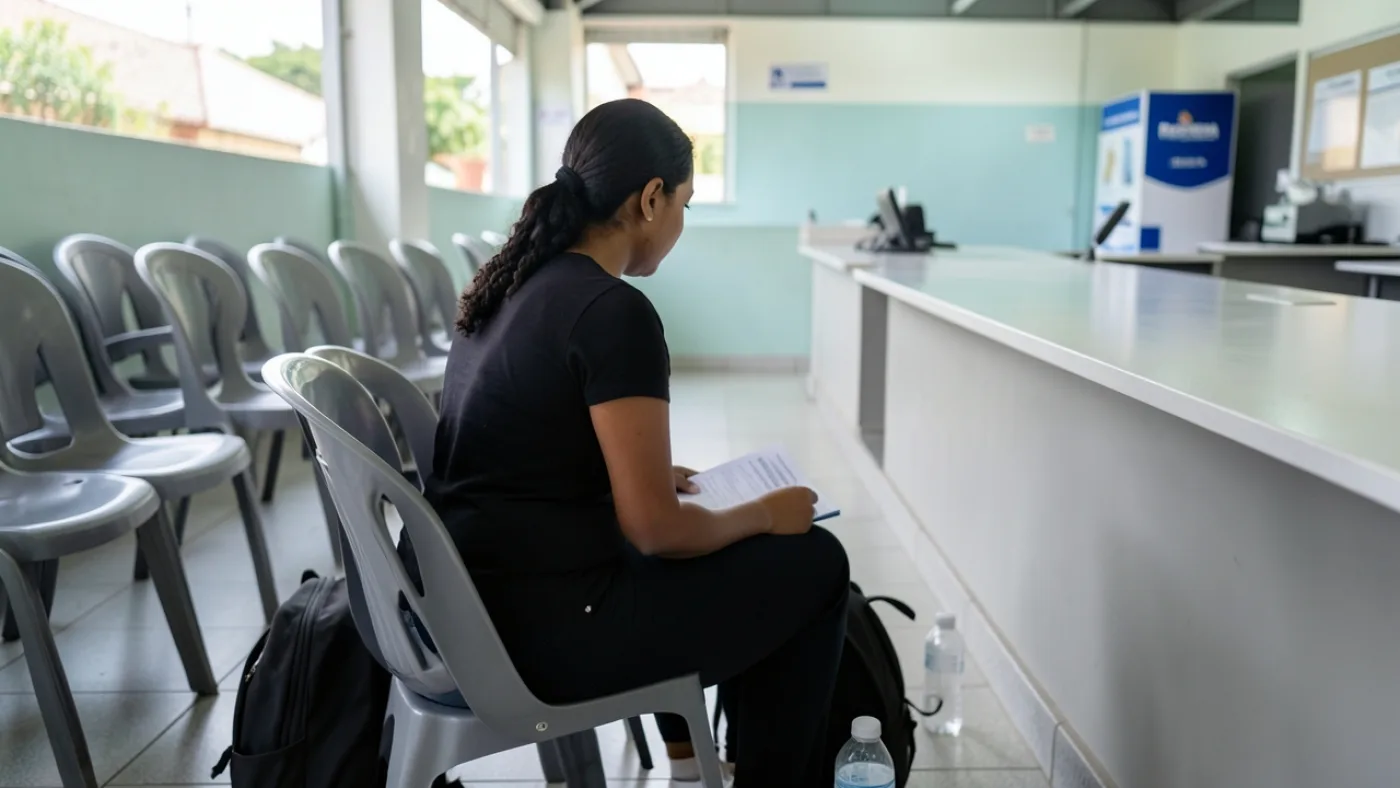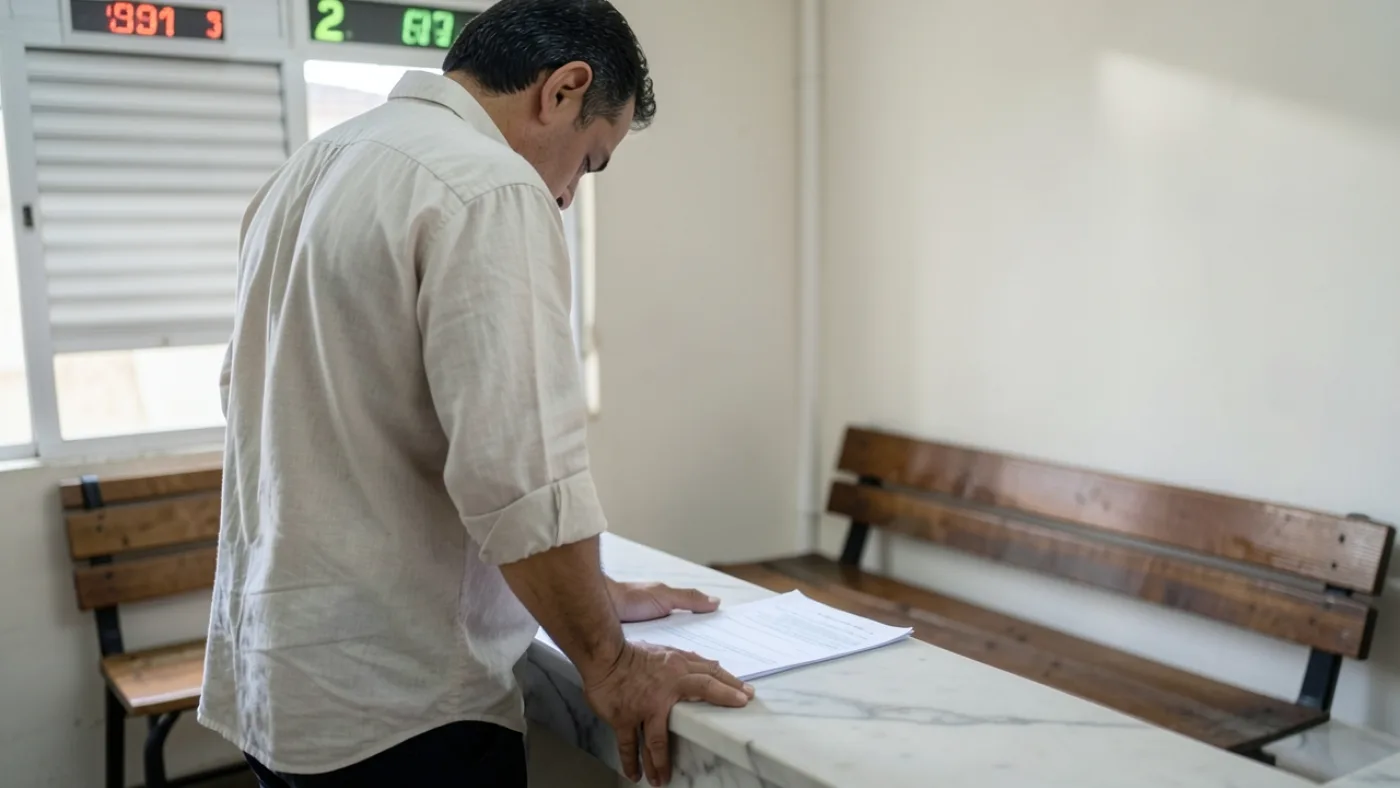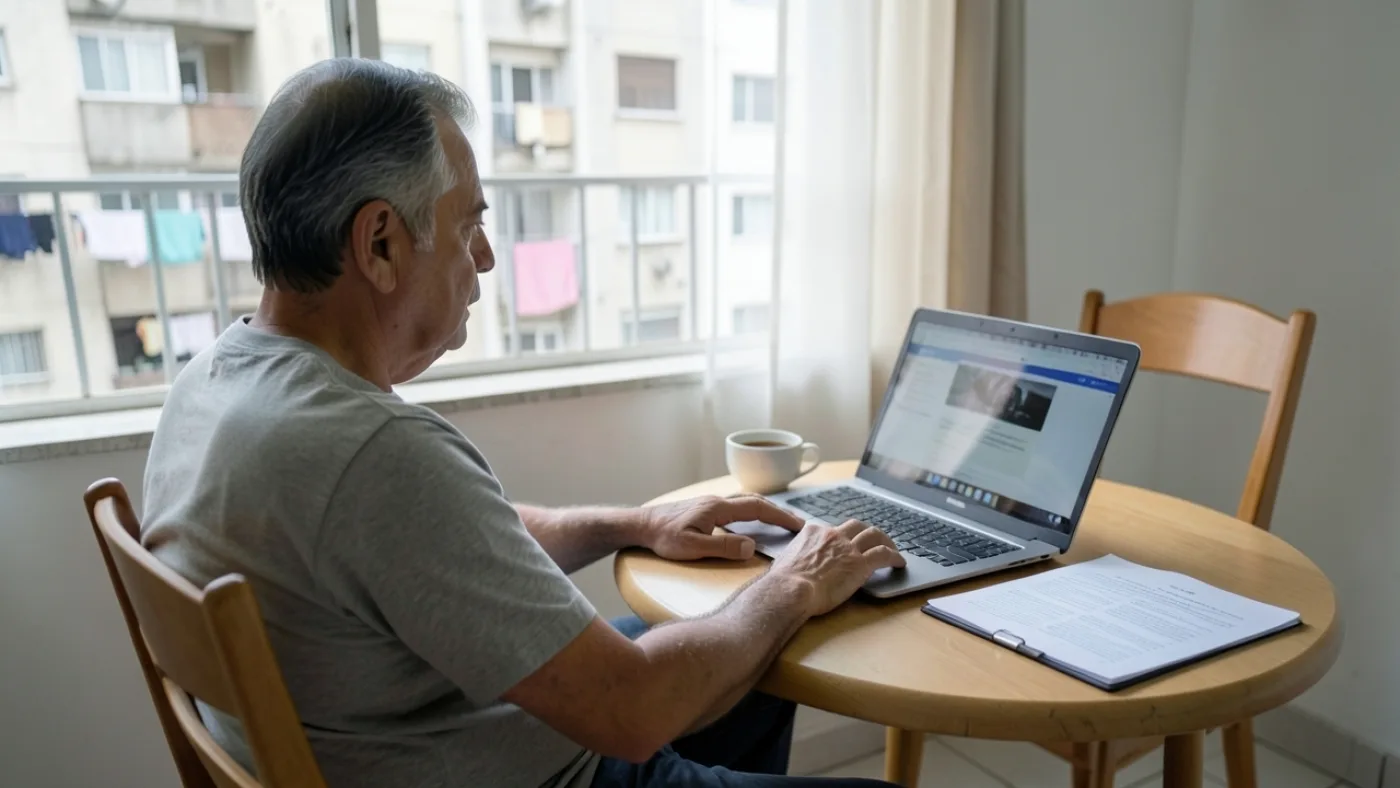
You are in the middle of a property dispute, a business conflict, or an immigration appeal in Brazil — and your lawyer mentions “the second instance” or “taking this to the STJ.” You nod, but you have no idea what that means or how long it will take. This confusion is normal. Brazil’s court system has five distinct levels, and cases can spend years moving between them.
Here is what most foreigners miss: not every case climbs all the way to the Supreme Court. Understanding where your dispute sits in the hierarchy — and why — can save you time, money, and serious frustration. The Brazilian judiciary operates under Civil Law (Roman-Germanic tradition), meaning judges follow written codes and statutes, not precedents set by previous cases the way Common Law countries like the US or UK do. That changes everything about how your case is argued and decided.
In 2026, the system is more digitalized than ever. Cases are filed, tracked, and appealed through online portals — but the underlying structure remains the same five-tier pyramid it has been since the Federal Constitution of 1988, specifically Articles 92 to 126, which define the entire judicial architecture of Brazil. This article walks you through that pyramid, level by level, with real costs and practical examples.
On this page
What Are the Five Levels of the Brazilian Court System?
Brazil’s court hierarchy has five main levels: first instance (trial courts), second instance (appellate courts), specialized superior courts, the Superior Court of Justice (STJ), and the Supreme Federal Court (STF). Under the Federal Constitution of 1988, Articles 92–126, each level has a defined jurisdiction. Most cases for foreigners end at the second instance — very few reach the STJ or STF.
Think of the system as a pyramid. At the base are the everyday trial courts where your case begins. As you move up, the courts become more powerful, more selective, and slower. Each level has a specific role — they are not simply “more powerful versions” of the court below. They review different types of errors and apply different legal standards.
Here is the full structure at a glance:
- First Instance (Primeira Instância): Trial courts where your case is filed and first decided
- Second Instance (Segunda Instância): Appellate courts (Tribunais de Justiça or Tribunais Regionais Federais) that review first-instance decisions
- Specialized Superior Courts: Courts like the TST (labor) and TSE (electoral) with jurisdiction over specific legal areas
- Superior Court of Justice — STJ (Superior Tribunal de Justiça): The highest court for non-constitutional federal law matters
- Supreme Federal Court — STF (Supremo Tribunal Federal): The apex court, guardian of the 1988 Constitution
Brazil also has a parallel federal court track alongside the state court track. Whether your case goes to a state court (Justiça Estadual) or a federal court (Justiça Federal) depends on who the parties are and what law applies. Cases involving the Brazilian federal government, federal agencies, or international treaties go to federal courts. Most civil, family, and business disputes between private parties go to state courts.
How Does a Case Start in the First Instance?
The first instance is where your case begins — a single judge hears the facts, reviews evidence, and issues a sentence (sentença). Filing fees at this level typically range from 1% to 2% of the economic value of the lawsuit, per state court regulations. In São Paulo state, for example, a R$ 150,000 property dispute would generate an initial filing fee of roughly R$ 1,500 to R$ 3,000.
At this stage, your lawyer files a petition (petição inicial) laying out your claim. The opposing party responds. Evidence is gathered — documents, witness statements, expert reports (laudos periciais). A single judge then issues a written decision. There are no juries in civil, commercial, or immigration cases in Brazil. Juries exist only for intentional crimes against life (homicide, for example), per Article 5, XXXVIII of the Constitution.
The timeline at first instance varies dramatically. A straightforward case in a Juizado Especial (small claims court, for disputes up to 40 minimum wages — approximately R$ 60,480 in 2026, based on the current minimum wage of R$ 1,512) can resolve in months. A complex commercial dispute in a regular civil court can take two to four years just at this level.
For foreigners dealing with health insurance denials — a surprisingly common issue — the first instance is often where injunctions (liminares) are won quickly. Our team has extensive experience with these cases; you can read more about how to sue a health insurance company in Brazil if this applies to your situation.
What Happens at the Second Instance — and When Should You Appeal?
The second instance consists of appellate courts — the Tribunal de Justiça (TJ) for state cases and the Tribunal Regional Federal (TRF) for federal cases. Appeals here are judged by a panel of three to five judges (desembargadores), not a single judge. To file an appeal (apelação), you must pay a preparo (appeal deposit) of roughly 2% to 4% of the case value, depending on the state, per each state’s court fee schedule.
This level reviews both the facts and the law applied at first instance. The panel can uphold, modify, or reverse the lower court’s decision entirely. This is a genuine second look at your case — not a rubber stamp. For foreigners, this stage is particularly important because procedural errors made at first instance (wrong documents, missed deadlines, translation issues) can be corrected here.
On a R$ 310,500 commercial dispute, for example, the appeal deposit at a São Paulo state court would be approximately R$ 6,210 (2% of case value). That fee is separate from your lawyer’s fees. If you win the appeal, courts may order the losing party to reimburse these costs — but collection is a separate process.
The timeline at second instance typically adds one to three years to your case. Brazilian appellate courts are overloaded. The Conselho Nacional de Justiça (CNJ) — the National Council of Justice — publishes annual reports showing that Brazilian courts received over 30 million new cases in 2023 alone. Patience and a proactive lawyer who tracks deadlines are essential.
What Is the STJ and When Does a Case Reach It?
The Superior Court of Justice — STJ (Superior Tribunal de Justiça) — is the highest Brazilian court for non-constitutional federal law matters. It does not retry facts. It only reviews whether federal statutes were correctly applied by the lower courts. Access requires filing a Special Appeal (Recurso Especial), which is only admitted if the second-instance court violated or misinterpreted a federal law, per Article 105 of the 1988 Constitution.
This is a critical distinction. The STJ does not care whether the facts were correctly assessed. It asks one question: did the lower court apply federal law correctly? If your case involves a contract dispute governed by the Brazilian Civil Code (Lei 10.406/2002), a consumer protection issue under the CDC (Lei 8.078/1990), or an immigration matter under the Migration Law (Lei 13.445/2017), and the second-instance court misapplied these statutes — the STJ is the right forum.
Reaching the STJ is not automatic. The court applies strict admissibility filters. Most Special Appeals are rejected without even being reviewed on the merits. Your lawyer must demonstrate a clear violation of federal law, supported by case law from the STJ itself. This requires highly specialized appellate expertise — not every Brazilian lawyer practices at this level.
Cases at the STJ can take an additional two to five years. The court’s official portal — stj.jus.br — allows anyone to track case progress, search precedents, and read full decisions in Portuguese. If your dispute involves a federal law and significant financial stakes (typically above R$ 150,000 to R$ 2,000,000 depending on the nature of the claim), the STJ route may be worth pursuing.
What Is the STF and What Does It Actually Decide?
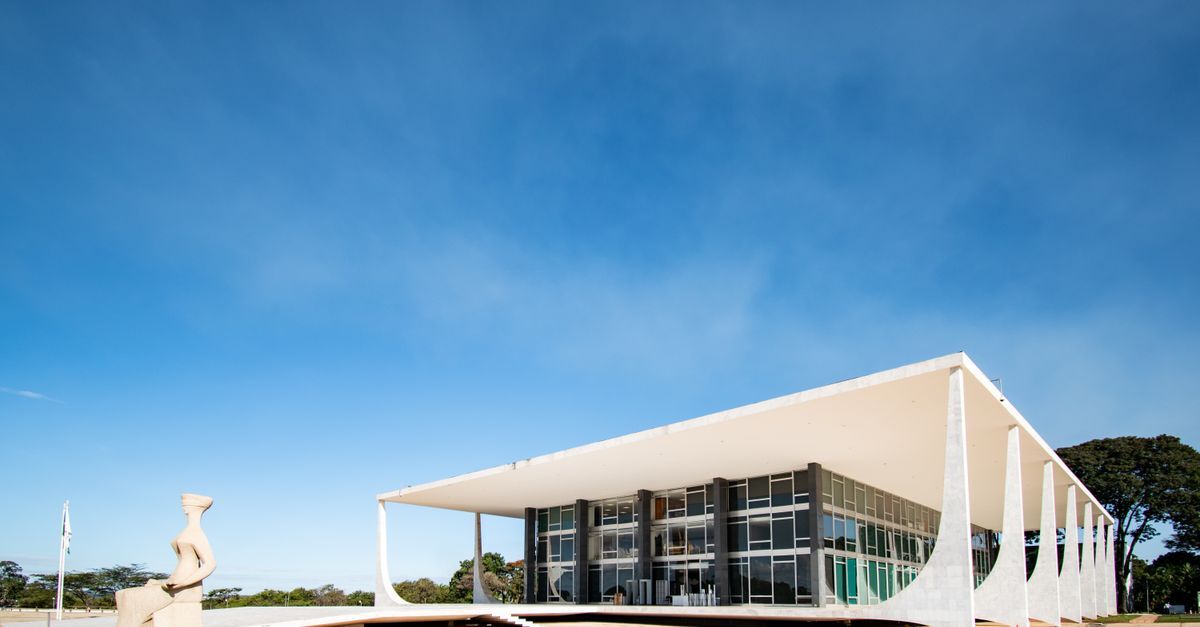
The Supreme Federal Court — STF (Supremo Tribunal Federal) — sits at the very top of Brazil’s judicial pyramid. It is the sole guardian of the 1988 Federal Constitution. The STF does not review ordinary law disputes. It only intervenes when a constitutional right or principle is at stake. Decisions from the STF are final and binding — there is no higher authority in Brazilian territory.
Access to the STF requires filing an Extraordinary Appeal (Recurso Extraordinário — RE), but only after all other remedies have been exhausted. The STF applies an additional filter called “general repercussion” (repercussão geral): the constitutional question must affect not just the parties in your case, but society broadly. Individual disputes rarely meet this threshold unless they involve fundamental rights or large-scale economic impact.
For foreigners, the STF becomes relevant in scenarios such as:
- Constitutional challenges to immigration regulations or deportation orders
- Property rights disputes involving constitutional guarantees (Article 5, XXII of the Constitution)
- Cases where a state law conflicts with the Federal Constitution
- Challenges to regulatory decisions affecting large investments (above R$ 1,500,000 to R$ 2,000,000 in practice)
When the STF issues a ruling with “binding effect” (efeito vinculante or súmula vinculante), that decision becomes mandatory for all other courts and government bodies across Brazil. This is the closest Brazil’s Civil Law system comes to the Common Law concept of binding precedent. You can track STF decisions and rulings directly at stf.jus.br.
Once the STF rules, the case reaches Trânsito em Julgado (res judicata — final and unappealable). That is the end of the road.
What Does Moving Through the Hierarchy Actually Cost in 2026?
Litigation costs in Brazil include court filing fees (custas processuais), lawyer fees (honorários advocatícios), and expert report fees (honorários periciais). Court fees alone range from 1%–4% of the case value per instance, per state court regulations. On a R$ 310,500 dispute taken through three instances, total court fees could reach R$ 15,000 to R$ 20,000 — before any lawyer fees.
Here is a realistic cost breakdown for a mid-value commercial dispute (R$ 310,500) moving through the hierarchy in São Paulo state in 2026:
| Court Level | Typical Filing/Appeal Fee | Estimated Lawyer Fee | Average Timeline |
|---|---|---|---|
| First Instance (Primeira Instância) | R$ 3,105 (1% of case value) | R$ 15,000–R$ 30,000 | 1–4 years |
| Second Instance (TJ/TRF) | R$ 6,210 (2% of case value) | R$ 10,000–R$ 20,000 | 1–3 years |
| STJ (Special Appeal) | R$ 6,210+ (varies) | R$ 20,000–R$ 60,480 | 2–5 years |
| STF (Extraordinary Appeal) | R$ 6,210+ (varies) | R$ 30,000–R$ 60,480+ | 3–7 years |
Lawyer fees in Brazil are regulated by the OAB (Brazilian Bar Association) fee table, but in practice they are freely negotiated. For STJ and STF cases, specialist appellate lawyers often charge significantly more than the minimums. The losing party is typically ordered to pay the winner’s lawyer fees — set by the court at 10%–20% of the case value under Article 85 of the Brazilian Code of Civil Procedure (Lei 13.105/2015).
One important note for foreigners: if you are a foreign national without a domicile in Brazil, courts may require you to post a caução (security deposit) before your case proceeds. This is meant to guarantee payment of costs if you lose. Your lawyer can request an exemption in certain circumstances, particularly if you have assets in Brazil.
Which Court Level Will Your Case Actually Reach?
Most disputes for foreigners in Brazil — property, business, family, health insurance — resolve at the first or second instance. Fewer than 5% of cases filed in Brazil ever reach the STJ, and a fraction of those reach the STF, according to CNJ statistics. The court you reach depends on the nature of your dispute, the amount involved, and whether federal law or constitutional issues arise.
Here is a practical profile guide:
- Expat with a health insurance denial: First instance (with urgent injunction possible within days). If the insurer appeals, second instance. Very rarely goes higher. For detailed guidance, see our article on health plan denial rights under Brazilian law.
- Foreign investor in a commercial contract dispute (R$ 150,000–R$ 2,000,000): First and second instance almost certainly. STJ possible if the other party misapplied the Civil Code or CDC.
- Property buyer with a deed fraud issue: First instance for facts; second instance for review; STJ if federal registration law (Lei 6.015/1973) was misapplied.
- Immigration appeal (deportation or visa denial): Federal first instance, then TRF (federal appellate court). STJ or STF possible if constitutional rights are violated.
- Labor dispute with a Brazilian employer: Separate track — Labor Courts (Vara do Trabalho) → TRT (Regional Labor Court) → TST (Superior Labor Court). Different hierarchy entirely.
The key takeaway: plan for the first two levels. Budget for the third. Hope you never need the fourth or fifth — not because they are inaccessible, but because reaching them means years of additional litigation.
What Changed in Brazil’s Court System in 2026?
In 2026, the most significant development in the Brazilian court hierarchy is the accelerated digitalization of case management across all instances, driven by the CNJ’s “Justiça 4.0” program. All federal courts and most state courts now operate exclusively through the PJe (Processo Judicial Eletrônico) digital platform, eliminating physical paper filings in most jurisdictions — a major change from practice just five years ago.
Key practical changes for foreigners in 2026:
- Full digital case tracking: Every case number (número de processo) can be tracked in real time through court portals. Your lawyer can share direct links to your case file — no more uncertainty about where things stand.
- Electronic service of process: Court notices and deadlines are now served electronically to lawyers’ registered portals. Missing a deadline because “the mail didn’t arrive” is no longer an excuse — and no longer a risk if your lawyer is properly registered.
- STF binding precedents (súmulas vinculantes): The STF has continued issuing binding precedents that affect lower courts immediately. In 2025–2026, several STF rulings on tax and property rights have directly impacted foreign investors’ cases at the first instance level — meaning STF decisions affect your case even if you never appeal there.
- Virtual sessions: Both the STJ and STF conduct most sessions virtually, which has reduced some delays but also changed how oral arguments (sustentações orais) are presented.
One area under active discussion in 2026 is the reform of the “repercussão geral” filter at the STF. There are legislative proposals to make this filter even stricter, which would reduce the number of cases the STF accepts — meaning more disputes would be definitively resolved at the STJ level.
How to Track Your Case Through the Brazilian Court System
Every Brazilian court case has a unique CNJ-standardized number (número único de processo) in the format NNNNNNN-DD.AAAA.J.TT.OOOO. With this number, you or your lawyer can track your case at any level through official portals — at no cost. This is one area where Brazilian bureaucracy has genuinely improved.
Step-by-step tracking guide:
- Step 1 — Get your case number: Your lawyer provides this when the case is filed. Keep it. It follows the case through every instance.
- Step 2 — State courts (first and second instance): Visit your state’s TJ portal (e.g., tjsp.jus.br for São Paulo, tjrj.jus.br for Rio de Janeiro) and enter the case number in the “Consulta Processual” (case search) section.
- Step 3 — Federal courts: Use the PJe portal at pje.jus.br or the specific TRF portal for your region.
- Step 4 — STJ cases: Track at stj.jus.br under “Consulta Processual.”
- Step 5 — STF cases: Track at portal.stf.jus.br under “Acompanhamento Processual.”
- Step 6 — Request updates from your lawyer: Brazilian court portals are in Portuguese. Ask your lawyer for a monthly written update in English summarizing movements, deadlines, and next steps.
One practical tip: set up a shared folder (Google Drive or similar) with your lawyer where all court decisions are uploaded in PDF as they are issued. This creates a clear paper trail and avoids the “I’ll explain later” problem that many foreign clients experience with Brazilian legal proceedings.
Frequently Asked Questions: Brazilian Court Hierarchy for Foreigners
Can a foreigner directly file a case in a Brazilian court without a local lawyer?
No. Under Brazilian law, court representation requires a lawyer (advogado) registered with the OAB (Ordem dos Advogados do Brasil — Brazilian Bar Association). Foreign lawyers cannot represent clients in Brazilian courts unless they have revalidated their credentials in Brazil — a lengthy process. You must hire a Brazilian OAB-registered lawyer. You can verify any lawyer’s registration for free at oab.org.br. Small claims courts (Juizados Especiais) for claims up to 20 minimum wages allow self-representation, but this is rarely advisable for foreigners unfamiliar with Portuguese legal procedure.
How long does a full court process take in Brazil from first instance to STF?
Realistically, a case that travels from first instance all the way to the STF can take 10 to 20 years. First instance alone averages 2–4 years for complex cases. Second instance adds 1–3 years. STJ adds 2–5 years. STF adds 3–7 years. Most cases, however, never reach the STJ or STF. A well-managed dispute with good legal strategy often resolves at first or second instance — or through court-supervised mediation (conciliação), which Brazilian courts actively encourage under the Code of Civil Procedure (Lei 13.105/2015).
Does Brazil recognize foreign court judgments?
Yes, but only after a process called homologação de sentença estrangeira (foreign judgment recognition), which must be approved by the STJ — not a lower court. The STJ verifies that the foreign judgment does not violate Brazilian public order or sovereignty, that the parties were properly notified, and that the judgment is final in the country of origin. This process typically takes 6 to 18 months and requires a certified Portuguese translation of the original judgment. Once homologated, the judgment is enforceable in Brazil as if issued by a Brazilian court.
What is the difference between the STJ and the STF for my case?
The STJ handles violations of federal statutes (ordinary law — contracts, consumer rights, immigration rules, civil code). The STF handles violations of the Federal Constitution of 1988. Think of it this way: if a court misapplied the Civil Code, you go to the STJ. If a court violated your constitutional right to due process or property, you go to the STF. In practice, many appeals try both routes simultaneously. The STJ filters cases through admissibility requirements, and the STF applies the additional “general repercussion” (repercussão geral) filter before accepting any case.
Can I get an urgent injunction (liminar) in Brazil and how fast?
Yes. Brazilian courts can grant urgent injunctions (medidas de urgência or liminares) within 24 to 72 hours in emergencies, even before the opposing party is notified. This is particularly common in health insurance denial cases — where courts routinely order insurers to cover treatments immediately. For this to work, your lawyer must demonstrate urgency (periculum in mora) and a strong likelihood of success on the merits (fumus boni iuris), per Article 300 of the Code of Civil Procedure. If you need medication or medical treatment urgently, see our guide on how to force a Brazilian health plan to cover medication.
Are Brazilian court proceedings conducted in Portuguese only?
Yes. All Brazilian court proceedings, filings, decisions, and official communications are exclusively in Portuguese, per Article 192 of the Code of Civil Procedure. Foreign-language documents must be accompanied by a sworn translation (tradução juramentada) by a translator registered with the local Junta Comercial (State Commercial Registry). Translation costs typically range from R$ 30 to R$ 80 per page depending on the state and document complexity. Your bilingual lawyer can manage this process, but budget for it — translation costs add up in document-heavy cases.
Navigate the Brazilian Court Hierarchy with Confidence: Get Expert Legal Help
Understanding Brazil’s five-tier court system is one thing. Successfully navigating it as a foreigner — with language barriers, unfamiliar procedures, and years-long timelines — is another challenge entirely. Whether your case is just starting at the first instance or you are facing an appeal at the STJ, having a bilingual Brazilian lawyer who understands both the law and your perspective as a foreign client makes a measurable difference in outcomes and in your peace of mind.
At Ribeiro Cavalcante Advocacia, we represent expats, investors, digital nomads, and international families across all levels of the Brazilian court system. We communicate in English, provide regular written updates on your case, and give you honest assessments of your realistic chances at each stage — no false promises, no unnecessary appeals just to generate fees.
Talk to a specialist lawyer now
Talk to a Lawyer on WhatsApp