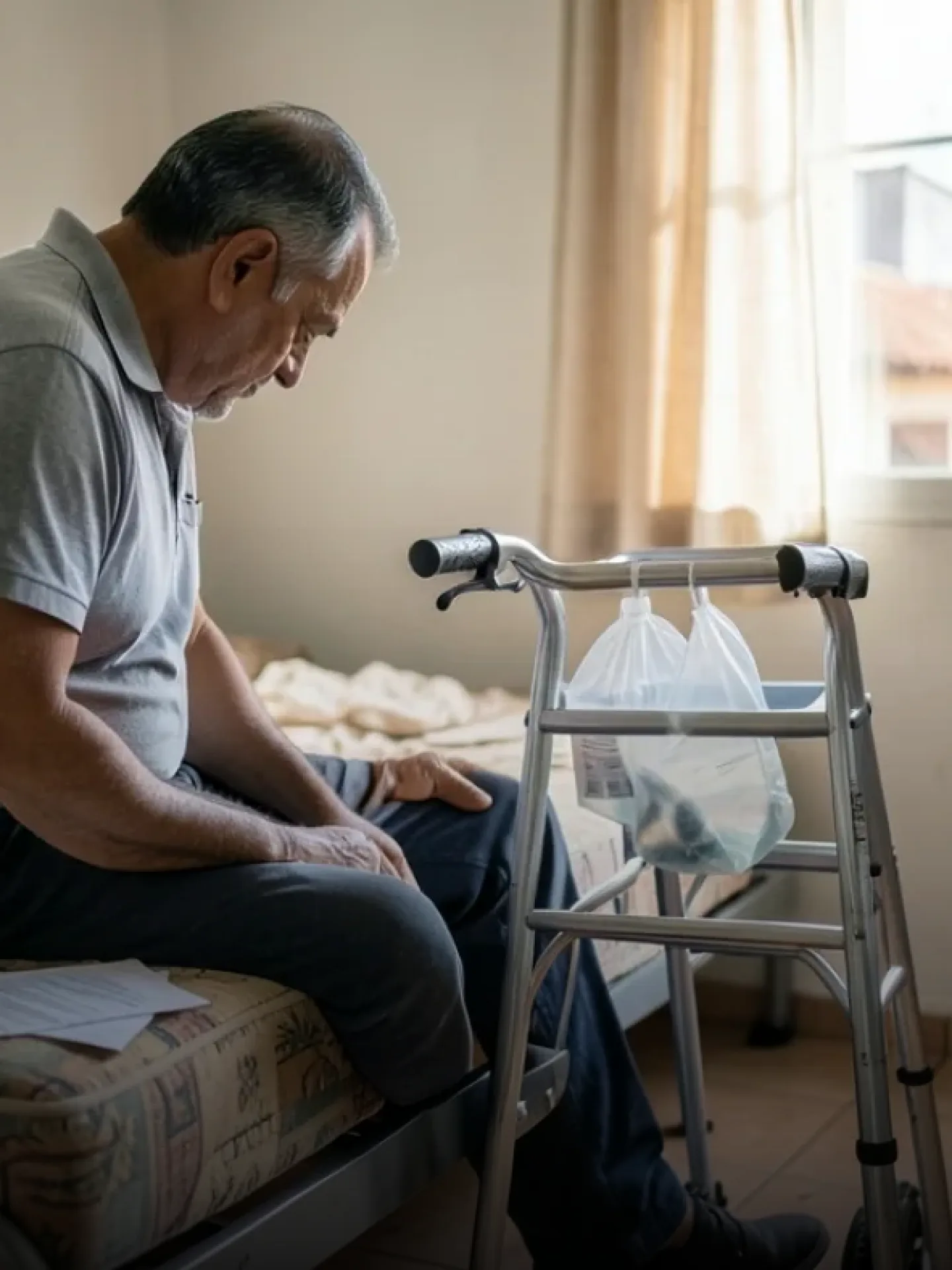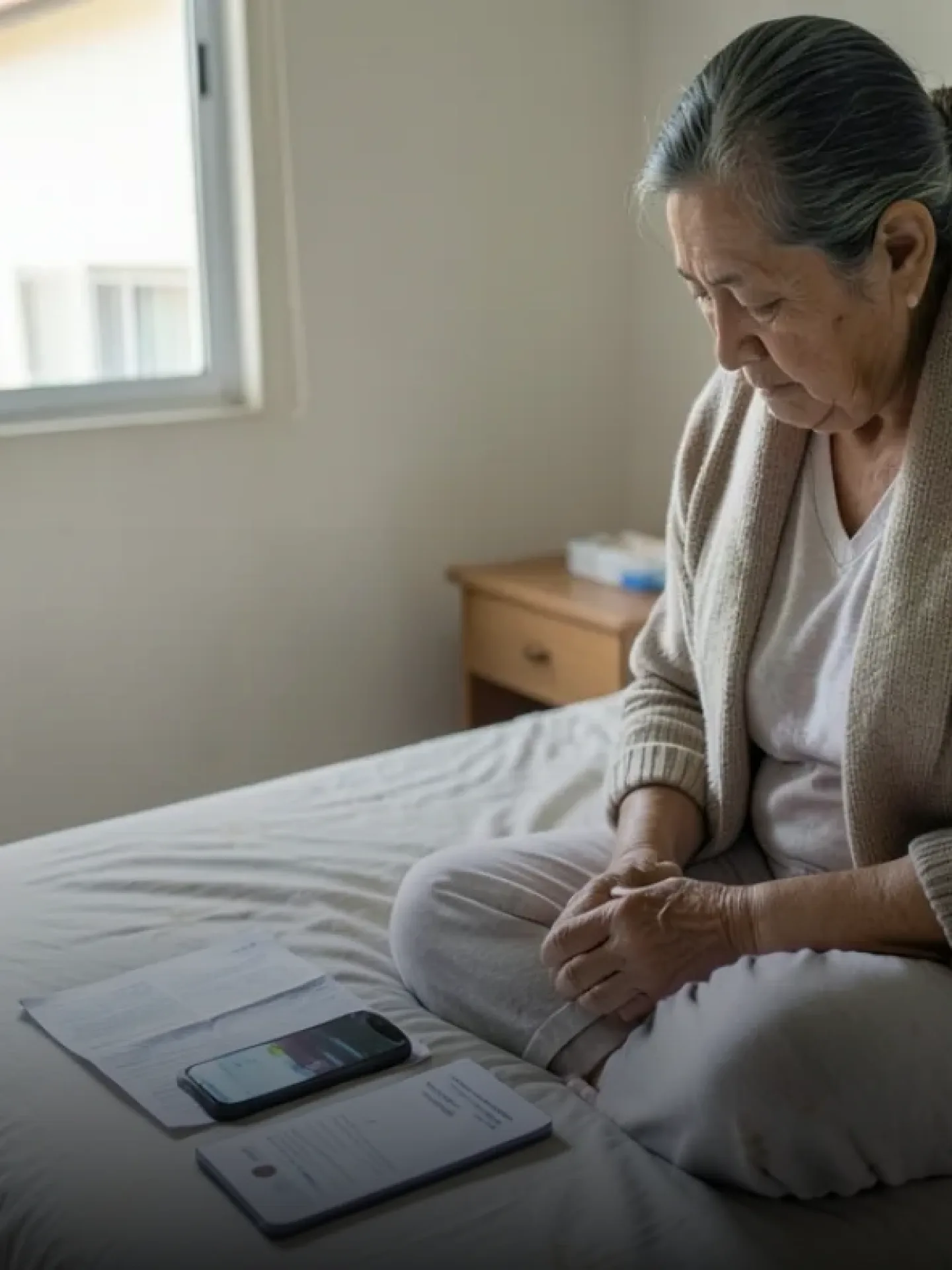
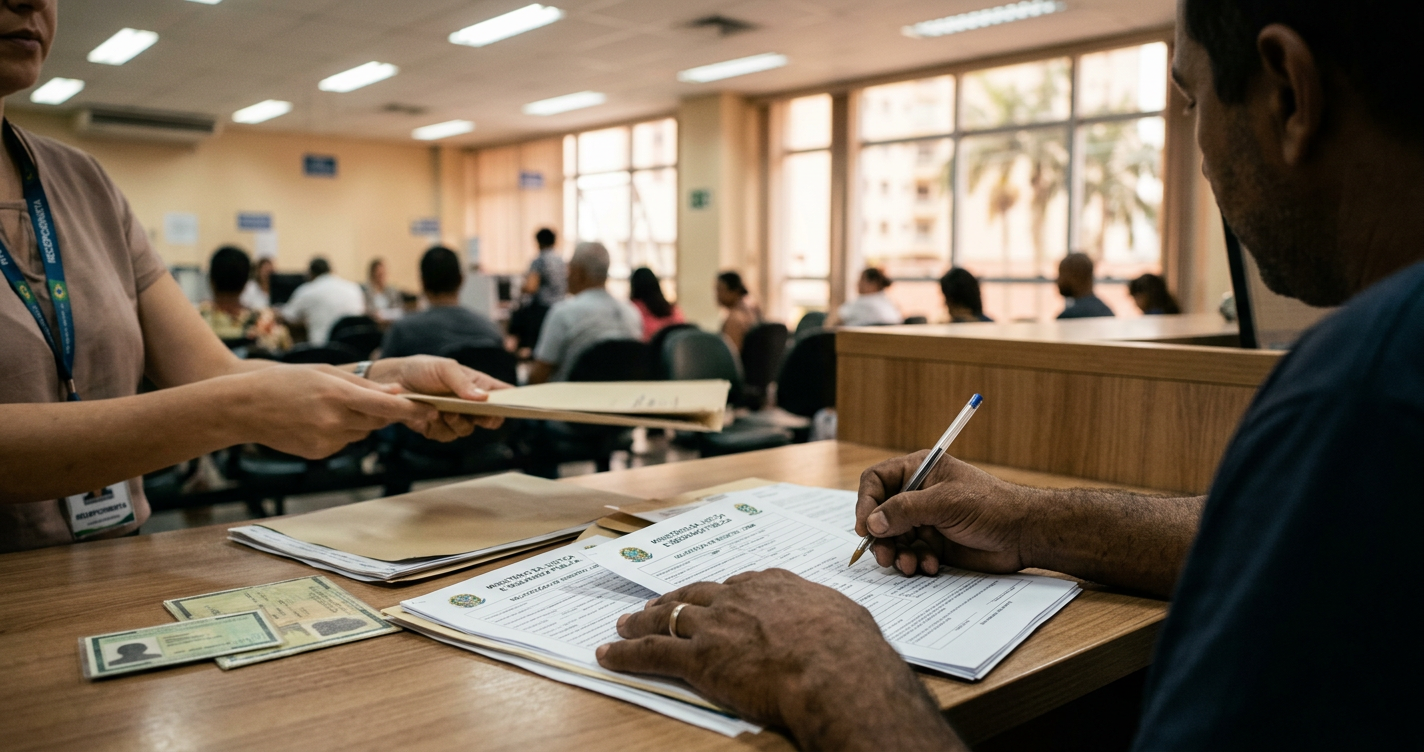
You finally received your CRNM (Carteira de Registro Nacional Migratório — National Immigration Registration Card). It is a plastic card with your photo, your Brazilian ID number, and an official-looking hologram. You breathe a sigh of relief. You assume you are now a permanent resident of Brazil. But here is the uncomfortable truth: the CRNM is an identification document, not a residency status. It proves you are registered in Brazil’s immigration system — but the type of residency printed on that card determines everything: your right to work, how long you can stay, and whether you can ever become a Brazilian citizen.
This confusion causes real legal problems. Foreigners accept job offers they are not authorized to take. Others leave Brazil for 18 months, assuming their permanent residency protects them — only to discover at the airport that their status was revoked. The CRNM is a mirror. It reflects a legal status granted elsewhere. Understanding what that status means is the difference between living in Brazil with confidence and living with a ticking clock you did not know existed.
In this article, we break down the three legal realities your CRNM can represent, what each one actually allows you to do, and how to avoid the most common — and costly — misunderstandings about your residency in Brazil. For a broader overview of how Brazilian visa rules have shifted, see our guide on the Brazil Visa Residency Rules 2026: Decreto 12.657.
On this page
Option A: The Permanent Resident CRNM — Full Rights, But With Strings Attached
When your CRNM card reads “Residente Permanente” under the residency type, you hold the most robust immigration status Brazil offers short of citizenship. This is the goal for most foreign nationals who plan to build a life in Brazil — investors, spouses of Brazilian citizens, retirees, and professionals with indefinite work contracts.
How Permanent Residency Works in Practice: Permanent residency brazil
Under Lei 13.445/2017 (Brazil’s Migration Law), permanent residency — officially called “residência por prazo indeterminado” (residency for an indefinite period) — means you have no expiration date on your right to live in Brazil. Your CRNM card itself will still show an expiration date, typically nine years from issuance. But that is a document renewal deadline, not a residency expiration. Your underlying status does not expire.
As a permanent resident, you can:
- Live anywhere in Brazil without time restrictions
- Work for any employer or operate your own business without needing additional work authorization
- Enter and exit Brazil freely — with one critical limitation (see below)
- Access public health services through the SUS (Sistema Único de Saúde) on the same terms as Brazilian citizens
- Apply for Brazilian naturalization after meeting the residency time requirements (generally four years, reduced to one year if you have a Brazilian spouse or child)
The Hidden Obligations Permanent Residents Often Miss
Permanent residency is not a one-time achievement. It carries ongoing obligations that catch many foreigners off guard. The most dangerous is the two-year absence rule. If you leave Brazil and remain outside the country for more than two consecutive years without a justified reason accepted by the Federal Police, your permanent residency can be revoked. This is not automatic — the authorities must issue a formal decision — but it is a real risk. Do not assume nobody will notice. Immigration records are digitized, and the system flags long absences.
Additionally, permanent residents must update their CRNM every nine years (or whenever their appearance changes significantly enough to require a new photo). They must also report any change of address to the Federal Police within 30 days. The registration fee for a renewal or an update in 2026 is R$ 204.77 — approximately €38 or US$42 at current exchange rates.
Permanent residency brazil: Who Qualifies for Permanent Residency?
Permanent residency is not something you can simply apply for. You must fit into a specific legal category. The most common pathways include: being the spouse or child of a Brazilian citizen; holding an investor visa with a minimum investment of R$ 600,000 in a Brazilian business (or R$ 150,000 in certain innovation-focused cases); being a highly qualified professional with an indefinite employment contract; or having held temporary residency for a qualifying period and applying for a change of status. For investors specifically, our detailed guide on the Investor Visa Brazil 2026 explains the financial thresholds and documentation requirements.
Option B: The Temporary Resident CRNM — A Defined Clock With Specific Rights
If your CRNM reads “Residente Temporário,” your legal situation is fundamentally different. Temporary residency has a fixed expiration date. When that date arrives, your right to remain in Brazil ends — unless you have already applied for renewal or a change of status. The card itself serves as a constant reminder of this deadline, with the expiration date printed prominently on the front.
What Temporary Residency Allows — And What It Restricts
Temporary residents can legally live in Brazil, rent property, open bank accounts, and — depending on the specific visa category — work. But the scope of permitted activities is tied directly to the purpose stated in your original residency application. A digital nomad with a temporary residency visa cannot take a local employment contract with a Brazilian company unless they first change their immigration status. A student on a temporary residency visa can work only under restricted conditions.
The Decreto 9.199/2017, which regulates the Migration Law, establishes that temporary residency is granted for a period of up to two years initially, with the possibility of renewal. The renewal must be requested before the card expires. If you let the CRNM lapse, you fall into an irregular immigration situation — and regularizing it becomes more complicated and expensive.
Common Temporary Residency Categories in 2026
The digital nomad visa has become one of the most popular temporary residency routes. It allows foreign nationals employed by companies outside Brazil to live in Brazil for an initial period of one year, renewable for an additional year — provided they can demonstrate a monthly income of at least US$ 1,500. For a complete walkthrough of this visa type, see our Digital Nomad Visa Brazil 2026: Complete Guide.
Other temporary categories include work visas tied to specific employment contracts (typically valid for two years), student visas (valid for the duration of the academic program plus 30 days), and humanitarian visas for nationals of countries experiencing conflict or crisis — a topic we cover in depth in our Humanitarian Visa Brazil 2026 guide.
The Critical Difference: Temporary Residency Can Expire
This is the single most important distinction. A permanent resident whose CRNM card expires is still a permanent resident — they simply need to renew the physical document. A temporary resident whose CRNM expires may lose their legal right to be in Brazil. The consequences are not theoretical. Overstaying a temporary residency can result in fines starting at R$ 100 per day (capped at R$ 10,000), deportation proceedings, and a bar on re-entering Brazil for a period determined by the authorities.

If you are a temporary resident and want to stay longer, you must either renew your temporary residency or apply for a change of status to permanent residency — if you qualify. This change is not automatic and requires a new application with the Ministério da Justiça (Ministry of Justice), not just the Federal Police.
Option C: The Protocol Phase — Legal Limbo Between Application and Card Issuance
There is a third legal reality that affects nearly every foreign resident in Brazil: the period between submitting your CRNM application and receiving the physical card. This is what we call the protocol phase, and it is a source of enormous anxiety — mostly unnecessary anxiety, as it turns out.
What the Protocol Document Actually Proves
When you complete your biometric registration at the Federal Police, you receive a document called the “Protocolo de Solicitação” (Application Protocol). It is a printed sheet with your photo, a barcode, and your protocol number. This is not a CRNM. But it is a legally valid document that proves you are in the process of regularizing your immigration status. Under Article 67 of Lei 13.445/2017, the protocol confers the same rights as the CRNM until the definitive card is issued.
In practice, this means you can use the protocol to travel domestically within Brazil, to open basic bank accounts, and to prove your legal status if questioned by authorities. However, many institutions — particularly private banks and some employers — are not familiar with the protocol and may insist on seeing the physical CRNM card. This is not a legal limitation but a practical one. Patience and, if necessary, a call from a lawyer to the institution’s compliance department usually resolves the issue.
Timelines in 2026: How Long Will You Wait?
The Federal Police has a legal window of up to 180 days to issue the CRNM after your biometric appointment. In practice, however, the card typically arrives within 30 to 60 days for most applicants in major cities like São Paulo, Rio de Janeiro, and Brasília. In smaller cities with less demand, the wait can be shorter — sometimes as little as two weeks. In cities with overwhelmed Federal Police posts, the wait can stretch to 90 days or more. The Federal Police portal allows you to track your application status online using your protocol number. Check it regularly. If the status has not changed after 90 days, follow up — politely — with the post where you completed your biometrics.
Can You Work During the Protocol Phase?
This depends on your underlying residency approval. If your residency has been approved and you are simply waiting for the physical card, your right to work exists from the date of approval — not from the date you receive the plastic. However, employers unfamiliar with immigration law may refuse to onboard you without the physical card. The protocol document, combined with your residency approval notice from the Diário Oficial da União (Official Gazette), provides legal proof of your right to work. If an employer pushes back, a formal legal opinion from an immigration lawyer can often bridge the gap.
Comparing Permanent Residency, Temporary Residency, and the Protocol Phase
| Criterion | Permanent Resident CRNM | Temporary Resident CRNM | Protocol Phase |
|---|---|---|---|
| Duration of Status | Indefinite (card renewed every 9 years) | 1 to 2 years (renewable) | 30 to 180 days until card issuance |
| Work Authorization | Unrestricted | Tied to visa category | As per underlying approval |
| Risk of Status Expiration | Only if absent from Brazil > 2 years | Yes — strict expiration date | N/A — status already approved |
| Path to Citizenship | Available after 4 years (1 year with Brazilian family) | Temporary years count toward citizenship | Protocol time counts toward residency |
| Document Cost (2026) | R$ 204.77 | R$ 204.77 | Included in registration fee |
| Address Update Required | Within 30 days of moving | Within 30 days of moving | After card issuance |
| International Travel | Full freedom (with valid passport) | Full freedom (within visa validity) | Not recommended — wait for card |
Which Legal Status Applies to You? A Practical Decision Guide
Your CRNM is not a one-size-fits-all document. The legal reality it represents depends entirely on the pathway you used to enter Brazil and the approval you received. Here is how to identify where you stand — and what to do next.
If you are married to a Brazilian citizen or have a Brazilian child: You almost certainly hold permanent residency. Your CRNM should reflect “Residente Permanente” and your primary obligation is renewing the card every nine years. You are eligible for Brazilian naturalization after just one year of residency — a significant benefit worth pursuing if you want the security of citizenship. If you entered Brazil on an investor visa: You are a permanent resident from day one, provided you maintain the investment that qualified you. Your CRNM is proof of that status. Do not neglect the reporting requirements to the Receita Federal (Brazilian IRS) — your investment visa and your tax compliance are linked. If you entered as a digital nomad or with a fixed-term work contract: You are a temporary resident. Your CRNM has an expiration date that matters. Mark it on your calendar. Set a reminder 90 days before expiration to begin the renewal process. Do not assume you can switch to permanent residency automatically — you need to qualify under a separate category. If you have completed your biometrics but are waiting for the card: You are in the protocol phase. Your legal status is secure — provided your underlying application was approved. Carry your protocol document and your passport. Be patient with institutions that do not recognize the protocol. If you encounter persistent problems, seek legal assistance.What Changed in 2026 for CRNM and Permanent Residency Holders?
The legal framework established by Lei 13.445/2017 remains the cornerstone of Brazilian immigration law. However, several practical developments in 2026 affect CRNM holders specifically.
Digital integration has accelerated. The Federal Police now links CRNM data directly to the Receita Federal database, meaning your CPF (tax ID) and your CRNM are increasingly treated as a unified identity record. This reduces the number of times you need to present both documents separately. For permanent residents, this integration also means the tax authorities are more aware of your presence — which is fine if you are compliant, but means you cannot fly under the radar if you have unreported foreign income.
The two-year absence rule is being enforced more strictly. In previous years, permanent residents who stayed abroad for extended periods often faced no consequences. In 2026, the Federal Police has improved its tracking systems. If you plan to be outside Brazil for more than 12 consecutive months, file a formal justification with the Federal Police before you leave, not after you return. Acceptable justifications include medical treatment, education, professional assignments, or caring for a family member abroad.
The CRNM fee remains unchanged at R$ 204.77 for both first-time registrations and renewals. However, exchange rate fluctuations mean the cost in foreign currency varies. At an exchange rate of R$ 5.40 to US$ 1, the fee is approximately US$ 38. At R$ 6.00, it is closer to US$ 34. Always check the current GRU (Guia de Recolhimento da União) amount on the Federal Police portal before paying — do not rely on third-party websites that may display outdated values.
Step-by-Step: Understanding and Maintaining Your Legal Status
The CRNM is a physical card. Your legal status is the invisible framework that gives that card meaning. Here is how to protect both.
Step 1: Verify What Your CRNM Actually Says
Look at the front of your card. Find the field labeled “Tipo de Residência” or “Category.” If it says “Permanente” or “Residente Permanente,” you hold permanent residency. If it says “Temporária” or “Residente Temporário” with a specific visa category (such as VITEM XIV for digital nomads), you are a temporary resident. If you are unsure about the category printed on your card, do not guess — consult an immigration lawyer. Misunderstanding your own legal status is more common than you think and can lead to serious consequences.

Step 2: Know Your Expiration Dates — And What They Mean
Your CRNM card shows an expiration date. For permanent residents, this is a document renewal deadline — not a residency expiration. For temporary residents, this is the date your right to remain in Brazil ends. The difference cannot be overstated. If you are a temporary resident, begin the renewal process at least 90 days before this date. The renewal application itself protects your status while it is being processed, even if the decision is not made before the expiration date — but only if you file before the deadline.
Step 3: Report Address Changes Within 30 Days
Brazilian immigration law requires all foreign residents — permanent and temporary — to update their registered address with the Federal Police within 30 days of moving. The update is done through the Federal Police’s online portal and typically does not require an in-person visit. There is no fee for a simple address update in 2026, but you will need to provide a comprovante de residência (proof of residence) in your name, such as a utility bill or a rental contract.
Step 4: Do Not Confuse Your CRNM With Your Passport
Your CRNM is your Brazilian identification document. Your passport is your international travel document. When you leave Brazil and return, you must present your passport — not your CRNM — at immigration control. The CRNM proves your right to reside in Brazil, but the passport proves your identity for border crossing purposes. Keep both documents current. A CRNM is not a substitute for a passport, and vice versa.
Step 5: Understand the Path From Temporary to Permanent Residency
Temporary residency does not automatically convert to permanent residency after a certain number of years. You must apply for a change of status and qualify under one of the permanent residency categories. The most common path is through family reunification (marrying a Brazilian citizen or having a Brazilian child). Another frequent path is employment-based: if you hold a temporary work visa and your employer offers you an indefinite contract, you may qualify for permanent residency. Each case requires a new application, a new set of documents, and a new fee. The process is not merely administrative — it is a full legal evaluation of your eligibility.
Frequently Asked Questions About CRNM and Permanent Residency
Does the CRNM automatically mean I am a permanent resident?
No. The CRNM is an identification card, not a residency status. It is issued to both temporary and permanent residents. Look at the “Tipo de Residência” field on your card. If it says “Temporária,” you are a temporary resident with a defined expiration date. If it says “Permanente,” you hold indefinite residency. Many foreigners assume the plastic card itself grants permanent rights — this is a dangerous misunderstanding. The card reflects a status granted through a separate legal process.
Can I lose my permanent residency if I leave Brazil for too long?
Yes. Under Brazilian immigration law, a permanent resident who remains outside Brazil for more than two consecutive years without a justified reason accepted by the Federal Police can have their residency revoked. This is not automatic — it requires a formal administrative decision — but it is increasingly enforced in 2026. To protect yourself, file a justification with the Federal Police before any extended absence exceeding 12 months. Valid justifications include medical treatment, education, professional work assignments, or caring for a family member.
Can I work in Brazil with a temporary resident CRNM?
It depends on your specific visa category. Work visas (VITEM V) explicitly authorize employment with the sponsoring employer. Digital nomad visas (VITEM XIV) authorize remote work for foreign companies but not local employment. Student visas restrict work to limited circumstances. Humanitarian visas for certain nationalities include work authorization. Always check the specific conditions of your visa category. Taking a job that your residency category does not authorize can result in fines and complications with future renewal applications.
How long does the CRNM take to be issued in 2026?
The Federal Police has up to 180 days legally to issue the card after your biometric appointment. In practice, most applicants in major cities receive their CRNM within 30 to 60 days. Smaller cities may process applications faster — sometimes within two weeks. During this waiting period, your protocol document serves as legal proof of your status. You can track your application online through the Federal Police portal using your protocol number. If more than 90 days pass without an update, contact the Federal Police post where you completed your biometrics.
What is the difference between the old RNE and the current CRNM?
The RNE (Registro Nacional de Estrangeiro) was the identification card issued under Brazil’s previous immigration framework — the Foreigner Statute (Estatuto do Estrangeiro, Lei 6.815/1980). The CRNM replaced the RNE after the Migration Law (Lei 13.445/2017) came into effect. For all practical purposes in 2026, the RNE is obsolete. If you still hold an RNE, you should apply for a CRNM replacement. The new card uses updated technology, integrates with the CPF system, and reflects the rights-based approach of the current migration law rather than the security-focused approach of the old statute.
Ready to Secure Your Legal Status in Brazil? Get Expert Help Now
Understanding what your CRNM represents — and what it does not — is the foundation of a secure life in Brazil. The card itself is a piece of plastic. Your legal status is the product of a complex bureaucratic process governed by laws that change, deadlines that matter, and categories that are easy to misunderstand. At Ribeiro Cavalcante Advocacia, our bilingual legal team has guided hundreds of foreign residents through the CRNM process, from first-time registration to permanent residency applications and citizenship. We speak your language — literally and legally. Do not navigate this alone.
Talk to a specialist lawyer now
Talk to a Lawyer on WhatsApp