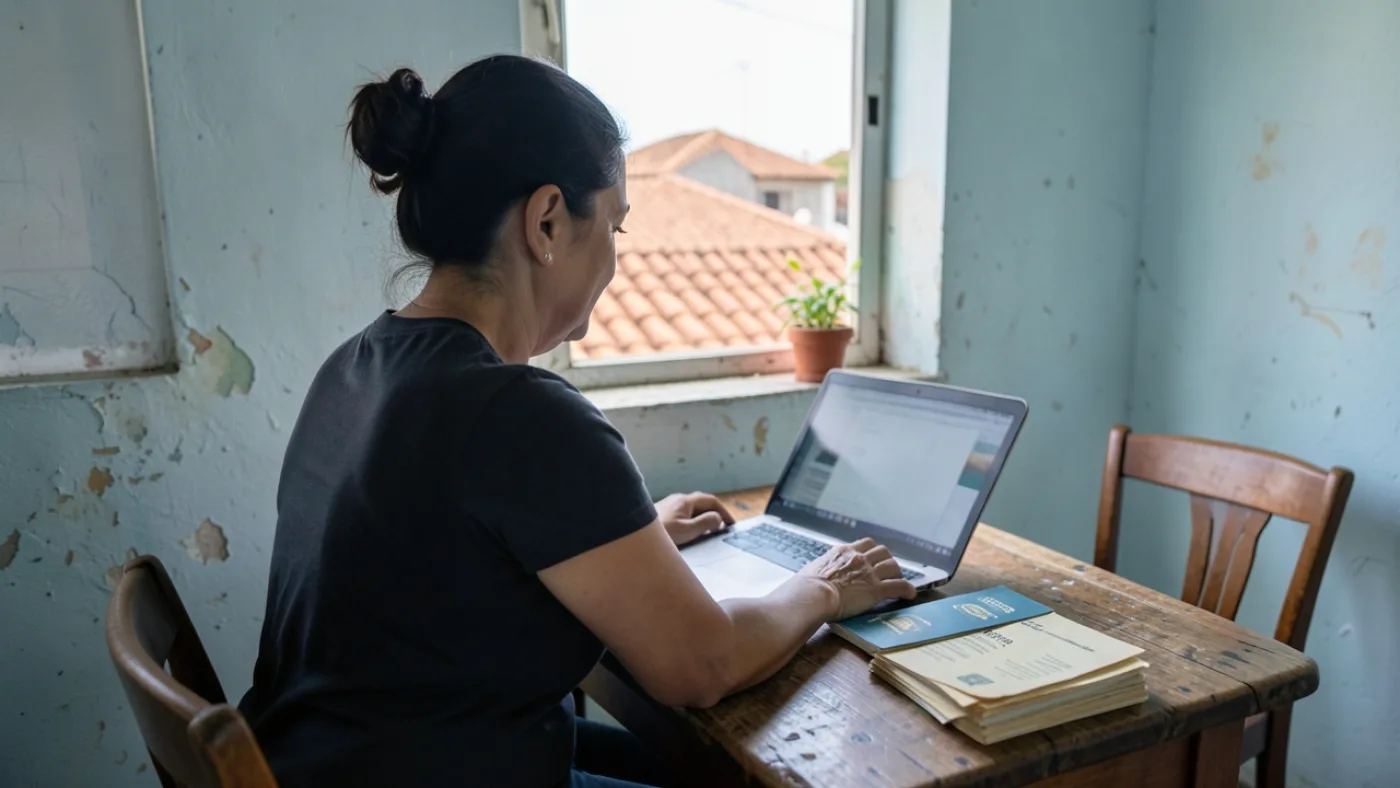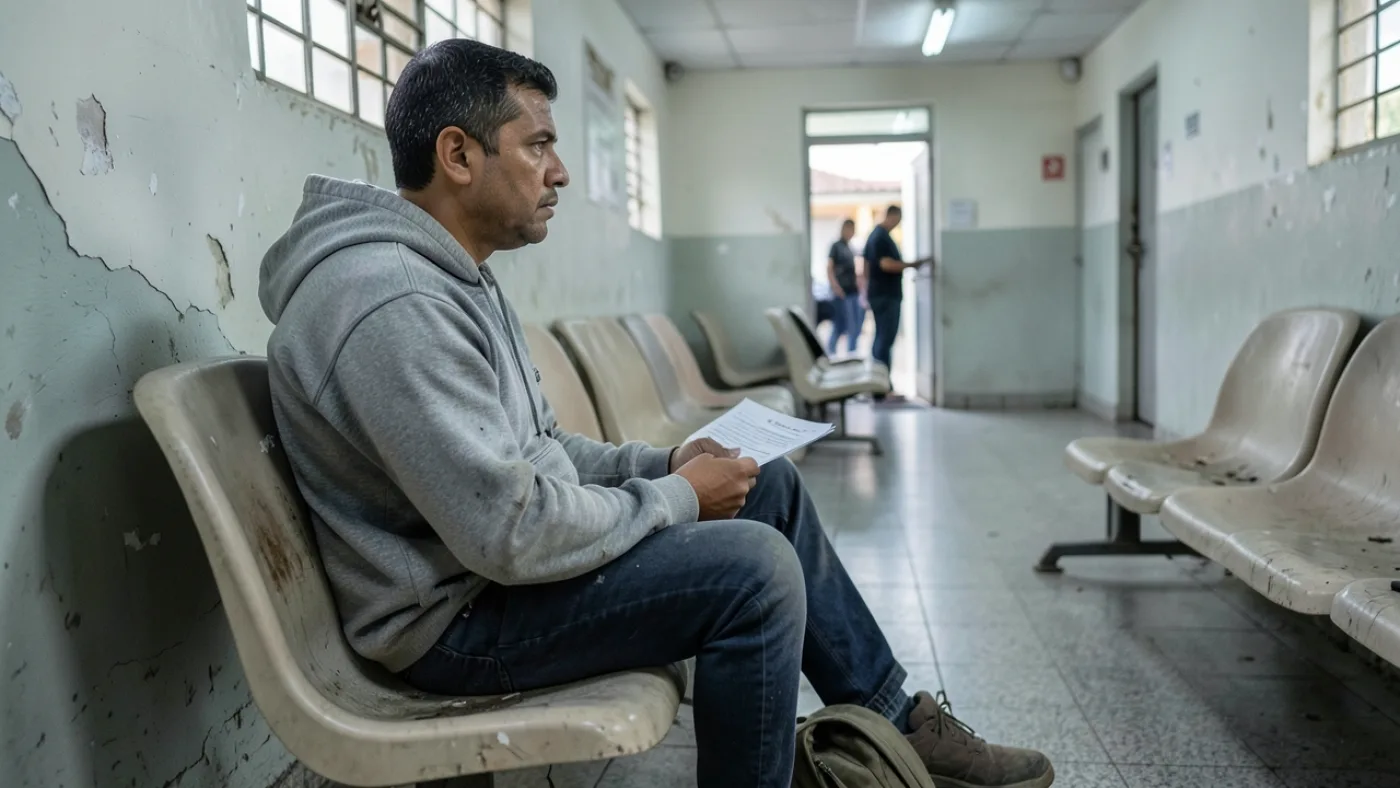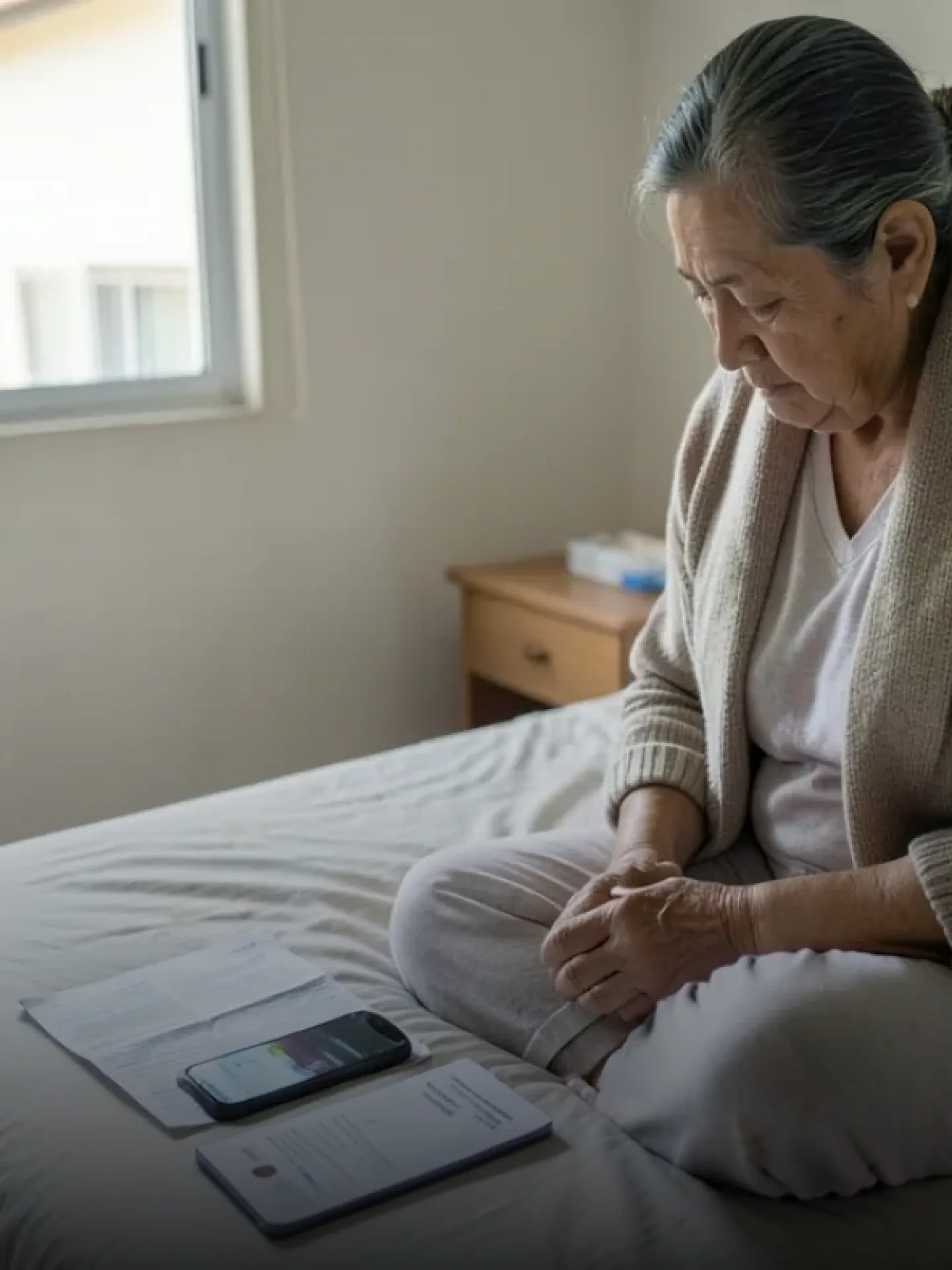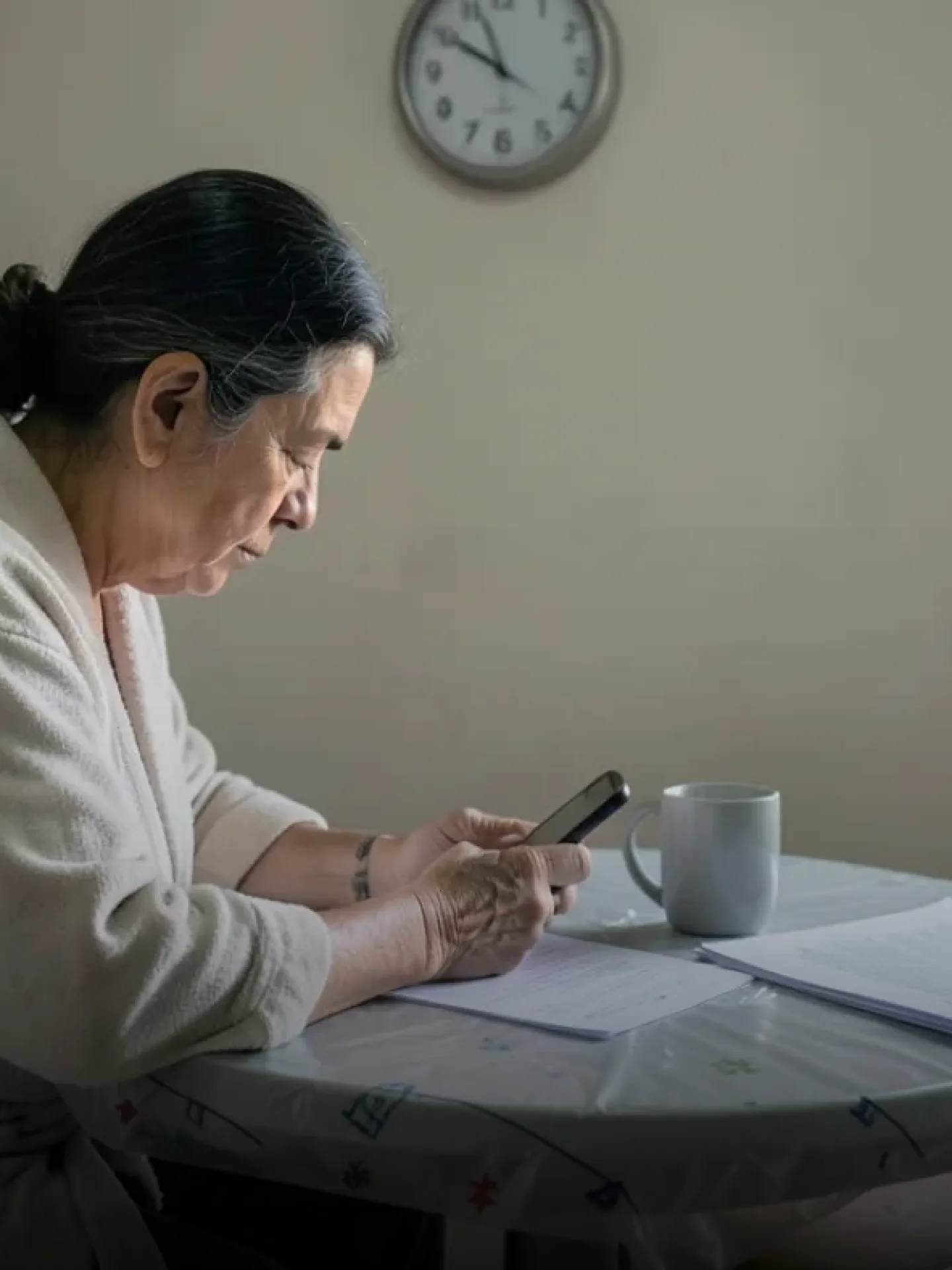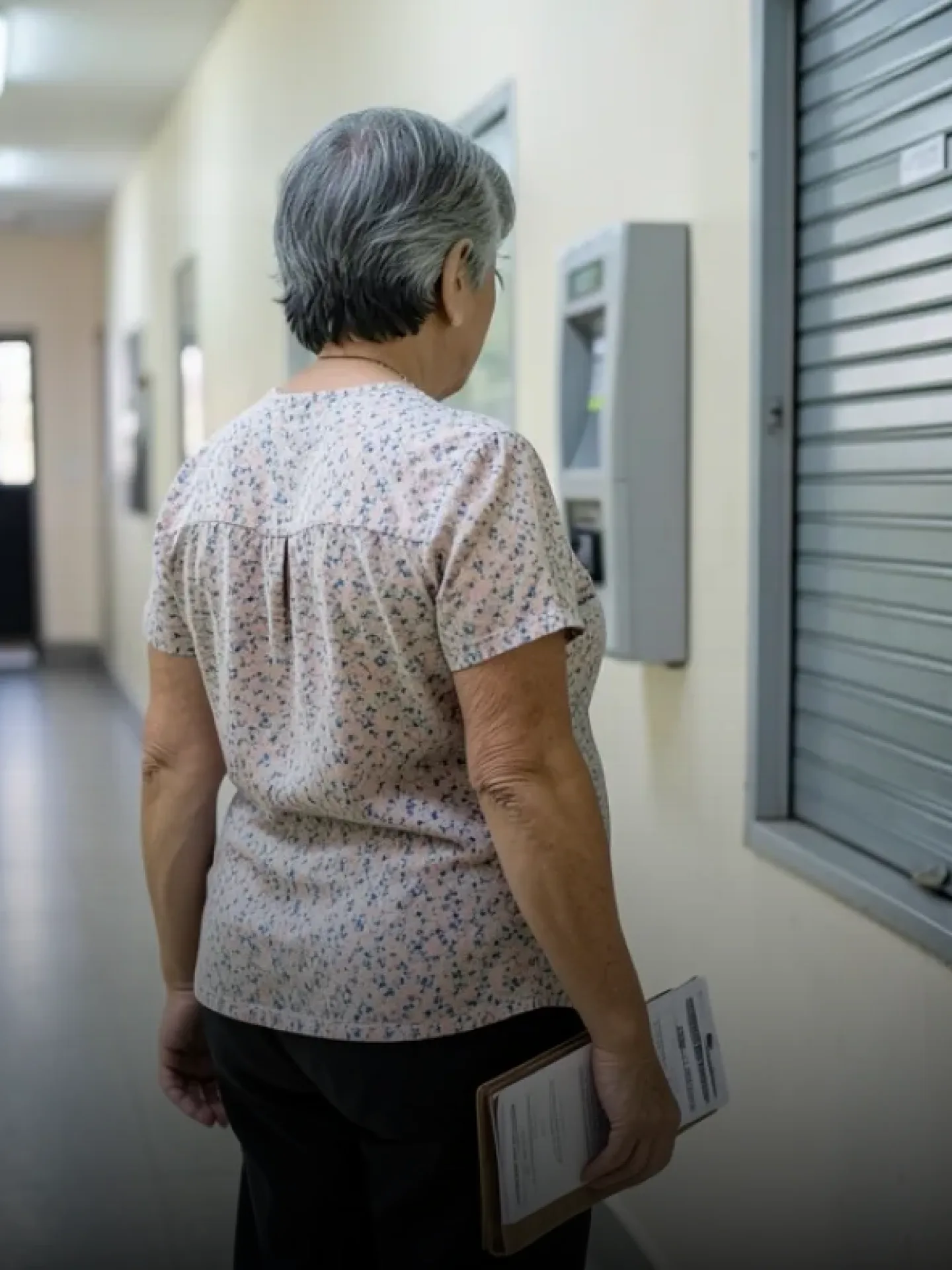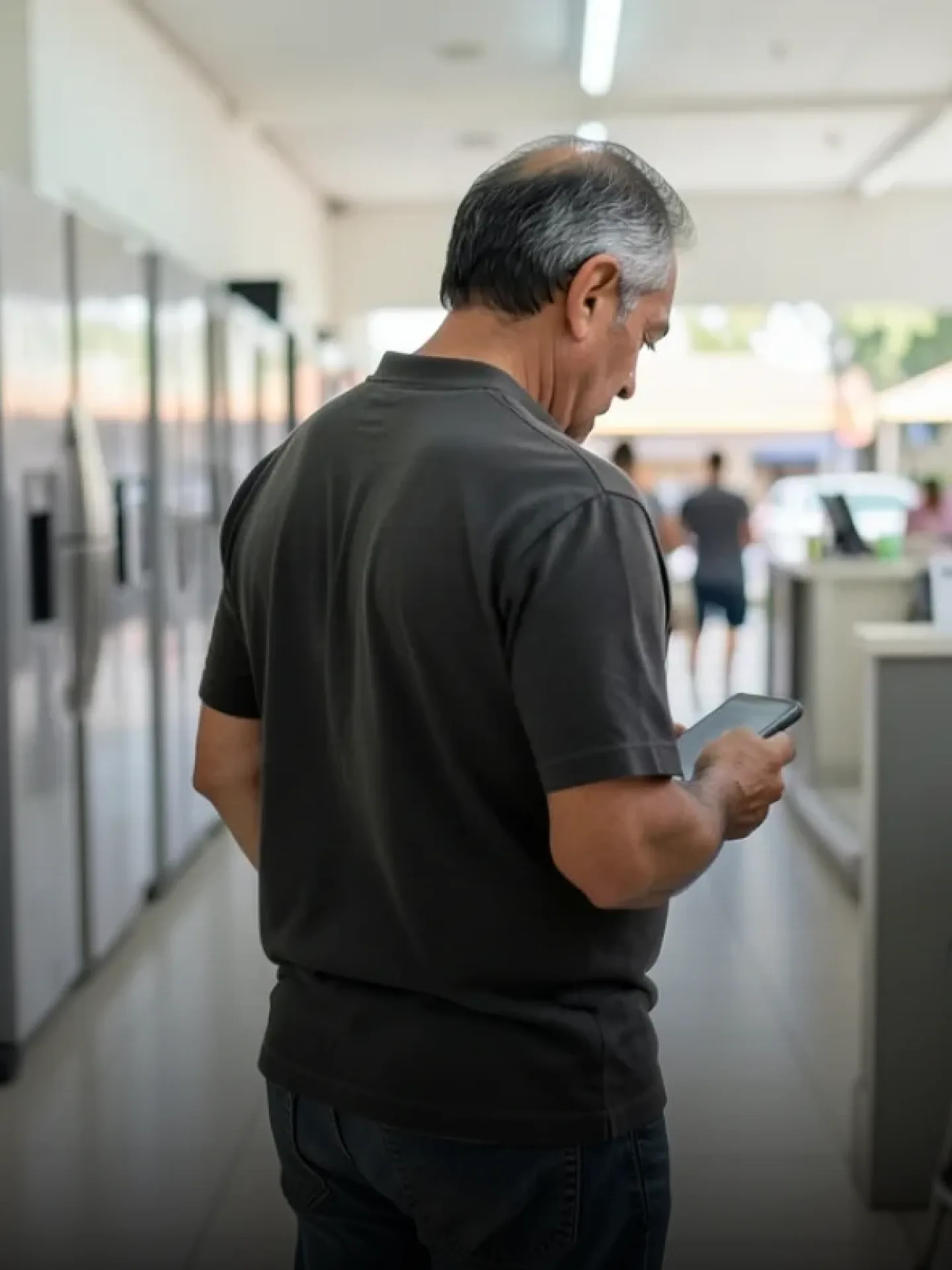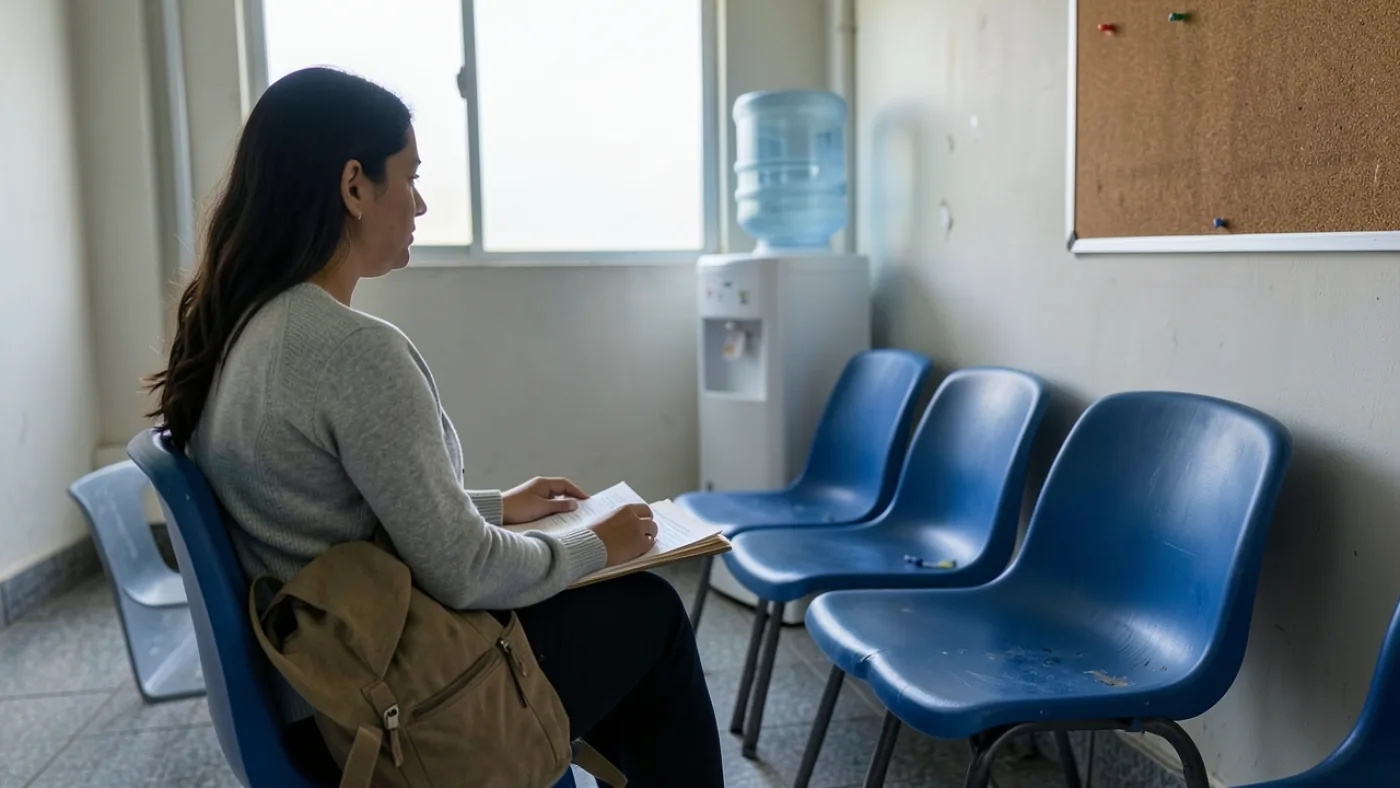
The costliest mistake asylum seekers make in Brazil has nothing to do with the interview or the evidence. It is treating the waiting period as dead time. People file with the Federal Police, receive a protocol, and then do nothing for two years: they do not renew the document, do not update their address, do not register a change of city, do not get the CPF, do not keep proof of employment. Then CONARE finally calls them for the interview, the notification goes to an address they left 14 months ago, they do not appear, and the file is closed for abandonment (arquivamento). The claim is never denied on the merits. It simply dies.
That is where this type of claim actually gets denied in Brazil: not in the decision room, but in the gaps of the waiting period.
Here is the direct answer to the question you searched for. Under Law 9.474/1997 (the Brazilian Refugee Statute), a refuge application is free and decided by CONARE (National Committee for Refugees), and in practice it takes 12 to 30 months from filing to final decision, sometimes longer for high-volume nationalities. Meanwhile you are legally in Brazil, legally allowed to work, and legally entitled to public healthcare and schools.
This article explains the stages, the realistic clock for each one, and exactly what you should be doing while the clock runs so that the delay never becomes the reason your claim fails.
On this page
How Long Does the Asylum Process Take in Brazil, Stage by Stage?
The full refuge process in Brazil typically runs 12 to 30 months from filing to CONARE’s final decision, with the longest waits reported for nationalities with very high application volumes. The first stage, however, is nearly instant: you leave the Federal Police on day one holding a valid protocol that authorizes you to stay and work under Law 9.474/1997.
The process has three legal stages, and each has a very different rhythm.
Stage 1: filing and the provisional document (days)
You declare your intention to seek refuge to the Federal Police, at an airport, land border or any PF unit, and complete the questionnaire through Sisconare, CONARE’s online system hosted on the Ministry of Justice and Public Security portal. You receive a protocol, and then the DPRNM (Documento Provisório de Registro Nacional Migratório, the provisional migration registration document). This is a valid Brazilian ID. It is not a favour and not a courtesy: Law 9.474/1997 guarantees it.
Stage 2: the eligibility interview (months, sometimes years)
This is the black hole. CONARE schedules an interview with an eligibility officer, and the queue is where almost all of the 12-30 months is spent. You do not control the date. You only control whether CONARE can find you when the date arrives.
Stage 3: the plenary decision (weeks after the interview)
After the interview, a technical opinion goes to CONARE’s plenary, which recognises or rejects refugee status. Recognition means you register with the Federal Police and receive a CRNM (National Immigration Registration Card), which costs R$ 204.77 under revenue code 140120, unchanged in 2026 according to the Federal Police fee table.
Key point: The delay itself is not the danger. The danger is an expired protocol, an outdated address, or an unanswered notification during the delay. Those three failures account for most “denials” that are really administrative closures.
Why Does the Wait Take So Long in the First Place?
The wait is structural, not personal. CONARE is a small interministerial committee that decides every refuge claim in a country of continental size, and Brazil received an extraordinary volume of applications after 2017, led by Venezuelan nationals. Law 9.474/1997 sets no binding maximum decision deadline, so there is no statutory clock to enforce.
Three factors stretch the timeline:
- Volume versus capacity. Each claim requires an individual interview and a written technical opinion. The bottleneck is the number of eligibility officers, not the complexity of your story.
- Geography. Processing speed varies by region. Claims filed in border states with heavy inflows behave differently from claims filed in São Paulo or Brasília.
- Nationality batching. CONARE has used prima facie recognition for some situations of generalised serious human rights violations, which moves certain nationalities fast and leaves individualised claims (a Nigerian LGBTQ+ applicant, a Russian political dissident, a Cuban journalist) in the slow lane, because each one needs a full individual assessment.
There is also a terminology problem that wastes months of real people’s lives. Many applicants arrive convinced they must request “political asylum” and spend half a year writing to Itamaraty (the Ministry of Foreign Affairs). Political asylum (asilo político) is a discretionary act of the Brazilian State under the Migration Law, usually reserved for high-profile political figures. There is no application form. What you actually want is refúgio under Law 9.474/1997, decided by CONARE. If you have been chasing the wrong authority, stop and refile correctly.
Watch out: Brazil is a Civil Law country. Decisions follow written statutes and administrative procedure, not precedent and discretion as in Common Law systems. That is good news for you: the rules in Law 9.474/1997 are written down and enforceable, which is why a well-documented file beats a persuasive personal plea.
What Can You Legally Do While You Wait?
Almost everything. From the day you file, Law 9.474/1997 and the Migration Law (Law 13.445/2017) give asylum seekers in Brazil the right to work formally, obtain a CPF (Brazilian tax number, free online at Receita Federal), open a bank account, use SUS (the free public health system) and enrol children in public school. Brazil does not pay a monthly stipend, so employment is the practical priority.
Use the waiting period to build the three things that protect you later: legal status, documentary proof and an independent fallback route.
- Get the CPF immediately. It is free through the Receita Federal online form for foreigners, and costs only R$ 7.00 at partner units like Banco do Brasil, Caixa, Correios or a cartório (notary office). Without it you cannot be hired, banked or taxed.
- Get a formal job with a signed carteira. A CLT employment contract gives you FGTS deposits of 8% of pay each month, 13th salary, 30 days of paid vacation plus a one-third bonus, and these rights apply regardless of nationality. It also generates the single most persuasive evidence of integration in Brazil.
- Keep renewing the DPRNM before it expires. Renewal is free. An expired document is the most common cause of avoidable problems.
- Update your address in Sisconare every single time you move. This is the step that saves claims.
- Keep every protocol, every receipt, every notification. Brazilian bureaucracy runs on protocol numbers.
Example: An Angolan applicant files in March 2026 and is interviewed in August 2028. In those 29 months she renewed the DPRNM three times, held one formal job at R$ 2,800 a month (fully exempt from income tax in 2026, since the reduction under Law 15.270/2025 brings the tax to zero up to R$ 5,000 monthly), and updated her address twice. At the interview she produced employment records, SUS appointments and school enrolment for her son. Her file was consistent, traceable and credible. That is what the waiting period is for.
Tip: Register with a free support network in your city, Cáritas, IMDH, Missão Paz or ASAV, and give them your file number. They often receive CONARE scheduling information and can reach you when a letter cannot.
Where Does This Type of Claim Actually Get Denied?
Rarely on the quality of the persecution story. Overwhelmingly on procedure and credibility gaps that open during the long wait. Under Law 9.474/1997, your claim can be closed for abandonment if you fail to appear or cannot be located, and the decision becomes vulnerable the moment your account at the interview diverges from what you wrote in Sisconare two years earlier.

The recurring failure points, in order of how often they destroy otherwise valid claims:
- Missed interview notification. You moved, the address in Sisconare is old, nobody appeared, the file closed.
- Expired provisional document. You stopped renewing, lost your job, dropped out of the system, and the file lost its anchor.
- Inconsistency between the initial form and the interview. You rushed the Sisconare questionnaire at the border with no interpreter, wrote “economic reasons”, and two years later described political persecution. CONARE will ask why.
- A claim that is genuinely about economic hardship. Law 9.474/1997 protects people fleeing persecution for race, religion, nationality, political opinion or social group membership, or generalised serious human rights violations. Poverty and unemployment, however real, are not grounds for refuge. They may be grounds for a residence authorization instead.
- Leaving Brazil without authorization during the process. Travelling to the country you say persecutes you is close to fatal for credibility.
Warning: If your file is closed for abandonment and your protocol lapses, you are no longer regularly in Brazil. From there the path leads to a notification to leave, a minimum 60-day window to regularize under Law 13.445/2017, and an overstay fine charged per day, legally capped at R$ 10,000 for individuals and reducible by economic condition. Our guide on your 60-day window to fix your status explains that window in detail.
What Is CONARE’s Strongest Argument Against You?
Here it is in its strongest form, not a strawman. CONARE’s best argument is this: the very length of your stay proves you no longer need refuge. You have lived in Brazil safely for 30 months, worked, opened a bank account, received healthcare and never faced any threat here. Refuge is subsidiary protection for people in danger. You are not in danger. You want to settle, and settling is what residence permits are for, not the Refugee Statute.
That argument is coherent, and in a meaningful number of cases it is correct. It is also the argument behind many rejections that applicants experience as arbitrary.
The answer is precise, and it has two parts.
First, the legal test under Law 9.474/1997 looks at the risk in your country of origin, not at your comfort in Brazil. Safety in the host country is the expected consequence of protection, not evidence that protection was unnecessary. If the test were otherwise, every refugee would lose status by being protected, which is circular.
Second, the test is forward-looking: would you face persecution if returned today? So your job is to keep the country-of-origin record current. Add country condition reports, news coverage, new arrest warrants, new charges against family members, new legislation criminalising your group. A file frozen in 2024 invites the argument that the risk evaporated. A file updated in 2026 defeats it.
How it works: You can submit supplementary documents to CONARE at any point before the decision, through Sisconare or in writing. Nobody will invite you to do it. Do it anyway, roughly once a year, and keep the protocol.
When Should You Stop Waiting and Switch to a Residence Route?
Now the second half of the story, the case where the rule does not serve you. Refuge is the strongest protection available (non-refoulement, refugee travel document, family extension), but it is also the slowest. If you qualify for a residence authorization under Law 13.445/2017, you can often hold a CRNM in months rather than years, for a R$ 168.13 processing fee plus the R$ 204.77 card fee per the Federal Police table.
This is the single most useful strategic insight for anyone stuck in the queue. Refuge is not the only door, and for many people it is not the right one.
Consider switching, or running a parallel assessment, if any of these describe you:
- You have a Brazilian child, spouse or stable partner. Family reunion residence is usually faster and leads to naturalization after just 1 year of residence under the Migration Law.
- Your nationality is covered by a current humanitarian reception ordinance (portaria interministerial), which is renewed periodically and processed directly by the Federal Police.
- You are from a Mercosur member or associated state, where a residence agreement route exists.
- You have foreign-source income of at least US$ 1,500 per month or US$ 18,000 in savings, which opens the digital nomad residence under CNIg Resolution 45/2021.
- Your real reason for leaving was economic, and you know a refuge interview will expose that.
Watch out: Do not simply abandon your refuge claim to pursue residence. Formally withdraw or convert it, with legal advice, so you are never without a valid document for a single day. Abandoning one route before the other is granted is how people end up irregular.
How Do the Routes Compare on Timeline and Cost in 2026?
Refuge costs nothing but takes 12-30 months; residence routes cost R$ 372.90 in combined Federal Police fees (R$ 168.13 processing plus R$ 204.77 for the card, per the 2026 Federal Police fee table) and are typically resolved far faster. The table below compares what matters when you are deciding whether to keep waiting.
| Route | Governing law | Realistic timeline | Official cost 2026 | Document you hold |
|---|---|---|---|---|
| Refuge (refúgio) | Law 9.474/1997, decided by CONARE | 12-30 months, sometimes longer | Free, including the appeal | DPRNM protocol, then CRNM after recognition |
| Humanitarian reception | Law 13.445/2017 + interministerial ordinances | Weeks to a few months | R$ 168.13 + R$ 204.77 | CRNM |
| Family reunion | Law 13.445/2017 | Usually a few months | R$ 168.13 + R$ 204.77 | CRNM |
| Mercosur residence | Residence agreement + Migration Law | Often same-day filing, fast analysis | R$ 168.13 + R$ 204.77 | CRNM |
| Political asylum (asilo) | Migration Law, discretionary | No deadline, no application form | Not applicable | Rare, case by case |
A useful rule of thumb: if you need protection from return, refuge is irreplaceable. If you mainly need a stable document to work, study and settle, a residence route is usually the faster and more predictable answer. Our comparison of CONARE rights, timeline and risks goes deeper on what the refuge protocol actually gives you from day one.
What Changed for Asylum Timelines in 2026?
No new refugee statute was enacted: Law 9.474/1997 remains the governing law, applications remain free of charge, and CONARE remains the deciding body inside the Ministry of Justice and Public Security. The practical changes in 2026 are operational and fiscal, and two of them directly affect people in the queue.
Everything now runs through Sisconare. Filing, address updates, document uploads, scheduling and notifications are concentrated in the online system. The upside is traceability: you can prove you updated your address. The downside is that applicants without reliable internet access or digital literacy miss notifications that are technically “delivered”. If you cannot access Sisconare regularly, appoint a lawyer or a support organisation as your point of contact.
Income tax relief makes formal work far more attractive. Since January 2026, under Law 15.270/2025, the tax due is reduced to zero for monthly taxable income up to R$ 5,000.00, with a decreasing partial reduction up to R$ 7,350.00. In 2026 the monthly table still shows exemption up to R$ 2,428.80, but the reduction means a refugee earning R$ 4,500 a month in a formal job pays no income tax at all. There is no longer any tax reason to stay in the informal economy, and informal work generates none of the integration evidence that strengthens your file.
Working hours are shrinking. Constitutional Amendment 141, published on 16 October 2026, moves the limit to 8 hours a day and 40 hours a week with two paid rest days and no salary reduction. The transition sets 42 hours a week starting two months after publication and 40 hours one year later. Until the first step takes effect the limit is still 44 hours. This applies to every worker in Brazil regardless of nationality, including asylum seekers.
Remember: Fees quoted here come from the Federal Police table and remained unchanged in 2026: R$ 204.77 for the CRNM card and R$ 168.13 for residence processing. Always confirm the revenue code before generating the GRU payment slip, because a payment under the wrong code is not refunded quickly.
How Do You Force a Decision When the Wait Becomes Unreasonable?
Brazilian administrative law requires public bodies to decide within a reasonable time, and the Federal Constitution guarantees reasonable duration of proceedings. When a refuge claim has sat for years with no interview scheduled, a mandado de segurança (writ of mandamus) or an ordinary action in Federal Court can be used to compel CONARE to act. The court orders a decision, not a favourable one.

Important nuance, and it is where people get hurt: forcing speed is not always in your interest. A pending claim gives you a valid document, work authorization and protection from removal. A rushed negative decision ends all three. Judicial pressure makes sense when the delay is causing concrete harm (a blocked family extension, a frozen naturalization count, an impossible travel need), not merely because waiting is uncomfortable.
If CONARE rejects your claim, the Refugee Statute gives you an administrative appeal to the Minister of Justice, free of charge, within the deadline stated in your notification. That deadline is short. Missing it is final in the administrative sphere, and after that only the Federal Courts remain, where review focuses on legality and procedural fairness rather than reassessing the facts from scratch. The Defensoria Pública da União (Federal Public Defender) represents refugees for free regardless of nationality, and NGOs such as Cáritas and Missão Paz provide legal support at no cost.
If your situation is really a denied residence application rather than a denied refuge claim, the appeal logic is different: see our guide on how to appeal a denied Brazilian residence permit.
Frequently Asked Questions About Asylum Processing Time in Brazil
Can I work legally while my asylum application is pending in Brazil?
Yes. Under Law 9.474/1997, asylum seekers in Brazil are authorized to work from the moment the application is filed, using the provisional document (DPRNM) and a CPF. Employers can and do hire asylum seekers under a standard CLT contract, with full rights: 8% monthly FGTS deposits, 13th salary, 30 days of paid vacation plus a one-third bonus. Brazil pays no cash allowance to asylum seekers, so formal employment is both your income and your best integration evidence for the interview.
What happens if my asylum protocol expires before CONARE decides?
An expired protocol does not end your claim automatically, but it strips you of usable proof of regular status, which blocks hiring, banking and renewals. Renewal is free and must be requested through Sisconare or the Federal Police before the expiry date printed on the document. If it has already lapsed, request renewal immediately and keep the filing receipt. Prolonged lapse combined with an unreachable address is the classic route to a file closed for abandonment.
Does the waiting time count toward naturalization in Brazil?
The period as a recognised refugee counts as residence. Ordinary naturalization under Law 13.445/2017 requires 4 years of residence, Portuguese language ability and no criminal conviction, reduced to 1 year for applicants with a Brazilian child or a non-separated Brazilian spouse or partner. Nationals of Portuguese-speaking countries need 1 uninterrupted year of residence plus good moral standing under the Constitution. How the pending-application period is counted is contested and should be assessed case by case.
Can I travel abroad while waiting for the CONARE decision?
Leaving Brazil during a pending refuge claim is risky and may be treated as abandonment or as evidence that you no longer fear return, especially if you travel to your country of origin. Never travel without written authorization and legal advice. Once refugee status is recognised, Law 9.474/1997 provides for a travel document issued by the Federal Police, charged under the applicable fee table, which allows international travel without using your national passport.
Do I need a lawyer for the asylum process in Brazil?
No lawyer is required to file, and the process is free at every stage, including the administrative appeal. Legal help becomes valuable in three situations: your claim is individualised rather than nationality-based, your initial Sisconare form was filled in poorly or without an interpreter, or you have been rejected and face a short appeal deadline. The Federal Public Defender and NGOs act free of charge. Any private lawyer you hire must be registered with the OAB (Brazilian Bar Association), which you can verify free on the OAB national registry.
What is the difference between the DPRNM and the CRNM?
The DPRNM is the provisional document you hold while CONARE analyses the claim. The CRNM (National Immigration Registration Card) is the definitive card issued after recognition or after a residence authorization is granted, costing R$ 204.77 under revenue code 140120 per the 2026 Federal Police table. Our step-by-step guide to first-time CRNM registration covers the documents and the appointment process.
Asylum Process Timeline in Brazil: Your Concrete Next Step
Quick recap: Expect 12-30 months. The claim is free. You can work, bank and use SUS from day one. Claims rarely fail on the story and routinely fail on an expired document, a stale address or an unanswered notification.
So the next step is specific. This week, open your Sisconare file and check three fields: the expiry date on your provisional document, the address on record, and whether any notification is pending. Fix whatever is wrong, and save the protocol number for each correction. If your document expires within 60 days, request renewal now, not later. Then, separately, ask one question: given your family, nationality and income, is there a residence route under Law 13.445/2017 that would give you a CRNM faster than CONARE will?
If you want that second question answered properly, with your documents in front of a bilingual Brazilian immigration lawyer, send us the details of your case and the date you filed. We will tell you where your file stands and whether a parallel route is worth opening.
Talk to a specialist lawyer now
Talk to a Lawyer on WhatsApp