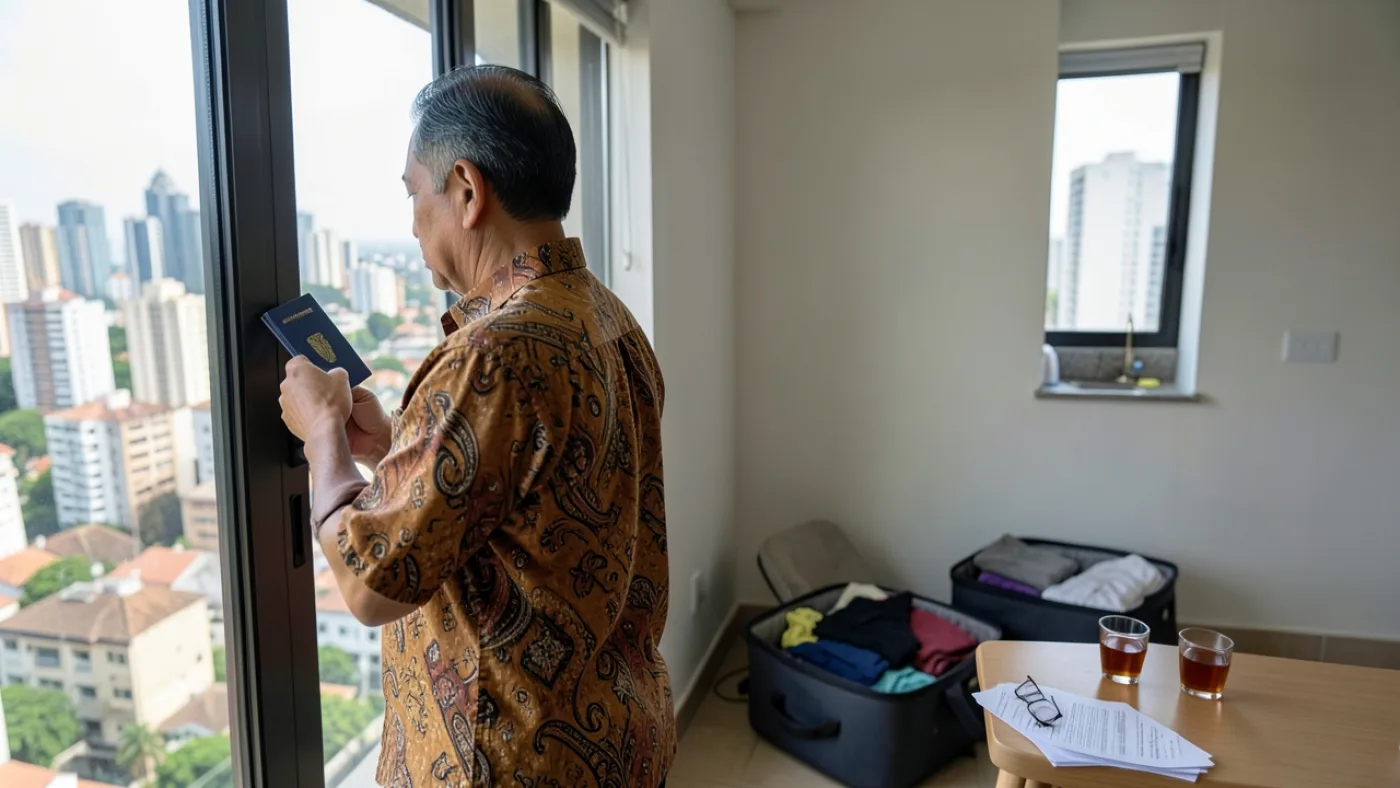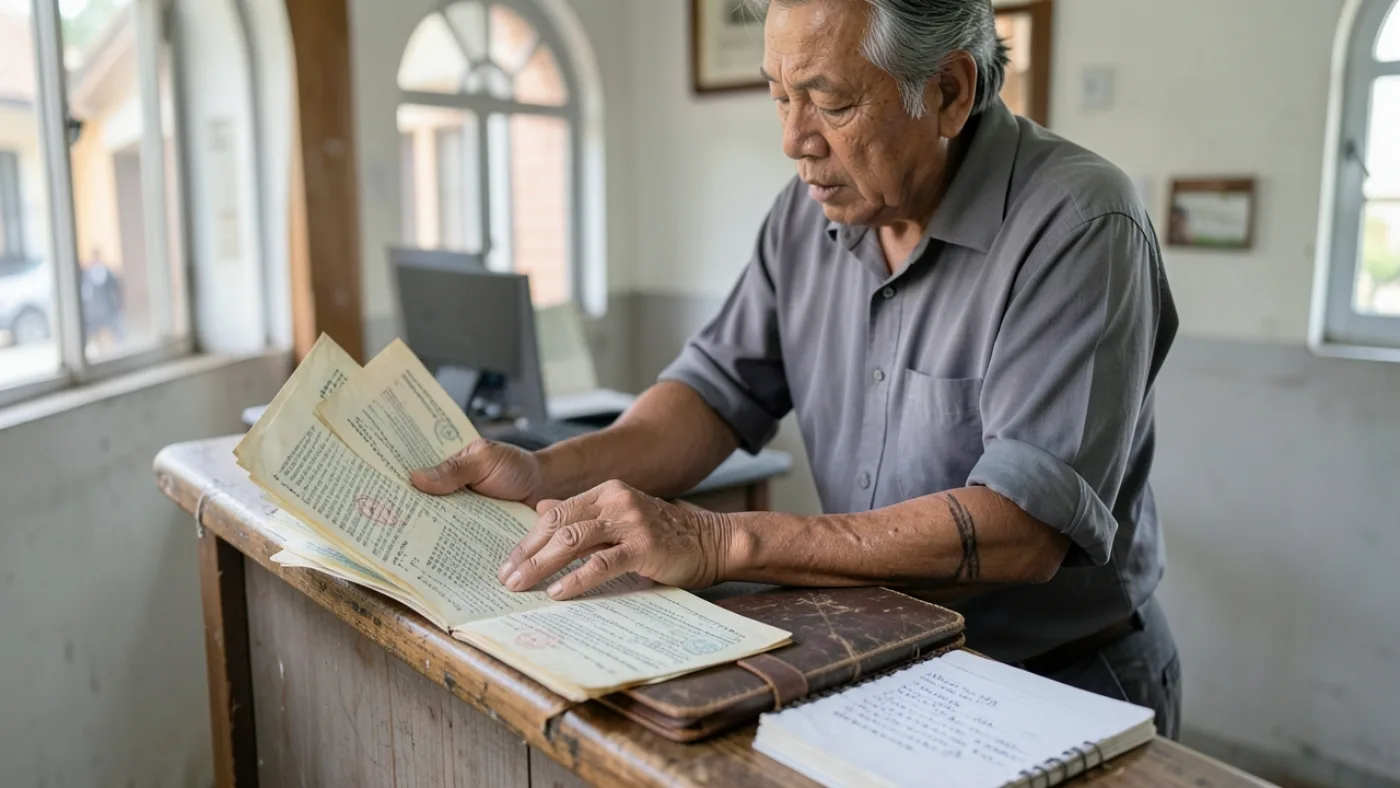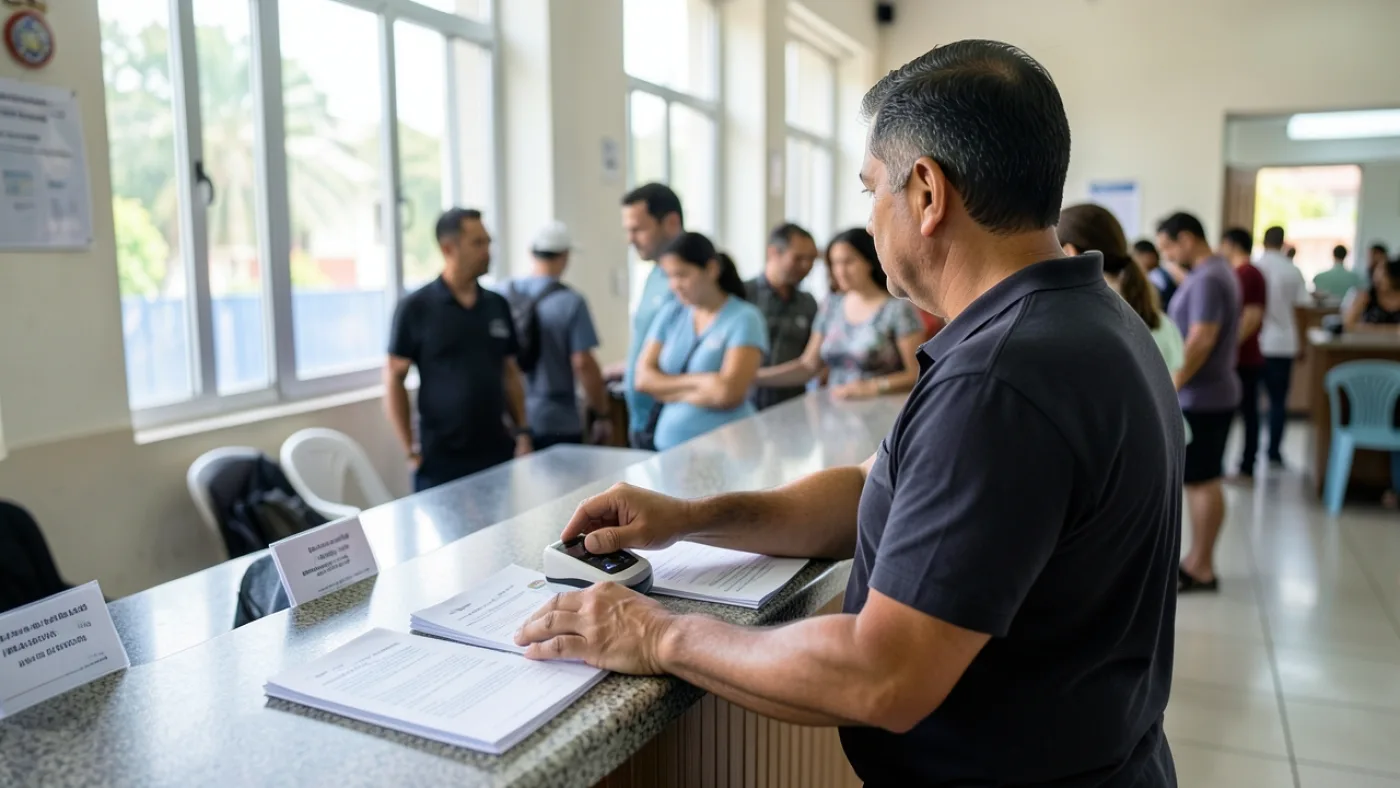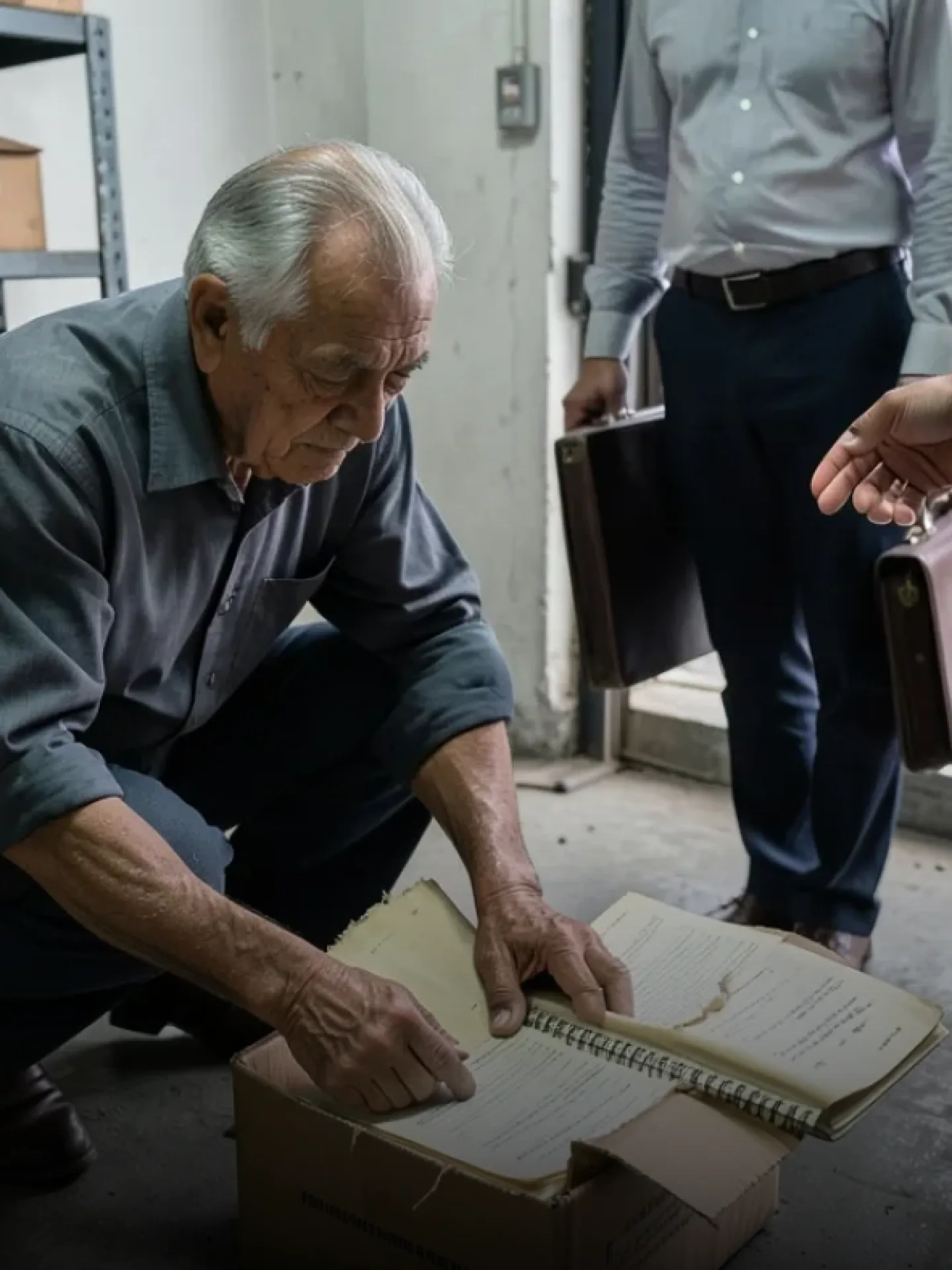
You’ve been living in Brazil for years. You’ve built a life, maybe a family or a business, and now you’re considering making it official. You’ve heard that after four years of permanent residency, you can apply for Brazilian citizenship through “ordinary naturalization.” But the process seems shrouded in bureaucratic mystery. What are the real requirements beyond the four-year mark? How do you prove your residency? And what happens if you’re married to a Brazilian or have a Brazilian child—does that change the rules? This guide cuts through the confusion, providing a clear, step-by-step roadmap to ordinary naturalization in Brazil in 2026, specifically for those who qualify after four years of residency.
On this page
What is Ordinary Naturalization in Brazil After 4 Years?
Ordinary naturalization is the standard path to Brazilian citizenship for foreigners who have legally and permanently established their lives in the country. The cornerstone requirement is holding a permanent residency visa (residência permanente) for a minimum of four years, calculated from the date your residency was published in the Federal Official Gazette (Diário Oficial da União). This is distinct from temporary visas or other accelerated paths. The process is governed by the Migration Law (Lei 13.445/2017) and its regulations, which define it as an administrative act granting nationality to those who meet specific legal criteria.
Who Exactly Qualifies for the 4-Year Ordinary Naturalization Path?
The law sets clear, non-negotiable prerequisites. To apply, you must meet all of the following conditions at the time of submitting your application:
- Permanent Residency for 4+ Years: You must possess a permanent visa (CRNM) and have been formally registered as a permanent resident for at least four uninterrupted years. Time spent in Brazil on a temporary visa (like a digital nomad visa or work visa) does not count toward this period.
- Civil Capacity: You must be legally capable according to Brazilian law, meaning you are of age (18+) or emancipated, and are not under any legal disability that would impair your judgment.
- Residence in Brazilian Territory: You must be physically residing in Brazil at the time of application.
- Ability to Communicate in Portuguese: You must demonstrate sufficient proficiency in the Portuguese language to communicate effectively in daily life. This is typically assessed during a subsequent interview with the Federal Police.
- No Criminal Convictions: You must not have been convicted of or be facing prosecution for a felony (crime) in Brazil or abroad. Minor infractions or misdemeanors (contravenções) generally do not disqualify you, but any serious criminal record will lead to denial.
- Means of Subsistence: You must demonstrate you can support yourself and any dependents in Brazil, either through employment, business, investments, or other lawful means.
Are There Scenarios That Reduce the 4-Year Residency Requirement?
Yes. While the standard path requires four years of permanent residency, the law provides for reduced residency periods under specific family-based circumstances. It’s crucial to understand that these are not separate “types” of naturalization but rather exceptions to the residency duration rule within the ordinary naturalization process.
Scenario A: Naturalization After 1 Year of Permanent Residency
You may apply after just one year of holding permanent residency if you meet one of these conditions:
- You have a child who is a native-born Brazilian citizen (filho brasileiro nato). This child must have been born Brazilian, not naturalized. Important: If your child obtained Brazilian citizenship through “provisional naturalization” (a specific process for minors), this does NOT qualify you for the reduced term.
- You are the child of a Brazilian native-born citizen.
- You have provided or can provide notable services to Brazil, recognized by the Ministry of Justice.
Scenario B: Naturalization After 2 Years of Permanent Residency
You may apply after two years of permanent residency if:
- You are the spouse or partner in a stable union (união estável) with a Brazilian native-born citizen for at least two years. The marriage or union must be legally recognized in Brazil.
For those who entered Brazil on a family reunification visa based on marriage, the clock for this two-year period starts from the date your permanent residency was granted, not from the date of marriage.
| Eligibility Scenario | Required Permanent Residency Period | Key Condition | Critical Proof Required |
|---|---|---|---|
| Standard Path | 4 Years | None beyond general requirements | CRNM showing 4+ years of permanent status. |
| Reduced Period (Scenario A) | 1 Year | Native-born Brazilian child or parent; notable service. | Child’s Brazilian birth certificate (original). |
| Reduced Period (Scenario B) | 2 Years | Marriage/stable union with native-born Brazilian for 2+ years. | Marriage certificate (certidão de casamento) and spouse’s Brazilian birth certificate. |
What is the Step-by-Step Process for Ordinary Naturalization?
The process is primarily digital but involves key in-person steps. Here is the practical roadmap:

Step 1: Verify Eligibility & Gather Documents (The Foundation)
Before anything else, confirm your CRNM shows at least four years (or the reduced period) of permanent residency. Then, start collecting:
- Valid CRNM (Carteira de Registro Nacional Migratório): Your permanent residency card. Even if expired, it remains proof of your legal status.
- Foreign Birth Certificate: Must be translated by a sworn translator (tradutor juramentado) in Brazil and, depending on the country of origin, apostilled or consularized.
- CPF (Cadastro de Pessoa Física) Card: Your Brazilian tax ID.
- Federal Revenue Certificates (Certidões da Receita Federal): Obtain Negativa de Débito (proof of no federal tax debt) and Regularidade Fiscal (proof of tax compliance) for free on the Receita Federal website.
- Criminal Background Checks: From Brazil (issued by the Federal Police) and from your country of origin/previous residences for the past 5 years.
- Proof of Residence: Utility bills, rental agreement, or a declaration from your condominium.
- Proof of Subsistence: Recent pay stubs, employment contract, tax returns, or bank statements.
- Supporting Documents for Reduced Periods: If applicable, your Brazilian child’s birth certificate or your marriage certificate (both Brazilian documents).
Step 2: Submit the Online Application via SisNacional
All applications are submitted through the SisNacional portal, managed by the Ministry of Justice and Public Security (MJSP). You will create an account, fill out the extensive form, and upload scanned copies of all prepared documents. This is a critical stage where errors or incomplete submissions can cause significant delays.
Step 3: Pay the Fee & Await Protocol
After submission, you will generate a GRU (Guia de Recolhimento da União) payment slip. The fee for naturalization in 2026 is R$ 204.77 (approximately $40 USD). Pay this at any bank or online. The payment confirmation triggers the official review, and you will receive a protocol number to track your case.
Step 4: Ministry of Justice Analysis & Federal Police Interview
The MJSP will analyze your documents, which can take 12 to 24 months. If preliminary approval is granted, your case is sent to the Federal Police (Polícia Federal) in your state of residence. They will schedule an interview to verify your identity, confirm your Portuguese proficiency, and ask about your life in Brazil. This is not a formal language test but a conversation to assess practical communication skills.
Step 5: Final Publication & Oath Ceremony (Cerimônia de Juramento)
Upon favorable review by the Federal Police, the MJSP issues the final naturalization ordinance. This is published in the Federal Official Gazette. You will then be summoned to a formal oath ceremony at the Federal Police, where you swear allegiance to the Brazilian Constitution. You only become a Brazilian citizen at the moment you take this oath.
Step 6: Obtain Your Brazilian Documents
After the oath, you can immediately apply for your Brazilian RG (Carteira de Identidade) and CPF (though you likely already have one). You must also apply for a Brazilian passport at the Federal Police. Your old CRNM becomes invalid.
What Are the Realistic Timelines and Costs in 2026?
Managing expectations is key in Brazilian bureaucracy.
Timeline: Brazilian citizenship after 4 years
The entire process, from submission to oath, typically takes 2 to 3 years. The longest phase is the MJSP analysis. Do not be alarmed by radio silence for many months—it is standard. The Federal Police interview and final steps move relatively quickly once the MJSP gives its initial approval.
Costs: Brazilian citizenship after 4 years
The official government fee is R$ 204.77. The real expenses are in document preparation:
- Sworn Translations: R$ 80 – R$ 300+ per page/document.
- Apostilles/Consular Legalization: Variable fees from foreign authorities and Brazilian consulates.
- Notary Fees (Cartório): For certifying copies or registering documents.
- Legal Assistance (Highly Recommended): Fees can range from R$ 5,000 to R$ 15,000+, but they prevent costly errors and navigate complex situations, such as clarifying if a past legal issue could be considered a ground for deportation or denial.
What Changed or Was Clarified for Naturalization in 2026?
While the core laws remain unchanged, administrative practices and interpretations evolve. Key points for 2026 applicants:

- Digital-First Process: The SisNacional portal is now fully established. Paper applications are obsolete. Ensure all digital scans are high-quality.
- Emphasis on “Permanent” Status: Authorities strictly interpret the four-year count from the date of permanent residency grant, not from your initial entry into Brazil on any visa.
- Clarity on Criminal Background: The focus is on felony convictions. The process for obtaining foreign criminal records has become more standardized, but requirements can vary by country.
- Portuguese Proficiency: The informal interview is standard. Consider taking a basic Portuguese course if you’re not confident, as failure to communicate effectively is a common reason for delay or referral.
Frequently Asked Questions (FAQ)
1. Does my time in Brazil on a temporary work visa count toward the 4 years?
No. The law is explicit. The clock for ordinary naturalization starts only from the date your permanent residency (residência permanente) was officially granted and published. Time spent on a temporary work visa (VITEM V) or any other temporary status does not accumulate toward this requirement. You must first convert to permanent residency and then wait the requisite four years.
2. I am Portuguese. Do I follow this 4-year path or a different one?
Portuguese citizens have a privileged path due to a treaty between Brazil and Portugal. They can apply for naturalization after only one year of uninterrupted residency in Brazil, regardless of visa type (temporary or permanent). This is a faster, separate process from the ordinary naturalization discussed here. For full details, see our dedicated guide on the 1-year path for Portuguese citizens.
3. Can I travel outside Brazil during the naturalization process?
Yes, but you must be careful. Short trips are generally fine. However, you must maintain your Brazilian residence and your permanent residency status must remain valid. If your CRNM expires while you are abroad, you may face issues re-entering Brazil. It is crucial to ensure your travel documents are in order and to avoid prolonged absences that could be interpreted as abandoning your Brazilian residence.
4. What happens if my application is denied?
You have the right to file an administrative appeal (recurso) within 30 days of notification. The appeal is reviewed by a higher authority within the Ministry of Justice. If denied again, you can challenge the decision in federal court. Denials often stem from incomplete documentation, criminal records, or failure to prove residency/subsistence. A lawyer is essential at this stage.
5. As a naturalized citizen, will I lose my original citizenship?
Brazil generally allows dual citizenship. You will not be required to renounce your original nationality. However, you must check the laws of your home country, as some nations may have restrictions on holding dual citizenship. Brazil will recognize you as a Brazilian citizen while you are on its territory.
Ready to Secure Your Brazilian Citizenship?
The journey to ordinary naturalization is a marathon, not a sprint. It requires meticulous preparation, patience with bureaucratic timelines, and a clear understanding of your unique eligibility. A single missing document or misinterpreted requirement can set you back months or even years. Having experienced legal guidance can transform this complex process into a clear, managed pathway, ensuring your application is robust from day one and navigating any hurdles that arise.
If you have established your life in Brazil and are ready to take the final step toward citizenship, our bilingual legal team is here to provide the clarity and support you need. We help you gather documents, prepare your application, and advocate for you throughout the entire process with the Ministry of Justice and Federal Police.
Talk to a specialist lawyer now
Talk to a Lawyer on WhatsApp