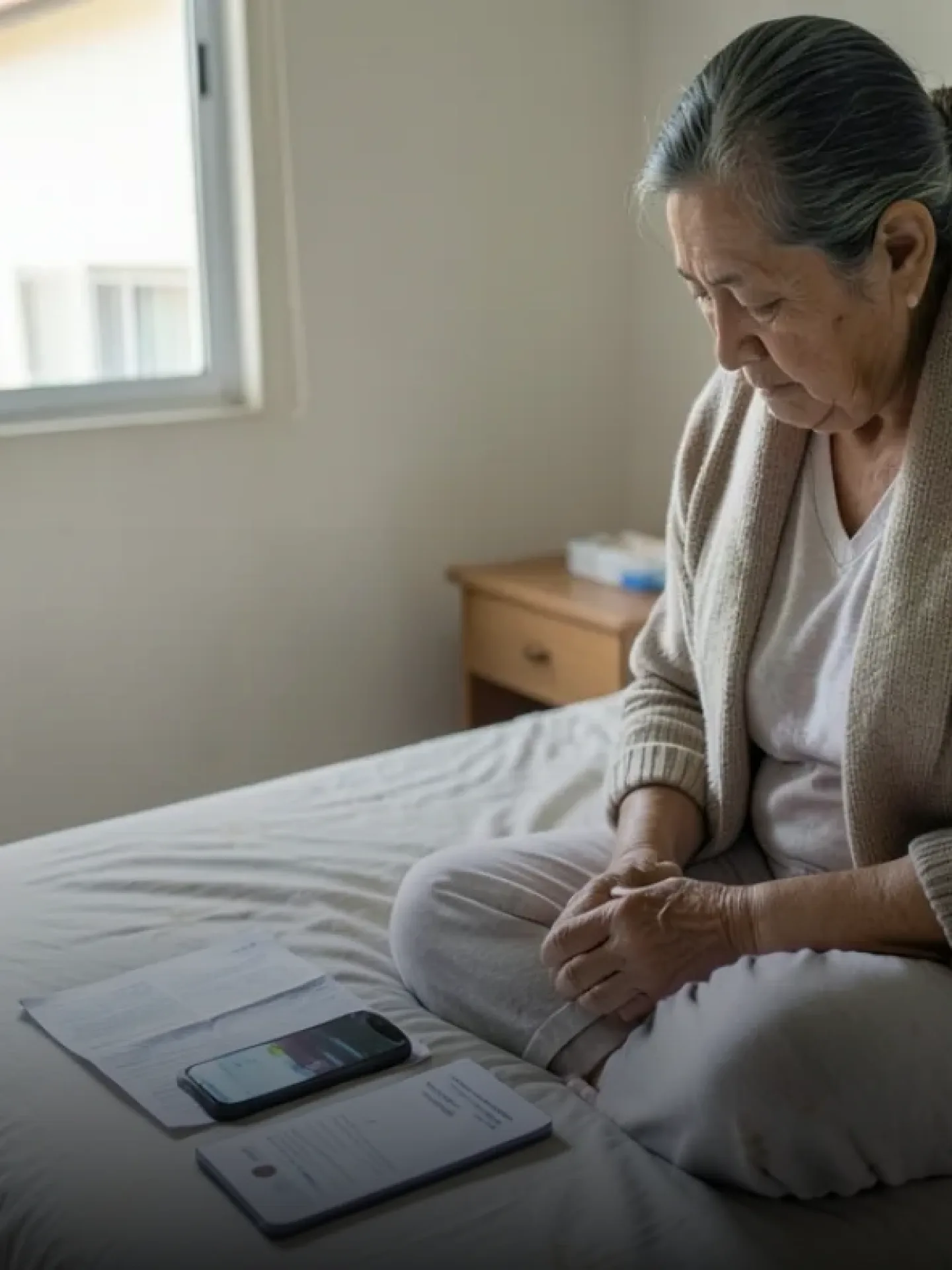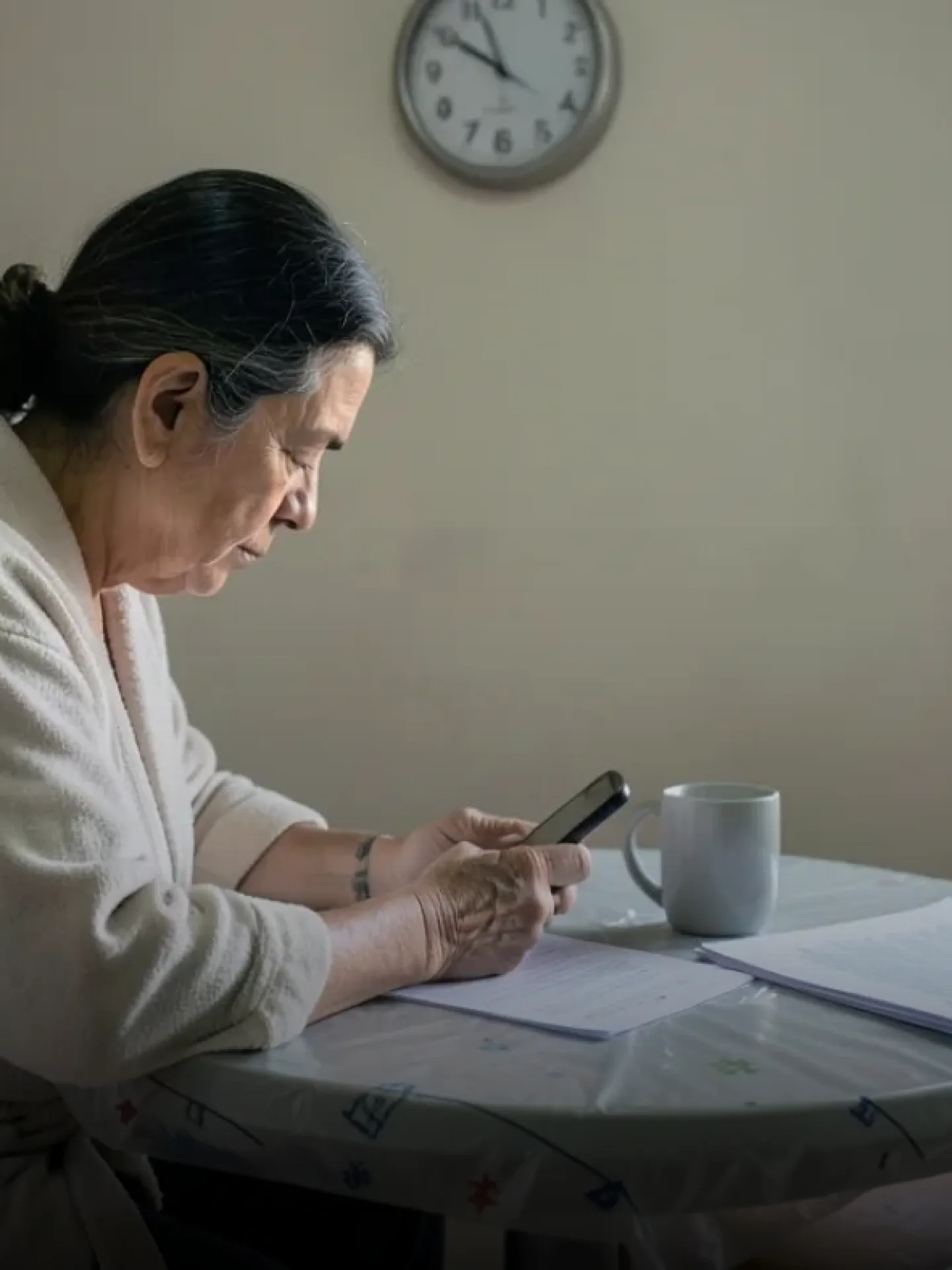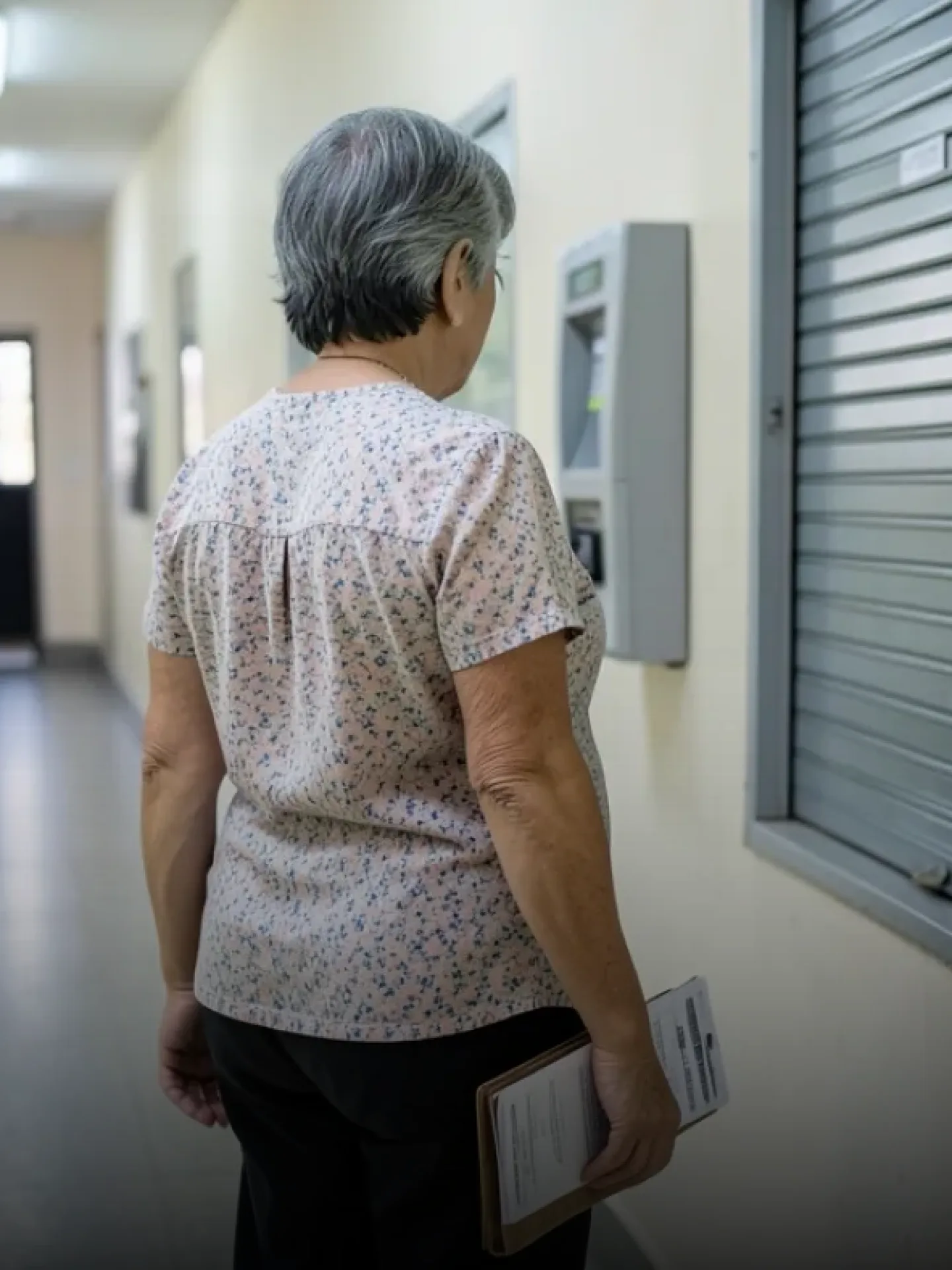
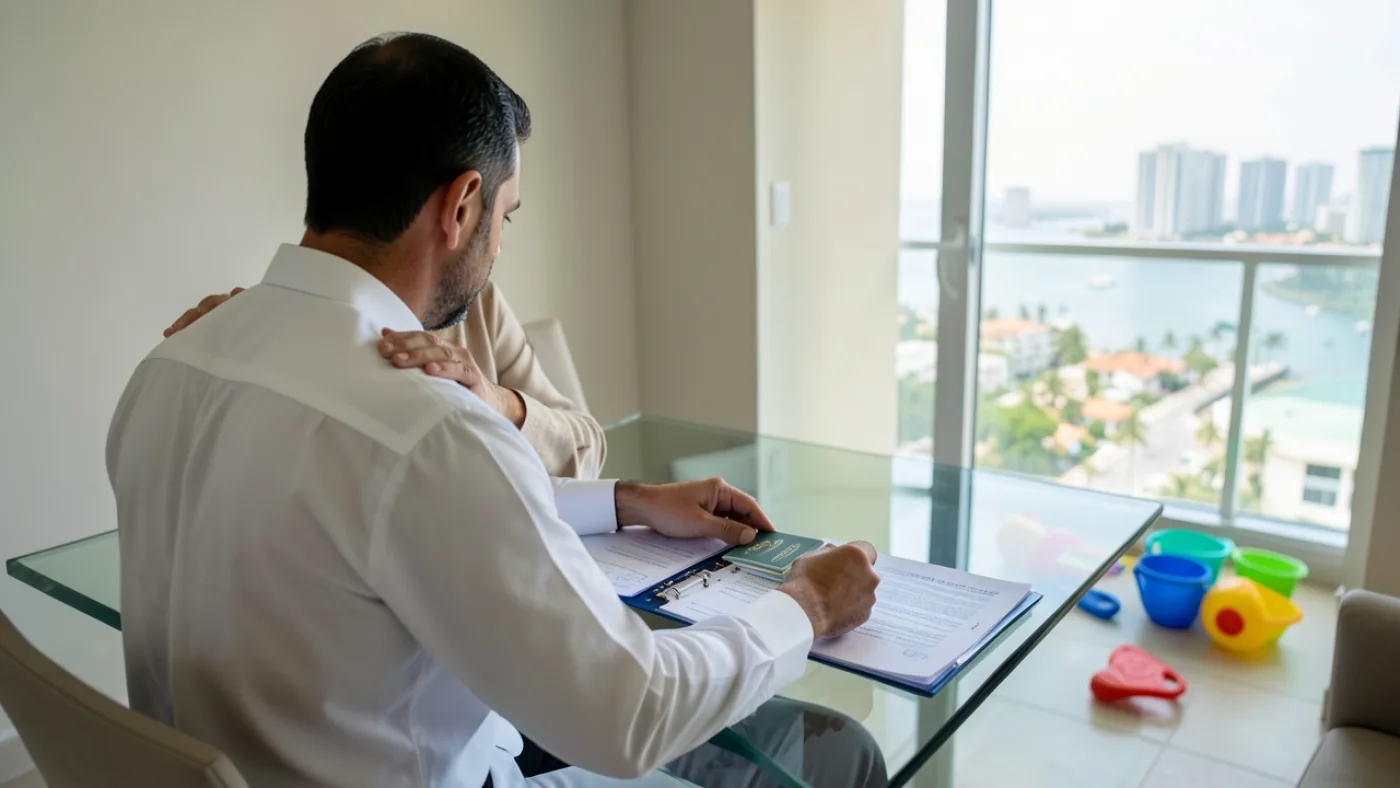
You are a Saudi investor or the head of a family, and you want a legal base in Brazil. Maybe you saw the beaches, the property prices, the business openings. But now you are staring at a wall of Portuguese acronyms: CRNM, CPF, VITEM, CNIg. You are wondering whether your wife and children can come too, whether your income back home will suddenly be taxed, and whether you need to fly to Brasília to sort any of it out.
Here is the short answer: yes, a Saudi family can obtain Brazilian residence, and yes, an investor route exists with clear thresholds. Brazil actively welcomes foreign capital and treats family reunification as a right, not a favor. The process is bureaucratic but predictable once you know the steps, the fees, and the deadlines that cannot be missed.
This guide walks you through the investor permit, the family route, the real costs in reais, the tax surprise nobody warns Saudi families about, and the exact documents you need for 2026.
On this page
Who Can Get a Brazilian Residence Permit as a Saudi Investor?
Any Saudi national who invests at least R$ 500,000 in a Brazilian company qualifies for an investor residence permit under CNIg Normative Resolution 13/2017. The threshold drops to R$ 150,000 for qualifying innovation or technology startups. For real estate, the minimum is R$ 1,000,000 in urban property, or R$ 700,000 in the North and Northeast regions.
The legal foundation is Lei 13.445/2017, the Brazilian Migration Law, which replaced the old Foreigner Statute. This law treats migration as a right and created flexible residence permits (autorização de residência) that can, in many cases, be requested from inside Brazil rather than only through a consulate in Riyadh or Jeddah.
There are two main investor tracks for Saudi applicants:
- Business investment: you inject capital into a Brazilian company (Ltda or S/A) and register it with the Central Bank as foreign direct investment.
- Real estate investment: you buy urban property meeting the value threshold and register the deed at the land registry (Registro de Imóveis).
The business route is popular because R$ 150,000 for a tech startup is far more accessible than R$ 1,000,000 in property. If you plan to open a company, you can read our detailed guide on the investor visa in Brazil and its requirements and costs.
Important: The investor permit belongs to the principal applicant. Your spouse and minor children do not each need to invest. They join through family reunification once your permit is approved, which is a separate and simpler process.
To open a CNPJ (company tax number) in Brazil, you also need a registered business address. Ribeiro Cavalcante offers a fiscal address in Brazil so foreign investors can establish a compliant company without renting physical office space from day one.
Which Family Members Can Join a Saudi Resident in Brazil?
Under Lei 13.445/2017, a foreign resident in Brazil can bring their spouse, minor children (under 18), dependent parents, and other relatives who prove economic dependency. Family reunification (reunião familiar) is a guaranteed right, and once approved each relative receives a CRNM with full residence status.
Brazil applies the principle of family unity broadly. The core beneficiaries recognized for reunião familiar are:
- Spouse or registered partner (including stable union, união estável)
- Children under 18, or older children who are dependent
- Parents (ascendants) who depend on the resident
- Siblings, grandchildren or other relatives who prove financial dependency
- Tutored or guarded minors under Brazilian law
For polygamous marriages, which are legally recognized in Saudi Arabia, Brazilian law only recognizes one spouse for reunion purposes, because Brazil does not recognize polygamy. Additional partners cannot be registered as spouses, though their children can still qualify as your dependent children. This is a sensitive point worth discussing with a lawyer before filing.
Example: A Saudi investor approved for residence brings his wife and three children under 18. He files one investor permit and four family reunification requests. Total CRNM registration fees: 5 × R$ 204.77 = R$ 1,023.85 (roughly US$ 200), plus sworn translation costs for each civil document.
Once a family member holds the CRNM (Carteira de Registro Nacional Migratório, National Migration Registry Card), they gain the right to work, study, open a bank account, and use public services, on nearly equal footing with Brazilian citizens, except for a handful of roles reserved for nationals.
How Much Does a Brazilian Residence Permit Cost for a Saudi Family in 2026?
The government fees are modest: the CRNM registration costs R$ 204.77 per person in 2026 (about US$ 40), and the CPF tax ID is free at the Receita Federal or R$ 7.00 at a consulate. The real costs come from the investment threshold, sworn translations, and property taxes if you buy real estate.
Here is a clear breakdown of the main 2026 costs, based on Federal Police and Receita Federal fee schedules and CNIg investment rules:
| Item | Cost (2026) | Approx. USD / SAR |
|---|---|---|
| CRNM first registration (per person) | R$ 204.77 | US$ 40 / SAR 140 |
| CRNM renewal | R$ 204.77 | US$ 40 / SAR 140 |
| CPF (Receita Federal) | Free | Free |
| CPF (consulate / Correios) | R$ 7.00 | US$ 1.40 / SAR 5 |
| Investor permit, company investment | Min. R$ 500,000 | US$ 100,000 / SAR 340,000 |
| Investor permit, tech startup | Min. R$ 150,000 | US$ 30,000 / SAR 100,000 |
| Investor permit, urban real estate | Min. R$ 1,000,000 | US$ 200,000 / SAR 680,000 |
| Real estate in North/Northeast | Min. R$ 700,000 | US$ 140,000 / SAR 475,000 |
| ITBI (property transfer tax) | 2-3% of value | Varies by city |
| Land registry (Registro de Imóveis) | 1-1.5% of value | Varies by state |
If you buy a R$ 1,000,000 apartment in São Paulo, budget an additional R$ 30,000 in ITBI (3%) plus roughly R$ 10,000 to R$ 15,000 in registry fees. That is real money on top of the purchase price, and it is due at closing.
Tip: Arabic to Portuguese sworn translators (tradutor juramentado) are scarce in Brazil. Every foreign civil document (birth certificate, marriage certificate) must be officially translated. Book translators early and budget generously, because delays here can push your whole timeline back weeks.
Will Saudi Families Pay Brazilian Tax on Their Worldwide Income?
Yes. Once you become a Brazilian tax resident, Brazil taxes your worldwide income at progressive rates up to 27.5%, according to Receita Federal (the Brazilian IRS). Income above R$ 4,664.68 per month falls in the top bracket. Since Saudi Arabia has no personal income tax, this is the single biggest financial shock for Saudi families relocating to Brazil.

The 2026 progressive income tax brackets work like this:
- Up to R$ 2,259.20/month: exempt
- R$ 2,259.21 to R$ 2,826.65: 7.5%
- R$ 2,826.66 to R$ 3,751.05: 15%
- R$ 3,751.06 to R$ 4,664.68: 22.5%
- Above R$ 4,664.68: 27.5%
You become a tax resident when you enter Brazil on a permanent basis or obtain a residence permit, or after spending 184 days in a 12-month period. From that point, your Saudi rental income, dividends, and foreign investment gains may become reportable in Brazil.
Warning: There is no comprehensive double taxation treaty in force between Brazil and Saudi Arabia. This means you cannot automatically offset taxes paid in one country against the other. Always confirm the current status with a Brazilian tax advisor before triggering tax residency, because the wrong timing can cost you tens of thousands of reais.
You can review official rates and rules directly on the Receita Federal portal. Structuring your assets before you move, rather than after, is where good legal planning saves families the most money.
How Do You Prove Financial Capacity to Support Your Family?
For family reunification, the Brazilian resident must prove they can financially support incoming relatives. The Federal Police accept bank statements, proof of stable income, tax returns, or proof of the investment itself. There is no fixed statutory minimum, but showing income above one minimum wage (R$ 1,621.00 in 2026) per dependent is a safe benchmark.
Since Brazil raised the minimum wage, understanding the current figure matters for many benchmarks. You can read the details in our note on the new minimum wage of R$ 1,621.00 and labor rights in 2026.
Common documents used to prove financial capacity include:
- Bank statements from the last 3 to 6 months (Brazilian or foreign)
- Proof of the qualifying investment (Central Bank registration, company contract, property deed)
- Employment contract or business income statements
- Proof of residence in Brazil (comprovante de residência)
- A declaration of financial responsibility for each dependent
For investors, the investment documentation itself usually satisfies the financial capacity requirement. A R$ 500,000 company investment or a R$ 1,000,000 property purchase already demonstrates strong means, which is why investor families rarely face pushback on this point.
Remember: Foreign bank statements must be translated by a sworn translator and, in most cases, legalized. Because Saudi Arabia and Brazil are both parties to the Apostille Convention, you can apostille your Saudi documents rather than going through full consular legalization, which saves significant time.
What Documents Do Saudi Applicants Need in 2026?
The core document set for a Saudi family includes valid passports, apostilled and sworn-translated civil certificates (birth and marriage), a CPF for each member, proof of residence in Brazil, and the investment documentation. Every foreign document must be apostilled in Saudi Arabia and translated by a Brazilian sworn translator.
Prepare the following before you begin:
- Valid passport for each family member (with at least 6 months validity)
- Birth certificate (certidão de nascimento), apostilled and translated
- Marriage certificate (certidão de casamento), apostilled and translated
- CPF (Brazilian tax ID) for each applicant
- Proof of Brazilian address (rental contract, utility bill, or property deed)
- Passport-style photos meeting Federal Police specifications
- Investment proof: company incorporation documents, Central Bank foreign investment registration, or property deed and registry
- Criminal background certificate from Saudi Arabia, apostilled and translated
You can obtain a CPF before ever setting foot in Brazil, at the Brazilian consulate in Riyadh, which speeds everything up. The gov.br portal hosts most immigration services, though several steps still require an in-person appointment at the Federal Police.
Comparison: Investor Route vs Family Reunification Route
The investor route requires capital but grants residence directly to the principal. The family route requires no investment but depends on an existing resident sponsor. Both lead to a CRNM with full work and study rights, and both are governed by Lei 13.445/2017.
| Feature | Investor Permit | Family Reunification |
|---|---|---|
| Who it is for | Principal investor | Spouse, children, dependents |
| Minimum investment | R$ 150,000 to R$ 1,000,000 | None |
| Government fee (CRNM) | R$ 204.77 | R$ 204.77 per person |
| Can apply from inside Brazil | Often yes | Yes, within 90 days of arrival |
| Right to work | Yes | Yes |
| Financial capacity proof | Investment itself | Sponsor’s income or investment |
| Legal basis | Lei 13.445/2017 + CNIg rules | Lei 13.445/2017, family unity |
Most Saudi families combine both: the head of household takes the investor route, and everyone else joins through reunification. If you are comparing routes across nationalities, our guide on the Brazil real estate investor visa requirements and cost is a useful companion read.
What Changed for Saudi Residence Applicants in 2026?
In 2026, the CRNM registration fee remains at R$ 204.77 and the investment thresholds under CNIg rules are unchanged. The most relevant shift is administrative: more Federal Police units now accept online scheduling and document upload through the gov.br system, reducing in-person visits for Saudi applicants.
Digitalization has been the main trend. The migration self-service portal now lets applicants submit residence requests, track protocol numbers, and pay fees online before their appointment. This matters for Saudi families who want to prepare from Riyadh before flying over.
Processing times, however, still vary widely by Federal Police unit and local demand. São Paulo and Brasília tend to be slower than smaller cities. There is no single national deadline for approval, so patience remains part of the process.
Note: Brazil operates under Civil Law, not Common Law. That means outcomes follow written statutes and regulations closely, and administrative discretion is more limited than in many Gulf systems. This is good news for predictability, once your paperwork is correct, the rules are the rules.
Step-by-Step: How a Saudi Family Obtains Brazilian Residence
The process has two paths. If relatives are still abroad, they apply for a family reunion visa at the Brazilian consulate. If they are already in Brazil on a tourist entry, they must request residence at the Federal Police within 90 days of arrival. Both end with issuance of the CRNM.
Path A: Investor already inside Brazil
- Obtain a CPF (at the consulate in Riyadh or online)
- Structure and register the investment (company incorporation with Central Bank registration, or property purchase with registered deed)
- Gather apostilled and translated documents
- Schedule the residence request on the gov.br migration portal
- Attend the Federal Police appointment, submit documents, pay R$ 204.77
- Receive the protocol, then collect the CRNM once approved
Path B: Family members still abroad
- The principal (investor) resident files the reunion request or the relative applies for a family reunion visa at the consulate in Riyadh or Jeddah
- Submit apostilled birth or marriage certificates and proof of the sponsor’s financial capacity
- Once the visa is granted, the relative travels to Brazil
- Register with the Federal Police within 90 days of arrival
- Collect the CRNM
Alternatively, a relative from a visa-exempt situation can enter as a tourist and, within their 90-day legal stay, request family reunion residence directly at the Federal Police. This is a common and fully permitted strategy. You can verify current entry requirements on the Federal Police portal.
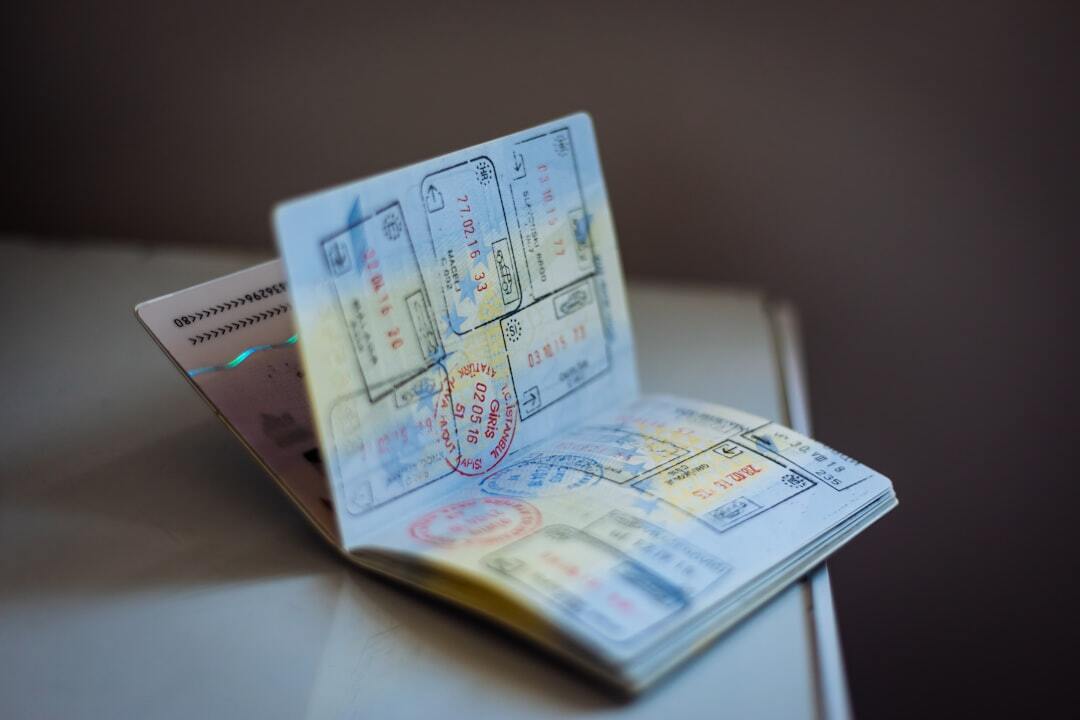
Caution: Do not let the 90-day registration deadline lapse. If a VITEM visa holder fails to register with the Federal Police within 90 days of arrival, the visa registration expires and fines apply. Mark this date the moment you land.
Common Mistakes Saudi Families Make: Brazil residence permit
The most costly mistakes are missing the 90-day Federal Police registration deadline, underestimating worldwide income tax, and leaving document translation to the last minute. Each can delay residence by months or trigger fines, according to the Federal Police fee and penalty schedule.
- Assuming Brazil will not tax Saudi-source income, it usually will, once you are a resident
- Registering polygamous marriages, only one spouse is recognized
- Booking Arabic sworn translators too late, they are scarce and delays cascade
- Buying property below the R$ 1,000,000 threshold and expecting it to qualify for the investor route
- Ignoring Central Bank registration of foreign investment, which is mandatory and separate from the residence application
If you are weighing options across different countries and profiles, our comparison guides such as the Brazil residence permit for Lebanese applicants and the open company in Brazil with R$150K residency route show how similar rules apply across nationalities.
Frequently Asked Questions
Can a Saudi investor own 100% of a Brazilian company?
Yes. A Saudi national can own 100% of a Brazilian limited liability company (Ltda) in almost all sectors. A few strategic areas, such as certain media, aviation, and rural land near borders, carry restrictions. You will need a CPF and, for the residence-linked investment, a minimum of R$ 500,000 (or R$ 150,000 for a qualifying tech startup). The foreign investment must be registered with the Central Bank. This registration is what proves the capital entered Brazil legally and supports your investor permit.
Brazil residence permit: How long does the CRNM take to be issued?
After your Federal Police appointment, you receive a protocol number that already lets you live, work, and open accounts. The physical CRNM card typically takes several weeks to a few months, depending on the unit and demand. São Paulo and Brasília are generally slower. Keep your protocol receipt safe, because it functions as proof of legal status while the card is produced. There is no fixed national deadline, so build a buffer into your relocation plans.
Do my children get to study in Brazilian schools?
Yes. Once your children hold the CRNM through family reunification, they have full access to public education and can enroll in private schools too. Access to public education is actually guaranteed even before full documentation is complete, because Brazil protects the right to education for all minors on its territory. You will need each child’s apostilled and translated birth certificate and, for older students, school transcripts for grade placement.
Can my whole family come at once?
Yes, though timing depends on the route. The investor (principal applicant) usually secures residence first. Spouse and children then apply through family reunification, either from Riyadh at the consulate or after entering Brazil as tourists and requesting residence within 90 days. Many families travel together and file the reunion requests locally. Each member pays the R$ 204.77 CRNM fee and needs their own apostilled, translated documents. A lawyer can file all requests in parallel to save time.
Do I need a lawyer to get a Brazilian residence permit?
It is not legally required, but for Saudi investors it is strongly advisable. The investment structuring, Central Bank registration, tax residency timing, sworn translation logistics, and family reunification filings involve several agencies at once. A single misstep, like triggering tax residency at the wrong moment, can cost far more than legal fees. A bilingual lawyer registered with the OAB (Brazilian Bar Association) coordinates everything and communicates with authorities on your behalf.
Secure Your Brazilian Residence Permit with Confidence
Relocating a family or capital across continents is a serious step, and Brazilian bureaucracy can feel opaque from Riyadh or Jeddah. You deserve clear answers in your language and a legal team that handles the Federal Police, the Central Bank, and the tax authorities so you can focus on your family and your investment.
Your next step is simple: gather your passports, marriage and birth certificates, and a rough figure for your intended investment, then get a professional assessment of the fastest, most tax-efficient route for your situation. Message our bilingual team to start.
Talk to a specialist lawyer now
Talk to a Lawyer on WhatsApp