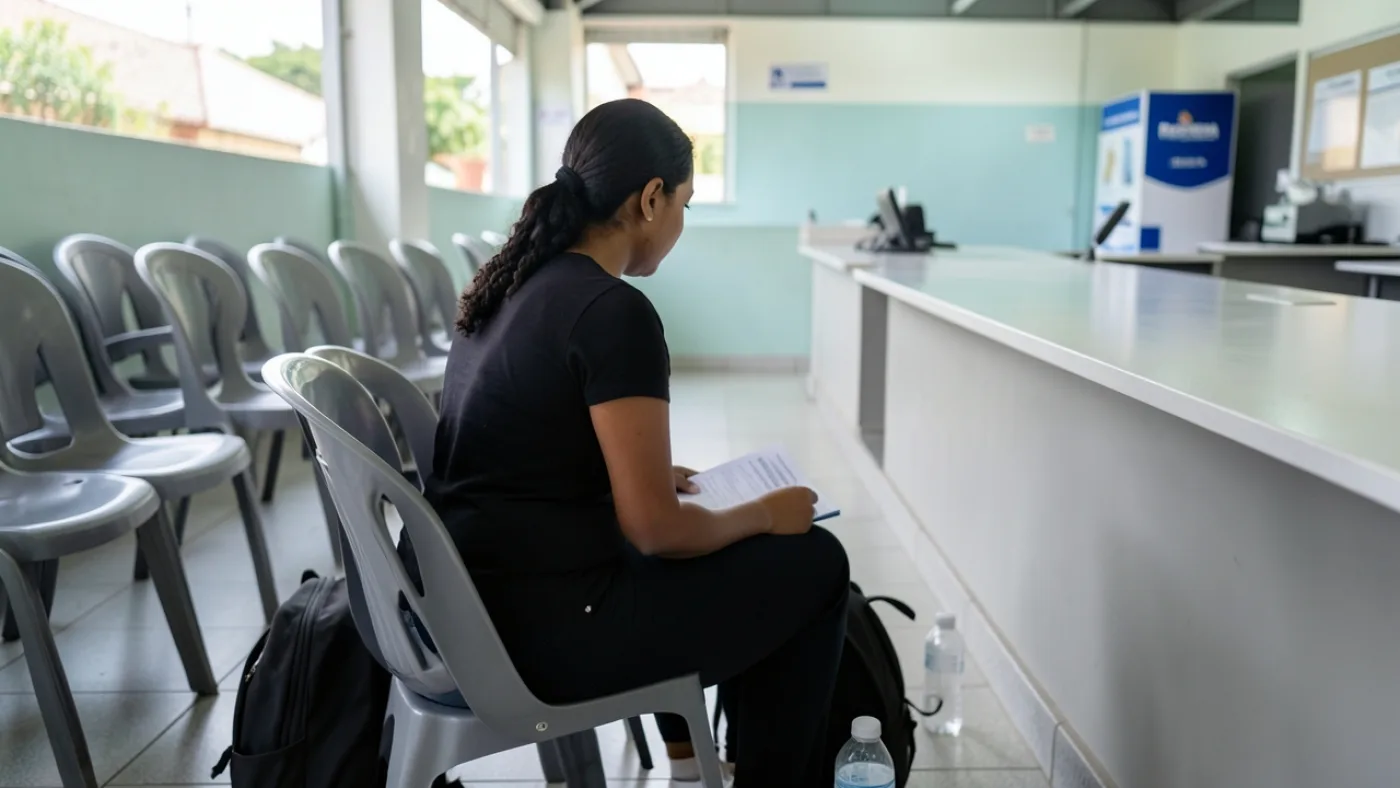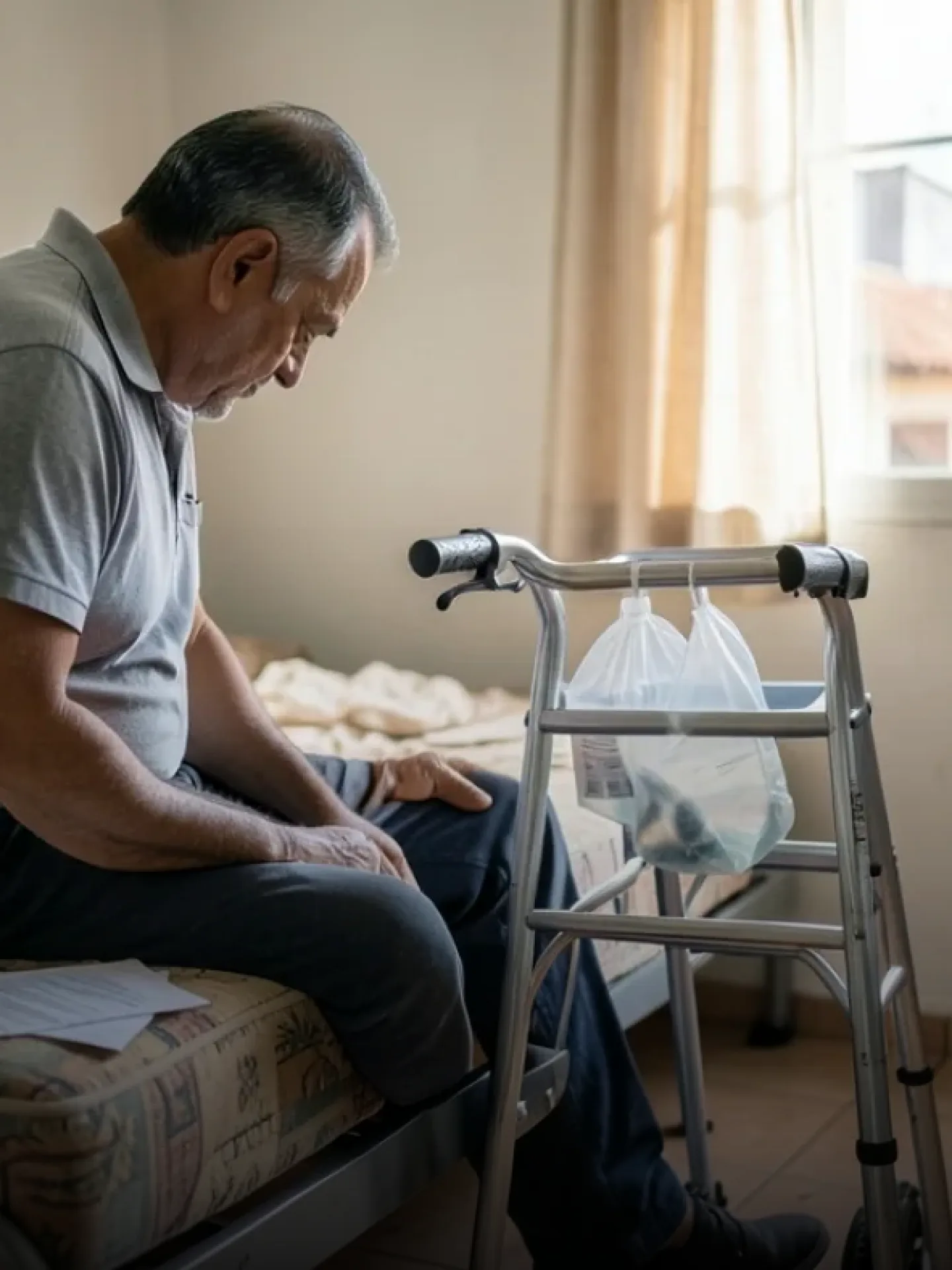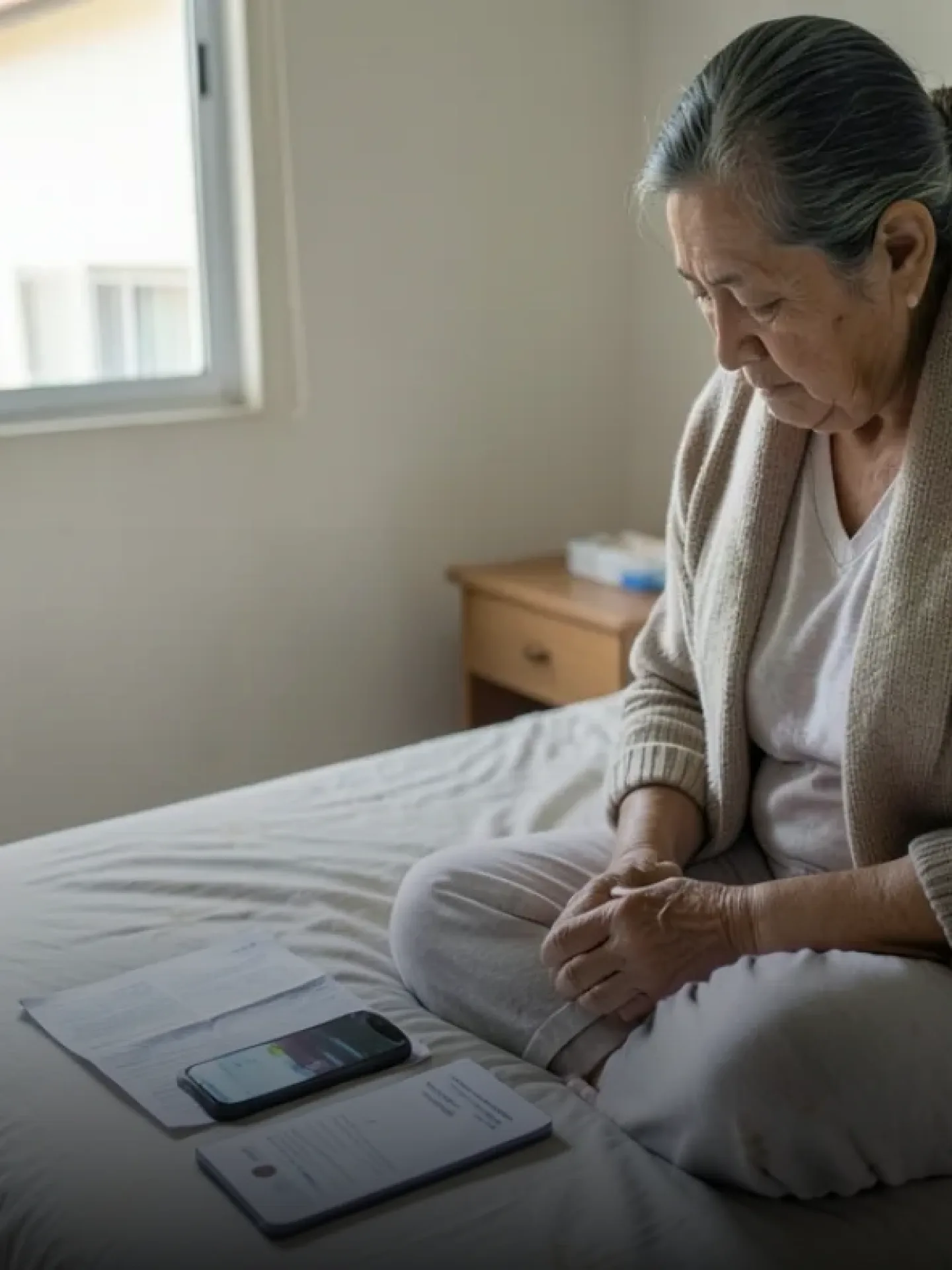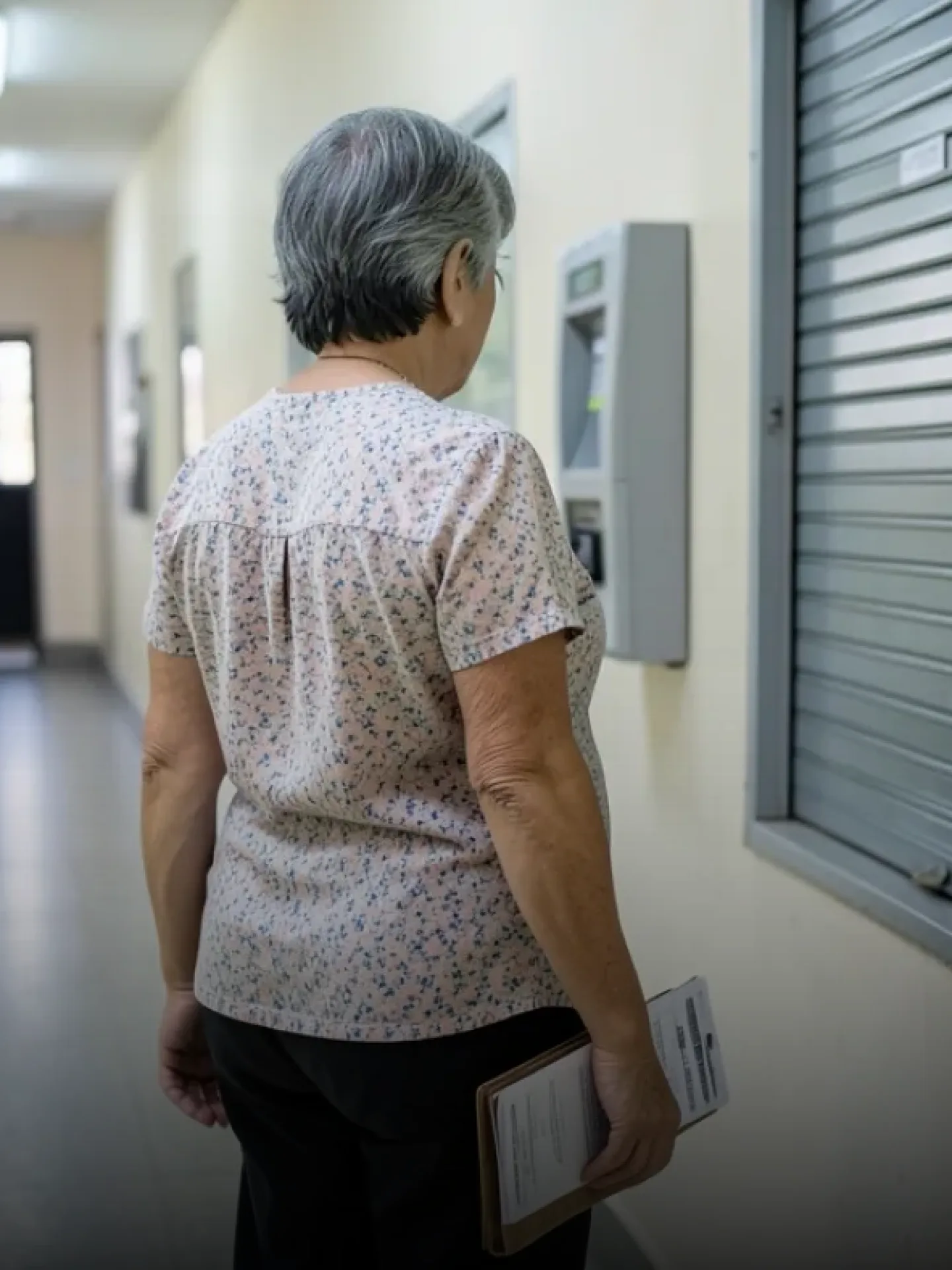

Brazilian health plans routinely deny medication coverage by claiming the drug is “off-label,” not on the Rol da ANS (the regulatory agency’s list), or only available through the public system (SUS). These denials are automated, bureaucratic, and designed to discourage you from pushing back. But here is what every expat, digital nomad, and foreign resident in Brazil needs to know: Brazilian courts and regulators have built a robust framework that overwhelmingly favors patients in these disputes. The Superior Tribunal de Justiça (STJ) — Brazil’s highest court for non-constitutional federal matters — has ruled repeatedly that health plans cannot substitute the treating physician’s clinical judgment. If your disease is covered under your contract, the prescribed treatment must be covered too.
This guide walks you through every practical step to force your Brazilian health plan to cover your medication — from the single most important document your doctor can write, to the administrative complaint that costs nothing and takes 5 business days, to the emergency court motion that can get you the medication within 48 hours when time is critical.
On this page
Why Do Brazilian Health Plans Deny Medication Coverage?
Understanding why your plan said no is the first step to overturning the denial. In Brazil, health plan operators typically cite one of four reasons — and each one has a legal counterargument you can use.
“This medication is not on the ANS Rol”
This is the most common denial reason. The Rol de Procedimentos e Eventos em Saúde is the mandatory coverage list published by the Agência Nacional de Saúde Suplementar (ANS), the federal agency that regulates private health insurance. Plans argue that anything outside this list is optional. But since September 2022, this argument has been legally dead. Law 14.454/2022 amended the Lei dos Planos de Saúde (Health Plans Law) to establish that the ANS Rol is exemplificativo (exemplary, not exhaustive). Coverage is mandatory if the drug has comprovação científica de eficácia (proven scientific efficacy) or is recommended by recognized health technology assessment bodies — including international ones like the FDA (United States) or EMA (European Union).
“This medication is off-label”
Off-label use means the medication is being prescribed for a condition different from the one listed on its ANVISA (Agência Nacional de Vigilância Sanitária) registration. Brazilian health plans routinely deny off-label prescriptions. But STJ precedent is clear: off-label use is permissible — and must be covered — when supported by scientific evidence and prescribed by the treating physician. The STJ has stated that the health plan can determine which diseases are covered (following the WHO International Classification of Diseases), but it cannot interfere with the doctor’s choice of treatment for a covered disease. A detailed medical report (which we’ll explain how to get) is the key to overturning this denial.
“This medication is for outpatient use and your plan only covers inpatient drugs”
Some older or more restrictive health plan contracts attempt to limit pharmaceutical coverage to medications administered during hospitalization. ANS regulations, particularly Resolução Normativa (RN) 465, explicitly prohibit plans from restricting coverage based on the setting of care when the drug is medically necessary. If your doctor states the medication is essential to your treatment, the plan cannot deny it simply because you take it at home.
“This drug is not approved by CONITEC for SUS”
CONITEC (Comissão Nacional de Incorporação de Tecnologias no SUS) evaluates drugs for inclusion in Brazil’s public healthcare system. Private health plans sometimes point to a lack of CONITEC approval as justification for denial. This is a legally invalid argument. Private health plans are governed by ANS regulations and the Civil Code, not by SUS protocols. The obligations of a private insurer are materially different from those of the public system. If the medication has ANVISA registration — which is the baseline requirement — and your doctor prescribes it with scientific justification, the absence of CONITEC incorporation is irrelevant to your private plan’s duty to cover it.
For a deeper look at your rights when facing any type of denial, see our comprehensive guide on Health Plan Denial Rights in Brazil: What Patients Can Do in 2026.
What Does Brazilian Law Actually Say About Medication Coverage?
Brazil operates under Civil Law, not Common Law. This means statutes and codified regulations — not court precedents alone — form the backbone of your legal rights. However, Brazilian courts, particularly the STJ, have developed a consistent body of jurisprudence (jurisprudência) that strongly protects patients. Understanding this legal architecture helps you frame your complaint or lawsuit effectively.
If you are unfamiliar with how Civil Law systems differ from Common Law countries like the US or UK, our article on Civil Law vs Common Law in Brazil: Key Differences explains why statutes carry primary weight and how court decisions still shape practical outcomes.
Law 9.656/1998 — The Health Plans Law
The Lei dos Planos de Saúde is the foundational statute governing all private health insurance in Brazil. Article 10 lists the minimum mandatory coverages, but courts have interpreted this broadly. The law prohibits plans from limiting the quantity, duration, or type of treatment when medically necessary.
Law 14.454/2022 — The Game-Changer
Enacted on September 21, 2022, this law amended Law 9.656/1998 to explicitly state that the ANS Rol is not exhaustive. Coverage extends to treatments recommended by the treating physician that have proven efficacy, even if absent from the ANS list. This was a direct legislative response to a controversial STJ decision in 2022 that had briefly suggested the Rol might be taxativo (exhaustive). Congress overruled that interpretation within months, reaffirming patient rights.
Consumer Defense Code (CDC) — Law 8.078/1990
Health plan contracts in Brazil are consumer contracts governed by the Código de Defesa do Consumidor (CDC). This means ambiguous clauses are interpreted against the plan operator (contra proferentem), and abusive clauses are void. Any contract provision that limits coverage for medically necessary treatments can be struck down under CDC Article 51. This applies regardless of what your specific contract text says.
Key STJ Precedent
The STJ has issued numerous decisions supporting medication coverage. In REsp 1.712.163/SP and similar cases, the court held: “If the disease is covered, the health plan cannot limit the therapeutic approach prescribed by the physician, as long as the treatment is supported by scientific evidence and registered with ANVISA.” This principle — that plans cover the disease, not just specific treatments — is the cornerstone of virtually all successful medication lawsuits in Brazil. You can review recent STJ jurisprudence at stj.jus.br.
How Do I Get My Doctor to Write the Perfect Medical Report?
The single most important document in your fight for medication coverage is the Relatório Médico Fundamentado (Detailed Medical Report). This is not the same as a simple prescription (receita médica). A prescription says “take this drug.” A relatório fundamentado says why this specific drug is medically necessary for you, supported by clinical evidence. Without this document, your administrative complaint or lawsuit will almost certainly fail. With it, your chances of success increase dramatically.
Here is exactly what the report must contain. Print this list and bring it to your doctor.
- Patient’s full identification: Name, CPF, date of birth, and health plan number.
- Diagnosis: The specific disease or condition, including the ICD-10/ICD-11 code (International Classification of Diseases). This must match a condition covered under your health plan contract.
- Clinical history: A brief summary of your condition, symptoms, and how it affects your daily life. Include the progression of the disease and the prognosis without treatment.
- Treatments previously attempted: List all medications and therapies you have already tried, including why each one failed or caused intolerable side effects. This is crucial for demonstrating that the requested drug is not merely a first-line option but a medically necessary escalation.
- Justification for the specific medication: The doctor must explain, with references to peer-reviewed medical literature, clinical guidelines, or protocols from recognized health technology assessment bodies (FDA, EMA, CONITEC, or international medical societies), why this particular drug is the appropriate treatment for your case. If the drug is off-label, the justification must be especially robust.
- Dosage and treatment duration: Exact dosage, frequency, route of administration, and expected duration of treatment.
- ANVISA registration number: The medication’s registration number with the Brazilian health regulatory agency. The doctor can find this on the ANVISA website at gov.br/anvisa. This is essential — courts cannot order coverage of medications not registered with ANVISA, except in very narrow circumstances involving imported drugs for rare diseases (discussed below).
- Consequences of non-treatment: The doctor must state clearly what will happen if you do not receive this medication — disease progression, permanent disability, reduced life expectancy, or other serious harm. This establishes the periculum in mora (danger in delay) needed for emergency court orders.
- Doctor’s signature, CRM number, and date: The report must be signed with the physician’s Conselho Regional de Medicina (CRM) registration number clearly legible. The CRM stamp adds formal authority.
Practical tip: Brazilian doctors are often willing to write this report but may not know the legal requirements. Bring this checklist to your appointment. If the doctor is employed by the health plan’s network, they may face institutional pressure not to prescribe expensive drugs. In that case, seek a second opinion from a specialist outside the plan’s network — preferably one affiliated with a university hospital or research center. You will need to pay out of pocket for this consultation, but the investment (typically R$ 500 to R$ 1,000) can be the difference between approval and denial.
How Do I File an ANS NIP Complaint for Medication Denial?
The Notificação de Intermediação Preliminar (NIP) is an administrative complaint mechanism administered by the ANS. It is free, fully online, and often resolves medication denials within 5 to 10 business days — far faster than going to court. RN 465 governs the NIP process and covers medication disputes.

When to Use the NIP
The NIP is appropriate when the health plan has issued a formal denial (preferably in writing) and you have a complete Relatório Médico Fundamentado. It is less effective for medications that genuinely lack scientific support or ANVISA registration. But for denials based on the Rol, off-label use, or outpatient restrictions, the NIP is your first and best option.
Step-by-Step NIP Filing
- Access the ANS portal: Go to gov.br/ans and navigate to the NIP section. You will need a gov.br account. If you are a foreigner without a Brazilian CPF, you will need to regularize your CPF first — see our guide on fixing an irregular CPF as a foreigner in Brazil.
- Fill out the complaint form: Select “Cobertura Assistencial” (Coverage) and “Medicamento” (Medication) as the complaint type. Provide your health plan details, contract number, and the date of the denial.
- Upload supporting documents: Attach the Relatório Médico Fundamentado, the formal denial letter from the health plan (if you have one), your prescription, and any documentation showing the medication’s ANVISA registration.
- Describe the urgency: Clearly state why immediate coverage is necessary. Mention any risk of disease progression, irreversible damage, or hospitalization if the medication is delayed.
- Submit and track: Once submitted, the ANS forwards the complaint to the health plan, which has 10 business days to respond (reduced to 5 business days in cases of urgent need). The ANS monitors compliance and can impose fines of up to R$ 100,000 on plans that fail to respond or maintain unjustified denials.
In many cases, the health plan reverses the denial upon receiving the NIP, especially if your medical report is thorough and cites Law 14.454/2022. This is the fastest, lowest-cost path to getting your medication.
When Should I Go Directly to Court for a Tutela Antecipada?
There are situations where the NIP is either too slow or unlikely to succeed, and you need to go directly to court. The tutela antecipada (emergency preliminary injunction) is a powerful procedural tool in Brazilian civil procedure that allows a judge to order the health plan to provide the medication immediately — sometimes within 24 to 48 hours of filing.
When Is Court the Right First Step?
- Imminent risk to life or health: If delaying treatment by even 5–10 business days for the NIP process would cause irreversible harm, go to court immediately.
- Medication cost is extremely high: Drugs costing R$ 64,000+ per dose (common for certain biologics and gene therapies) are almost always denied administratively. The health plan’s internal process is unlikely to approve them, so judicial action is often necessary from the start.
- The health plan has a documented history of denying similar claims: If your lawyer identifies a pattern of bad-faith denials by your specific operator, court is more efficient.
- You need an imported medication without ANVISA registration: This is the hardest category. Courts can order coverage of non-ANVISA-registered drugs in exceptional cases, particularly under the Lei dos Medicamentos Raros (discussed below), but the NIP system simply cannot handle these cases. You need a judge.
What You Need for a Tutela Antecipada
Under Article 300 of the Código de Processo Civil (CPC/2015), a preliminary injunction requires two elements:
- Fumus boni iuris (likelihood of success on the merits): Your case must be legally plausible. The Relatório Médico Fundamentado combined with STJ jurisprudence on medication coverage generally satisfies this.
- Periculum in mora (danger in delay): You must demonstrate that waiting for the full trial would cause serious harm. Your doctor’s statement about the consequences of non-treatment is critical here.
The judge typically rules on a tutela antecipada within 24 to 72 hours in urgent health cases. If granted, the order directs the health plan to provide or fund the medication immediately, with daily fines (astreintes) — often R$ 1,000 to R$ 5,000 per day — for non-compliance. These fines are highly effective at forcing compliance.
For a complete analysis of litigation strategy against health insurers in Brazil, read our detailed guide: How to Sue a Health Insurance Company in Brazil in 2026.
What Are My Rights for Rare Disease Medications in Brazil?
Brazil has made significant progress in protecting patients with rare diseases (doenças raras). A rare disease is defined as one affecting fewer than 65 people per 100,000 population. The legal landscape for these medications differs in important ways from standard drug coverage.
The “Lei dos Medicamentos Raros” Framework
Brazil does not have a single codified “Rare Disease Medications Law,” but the legal framework emerges from a combination of statutes, ANS regulations, and court decisions. The key elements are:
- Expanded ANVISA registration pathways: ANVISA offers priority review and special registration mechanisms for orphan drugs (medicamentos órfãos), even those still undergoing clinical trials abroad.
- Importation authorization: For medications unavailable in Brazil, ANVISA can authorize importation on a named-patient basis through Resolução da Diretoria Colegiada (RDC) 204/2017. The prescribing physician must submit detailed clinical justification.
- Judicial coverage for imported drugs: Brazilian courts have ordered health plans and even the SUS to fund imported, non-ANVISA-registered medications for rare diseases when the patient demonstrates that (a) no therapeutic alternative exists in Brazil, (b) the drug is approved by a reputable foreign regulatory agency (FDA, EMA, Health Canada, etc.), and (c) there is scientific evidence of efficacy. These cases are complex and require specialized legal representation.
The monthly cost of rare disease medications can exceed R$ 64,000. Plans almost never approve these voluntarily. The path is almost always judicial, and the tutela antecipada mechanism is essential to avoid irreversible disease progression during litigation.
Administrative Complaint vs. Court Action: Which Path Should You Choose?
| Factor | ANS NIP Complaint | Court Action (Tutela Antecipada) |
|---|---|---|
| Response time | 5–10 business days | 24–72 hours for emergency order |
| Cost | Free | Court fees (may be waived) + attorney fees |
| Success rate for Rol-based denials | High (with good medical report) | Very high |
| Appropriate for non-ANVISA drugs | No — administrative path cannot order this | Yes — courts can order importation |
| Appropriate for rare disease drugs | Low success | Standard path |
| Risk of non-compliance | ANS can fine the plan | Daily fines (R$ 1,000–5,000/day) compel compliance |
| Need a lawyer | Not required (but recommended) | Required — must use OAB-registered attorney |
| Best for | Standard medications, off-label coverage with ANVISA registration | High-cost drugs, life-threatening conditions, imported medications |
Recommended strategy: If your medication has ANVISA registration and the denial is based on the Rol or off-label use, start with the NIP. The 5–10 business day timeline is manageable for most non-emergency situations. If the NIP fails or your situation is urgent, proceed immediately to court. If your medication lacks ANVISA registration or costs exceed R$ 64,000 per month, go directly to court.
What Changed in 2026 for Health Plan Medication Coverage?
While no single landmark statute has been enacted in 2026, several regulatory and judicial developments have strengthened patient rights this year.
ANS RN 592 Update
The ANS updated its Resolução Normativa framework in early 2026 with RN 592, which streamlined the NIP process specifically for medication complaints. The new regulation reduced the maximum response time from 10 days to 7 calendar days for medication-related NIPs and introduced a mechanism for expedited review when the medical report explicitly states that delay poses a risk of hospitalization or irreversible damage. The ANS has also increased its enforcement capacity, with a dedicated medication-denial task force that can impose provisional coverage orders pending full administrative review.
STJ Tema 1.234 — Broader Off-Label Recognition
In mid-2026, the STJ decided Tema 1.234 under its repetitive appeals system (recursos repetitivos), binding all lower courts. The court reaffirmed that health plans must cover off-label medications when: (a) the disease is contractually covered, (b) there is scientific evidence of efficacy published in peer-reviewed journals, and (c) the treating physician provides a detailed clinical justification. This decision effectively eliminated the last arguments plans used to deny off-label coverage in court.
Growing Use of Digital Evidence
Brazilian courts in 2026 have become more receptive to digital evidence in medication cases, including electronic medical records, telehealth consultations, and international prescriptions. For expats and digital nomads who may have received initial diagnoses or treatment recommendations from physicians abroad, this is a significant development. Courts now routinely accept FDA and EMA regulatory decisions as evidence of a medication’s safety and efficacy under Law 14.454/2022.
Step-by-Step Guide to Force Medication Coverage in Brazil
Here is your complete action plan, from denial to getting your medication.
Step 1: Obtain the Denial in Writing
If the pharmacy or plan representative denies coverage verbally, demand a written denial (negativa por escrito) with the specific reason stated. Under ANS regulations, health plans must provide written denials within 24 hours of the request. This document is essential for both NIP and court proceedings.
Step 2: Secure the Relatório Médico Fundamentado
Bring the checklist from this article to your treating physician. If your doctor is unwilling or unable to write a comprehensive report, seek a specialist outside the plan’s network. The cost of this consultation (R$ 500–1,000) is a fraction of what you will spend on the medication without coverage.
Step 3: Check ANVISA Registration
Visit the ANVISA portal and search for your medication. Note the registration number. If the drug is not registered, consult a specialized lawyer immediately — the administrative path will not work.

Step 4: File the ANS NIP Complaint
Submit your complaint through the ANS portal with all supporting documents. Track the complaint daily. The plan has 7 business days (under updated RN 592) to respond. If you do not receive a satisfactory response, escalate.
Step 5: Escalate to PROCON (Optional but Recommended)
Simultaneously with or after the NIP, file a complaint with PROCON (Programa de Proteção e Defesa do Consumidor), the state-level consumer protection agency. PROCON can mediate disputes and has the authority to fine health plans. This creates additional pressure and a parallel complaint record.
Step 6: Go to Court with Tutela Antecipada
If the NIP fails, or if your situation is urgent from the start, engage an OAB-registered lawyer to file an emergency motion. The attorney will prepare the initial petition with:
- The Relatório Médico Fundamentado
- The written denial from the health plan
- Evidence of ANVISA registration (or, for imported drugs, FDA/EMA approval)
- Relevant jurisprudence (STJ Tema 1.234, Law 14.454/2022)
- A clear demonstration of fumus boni iuris and periculum in mora
Realistic timeline: In urgent cases, judges in São Paulo, Rio de Janeiro, and other major cities typically rule on tutela antecipada within 24–48 hours, sometimes the same day if life is at risk. In smaller jurisdictions, expect 3–5 days. Once the order is granted, the health plan usually complies within 48–72 hours to avoid daily fines. The full lawsuit may take 8 months to 2 years to reach a final judgment, but you will have your medication throughout this period under the preliminary injunction.
Step 7: Enforce the Court Order If Necessary
If the health plan defies the court order (rare but possible), your attorney can request immediate enforcement measures, including blocking funds from the plan’s bank accounts (bloqueio de ativos financeiros) to cover the medication cost. Brazilian courts have strong contempt powers in health cases and will not tolerate non-compliance.
Frequently Asked Questions
Can my Brazilian health plan deny medication coverage because the drug is not on the ANS Rol?
No. Law 14.454/2022 explicitly established that the ANS Rol is exemplary, not exhaustive. If your doctor prescribes a medication with proven scientific efficacy that is registered with ANVISA, the health plan must cover it regardless of whether it appears on the Rol. This applies to both on-label and off-label uses when supported by clinical evidence. The plan’s denial on this basis is legally invalid, and the ANS NIP complaint or a court action will likely overturn it.
How long does the ANS NIP complaint take for medication denials?
Under updated ANS RN 592 (2026), health plans must respond to medication-related NIP complaints within 7 business days, down from the previous 10-day standard. In cases where the medical report states that delay poses a risk of hospitalization or irreversible harm, the ANS may expedite review further. The NIP is free and can be filed online through the gov.br/ans portal.
What if my medication is not registered with ANVISA? Can I still get coverage?
ANVISA registration is generally a baseline requirement for coverage. However, two exceptions exist: (1) ANVISA’s own named-patient importation program under RDC 204/2017, which your physician can initiate, and (2) court orders compelling health plans to fund imported medications for rare or life-threatening diseases when no therapeutic alternative exists in Brazil and the drug is approved by a reputable foreign agency (FDA, EMA). These cases require specialized legal representation and a very strong medical report. They almost always require a tutela antecipada because the administrative NIP process cannot authorize non-ANVISA drugs.
How much does it cost to sue a Brazilian health plan for medication coverage?
Court costs in Brazil are relatively modest compared to the cost of the medications at stake. Custas processuais (filing fees) typically range from R$ 200 to R$ 1,500 depending on the state court. However, patients can request justiça gratuita (free justice) if they demonstrate inability to pay without compromising their livelihood — the high cost of the medication itself often serves as evidence. Attorney fees vary by case complexity and region, but many Brazilian lawyers work on contingency or charge flat fees for preliminary injunctions. The medication’s monthly cost — which can reach R$ 64,000+ — far exceeds the legal investment required to secure coverage.
Does the plan category — basic, standard, premium — affect my right to medication coverage?
No. The category of your health plan (enfermaria, apartamento, premium) determines accommodation type and some ancillary services, but it does not affect the plan’s legal obligation to cover medically necessary treatments. Brazilian health plans of all categories are governed by the same ANS regulations and the same Health Plans Law. A basic plan cannot legally deny a cancer medication that a premium plan would cover — the coverage obligation is identical. The STJ has consistently rejected arguments that plan tier affects treatment coverage scope.
Can I get reimbursed if I paid for the medication out of pocket while fighting the denial?
Yes. If you paid for the medication while the health plan’s denial was being challenged, you are entitled to full reimbursement (reembolso integral) upon a favorable outcome, whether through the NIP, PROCON mediation, or a court judgment. Keep all receipts, pharmacy invoices, and proof of payment. In court, you can also claim danos morais (moral damages) for the distress caused by an unjustified denial — Brazilian courts routinely award R$ 5,000 to R$ 15,000 in moral damages for wrongful medication denials, especially when the patient suffered health deterioration due to the delay.
Ready to Secure Your Medication Coverage in Brazil? Get Expert Help Now
Fighting a Brazilian health plan can feel exhausting, especially when you are also managing a serious health condition in a country where you may still be learning the language and navigating the system. But the legal protections are real, and the mechanisms work. Whether you file an ANS NIP complaint yourself or need immediate court intervention for a high-cost or rare disease medication, you do not have to accept an unjustified denial as final.
At Ribeiro Cavalcante Advocacia, our bilingual legal team has extensive experience handling medication coverage disputes for expats, foreign investors, digital nomads, and international families throughout Brazil. We understand what health plan operators look for — and what makes them reverse a denial before a judge even gets involved. From drafting the Relatório Médico Fundamentado instructions for your doctor to filing an emergency tutela antecipada in court, we provide clear, practical guidance entirely in English so you understand every step. Do not let a bureaucratic denial delay the treatment you need.
Talk to a specialist lawyer now
Talk to a Lawyer on WhatsApp