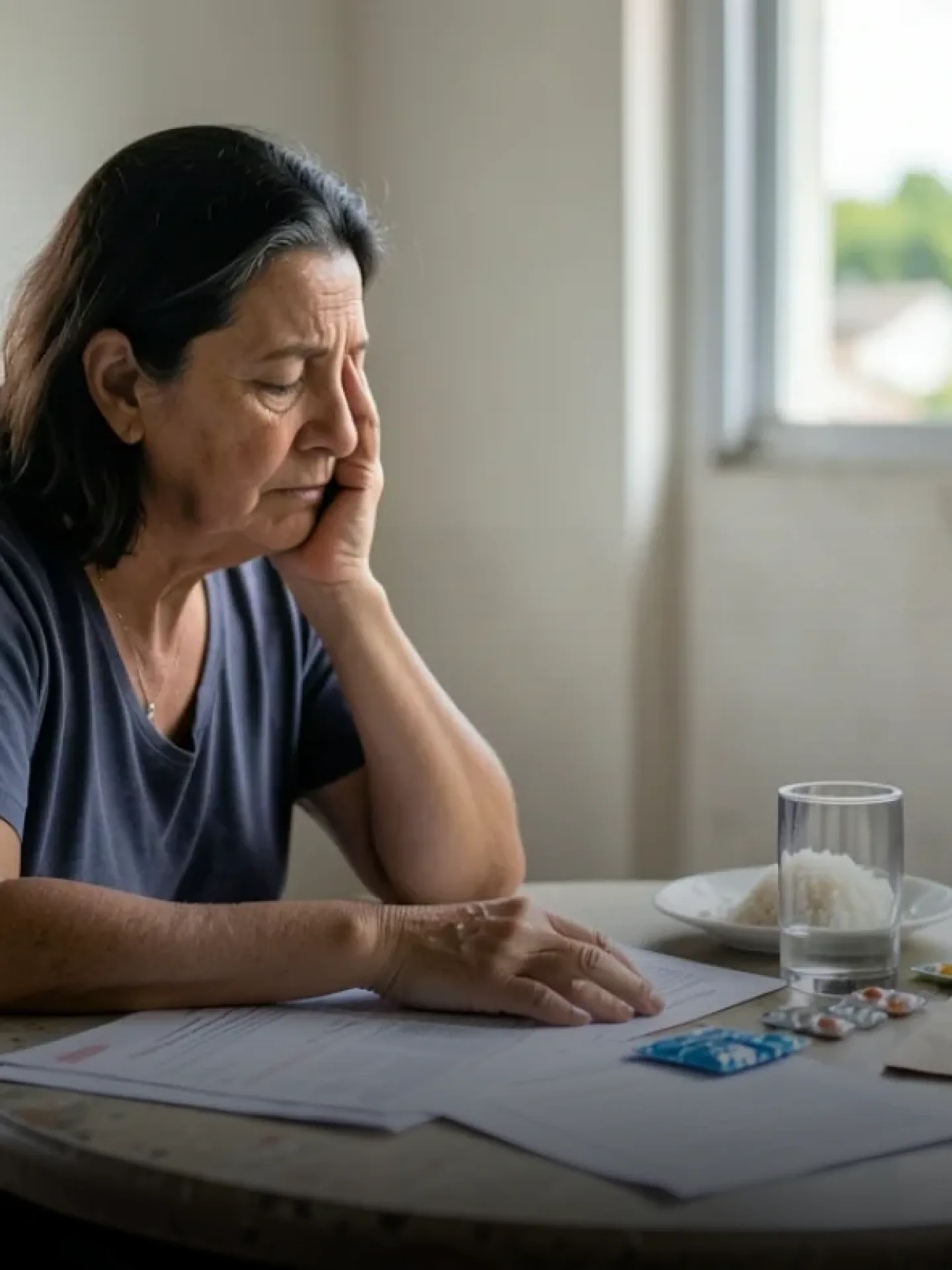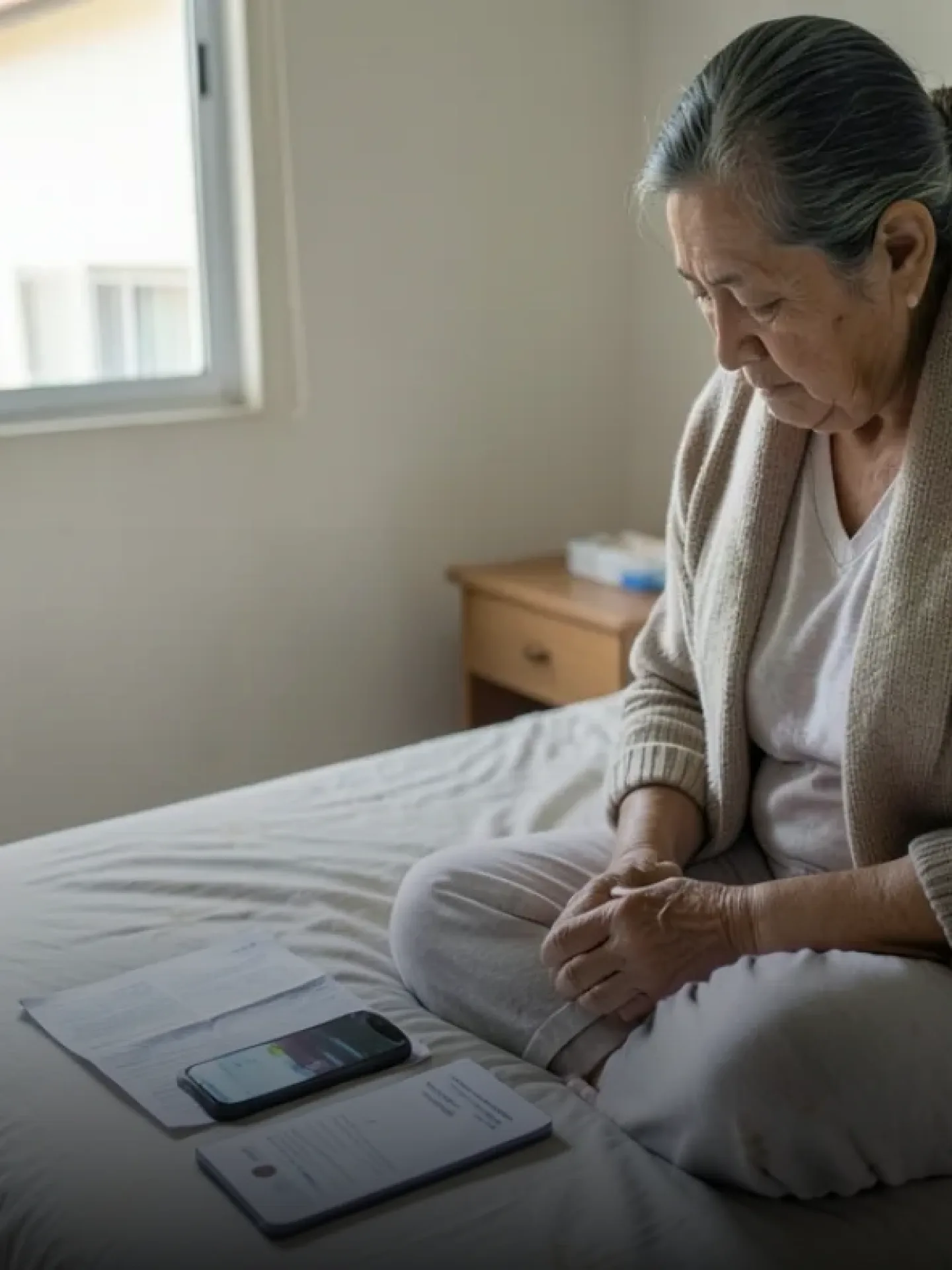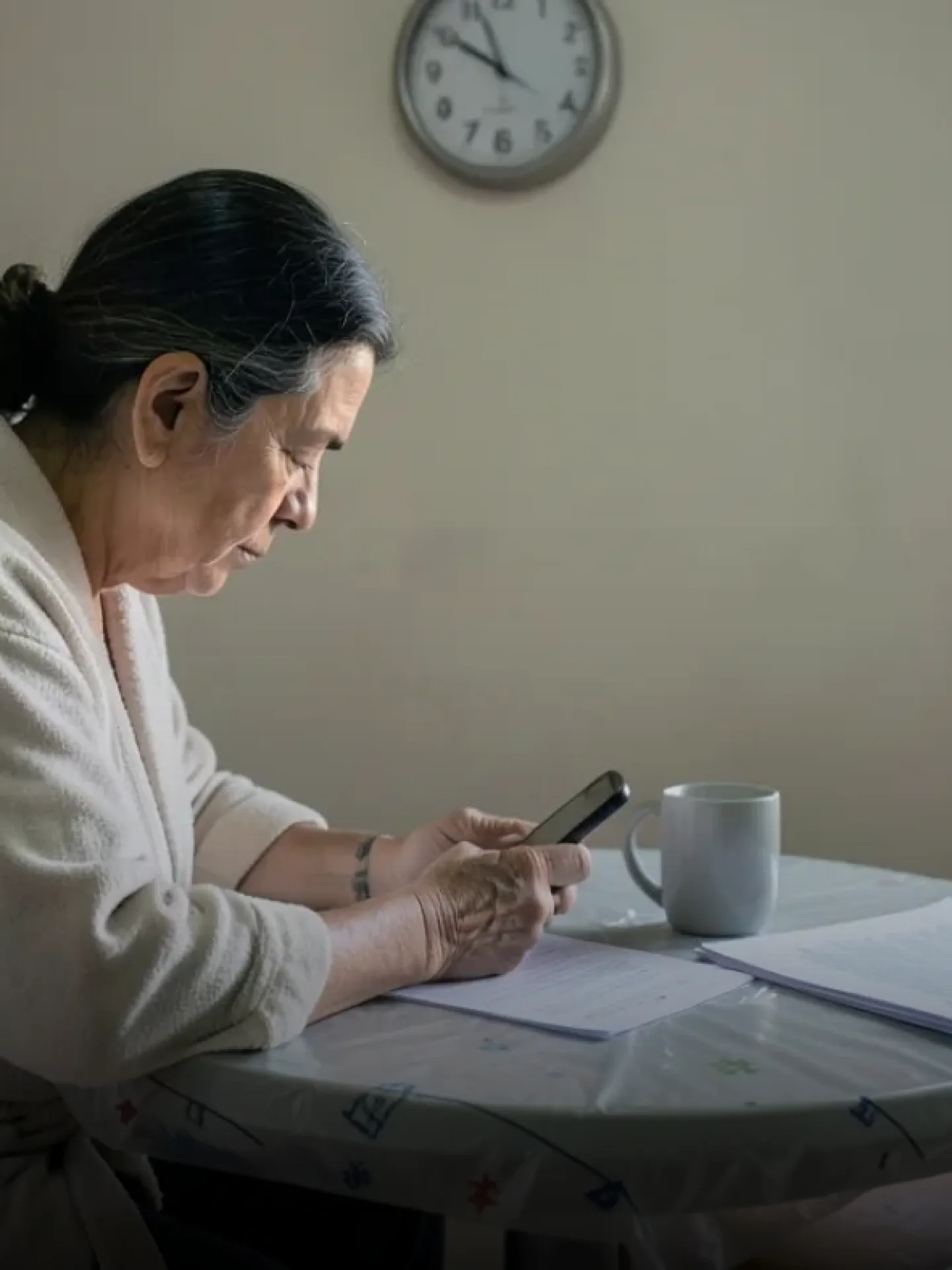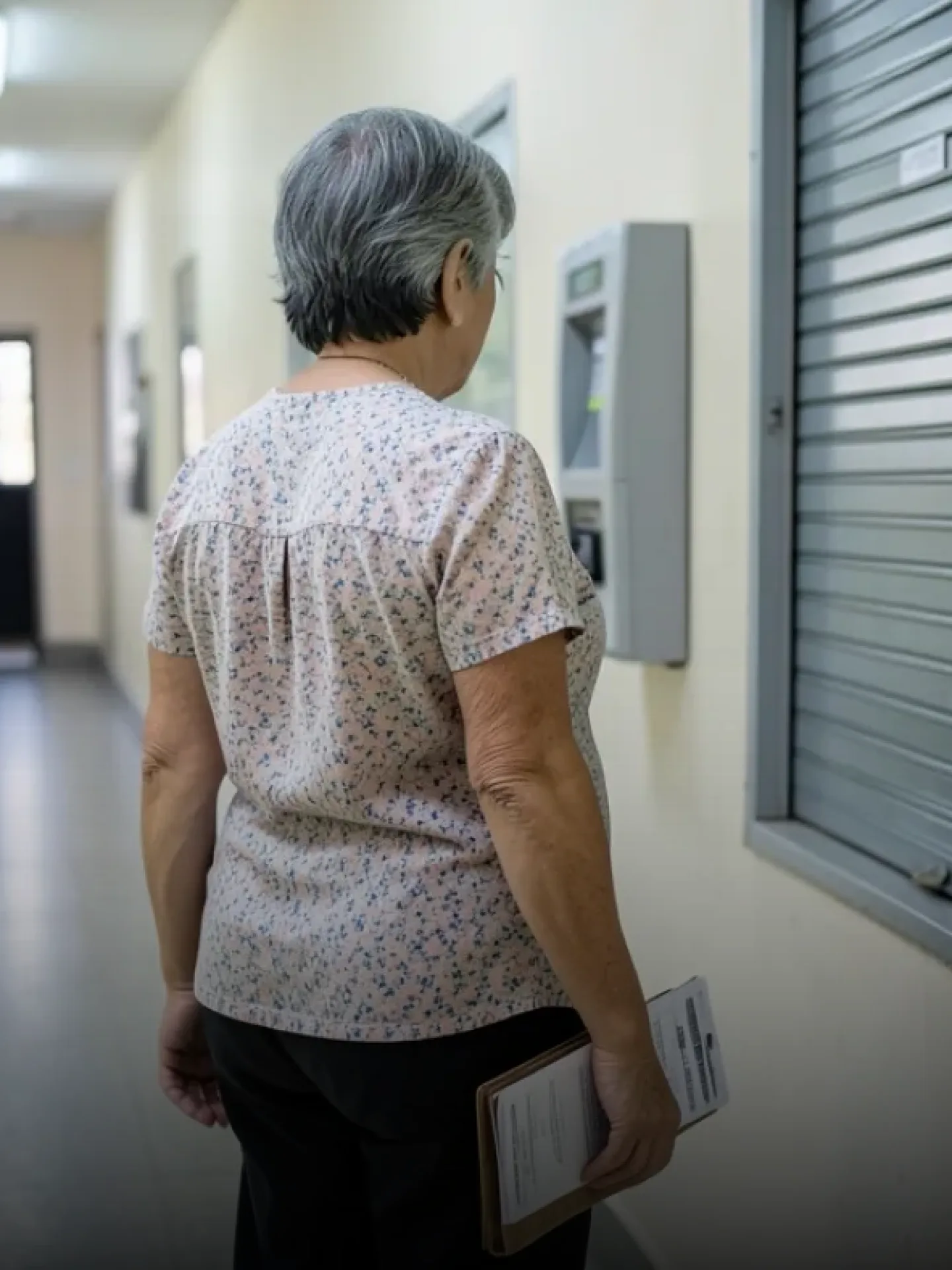
Yes, you can apply for asylum in Brazil, and it costs nothing. But the rule that decides your case is not the one most people expect: it is not how bad the situation in your country is, it is whether you personally face a well-founded fear of persecution, and whether you can say so in a way CONARE can accept.
You are probably reading this because you are already in Brazil. Maybe you crossed the border in Pacaraima or Corumbá. Maybe you arrived at Guarulhos airport with a tourist stamp that expires in 45 days. You have heard that Brazil accepts refugees, that the process is free, that you can work while you wait. All of that is true.
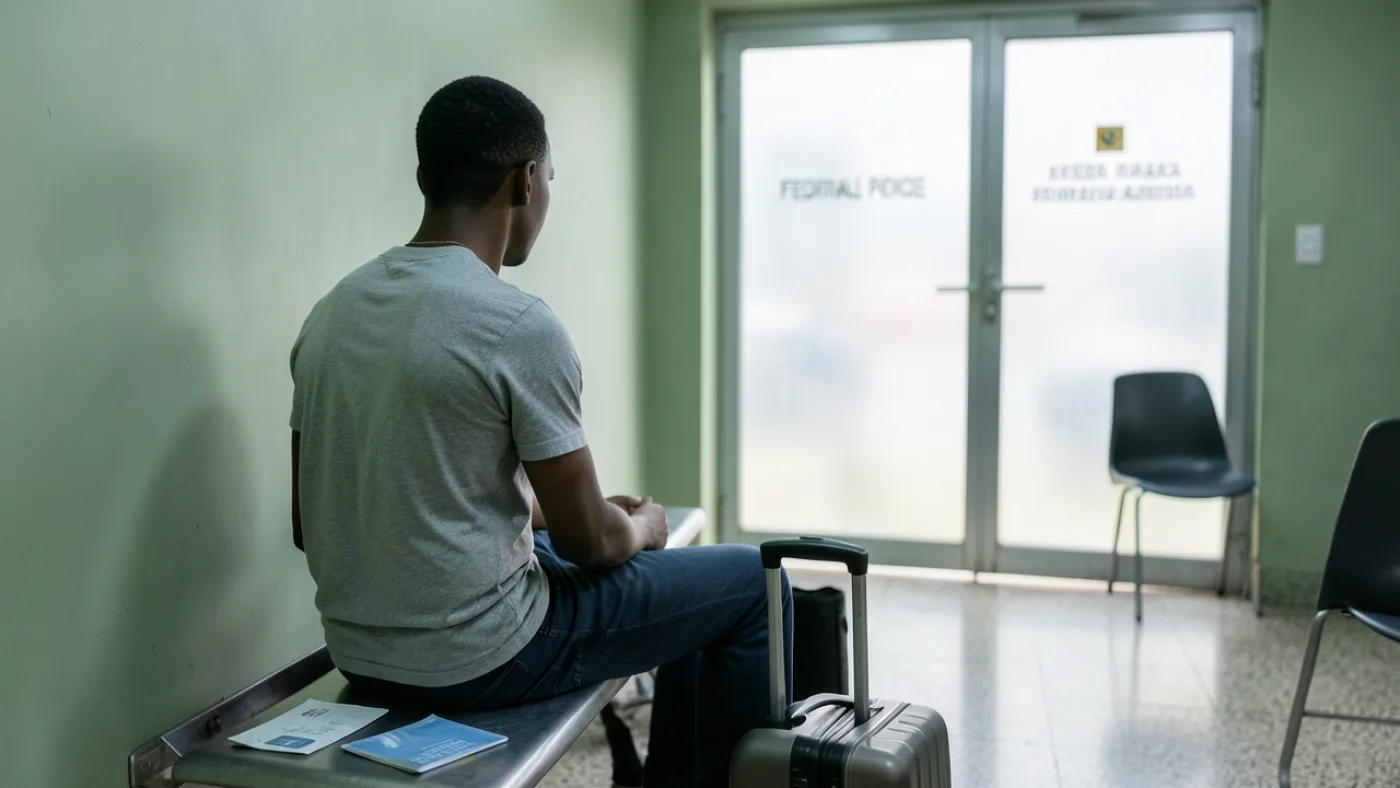
What nobody tells you is the other half. The wait for a first decision runs 2 to 5 years for individually assessed cases. The Federal Police officer at the counter is not the person who decides your case. And the single most common way refugees lose their status has nothing to do with the merits of their claim: it is travelling abroad without asking CONARE first.
This guide gives you the rule first: who qualifies, where to file, what documents to bring, what you get on day one. Then it spends the second half on the cases where the rule does not save you: weak documentation, an interview that goes badly, a denial, and the 15-day appeal window that most people discover too late.
On this page
What Is Asylum in Brazil and Who Actually Qualifies?
Asylum (refúgio) in Brazil is protection granted under Law 9.474/1997, the Brazilian Refugee Act, to any foreigner who cannot return home because of a well-founded fear of persecution based on race, religion, nationality, political opinion or membership of a social group, or because of a grave and generalised violation of human rights. The application is free at every stage.
Brazil’s refugee law is broader than the 1951 Geneva Convention. It adds a third ground borrowed from the Cartagena Declaration: grave and generalised violation of human rights in your country of origin. This is the clause that allowed the mass recognition of Venezuelan and Syrian nationals through simplified group procedures, rather than case-by-case interviews.
Three practical consequences of that legal design matter to you:
- You do not need to have entered Brazil legally. The Refugee Act explicitly states that irregular entry is not a bar to applying, and filing an application suspends any administrative or criminal proceeding related to that irregular entry.
- You do not need to apply within a fixed number of days of arrival. There is no statutory deadline, though delay weakens your credibility and should be explained.
- You cannot apply from outside Brazil. No Brazilian consulate abroad accepts asylum applications. The consular route is the humanitarian visa, a separate instrument with its own rules.
Who does not qualify? People fleeing purely economic hardship. People who already enjoy protection from the UN in another country. And, critically, anyone who has committed a crime against peace, a war crime, a crime against humanity, or a serious non-political crime. The Refugee Act contains explicit exclusion clauses, and CONARE applies them.
Important: Asylum in Brazil is decided by CONARE (Comitê Nacional para os Refugiados), a committee under the Ministry of Justice, not by the Federal Police. The officer who registers your file has no power to accept or reject your claim, so do not be discouraged by a sceptical reception at the counter.
How Do You File an Asylum Application in Brazil, Step by Step?
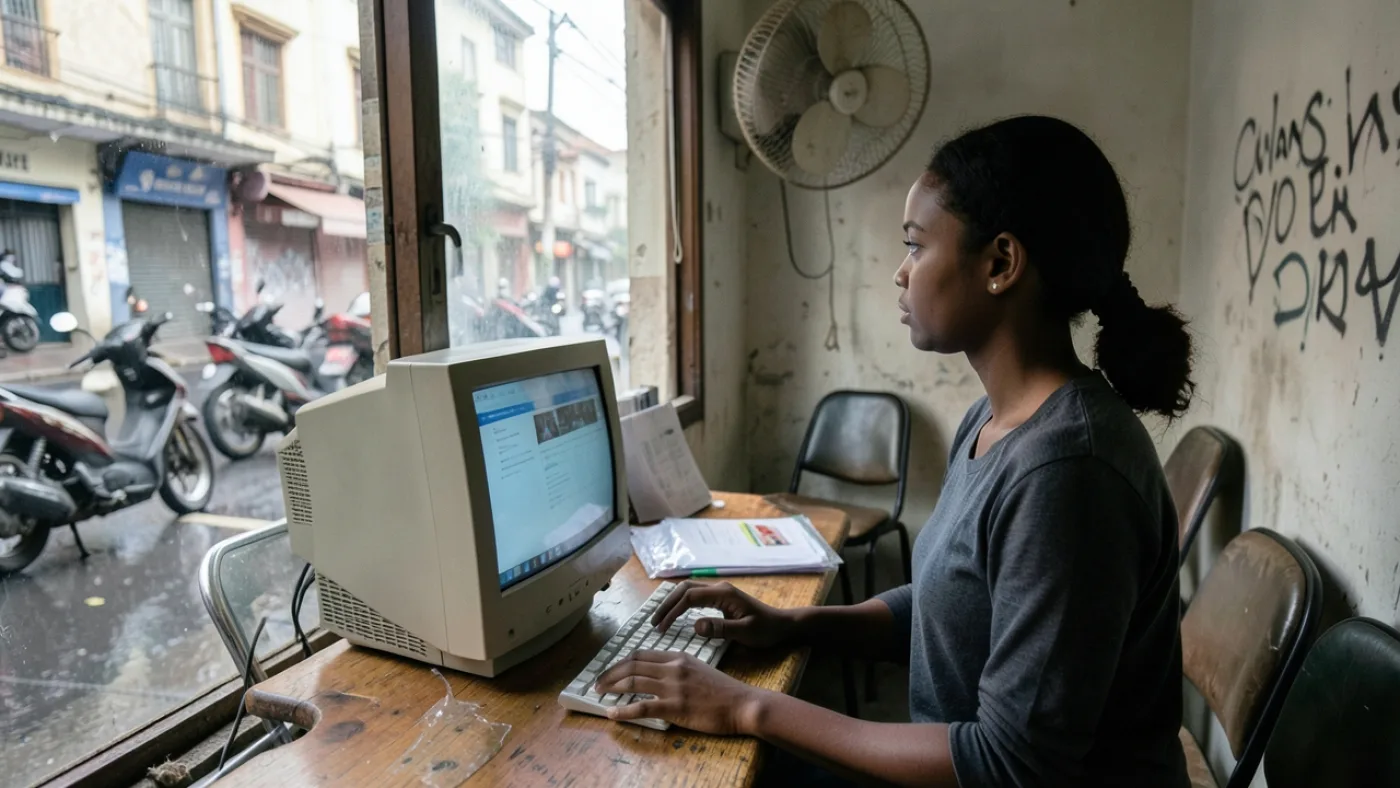
You file online through Sisconare, the Ministry of Justice’s refugee system (sisconare.mj.gov.br), and then confirm the application in person at a Polícia Federal (Federal Police) unit. There is no fee. Once registered, you receive a DPRNM, the provisional migration document that legalises your stay while CONARE decides.
Step 1: Create your Sisconare account and file the request
Access Sisconare through the Ministry of Justice portal. You register with an email address, then complete the Termo de Solicitação de Reconhecimento da Condição de Refugiado (asylum application form). It asks for your identity, route of travel, family members, and, most importantly, a narrative of why you left.
Write that narrative carefully. It becomes the baseline against which your interview answers, sometimes years later, will be compared for consistency.
Step 2: Attend the Federal Police appointment
Sisconare generates an appointment at a Polícia Federal unit for biometrics (fingerprints and photograph) and document verification. Bring whatever identity documents you have. If you have none, you still file: a declaration of identity is accepted, because refugees frequently flee without passports.
Step 3: Get your CPF (Brazilian tax ID)
With your DPRNM protocol you can obtain a CPF from the Receita Federal (Brazilian IRS), free of charge at a Receita unit or a partner Correios/Banco do Brasil branch (where a small service fee around R$ 7.00 may apply). Without a CPF you cannot open a bank account, sign a lease or be formally hired.
Step 4: Activate your work permit (CTPS Digital)
Your right to work formally exists from the day you file, not from the day you are recognised. Download the CTPS Digital app, log in with your gov.br account tied to your CPF, and your carteira de trabalho (employment record) is issued automatically. No employer authorisation, no separate permit.
Practical example: A Venezuelan applicant filing in Boa Vista in March 2026 typically receives the Sisconare protocol the same day, attends the Federal Police within 10-20 days, obtains a CPF the following week, and can sign a formal employment contract before the end of April. Total government cost: R$ 0.00, plus roughly R$ 7.00 if the CPF is issued at a Correios branch.
Step 5 and 6: The CONARE interview and the decision
CONARE schedules an eligibility interview with a trained officer. Interpretation is provided free of charge. The interview is confidential and can last one to three hours. Afterwards, a CONARE working group drafts an opinion and the plenary decides. You are notified through Sisconare and must renew your DPRNM annually until then.
What Does It Cost and How Long Does It Really Take?
The asylum process itself is free: application, DPRNM, annual renewals, the interview, the interpreter and the appeal all cost R$ 0.00 under Law 9.474/1997. The only significant government fee arrives after recognition, when you register your CRNM (National Migration Registration Card) with the Federal Police for R$ 204.77 in 2026.
| Stage | Cost (2026) | Realistic timeline |
|---|---|---|
| Sisconare application + Federal Police registration | R$ 0.00 | Same day to 30 days |
| CPF (Receita Federal) | R$ 0.00 (up to ~R$ 7.00 at partner branches) | 1-7 days |
| CTPS Digital work permit | R$ 0.00 | Immediate (app) |
| DPRNM annual renewal | R$ 0.00 | Repeat yearly until decision |
| CONARE interview scheduling | R$ 0.00 | 6 months to 3 years |
| First-instance CONARE decision | R$ 0.00 | 2-5 years (individual cases) |
| Appeal to the Minister of Justice | R$ 0.00 | File within 15 days of notification |
| CRNM issuance after recognition | R$ 204.77 (waiver possible) | 30-90 days |
| Optional private legal representation | R$ 3,000-10,000 | Full process |
Note the asymmetry. Nothing about the process costs money; everything about it costs time. The Ministry of Justice publishes no statutory deadline for CONARE decisions, and the backlog reported by the Committee in recent years runs into the hundreds of thousands of pending files. Group recognition procedures (used for Venezuelan and Syrian nationals) move far faster than individual assessments.
Tip: If you cannot afford the R$ 204.77 CRNM fee after recognition, request a isenção (fee waiver) for proven insufficient means at the Federal Police, supported by a declaration of hypossuficiency. Refugees are routinely granted it.
What Rights Do You Have While You Wait?
From the moment your application is registered, you hold a DPRNM and you are legally resident in Brazil. That gives you the right to work formally, to a CPF, to free public healthcare through the SUS, to enrol your children in public school, to open a bank account and to move freely inside Brazilian territory. Brazil is a Civil Law country, so these rights come directly from statute.
Two rights deserve emphasis because they are frequently denied in practice by people who do not know the law:
- Formal employment. Some employers refuse the DPRNM, claiming it is “just a protocol”. It is not. It is a valid migration document and the CTPS Digital issued against it is fully legal. If an employer refuses, a short letter from a lawyer citing the Refugee Act usually resolves it.
- Non-refoulement. You cannot be deported to a country where your life or freedom is at risk. This principle overrides ordinary immigration enforcement. If removal proceedings have already started against you, the asylum application suspends them, and you should read our guide on deportation appeal rights in Brazil.
Family unity is also protected. Your spouse or partner, children under 18, and dependent ascendants who are in Brazil can be included in your application and receive derivative refugee status if you are recognised. They do not need to prove persecution of their own.
Warning: Do not leave Brazil without written authorisation from CONARE. Under the Brazilian Refugee Act, travelling abroad without prior consent, and especially returning to your country of origin, can be treated as evidence that your fear of persecution has ceased and can cause the loss of refugee status. This is the most damaging avoidable mistake in the entire process.
What Will CONARE Argue Against You, and What Answers It?
The strongest argument against most asylum claims in Brazil is not that the applicant lied. It is this: “The situation described is real, but the applicant has shown no individualised risk, and Brazil is not obliged to grant refugee status to everyone affected by generalised hardship.” That argument wins cases, and you have to defeat it directly.
Put in its strongest form, the reasoning goes like this. Refugee status is not a humanitarian benefit for everyone in a difficult country. It is protection for individuals who face targeted persecution. Widespread crime, gang violence, economic collapse, or poor governance affect the whole population equally. If the applicant left because life had become impossible rather than because someone was hunting them specifically, the correct instrument is a residence permit or a humanitarian visa, not asylum. And CONARE, which by law must apply exclusion and eligibility criteria, cannot stretch the definition to cover migration in general.
That is a serious argument. Here is what answers it.
- Anchor your case in the third ground. Brazil’s law does not require individualised persecution when there is a grave and generalised violation of human rights in the country of origin. Country-condition evidence (UNHCR reports, Human Rights Watch, OHCHR findings) is legally relevant on its own terms.
- Individualise anyway. Even under the generalised clause, a claim with specifics beats a claim without them. Dates, names of groups, the exact threat, who made it, what happened to relatives, why the state could not protect you.
- Explain state protection failure. If you reported the threat to police and nothing happened, say so and produce the report number. If reporting was impossible or dangerous, explain why.
- Address internal flight. CONARE may ask why you did not simply move to another city in your country. Answer it before they ask: national reach of the persecutor, ethnic or religious identification, no family or means elsewhere.
- Close credibility gaps. Delay in applying, an inconsistency between your Sisconare narrative and your interview, a transit through a third country: all of these are used against applicants. Each has a legitimate explanation, but only if you provide it.
Practical example: Two applicants from the same city give the same account of gang extortion. The first says “it was too dangerous to stay”. The second produces a police report from 14 June 2024, a photo of a written threat, the name of the group, and a statement from a cousin who stayed and was attacked. Same country conditions, very different outcomes.
When Does the Rule Not Save You? Denials, Appeals and Court
If CONARE denies your claim, you have 15 days from notification to appeal to the Minister of Justice under the Brazilian Refugee Act. The appeal is free, does not require a lawyer, and your DPRNM stays valid while it is pending. Miss that window and you become removable.
Practical points that decide appeals:
- Read the reasoning, not just the result. CONARE’s decision states why it denied. An appeal that repeats the original story without addressing that reasoning almost always fails.
- Bring new evidence. Updated country reports, medical or psychological reports documenting trauma, documents your family managed to send, translated and where required notarised at a cartório (notary office with public registration powers).
- Do not stop renewing your document. An expired DPRNM during an appeal creates a separate irregularity problem.
The judicial path: when you go to federal court
If the Minister of Justice upholds the denial, the administrative route ends but the judicial route opens. You can file an action in the Justiça Federal (Federal Court) challenging the decision, typically on grounds of procedural defect (no interpreter, no real interview, inadequate reasoning) or manifest error in applying the law. Courts generally will not re-decide the merits of the fear itself, but they will annul a decision that was reached unlawfully.
The Superior Tribunal de Justiça (STJ) has consistently held that administrative discretion does not exempt an authority from giving adequate reasons, which is the doorway most successful refugee litigation uses.
Costs and timing: the Defensoria Pública da União (DPU), the federal public defender, represents refugees free of charge and does this work routinely. Private representation for federal litigation typically runs R$ 3,000-10,000 depending on complexity. First-instance judgments commonly take 1-3 years, with appeals extending that. Court filing fees are waived for anyone granted gratuidade de justiça (free access to justice) on a declaration of insufficient means.
There is also a parallel strategy that is often stronger than litigation: applying for an alternative residence permit (Mercosur residence, humanitarian residence, family reunification, work-based residence). A denied asylum claim does not block a separate residence application, and residence obtained this way can lead to naturalisation. Refugees are eligible for Brazilian citizenship after four years of residence, a shorter path than the ordinary rule.
What Changed for Asylum Seekers in 2026?
The legal framework is unchanged: Law 9.474/1997 (the Refugee Act) and Law 13.445/2017 (the Migration Law) remain in force. What has changed is operational: the process is now almost entirely digital through Sisconare and gov.br, DPRNM renewals are handled online, and CONARE continues to expand simplified group recognition to reduce the individual-interview backlog.
Three practical shifts worth knowing about in 2026:
- Digital-first. Notifications, interview summonses and decisions arrive through Sisconare. If you stop checking the platform or lose access to the email you registered, you can miss the 15-day appeal deadline without ever knowing a decision was issued.
- Group recognition continues. Nationals of countries where CONARE has formally recognised a grave and generalised violation of human rights can be recognised without an individual interview, which cuts years off the timeline.
- Interoperability with Receita Federal and CTPS Digital. CPF and work permit issuance against a DPRNM is now largely automatic, which means fewer counter arguments with employers and banks than in previous years.
The full text of the Refugee Act is available on the Planalto government legislation portal (in Portuguese). Article 39, on loss of refugee status, is the one to read even if you read nothing else.
What Mistakes Cost Refugees Their Status?
The most damaging errors are procedural, not substantive. Leaving Brazil without CONARE authorisation, letting the DPRNM expire, missing the 15-day appeal deadline and failing to update your address are the four that end otherwise valid cases. None of them relate to whether you deserve protection.
- Travelling abroad, especially “home”, without authorisation. Even a short family visit can be read as proof your fear has ended.
- Letting the DPRNM lapse. Renew it in Sisconare before it expires; an irregular stay creates fines and complications that are avoidable.
- Changing address, phone or email without updating Sisconare. This is how people miss interview summonses.
- Paying an unlicensed “consultant”. Filing is free. Any lawyer you hire must be registered with the OAB (Brazilian Bar Association); ask for the number.
- Inconsistent accounts. Do not embellish. A modest, precise, verifiable story survives scrutiny far better than a dramatic one.
- Discarding evidence. Keep every threat, message, medical record and police report, digitally backed up.
Tip: Save every Sisconare protocol number and screenshot every submission confirmation. When files sit for years, your own records are frequently the fastest way to prove what was filed and when.
Frequently Asked Questions About Applying for Asylum in Brazil
Can I apply for asylum in Brazil from my home country or at a consulate?
No. Asylum applications can only be filed once you are on Brazilian territory or at a Brazilian border post, including airports and ports. No Brazilian consulate abroad accepts asylum claims. If you are still outside Brazil, the relevant instrument is a humanitarian visa, granted through consular channels to nationals of designated countries. That visa gives you legal entry and residence, and once inside Brazil you can still apply for asylum if you qualify.
Can I work legally while my asylum application is pending?
Yes, from the day your application is registered. Your DPRNM is a valid migration document, and with a CPF you can activate your CTPS Digital work permit and be hired formally with full labour rights, including 13th salary, FGTS and paid holidays. There is no waiting period and no employer sponsorship requirement. If an employer refuses the DPRNM, they are mistaken; the Refugee Act guarantees this right and a written legal clarification usually settles it.
Do I need a lawyer to apply for asylum in Brazil?
No. The process is designed to work without one, and the Defensoria Pública da União plus NGOs such as Cáritas, Missão Paz, IMDH and UNHCR partners provide free assistance. A lawyer becomes genuinely valuable in three situations: your persecution is hard to document, you have a criminal record that may trigger an exclusion clause, or you have been denied and are appealing. Private representation through the CONARE process typically costs R$ 3,000-10,000.
What happens to my spouse and children?
Family members who are in Brazil can be included as dependents in your application: spouse or partner, children under 18, and dependent ascendants. They receive derivative refugee status if you are recognised, without having to prove persecution of their own. If they are still abroad, family reunification is possible after recognition, through a specific procedure at CONARE and the Brazilian consulate in their country of residence.
Can I be deported while my asylum case is pending?
No. Filing an asylum application suspends administrative and criminal proceedings related to irregular entry, and the principle of non-refoulement prohibits returning you to a country where your life or freedom is at risk. This protection lasts until a final decision, including your appeal to the Minister of Justice. It can be lost, however, if you fail to renew your DPRNM, abandon the process, or are excluded under the Refugee Act’s serious-crime provisions.
How long until I can apply for permanent residence or citizenship?
Once recognised, you receive a CRNM with residence rights and must keep it valid, so understanding CRNM renewal deadlines matters. Recognised refugees can apply for naturalisation after four years of residence in Brazil, shorter than the ordinary rule, provided they meet the Portuguese language and good-conduct requirements. Time spent as an asylum seeker with a valid DPRNM is generally counted, which is another reason never to let the document lapse.
Apply for Asylum in Brazil With a Bilingual Immigration Lawyer
Filing is free and you can do it yourself. What is worth paying for is the part that decides outcomes: a narrative that survives a CONARE interview years later, evidence organised around the exact objection the Committee will raise, and an appeal filed inside the 15-day window with new material rather than a repetition of the original story. Our bilingual team at Ribeiro Cavalcante Advocacia works with refugees at every stage, from first filing to federal litigation, and we speak your language.
Your next step is concrete: open sisconare.mj.gov.br today, file the application, and keep the protocol number. Then send us that protocol number and the date you entered Brazil, and we will tell you exactly what your case needs.
For a broader overview of documents and rights, see our main guide on asylum and refugee status in Brazil.
Talk to a specialist lawyer now
Talk to a Lawyer on WhatsApp